Harsh and slipping are opposite failures, and treating them as the same complaint sends you after the wrong part. A slip is the transmission failing to hold — RPM flares, the shift drags out, power feels soft. A harsh shift is the opposite problem: the transmission holds fine, it just slams into the next gear instead of rolling into it, hard enough to feel in the seat or hear as a clunk from the driveline. If your 700R4 is flaring or dragging on a shift, that is covered in our 700R4 slipping guide. This one is about the shift that happens, happens roughly on time, and still feels like a punch.
A 700R4 has no computer softening any of this. Line pressure and shift feel come straight off a mechanical TV cable, a set of hydraulic accumulators, and a pressure regulator and boost valve circuit, with nothing watching for wear and compensating. Every bang traces back to one of three places: the TV cable feeding the transmission a throttle signal that reads too high, an accumulator that can no longer cushion the apply because it is worn or leaking, or a pressure regulator spring and boost valve calibrated wrong, usually after somebody's prior "fix." Here is how to tell which one you have.
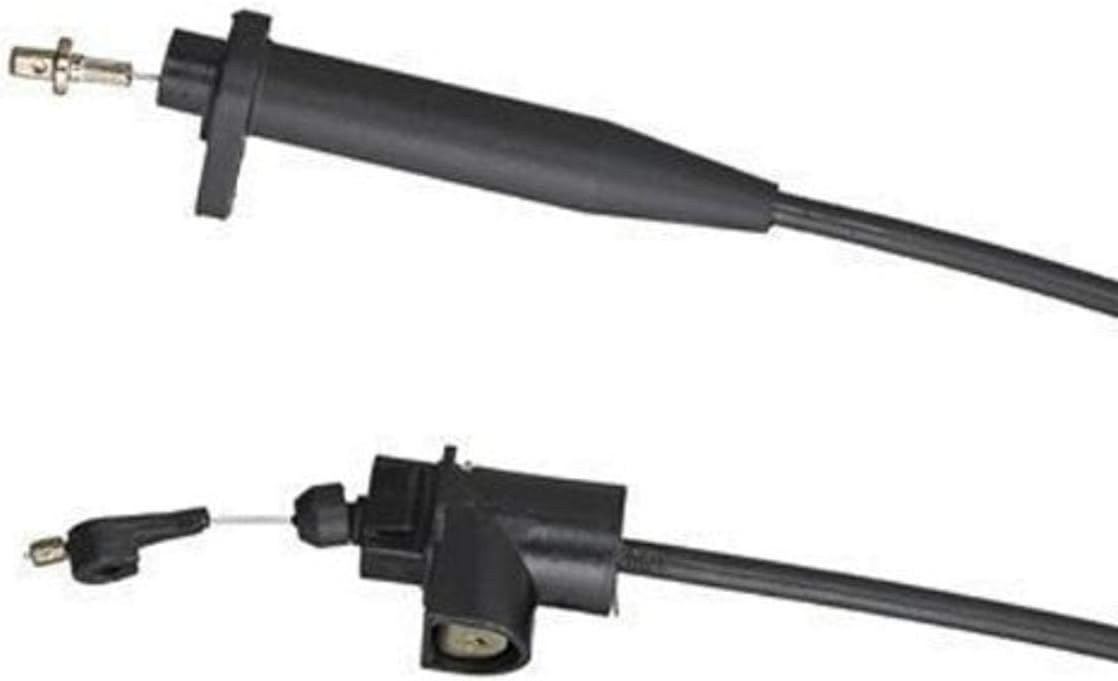
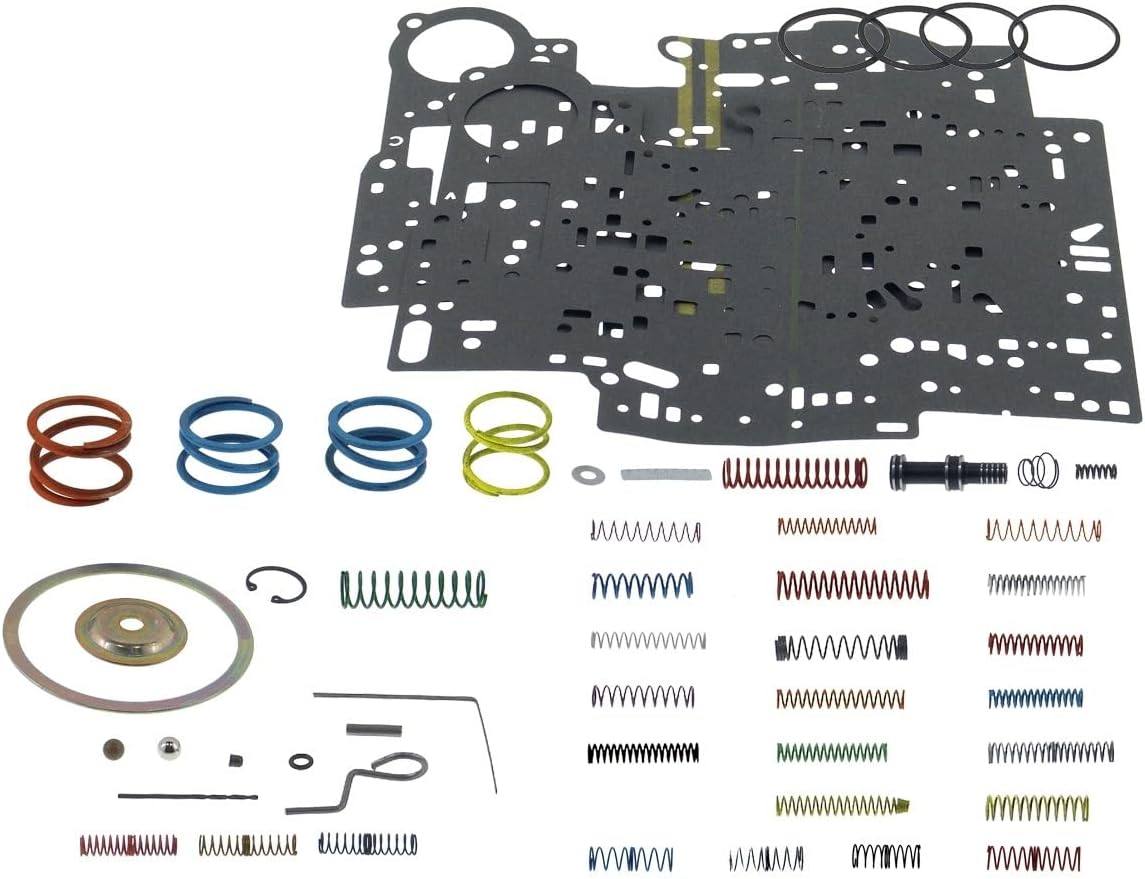
Cause 1: the TV cable is feeding the transmission too much signal
This is the first thing to rule out because it costs nothing and takes ten minutes with the pan still on. The 700R4's TV cable is the transmission's only read on engine load, and the pressure it generates works against governor pressure at the shift valves and against spring force at the accumulators. If the cable is adjusted too tight, or if the plunger or linkage geometry is off so the cable pulls more travel than the throttle actually commands, the transmission reads more load than the engine is making. Line pressure rises, the accumulators get less time to do their cushioning job, and every shift lands firmer than it should, even though the shift itself happens at roughly the right moment.
Transmission Digest's bench procedure for this exact cable gives real numbers to check against instead of going by feel: at light, steady throttle, the 1-2 upshift should land around 15 mph and the 2-3 around 28 mph. The adjustment itself is a two-step process — a coarse setting with the engine off, releasing the cable's internal ratchet and pushing the jacket back while an assistant floors the pedal, then a fine adjustment after a test drive, pulling the adjuster a few clicks one way if shifts come late or the other way if they come early. Digest's procedure also calls for confirming a full-throttle 2-1 kickdown works correctly after the light-throttle points are set; if it does not, the cable needs readjusting regardless of what the light-throttle numbers show.
Worn components inside the TV circuit will not hold an adjustment even when it is done correctly. Sonnax's carburetor TV linkage corrector kit documentation notes that most aftermarket carburetors and injection setups are not built to match the OE TV cable's pivot travel, which by itself produces incorrect pressures and shift timing no matter how carefully the cable is adjusted at the transmission end — the fix there is correcting the pivot geometry at the throttle body, not just pulling more cable. For the full adjustment walkthrough, the wear parts inside the TV circuit that no adjustment can fix, and the leak checklist for a repeat 3-4 clutch burn, see our TV cable adjustment and line pressure guide.
Cause 2: a worn or leaking accumulator can't cushion the apply
This is the counterintuitive one. People assume a worn part makes a shift softer, but on the accumulator side, wear and leakage usually make shifts harder, not weaker. An accumulator's whole job is to act as a shock absorber for fluid pressure: the piston strokes against spring force (and, on some circuits, against throttle-sensitive pressure too) so the clutch or band comes on gradually instead of taking the full line pressure spike all at once.
Transmission Digest's hydraulics-fundamentals breakdown of accumulators and shift feel lays out exactly how that fails on this circuit. On the 700R4/4L60 valve body, a #12 checkball routes D4 pressure through an orifice to stroke the forward clutch accumulator piston, while a #8 checkball meters flow to the 1-2 accumulator piston and servo assembly, with the piston working against spring force and throttle-sensitive pressure from the accumulator valve. When that system is leaking — at the forward abuse valve bore, at the accumulator piston-to-pin interface, at a worn 1-2 accumulator piston, or at a worn servo assembly — the piston can no longer hold the charge that would otherwise meter the apply gradually, and Digest lists all four of those leak points together as causes of harsh engagement specifically, not soft ones.
Sonnax's own build guide for this transmission backs the same failure from the parts side: accumulator piston wear is tied directly to poor shift quality and burnt clutches and bands, and it is common enough that Sonnax sells a pinless accumulator piston kit built around dual seals specifically to stop fluid loss at the piston-pin bore interface once wear starts. One more wrinkle worth knowing before you go shopping for a reman piston: OE accumulator and servo pistons come in different ratios calibrated for different engine and vehicle combinations, so a piston that is the wrong size for your application can introduce the same harshness even when it is not worn at all.
TransGo SK 700 Shift Kit
Corrects valve body calibration and accumulator circuit behavior in one kit, instead of chasing individual worn pistons and bores separately.
View the shift kit →Cause 3: a non-progressive pressure regulator spring or boost valve
If the harshness showed up right after a shift kit, a pressure regulator spring swap, or any other line-pressure "upgrade," the mod itself is the first suspect, not a new wear item. Line pressure on a 700R4 comes off a pressure regulator valve working against a boost valve, and how that pressure rises across the throttle range depends entirely on the spring rate and boost valve ratio in that circuit.
Sonnax's own line pressure booster kit for this transmission is engineered specifically around not creating this problem: the kit pairs a pressure regulator spring that is roughly 10% stronger than stock with a larger-ratio boost valve, built so pressure rises progressively rather than jumping all at once. At low-end pressures the kit is designed to deliver normal engagements and normal light-throttle shifts, with the increase only showing up as the throttle opens further and torque demand actually goes up. The implication cuts the other way too: a spring or boost valve that is not properly matched or progressively valved raises pressure across the whole throttle range, including idle and light-throttle shifts that never needed more pressure to begin with, which is exactly what produces harshness at low speed.
The tell is where in the throttle range the harshness shows up. If shifts are harsh across the board, including at a steady, gentle cruise, suspect a mismatched or over-strength regulator spring or boost valve before anything else, especially if a shift kit or pressure mod went in recently. If shifts are fine at light throttle and only get hard under real load, that is closer to the transmission working as designed, and the cable and accumulator causes above are the better place to look first.
Rule out fluid condition before chasing hydraulics
Friction material and band surfaces are tuned to engage against fluid that meets the current GM DEXRON-VI specification, which Valvoline's own ATF product data sheet confirms its DEXRON-VI fluid is formulated to meet. Fluid that has broken down, been topped off with the wrong fluid over the years, or simply gone past its service interval changes how the clutches and band grab, which can turn a shift that was already borderline into one that feels noticeably harder. It will not be the whole story on a shift that is genuinely slamming, but it costs nothing to check and rule out before pulling a pan. Full capacity figures and the correct hot-check fill procedure for this transmission are in our 700R4 fluid type and capacity guide.
Putting it in order
| Symptom pattern | Most likely cause | How to confirm |
|---|---|---|
| Harsh across every shift, feels early as well as hard | TV cable too tight or bad linkage geometry | Bench-check light-throttle shift speeds (~15 mph 1-2, ~28 mph 2-3) and the full-throttle 2-1 kickdown per Transmission Digest's procedure |
| Bang specifically on the 1-2 shift, or on forward engagement into Drive | Worn or leaking 1-2 or forward clutch accumulator piston, worn servo | Pull the pan, inspect accumulator piston/pin bore, forward abuse valve bore, and servo assembly for wear |
| Harsh at idle and light throttle, started right after a shift kit or pressure mod | Non-progressive or over-strength pressure regulator spring / boost valve | Check spring and boost valve part numbers against OE calibration; gauge line pressure across the throttle range |
| Harsh shift developed gradually with age or high mileage | Degraded fluid changing friction engagement | Check fluid color/condition and confirm DEXRON-VI spec compliance |
| Harsh shift plus delayed engagement or 3-4 clutch burning | Combination TV cable and accumulator issue | Work the cable first (free to check), then the accumulator circuit if harshness persists |
Work the cable first since it costs nothing but time to check, then the accumulators if the cable checks out, and look hardest at the regulator spring and boost valve if the problem started right after a shift kit or pressure mod went in. Fluid condition is worth a glance on any older unit but is rarely the whole answer on a shift that is genuinely slamming.
FAQ
What does a harsh 700R4 shift feel like, and how is it different from slipping?
A harsh shift lands too hard and too fast: a bang or a clunk as the transmission snaps into the next gear, sometimes with a lurch you can feel in the seat. Slipping is the opposite problem, where engine RPM flares up and the transmission takes too long to grab. Both can happen on the same unit at different times, but they point at different parts. Harsh shifts point at the accumulator and pressure side not cushioning the apply; slipping points at worn clutches, a weak one-way clutch, or low line pressure.
Is a too-tight TV cable the most common cause of harsh shifts?
It is the most common cause worth checking first because it costs nothing and takes ten minutes. A 700R4 TV cable that is adjusted too tight, or whose plunger or linkage geometry is off, feeds the transmission a throttle signal that reads higher than the engine is actually making, which raises line pressure and firms the shift before it should. Transmission Digest's bench procedure for this cable gives real shift-speed targets at light throttle (roughly 15 mph for the 1-2 and 28 mph for the 2-3) so you can confirm the adjustment instead of guessing by feel.
Can a worn accumulator piston actually cause a harder shift instead of a softer one?
Yes, and this trips people up because it sounds backwards. The accumulator piston's job is to absorb part of the apply pressure spike so the clutch or band comes on gradually instead of all at once. When the piston or its pin bore leaks, it can no longer hold that cushioning charge, so the apply pressure reaches the clutch with nothing softening it. Transmission Digest's hydraulics-fundamentals breakdown lists forward abuse valve bore wear, accumulator piston-to-pin leakage, 1-2 accumulator piston wear, and worn servo assemblies together as the failure modes that produce harsh engagement, not soft ones.
Will a shift kit fix harsh shifts, or make them worse?
Both are possible depending on what is actually wrong. A shift kit that corrects a worn or incorrectly calibrated valve body can smooth out a shift that is harsh because of erratic internal pressure. But if the harshness started right after a shift kit or a pressure regulator spring swap, the kit itself is the suspect, specifically a non-progressive spring or boost valve raising pressure across the whole throttle range instead of only when the engine is actually working hard. Sonnax's own line pressure booster kit is engineered around avoiding exactly this, pairing a stronger regulator spring with a larger boost valve so low-speed shifts stay normal while only hard-throttle shifts firm up.
Does transmission fluid condition affect how harsh a shift feels?
It can, though it is rarely the sole cause. Friction material and band surfaces are tuned to grab correctly against fluid that meets the GM DEXRON-VI specification. Fluid that has broken down, picked up the wrong additive package, or simply has not been serviced in a long time changes how the clutches and band engage, which can make a shift that was already borderline feel noticeably harder. It is a cheap thing to rule out before pulling a pan to chase an accumulator or valve body.
TV cables, shift kits, valve bodies and accumulator hard parts for the 700R4 and 4L60 — shipped fast from the USA.
Shop 700R4 parts →Related 700R4 guides
Sources
- Transmission Digest — "Adjusting the infamous THM700-R4 throttle valve cable." Backs the light-throttle shift-speed targets (roughly 15 mph for the 1-2 upshift, 28 mph for the 2-3), the coarse and fine cable adjustment procedure, and the full-throttle 2-1 kickdown check used to confirm the adjustment. transmissiondigest.com
- Transmission Digest — "Hydraulics fundamentals: Accumulators & shift feel." Backs the accumulator's function as a pressure shock absorber, the 700R4/4L60 #12 and #8 checkball circuits feeding the forward clutch and 1-2 accumulators, and the specific failure modes (forward abuse valve bore wear, accumulator piston-to-pin leakage, 1-2 accumulator piston wear, servo assembly wear) that Digest lists as producing harsh engagement. transmissiondigest.com
- Sonnax — 2766 Carburetor TV Linkage Corrector Kit, product technical page. Backs the failure mechanism where aftermarket carburetors and injection systems not matched to OE TV cable pivot travel produce incorrect 4L60/700R4 pressures and shift timing regardless of cable adjustment at the transmission end. sonnax.com
- Sonnax — 943, "700-R4/4L60 Performance Transmission Build Guide." Backs the link between accumulator piston wear and poor shift quality/burnt clutches and bands on GM 200-4R, 700R4 and 4L60-series units, and the existence of a pinless accumulator piston kit built to stop piston-pin bore fluid loss. sonnax.com
- Sonnax — 2169 Line Pressure Booster Kit, product technical page. Backs the progressive-pressure design of the OE-replacement pressure regulator spring and boost valve pairing for 4L60 (700-R4) and 200-4R, built specifically to raise high-throttle holding capacity without creating low-speed shift harshness. sonnax.com
- Valvoline — ATF DEXRON-VI Product Information Sheet. Backs the current GM DEXRON-VI fluid specification that 700R4 friction and band engagement is tuned against. valvoline product data sheet (PDF)