The GM 700R4 — the four-speed overdrive that sits behind so many Chevy and GMC trucks, vans, and rear-drive cars from the early 1980s into the mid 1990s — is a good transmission with one Achilles' heel that gets blamed on everything else: its hydraulically controlled valve body. Unlike the electronic 4L60E that replaced it, the 700R4 has no computer, no shift solenoids, and no PCM to point a scan tool at. Line pressure, shift timing, and shift feel are all managed by valves, springs, a mechanical governor, and a throttle valve (TV) cable. When one of those pieces drifts out of spec, the transmission burns up — usually the 3-4 clutch pack or the bands — and the valve body takes the blame after the fact.
This is how 700R4 valve body problems actually show up, how the TV cable and line pressure are wired together, and a step-by-step way to test the unit before you buy a reman valve body or tear the whole transmission down.
The short version: Most 700R4 valve body failures are a pressure problem, not a shift-quality accessory. A worn TV plunger and sleeve, a weak or wrong pressure regulator (PR) spring, or a leaking boost valve all bleed off line pressure and throttle pressure — and low pressure is what burns the 3-4 clutches and bands. Diagnose with a pressure gauge and a known-good TV cable adjustment before you condemn the valve body. Chasing shift feel without checking line pressure is the classic way to burn a second rebuild.
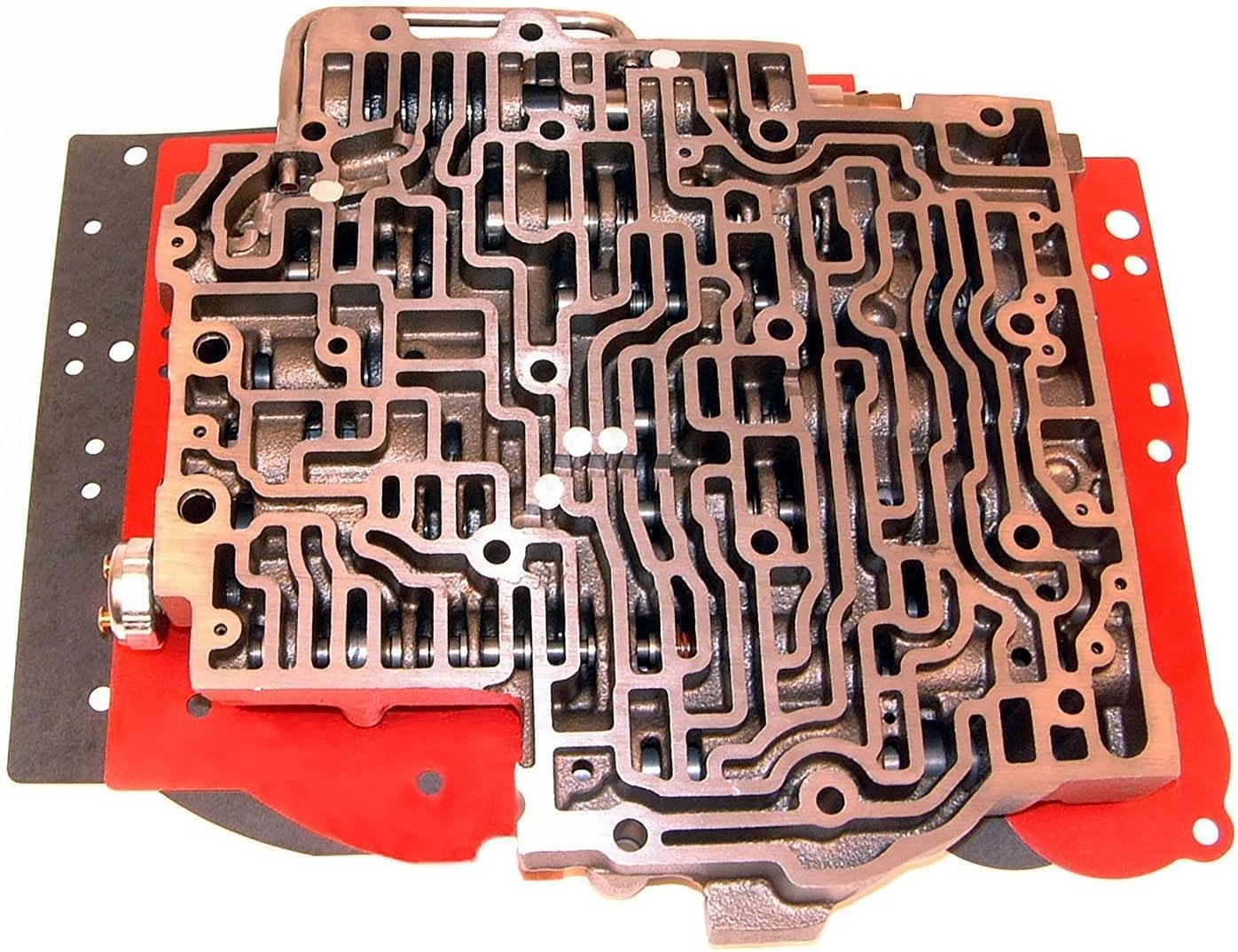
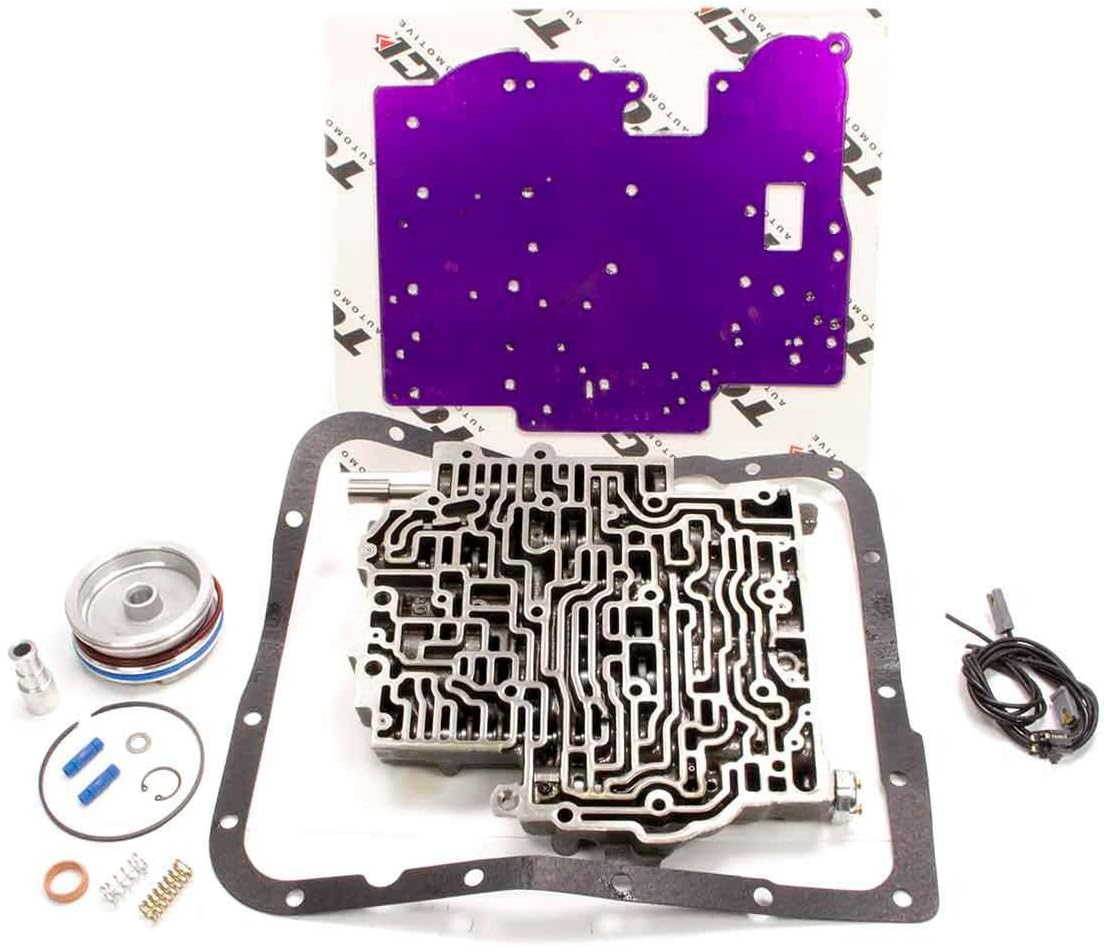
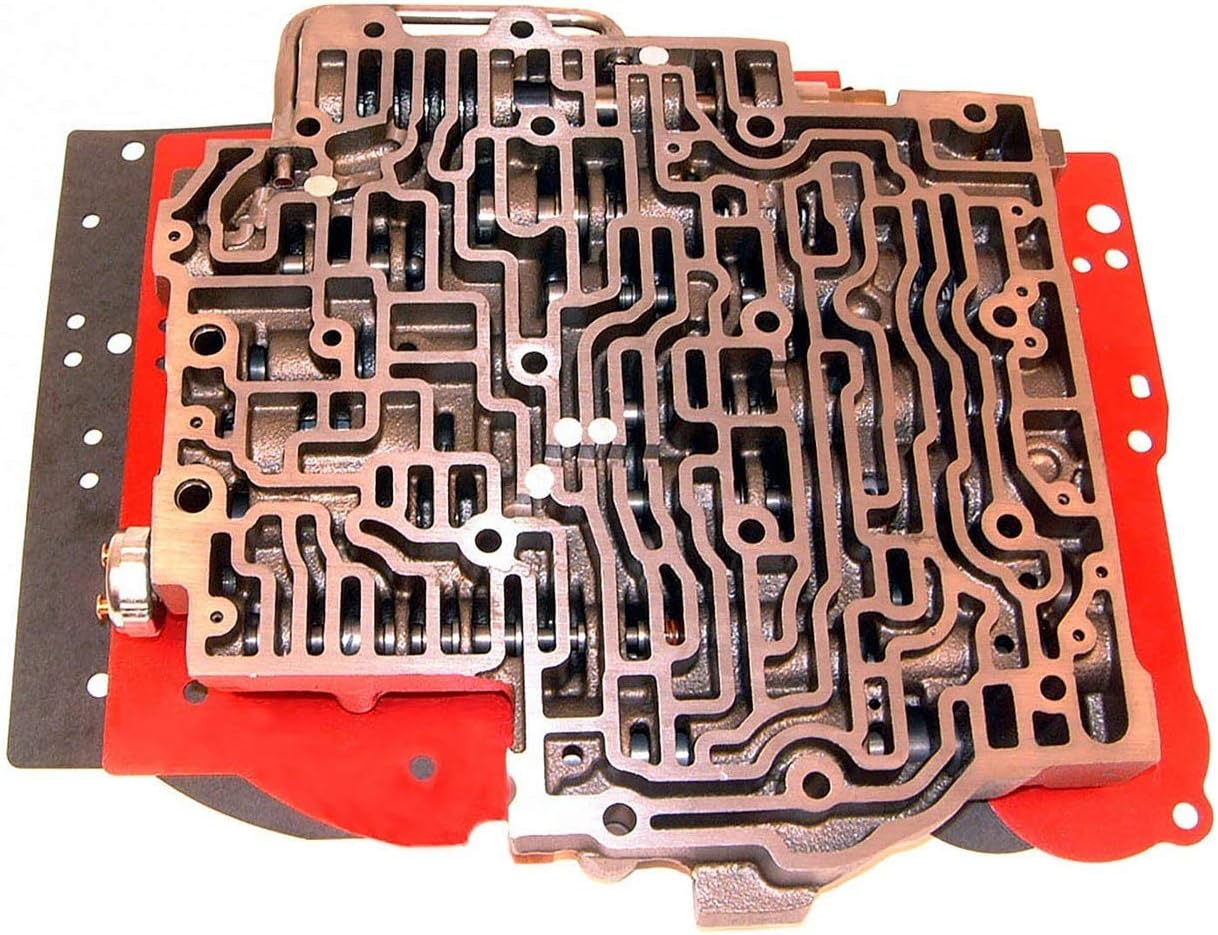
How the 700R4 Valve Body Actually Works
The 700R4 is fully hydraulic. Pump pressure feeds the pressure regulator valve, which sets base line pressure. From there, the throttle valve (TV) raises line pressure in proportion to engine load, the boost valve multiplies pressure in the higher ranges, the governor reports road speed with a hydraulic signal, and the 1-2, 2-3, and 3-4 shift valves use the balance between governor pressure and TV pressure to decide when to shift. Sonnax's 4L60 (700-R4) valve body layout maps every one of these valves and its bore, which is exactly the reference you want on the bench when you are trying to tell a worn valve from a stuck one.
Two things make this transmission unforgiving. First, there is no electronic correction — if a spring is weak or a bore is worn, pressure is simply wrong and stays wrong. Second, the TV cable is not an idle-speed or shift-point adjustment; it is a pressure control. A misadjusted TV cable directly changes line pressure. Get it too loose and the transmission runs low line pressure at part throttle and slips the clutches until they cook.
The TV Cable and Line Pressure Relationship
This is the single most misunderstood part of the 700R4, so it is worth being precise. The TV cable connects the throttle body or carburetor linkage to the throttle valve plunger inside the valve body. As you open the throttle, the cable pushes the TV plunger in, which raises throttle pressure, which raises line pressure. Under light throttle the TV signal is low and line pressure is low; at wide-open throttle the TV signal commands maximum line pressure so the clutches and bands hold under load. The same TV pressure is also what triggers the detent (forced) downshift when you floor it.
So a stretched, sticking, or misadjusted TV cable does three bad things at once: it lowers line pressure when you need it, it kills the WOT detent downshift, and it shifts the whole shift-timing balance. And per Sonnax, the hardware wears too — the stock steel TV plunger reciprocates in an aluminum sleeve and wears that bore, letting throttle-valve feed oil leak past and exhaust, which shows up as poor line rise and no detent downshift even when the cable is adjusted correctly.
Symptoms of a Failing 700R4 Valve Body
These are the complaints that lead back to the valve body, the TV circuit, or the governor:
- Slipping under throttle, then burned frictions. Low line pressure at part or full throttle lets the 3-4 clutches and the bands slip and overheat. Sonnax notes the weak OE pressure regulator spring can cause low line rise and insufficient throttle pressure that ultimately leads to 3-4 clutch failure.
- No WOT (detent) downshift. Floor it and nothing happens — a classic sign of a worn TV plunger/sleeve or a maladjusted TV cable bleeding off throttle pressure.
- Late, early, or erratic shifts. A stuck shift valve or a stuck governor changes when the shift valves trip.
- Only shifts at high RPM, or won't upshift at all. Commonly a sheared governor gear, a broken governor pin, or a stuck governor valve — but a stuck 1-2 shift valve train will do it too.
- Harsh or bang shifts. Too much line pressure — a TV cable adjusted too tight, or a mismatched boost valve/spring combination.
- Soft, mushy, or flaring shifts. Low pressure, worn accumulator circuits, or a leaking boost valve dumping pressure.
The Real Root Causes
1. Worn TV plunger and sleeve
The steel TV plunger wears the aluminum sleeve, throttle feed oil leaks past, and you lose line rise and the detent downshift. Sonnax's throttle valve plunger valve kit addresses this with a harder sleeve and a corrected spring to restore proper line rise.
2. Weak or wrong pressure regulator spring / boost valve
The OE PR spring is on the weak side, and previous rebuilds often install the wrong spring height or rate, which drops base line pressure. A leaking boost valve bleeds off the pressure multiplication in the reverse and higher ranges. Sonnax's line pressure booster and oversized boost/PR valve parts exist specifically to restore that lost control and stop the burned bands and 3-4 clutches that follow.
3. Stuck or worn shift valves and bore wear
Aluminum valve-body bores wear, and valves stick with varnish and debris. A stuck shift valve or a worn separator-plate/accumulator circuit changes shift timing and feel. This is where a Sure Cure-type valve body reconditioning package targets the known problem bores at once instead of chasing them one at a time.
4. Governor faults
The governor is technically outside the valve body, but it feeds the shift valves, so it belongs in the same diagnosis. A sheared governor gear, broken weight/pin, or stuck governor valve produces no-upshift or high-RPM-only shift complaints that look exactly like a valve body problem.
How to Test Your 700R4 Valve Body
Do these in order. The point is to prove whether pressure is right before you pull the pan or buy parts, because the price swings from a cable adjustment to a full teardown.
- Verify the TV cable adjustment first. With the engine off, depress the tab on the TV cable, push the slider all the way toward the firewall to zero it, release the tab, then snap the throttle linkage to wide open once by hand. This re-seats the cable to its correct working length. A cable that reads loose here is your low-pressure and no-detent-downshift cause — fix it before measuring anything else.
- Connect a line pressure gauge. Fit a gauge to the line pressure tap on the case (passenger side, above the pan rail). Warm the transmission to operating temperature and check fluid level on level ground — a low or aerated level reads as a pressure fault.
- Read minimum-TV (idle) line pressure. At idle in the drive ranges, base line pressure should sit in roughly the 60–90 psi range depending on range and calibration; Sonnax notes a correct OE-style PR spring yields about 72 psi idle base pressure with an 82–85 psi cracking point. Well below that means a weak/wrong PR spring, a leaking boost valve, or pump wear.
- Read full-TV (WOT) line pressure. With the brakes applied and the throttle snapped open (brief stall test) or with the TV plunger held to full travel, line pressure should rise sharply — a properly boosted 700R4 typically reaches roughly 150 psi and up in the forward ranges and higher in reverse. If pressure does not rise with throttle, the TV circuit (cable, plunger/sleeve, or boost valve) is the problem, not the clutches.
- Confirm the TV / line pressure relationship. Sweep the throttle from idle to WOT by hand at the linkage and watch the gauge move smoothly upward with it. Pressure that stays flat, jumps erratically, or never reaches full value points to a worn TV plunger/sleeve leaking throttle feed oil, a sticking TV valve, or a bad cable — this is the core valve body test on a hydraulic 700R4.
- Test the governor / road-speed side. On a road test (or a lift with wheels supported), confirm the unit upshifts as speed builds and delivers a detent downshift at WOT. No-upshift or high-RPM-only shifting after pressure checks out points to a sheared governor gear, broken pin, or stuck governor valve — pull and inspect the governor.
- Drop the pan and inspect the valve body. Cut the filter open and read the debris: heavy clutch material and dark, burnt fluid mean the low-pressure damage is already done. With the valve body off, work each shift valve, the TV valve, the PR valve, and the boost valve in their bores — every one should slide free under its own weight with no drag, notches, or stiction. Bind or scoring in a bore is your stuck-valve confirmation.
- Check the separator plate, springs, and accumulators. Confirm the correct springs are installed (wrong-rate PR and TV springs from prior rebuilds are common), the separator plate matches the calibration, and the checkballs are in their correct locations before anything goes back together.
Shop 700R4 valve body kits, TV plunger and boost valve kits, corrected PR springs, governors, 3-4 clutch and band parts, rebuild kits, and the tools to install them — shipped fast from the USA.
Shop 700R4 parts →Repair and Replacement
Once the tests tell you where the fault is, the fix follows the money in this order:
- Cable and adjustment (cheapest). If a maladjusted or stretched TV cable is the whole story and the frictions aren't burned, a correct cable and adjustment restores line pressure and the detent downshift.
- Targeted valve body repair. Replace the worn TV plunger and sleeve, install a corrected PR spring and boost valve, and recondition worn bores. A valve body reconditioning kit like the Sonnax Sure Cure package addresses the known problem circuits together so you're not back in the pan next month.
- Governor service. Replace a sheared governor gear, broken pin, or stuck governor valve while the pan is down.
- Full rebuild (most expensive). If the filter is full of clutch material and the fluid is burnt, the 3-4 pack and bands are already cooked. Fix the pressure cause and replace the burned frictions — installing a fresh clutch pack behind a valve body that still runs low pressure just burns it again.
The rule that saves a 700R4: never replace burned frictions without correcting the pressure fault that burned them. A reman or reconditioned valve body with the right springs, a good TV plunger/sleeve, and a proper boost valve is what keeps the rebuild alive.
Doing the job? Our line pressure testing walkthrough covers the gauge hookup and specs in detail, and browse the rest of the diagnostics blog for related GM overdrive coverage. When you're ready for parts, everything for this job lives on our 700R4 parts page.
Sources
- Sonnax — GM 4L60 (700-R4) Valve Body Layout, the exploded diagram identifying the pressure regulator valve, throttle valve, TV plunger, boost valve, and 1-2/2-3/3-4 shift valves and their bores. sonnax.com/tech_resources/1057-gm-4l60-700-r4-valve-body-layout
- Sonnax — 700-R4 (4L60) Performance Transmission Build Guide, on line pressure, the TV/throttle-pressure relationship, boost valves, and common valve body failure points. sonnax.com/tech_resources/943-700-r4-4l60-performance-transmission-build-guide
- Sonnax — Throttle Valve Plunger Valve Kit (77966-94K), on TV plunger/sleeve wear causing poor line rise and no detent downshift, and the corrected spring/sleeve fix. sonnax.com/parts/2512-throttle-valve-plunger-valve-kit
- Sonnax — Line Pressure Booster Kit (700R4-LB1), on restoring line pressure lost to a weak PR spring and boost valve leakage that leads to burned bands and 3-4 clutches. sonnax.com/parts/2330-line-pressure-booster-kit
- Sonnax — Oversized Throttle Valve (77968), on eliminating throttle-boost oil leakage to reduce burned bands and 3-4 clutches. sonnax.com/parts/1664-oversized-throttle-valve
- Sonnax — The Sure Cure Kit (SC-4L60), a 700R4/4L60 valve body reconditioning package targeting the known worn/leaking bores together. sonnax.com/parts/3028-the-sure-cure-kit