The short answer: a 200-4R pan-drop service with a new filter and gasket runs about $90 to $140 in parts if you do it yourself, and roughly $160 to $280 at an independent shop once labor is added. That is not a big bill. What makes it worth doing on schedule, and worth doing correctly, is that this is a 1981-1990 transmission with no computer backing up a mistake. If you want the full breakdown of exactly which fluid to use and how much the unit actually holds, see our 200-4R overheating prevention guide, which covers the capacity table in detail. This article is about the money: what each job costs, what the labor line is actually paying for, and why a cheap mistake on a mechanically controlled transmission like this one turns expensive faster than it would on a 4L60E or 6L80.
Three different jobs get called a "fluid change"
Before you can price it, figure out which job you are actually buying. They do not move the same amount of fluid and they do not cost the same.
1. Drain and fill
On a stock 200-4R pan there is no drain plug (B&M's 200-4R service instructions note the unit is not factory equipped with one), so this means cracking a corner loose and letting it run out, which is messy and barely cheaper than doing the job right since you are already under the car. It moves whatever fluid sits above the lowest pan corner, which is less than a full pan drop.
2. Pan drop, filter and gasket (the standard service)
Pan off, filter and gasket replaced, magnets cleaned, pan wiped out, refill. A 200-4R pan drop moves roughly 4 quarts out of a 10 to 11 quart dry-fill total, so this is a partial fluid exchange, not a complete one. This is the job most people mean when they ask for a price, and it is the one covered in the parts bill below.
3. Pan drop plus a cooler-line exchange
Same as above, then the return cooler line is disconnected and the engine is run in short bursts while fresh fluid is fed in at the fill tube, pushing more of the old charge out through the converter and cooler. This gets you closer to a full change and costs noticeably more fluid, which is why the quote jumps.
The parts bill, itemized
Here is the real 2026 cost using current prices on parts we stock and current CoreTransmissionParts pricing for the 200-4R-specific filter:
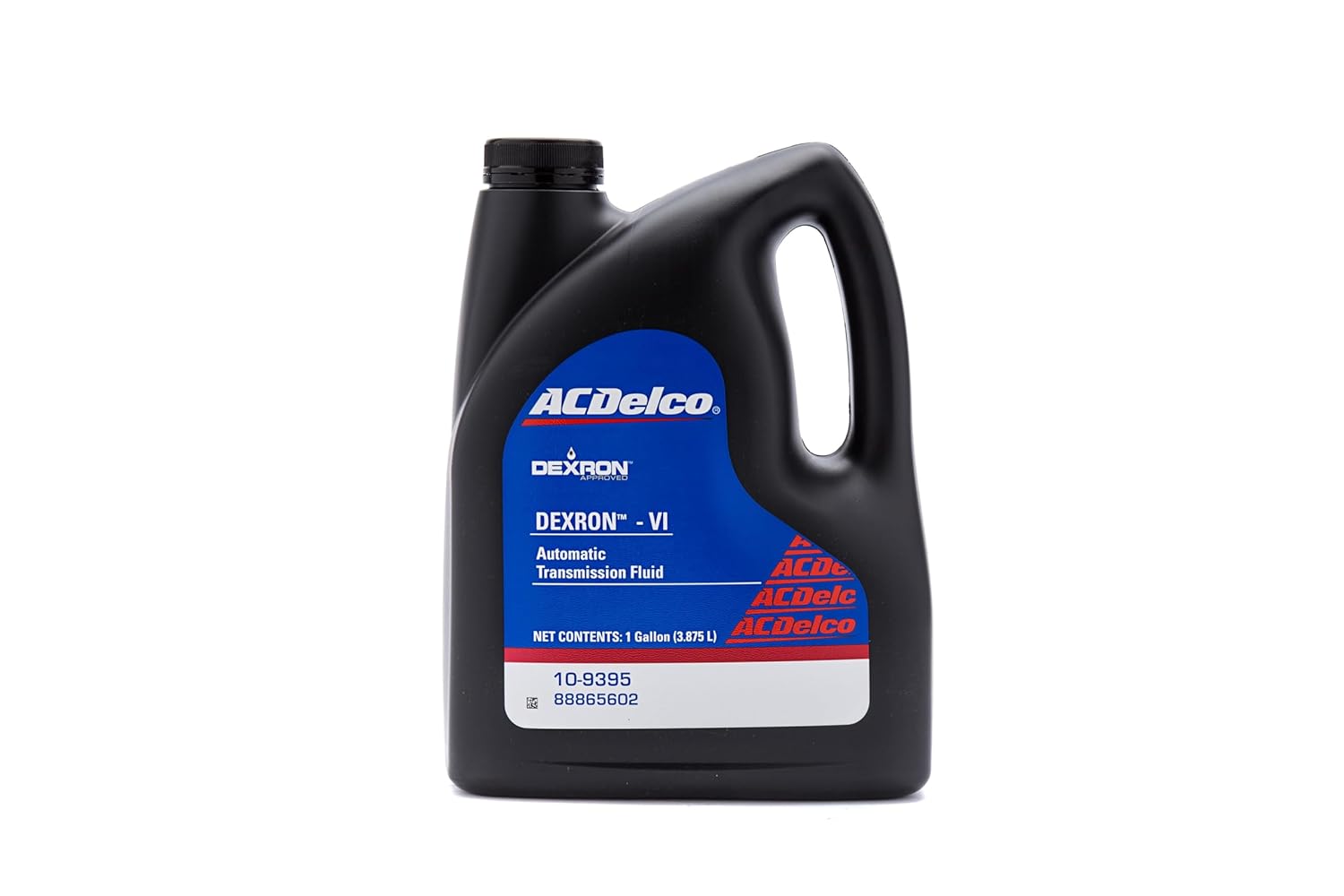
- Licensed DEXRON VI, 1 to 1.5 gallons — ACDelco 10-9395 runs $59.99 per gallon. A pan-drop fill needs roughly 4 quarts, so budget 1 to 1.5 gallons once you account for the hot-check top-off, which is $45 to $70 in fluid. On a transmission this old, that fluid line is most of the bill before anyone touches a wrench.
- Filter and pan gasket — a 200-4R-specific filter kit with gasket runs about $25 to $55 depending on whether you buy the filter alone or a combined filter-and-gasket kit.
- Pan bolts — $0 if yours are clean, roughly $10 to $15 for a fresh set if a few have been rounded off over the decades.
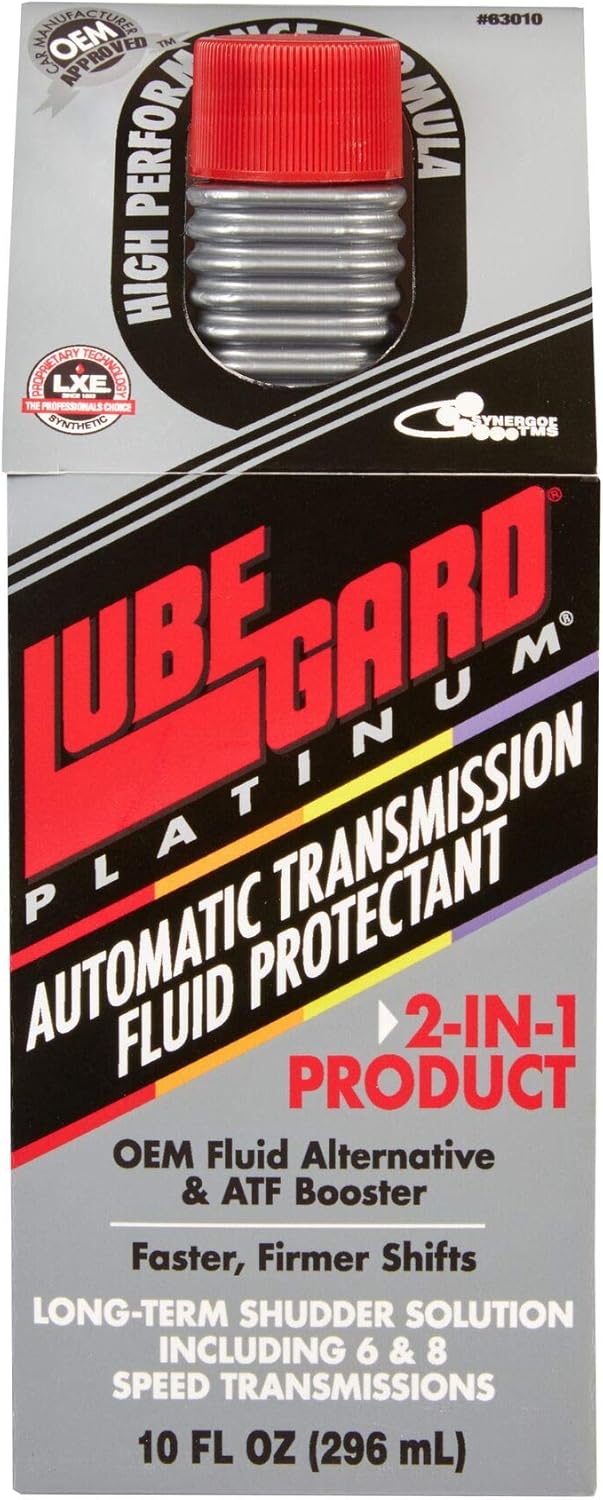
- ATF protectant, if the fluid service is also chasing a minor seal weep or shudder — about $24 for a bottle of Lubegard Platinum, only worth adding if you have a specific symptom to address, not as a routine line item.
Call it $90 to $140 for the full pan service in parts. For a cooler-line exchange, figure another half-gallon to a gallon of fluid, pushing parts to roughly $130 to $180.
What the labor charge is actually buying
A 200-4R pan drop typically books around an hour of shop time, and at prevailing independent-shop labor rates that lands most tickets between $160 and $280 all in, with dealers and specialty shops running higher. What that hour is supposed to cover:
- A flat sealing surface. These pans have been pried on with a screwdriver for forty-plus years on some of these cars. A tech who scrapes the old gasket without gouging the case, and checks the rail for high spots before the new gasket goes on, saves you a return trip for a leak.
- Correct, even bolt torque. The 200-4R's pan is a stamped-steel piece that flexes easily under uneven torque. Overtightening one corner while the rest sit loose is the single most common way a "serviced" pan weeps within a week. A cross pattern, tightened gradually and evenly, is the right technique regardless of which torque number the specific pan calls for. B&M's 200-4R instructions add two rules worth following: no gasket sealer or silicone on the pan gasket, and an overtightened bolt deforms the gasket and causes the leak you were trying to avoid.
- A real hot check, not a cold guess. Checking level cold on a unit this old gets you close enough to drive it to a proper hot check, not a final answer. The correct procedure is fluid at normal operating temperature, engine running, vehicle level, checked on the dipstick's hot band, the same hot-check discipline GM specifies across its RWD automatic transmission line.
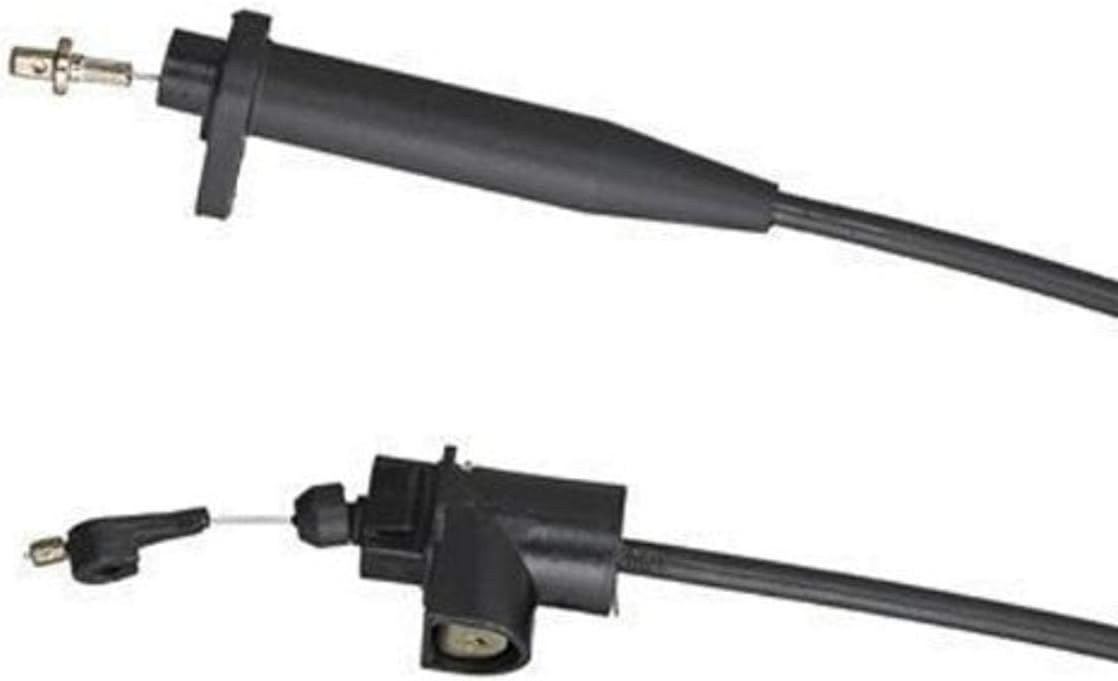
- TV cable freeplay and routing. Because this unit has no electronic pressure control, a tech worth paying checks TV cable adjustment and routing at every fluid service. A cable that is slack, kinked, or misrouted starves line pressure the same way a clogged filter does.
- Reading the pan before it goes back on. Gray fuzz on the magnet is normal wear. Bronze glitter or black material that smears between your fingers is a different conversation, and a good tech tells you that before putting fresh fluid in a unit that is already coming apart.
Why skimping on this job costs more on a 200-4R than on a computer-controlled transmission
This is the part that is easy to miss if you are comparing prices against a newer unit. The 200-4R has no PCM and no electronic pressure control solenoid. Line pressure, shift feel, and Reverse boost all come from mechanical circuits fed by the TV cable and the governor, with nothing watching to compensate when something starts choking pressure. Sonnax's own technical documentation on this transmission's Reverse boost valve describes exactly this kind of failure: as the transmission reaches operating temperature, differential thermal expansion between the steel valve and the aluminum pump bore lets the boost valve sleeve develop excessive clearance and scrub the bore, producing low Reverse boost, delayed Reverse engagement, and reduced line pressure overall. Sonnax's fix is a hardened-steel, oversized replacement valve and sleeve kit (K77898A) specifically because the factory tolerance stack in that bore does not hold up over decades of thermal cycling.
The point is not that a fluid change fixes a worn boost valve bore — it does not. The point is that a transmission built this way has no computer to mask a second problem stacking on top of the first. A filter that is starting to load up, or fluid whose additive package has already broken down, removes margin from a hydraulic system that already has less margin than a 4L60E or 700R4 with an electronically commanded EPC solenoid behind it.
ATF chemistry: why this is not cosmetic maintenance
GEARS Magazine, published by ATRA, breaks down why the fluid itself has a service life independent of leaks or wear. Additive packages make up roughly 5 to 15 percent of the fluid by volume, and heat drives a chemical reaction in the base oil that produces varnish, sludge, and acids as that package depletes. The same article notes clutch surface temperatures can exceed 650°F in normal operation. That is the real argument for a scheduled change rather than waiting for a symptom: you are replacing a depleted additive package before its breakdown products start plating out in the valve body and the cooler, not reacting to a problem that has already started.
What fluid actually goes in, and why DEXRON VI is correct on a 1980s transmission
The 200-4R was factory-filled with DEXRON II, later DEXRON III. General Motors' current global service-fill specification, documented in SAE technical paper 2006-01-3242, establishes DEXRON VI as the backward-compatible successor to those earlier fluids, meaning a licensed DEXRON VI product is correct, factory-equivalent service fluid for this transmission rather than a modern compromise. Castrol's own Transmax DEXRON-VI product data sheet confirms the same backward-compatibility claim from the fluid-maker side. Buy a licensed DEXRON VI product, not a generic "multi-vehicle" bottle with no GM license number on the label, and the fluid side of this job is correct.
When to flush the cooler, and when that money is wasted
Transmission Digest's coverage of cooler contamination makes a point worth paying for: contaminated coolers and lines, left untouched after a transmission failure, are a frequent cause of premature failure in the replacement unit. The debris, metal shavings and sludge from the old failure sit in the radiator-mounted cooler and get pulled straight back into the new transmission the moment it starts pumping. If you are installing a rebuilt 200-4R, flushing the cooler and lines first is cheap insurance against killing the new unit with the old one's debris.
What it is not good for is masking a slipping, already-failing transmission. A bottle of flush fluid will not un-burn a clutch pack, and running one through a unit that already has metal in the pan risks pushing that debris somewhere worse. Catch the output in a clear container: heavy metal content means the cooler itself should be replaced, not cleaned.
Where the money is well spent, and where it is not
- Well spent: the TV cable check that should happen at every fluid service. It costs nothing but a few minutes to inspect, and a replacement cable like the ATP Y-228 is under $40. A slack or misadjusted cable starves the whole transmission of pressure on a unit that has no computer to compensate.
- Well spent: a licensed DEXRON VI fill from a name-brand supplier. The fluid line is most of the parts bill on this job, and this is not where to save five dollars with an unlicensed bottle.
- Wasted: a cooler flush or an additive bottle on a transmission that is already slipping or has delayed Reverse engagement. Fix the leak or the worn boost valve bore first; fluid work on top of an active failure just delays an honest diagnosis.
- Wasted: premium fluid on a schedule that never happens. The most expensive DEXRON VI on the shelf does nothing if the transmission goes 60,000-plus miles between services on a unit with no electronic pressure compensation to buy it time.
Bottom line on cost
- DIY pan drop, filter, 1 to 1.5 gallons of licensed DEXRON VI: about $90 to $140 in parts.
- Independent shop, same service: roughly $160 to $280 depending on local labor rate.
- Pan drop plus cooler-line exchange: add a half-gallon to a gallon of fluid, so $130 to $180 in parts, commonly $280 to $400 done for you.
- TV cable replacement at the same visit, if worn: add about $40 in parts, offset by the line-pressure problems it prevents.
Compared against a 200-4R rebuild, this is cheap insurance on a healthy unit. On a unit that already has delayed Reverse or a slipping 3-4 shift, fresh fluid is money spent on the wrong repair. The pan, and the TV cable, tell you which one you have within the first twenty minutes of the job.
FAQ
How much does a 200-4R fluid change cost?
A standard pan-drop service with a new filter and gasket runs about $90 to $140 in parts if you do it yourself, and roughly $160 to $280 at an independent shop once labor is added. A pan drop plus a cooler-line exchange, which moves more of the total fluid charge, typically adds another $40 to $80 in fluid and pushes a shop ticket toward $280 to $400.
How much fluid does a 200-4R pan drop take?
Roughly 4 quarts on a stock pan for a plain pan drop. If the valve body also comes off, which dumps the oil held in the valve body, B&M puts the refill at about 6 quarts. Total dry-fill capacity with a stock pan and converter runs 10 to 11 quarts, but that number is a shop figure rather than a published factory spec, and it moves with pan depth and converter size. A pan drop only exchanges a fraction of that total charge.
What fluid should I use in a 200-4R?
A licensed DEXRON VI fill is the correct, current service fluid. General Motors' own global service-fill specification establishes DEXRON VI as backward compatible with the earlier DEXRON II and DEXRON III fluids the 200-4R was originally factory-filled with, so a modern DEXRON VI product from a licensed supplier is factory-equivalent service fluid rather than a compromise.
Is a fluid change worth it on an old, high-mileage 200-4R?
It depends on what comes out of the pan. Normal gray fuzz on the magnet means service it and keep driving. Bronze glitter or black clutch material in the pan means fresh fluid will not fix what is actually wrong, and the money is better spent diagnosing the clutch packs and the TV boost circuit instead of paying for a service on a unit that is already failing.
Why does a worn TV cable matter during a 200-4R fluid service?
The 200-4R has no PCM. Line pressure and shift feel come from a mechanical throttle valve (TV) cable and governor circuit, and Sonnax's own technical documentation on this transmission's Reverse boost valve shows how worn clearances in that hydraulic section directly reduce boost pressure and delay engagement. A fluid change is the natural time to check cable freeplay and routing, because a degraded cable undermines the benefit of fresh fluid.
Sources
- Sonnax — "2940 Reverse Boost Valve Kit," technical product documentation for GM 200-4R and 4L60/700R4. Backs the thermal-expansion wear mechanism in the Reverse boost valve sleeve and bore, the resulting symptoms (low Reverse boost, delayed Reverse engagement, reduced line pressure, poor manual-low upshifts), and the hardened-steel oversized valve kit (K77898A) used to correct it. sonnax.com
- SAE International — "General Motors DEXRON-VI Global Service-Fill Specification," technical paper 2006-01-3242. Backs DEXRON VI's status as GM's current global service-fill specification and its backward compatibility with the DEXRON II and DEXRON III fluids earlier GM transmissions, including the 200-4R, were originally filled with. saemobilus.sae.org
- Castrol — Transmax Dexron-VI Automatic Transmission Fluid Product Data Sheet. Backs Dexron-VI's licensed backward compatibility with legacy GM fluid specifications from the fluid-maker side, confirming a current Dexron-VI fill is correct, factory-equivalent service fluid for a 200-4R. petroleumservicecompany.com
- GEARS Magazine (ATRA) — "The One, Two, Threes of ATFs, Part I." Backs the fluid chemistry facts: additive packages composing roughly 5 to 15 percent of ATF by volume, heat-driven oxidation of the base oil producing varnish, sludge and acids, and clutch surface temperatures exceeding 650°F in normal service. gearsmagazine.com
- Transmission Digest — "To Flush Or Not To Flush," Pat Barrow (Lubegard). Backs the guidance that contaminated coolers and lines left over from a prior failure are a frequent cause of premature failure in a replacement transmission, and the practice of catching flush output in a clear container to judge contamination before deciding whether to clean or replace the cooler. transmissiondigest.com
- B&M Racing & Performance — Shift Improver Kit 35265 installation instructions, 1981-90 THM200-4R. Backs the absence of a factory drain plug, the no-sealer pan gasket rule and overtightening warning, and the roughly 6-quart refill after a pan and valve body job. B&M instructions (PDF)