The complaint on a 200-4R almost always shows up the same way: a Grand National, a Cutlass, a Caprice or a 9C1 that drives fine around town, then starts shaking right as it settles into cruise. The owner says it feels like the wheels are out of balance, except it only happens at one speed and it comes and goes. On a car built with a 200-4R, that is almost never the tires. It is the torque converter clutch (TCC) grabbing unevenly, and the good news is that this transmission's lockup system is simple enough to diagnose with a road test and a process of elimination instead of a scan tool.

Why the 200-4R Shudders Differently Than a Modern Unit
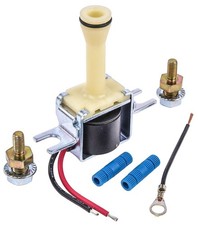
Most of what gets written about torque converter shudder today describes a slip-controlled clutch: a PWM solenoid holds the converter in a small, deliberately-commanded slip band, and a scan tool graphs that slip in real time. The 200-4R does not work that way. Its torque converter clutch applies through a non-PWM hydraulic circuit triggered by a single electric TCC solenoid, which gets its switched 12-volt signal from a pressure switch in the valve body once the transmission reaches its lockup gear. It is either locked or it is not. There is no commanded slip to graph, which means you diagnose this unit the way techs diagnosed it when it was new: by road test, by process of elimination, and by knowing the two or three places this specific transmission actually fails.
That also means the generic advice to "pull TCC slip data" does not apply here, and chasing it will cost you time. What you can still borrow from modern shudder diagnosis is the logic, not the tool: confirm the vibration lives and dies with the lockup event itself before you touch anything mechanical.
Step One: Prove It Is the Converter Clutch
Per ATRA's Shudder Diagnosis article in GEARS, the first move with any shudder complaint is to pin down exactly when it happens: vehicle speed, gear, engine rpm and throttle input. Then use the brake pedal to test it. Get the car to the speed and throttle position where the shudder shows up, hold steady, then lightly touch the brake pedal without killing much speed. On a 200-4R the brake switch opens the TCC circuit and drops the clutch out. If the shudder stops the instant the clutch releases and comes back when it reapplies, you are looking at the converter clutch. If it does not change, stop here and look elsewhere.
GM's TechLink article Diagnosing a Shudder Vibration Condition gives the sorting rule for "elsewhere": a vibration that follows engine speed points at misfire or chuggle, one that follows road speed points at tires, and one that follows driveshaft speed is a driveline problem, not converter clutch shudder. For the engine side, GEARS recommends watching Mode 6 misfire counts per cylinder on OBD-II engines while reproducing the complaint, and inspecting engine and transmission mounts for cracked rubber and movement under torque. For the driveline side, measure U-joint angles: Spicer calls for at least one-half degree at each joint, the two ends of the shaft within one degree of each other, and 3 degrees or less for vibration-free running.
On a 200-4R, also note which gear it happens in. These units commonly apply lockup at steady highway cruise once the transmission has already shifted into its top gears, so a shudder that only appears well after the 2-3 and 3-4 shifts, at a consistent road speed, and that disappears on any throttle change, fits the TCC pattern described above.
Step Two: Rule Out Fluid First
Fluid condition is the cheapest and most commonly overlooked cause of lockup shudder on any transmission, the 200-4R included. The friction modifiers blended into automatic transmission fluid exist specifically to let a lockup clutch apply smoothly instead of chattering against its mating surface, and those modifiers are consumed by heat and mileage over the life of a fill. Valvoline's own product data sheet for its Dex/Merc-spec ATF states that its friction modifiers and premium base oils are formulated to "improve smooth shifting, eliminate slippage and shudder, prevent clutch wear and improve drivability longer than conventional fluids" — which is another way of saying that depleted friction modifiers in old fluid are a direct, documented cause of the chatter you are chasing.
Drop the pan, inspect it for friction material and metal, change the filter, and refill with a fresh Dexron III or Dexron VI-compatible, friction-modified ATF rated for GM applications. On a transmission this old there is no scan-tool relearn to run afterward; just road test it under the same conditions that produced the complaint. A fluid service alone resolves a real share of these complaints, and it is always the right first step before anything gets pulled apart.
200-4R Banner Rebuild Kit
If the pan drop turns up burnt frictions or metal instead of just tired fluid, this is the full gasket, seal and friction kit to do the job right the first time rather than chasing it piece by piece.
View the rebuild kit →Step Three: Check the Apply Valve Bore
If fresh fluid does not clear the shudder, or if the complaint is paired with inconsistent lockup behavior rather than a clean chatter, the next suspect is the TCC apply valve in the pump. Sonnax's own listing for the 200-4R documents a specific symptom cluster tied to this valve's bore wearing out of tolerance: no lockup at all, the converter falling out of lockup once the fluid gets hot, and lockup applying immediately after the 2-3 shift instead of waiting for the proper gear and speed window. As the aluminum bore wears, converter signal oil and converter feed oil cross-leak past the valve, so the apply circuit cannot hold a clean, controlled state once the fluid thins with heat — and an apply that is hunting between on and off feels exactly like a shudder at the speed where it is right on the edge.
Sonnax sells a direct fix for this specific failure: part number 77805-K, a hardened steel replacement valve with a PTFE seal that drops into the worn bore and restores the sealed fit, for non-PWM 200-4R, 4L60 and 4L60-E pumps. It is a bench repair done with the pump apart, not a full rebuild by itself, which is why it is worth ruling fluid out first — there is no point pulling the pump if a fluid and filter service was always going to fix it.
| Symptom | Likely cause | Where to look |
|---|---|---|
| Shudder only during lockup, clean fluid, recent fluid service | TCC apply valve bore wear | Pump assembly, Sonnax 77805-K territory |
| Shudder plus falls out of lockup once fully warmed up | Apply valve cross-leak worsening with fluid viscosity drop at temp | Pump assembly |
| Lockup applies right after the 2-3 shift instead of at cruise | Signal oil leaking into the apply circuit early | Pump assembly |
| Shudder clears noticeably after a fluid and filter service | Depleted friction modifier in old ATF | Fluid and filter, no parts needed |
| No lockup ever, no shudder, just never locks | Open TCC solenoid circuit or dead solenoid | Wiring, pressure switch, TCC solenoid |
Step Four: Check the Electrical Side
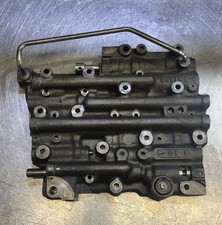
The 200-4R's TCC solenoid needs a clean switched 12-volt signal, triggered through a pressure switch in the valve body once the transmission reaches its lockup gear, to apply the clutch at all. A solenoid or wiring problem more commonly shows up as no lockup, a hard bang into lockup, or lockup that will not release, rather than a smooth-sounding shudder — but a solenoid that is partially sticking can produce an apply that hunts, which feels similar to the hydraulic bore-wear symptom above. Confirm the solenoid is getting power and ground at the connector during the lockup window before you condemn it, and check that the pressure switch and wiring have not been disturbed by a prior repair. If you are installing a 200-4R or 700R4 behind an engine that never ran factory transmission wiring, there is no lockup signal at all until that circuit is built, which produces a transmission that runs hot and slips on the highway rather than a shudder.
The Order I Work It
- Road test and confirm the vibration lives and dies with the lockup event using the brake-apply test. Rule out mounts, ignition and driveshaft balance if it does not change.
- Service the pan, filter and fluid with a fresh, friction-modified Dexron III/VI-compatible ATF. Re-test under the same conditions. A large share of these resolve here.
- If the shudder persists or lockup behavior is inconsistent (falls out hot, applies early), pull the pump and inspect the TCC apply valve bore. Fit a Sonnax 77805-K if the bore is worn.
- If lockup will not apply at all rather than shuddering, move to the electrical side: solenoid, pressure switch and wiring before condemning the converter.
- Only after fluid, the apply valve and the electrical circuit are confirmed good should the torque converter itself be suspected for a worn or glazed lockup clutch surface.
Worked in that order, a 200-4R shudder complaint is a cheap fix most of the time and a known bench repair the rest of the time. The expensive mistake is swapping the converter first because it is the easy part to blame, when the actual failure is a $20 bottle of fluid or a valve kit that costs a fraction of converter labor.
Shop 200-4R TCC solenoids, valve bodies, pumps and rebuild kits — shipped fast from the USA.
Shop 200-4R parts →FAQ
Why does my 200-4R shudder only when the converter locks up?
Because the shudder is coming from the lockup clutch inside the converter, not from the gear train. The 200-4R's torque converter clutch is a simple on/off apply, not a slip-controlled clutch, so when the apply piston grabs unevenly against a glazed friction surface or against fluid that has lost its friction modifier, you feel a shake that starts the instant the clutch applies and stops the instant it releases. If the shudder tracked vehicle speed or engine load instead of the lockup event itself, it would point at a driveline or engine problem rather than the converter.
Can a fluid change fix torque converter shudder on a 200-4R?
Often, yes, and it is always the cheapest thing to try first. The friction modifiers in automatic transmission fluid are what let a lockup clutch apply smoothly instead of chattering, and those modifiers deplete with heat and mileage. A full fluid and filter service with a fresh Dexron III/Dexron VI-compatible, friction-modified ATF clears up a meaningful share of 200-4R shudder complaints on its own, before anything is pulled apart.
What does it mean if the 200-4R falls out of lockup when the fluid gets hot?
That symptom, along with no lockup at all or lockup engaging immediately after the transmission shifts into 2nd gear, is the published symptom set for a worn TCC apply valve bore in the 200-4R, 4L60 and 4L60-E pump. As the bore wears, converter signal oil and converter feed oil cross-leak past the valve, so the apply circuit cannot hold a clean on/off state once the fluid thins out with heat. This is a hydraulic fix, not a converter replacement.
How do I tell if 200-4R shudder is the converter clutch and not an engine miss or a bad motor mount?
Reproduce the shudder at a steady speed, then lightly touch the brake pedal without dropping vehicle speed much. A light brake tap raises load on the engine enough that most TCU and ECM lockup strategies release the converter clutch; if the shudder stops the moment the clutch releases and returns when it reapplies, the converter clutch is the source. If the shake keeps going through the brake tap, check motor and transmission mounts, spark plugs, and driveshaft balance before you touch the transmission.
Is 200-4R torque converter shudder covered by a TCC solenoid replacement?
Only if the solenoid itself is the failure. A dead or sticking TCC solenoid more commonly causes no lockup at all, a harsh bang into lockup, or lockup that will not release, rather than a steady shudder. Before replacing the solenoid, confirm it is getting a clean switched signal and that resistance is not wildly out of range for a known-good unit, since a bad hydraulic apply valve or depleted fluid produces the same drivability complaint for a lot less money.
Related guides
- 200-4R Common Problems and Fixes
- 200-4R Harsh Delayed Shifts
- 200-4R Overheating Prevention
- 200-4R Fluid Change Cost
- 200-4R vs 700R4 Differences
Sources
- ATRA (Automatic Transmission Rebuilders Association) — GEARS Magazine, "Shudder Diagnosis," April 2023. Backs recording speed, gear, engine rpm and throttle input before condemning any part, the Mode 6 per-cylinder misfire check, the engine and transmission mount inspection, and lockup slip and clutch surface condition as root-cause families behind shudder complaints. gearsmagazine.com
- GM TechLink — "Diagnosing a Shudder Vibration Condition." Backs sorting a vibration by whether it follows engine speed (misfire, chuggle), road speed (tires) or driveshaft speed (driveline), and that a driveshaft-speed vibration is not converter clutch shudder. gm-techlink.com
- Spicer (Dana) — Driveline Operating Angle Calculator. Backs the one-half degree minimum U-joint operating angle, the one-degree maximum difference between the two ends of a driveshaft, and the 3-degree vibration-free guideline. spicerparts.com
- Sonnax — GM 200-4R Transmission unit reference page. Backs the published 200-4R TCC symptom list used in this article: no lockup, falls out of lockup once hot, and lockup applying immediately after the 2nd-gear shift, all tied to the pump's TCC apply valve bore. sonnax.com
- Sonnax — TCC Apply Valve Kit 77805-K product page. Backs the specific failure mechanism (excessive bore-to-valve clearance letting TCC signal oil and converter feed oil cross-leak), the resulting no-lockup/falls-out-of-lockup/early-lockup symptom set, the hardened-steel valve and PTFE seal repair, and the non-PWM 200-4R/4L60/4L60-E application scope. sonnax.com
- Valvoline — Dex/Merc Automatic Transmission Fluid Product Data Sheet. Backs the role of friction modifiers in ATF specifically eliminating slippage and shudder and preventing clutch wear, and the GM Dexron III/Ford Mercon qualification relevant to the 200-4R's factory fluid specification. cdn.shopify.com (Valvoline)