A 4L60E that runs hot rarely has a cooler problem. It usually has a heat problem the cooler cannot keep up with, or a hydraulic problem that is keeping fluid from ever reaching the cooler. The job is to figure out which of three things is wrong: the unit is making too much heat, the heat is not getting carried out, or the temperature reading itself is wrong.
The short version: GM's 2006 Silverado owner's manual puts normal transmission operating temperature at 180-200°F, with the TRANSMISSION HOT message and a protection shift mode at about 265°F. GM 4L60-E service information sets P0218 when fluid stays above 266°F (130°C) for 10 minutes, and it does not turn on the check engine light, so check history codes. Rule out a bad TFT sensor (P0711) first, then set the fluid level correctly, flow-test the cooler circuit, check line pressure, and check the converter stator and TCC slip. Most real 4L60E heat comes from converter slip or from converter feed oil being choked off in the pump by the pressure regulator or TCC apply valve.
How Heat Leaves a 4L60E
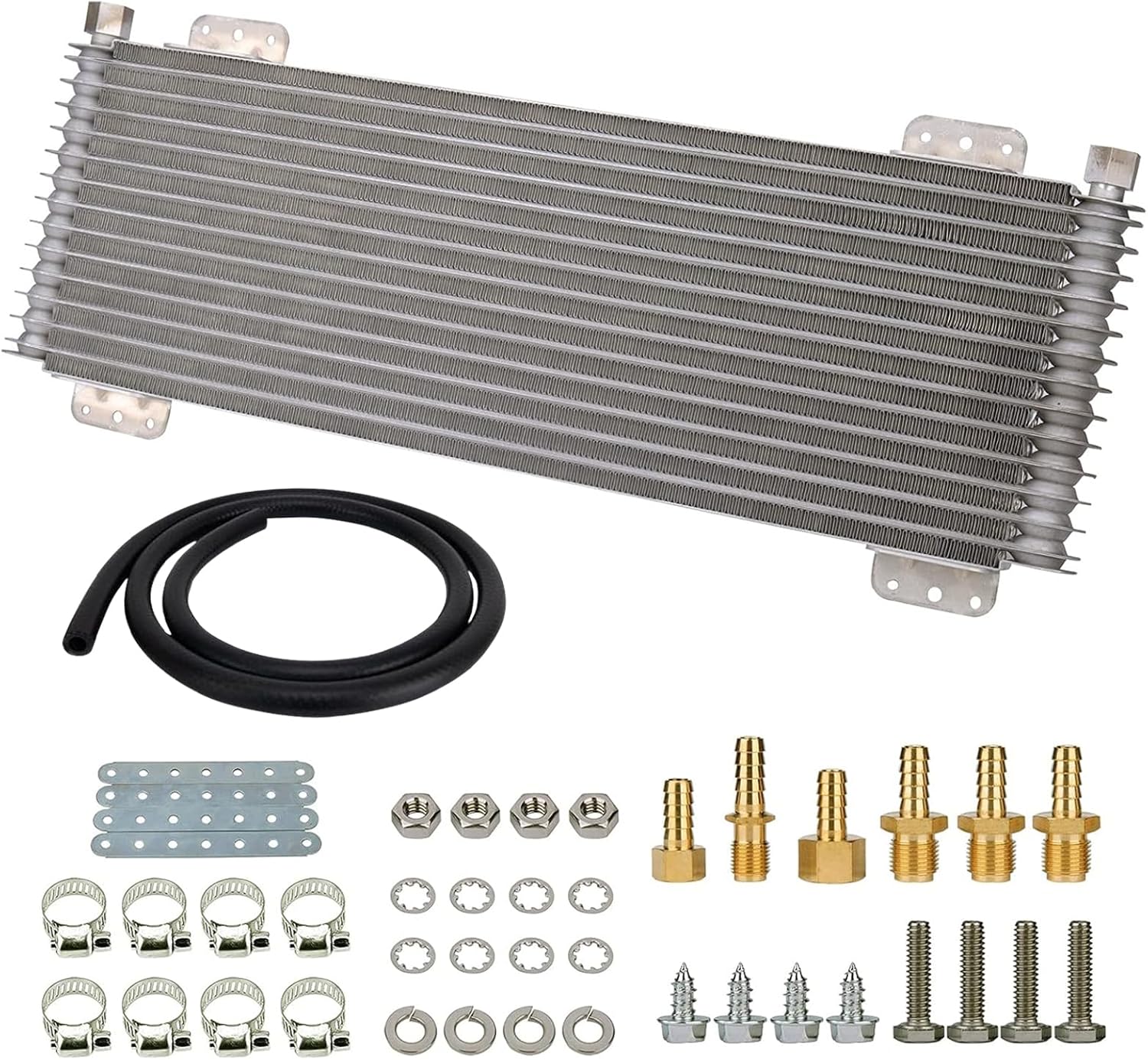
You cannot diagnose a hot unit without knowing the oil path. GM's 4L60-E service information describes it this way: the pump draws fluid from the pan through the filter and sends it to the pressure regulator valve, which becomes the main supply for the hydraulic circuits. Hot fluid leaving the torque converter flows through the converter clutch apply valve and into the cooler lines, through the radiator cooler and the auxiliary cooler if equipped, and then comes back to cool and lubricate the front of the transmission. The rear lube circuit is fed separately by D4 oil through an orificed cup plug in the back of the case.
Two things in that description matter for heat. First, the converter is where most of the heat is made, and the cooler is downstream of it. Second, every drop of converter and cooler oil has to get past two valves in the pump cover first: the pressure regulator and the TCC apply valve.
Sonnax's Gregg Nader explains why in "Anatomy of a Transmission." The pressure regulator valve works as a priority valve: it takes care of line pressure first and sends what is left to the converter, cooler, and lube. When the valve is pushed out of its regulating position, converter charge and lube oil are restricted or cut off. A momentary drop during a shift is normal. When the valve stays out of balance, the result is converter overheating, TCC slip, or lube failure. Nader notes the hardest condition on the pump is hot, at idle, in reverse, and lists the evidence you have probably seen on a teardown: melted planets, a black ring on the front of the converter, or burned and peeling converter paint.
Step 1: Make Sure the Temperature Is Real
Before you chase heat, confirm the number. On the 4L60-E, the transmission fluid temperature (TFT) sensor is a negative temperature coefficient thermistor built into the TFP manual valve position switch, also called the pressure switch assembly. The PCM supplies a 5-volt reference; as fluid warms, resistance and signal voltage fall.
GM lists these nominal resistance values. You can check them at the 20-pin connector against a known fluid temperature:
| Fluid temperature | TFT resistance (nominal) |
|---|---|
| 68°F (20°C) | 3,515 ohms |
| 122°F (50°C) | 973 ohms |
| 176°F (80°C) | 332 ohms |
| 212°F (100°C) | 177 ohms |
| 248°F (120°C) | 99.9 ohms |
| 266°F (130°C) | 76.8 ohms |
| 302°F (150°C) | 47.2 ohms |
Codes to look for:
- P0712 (low input): TFT signal under 0.2 volt, a short to ground in the circuit or sensor.
- P0713 (high input): signal above 4.92 volts, an open or short to voltage.
- P0711 (range/performance): TFT does not change more than 2.7°F in the first 7 minutes after a cold start, or jumps more than 36°F in 0.2 second 14 times within 7 seconds.
GM's diagnostic aids for P0218 say the overtemperature code can set 10 minutes after P0711 sets, and that P0218 will most likely go away once P0711 is repaired. So a truck with both codes may not be hot at all. TFT should climb steadily and then level off.
Step 2: Understand What the PCM Does When It Gets Hot
GM's owner's manual for the 2006 Silverado describes the driver-facing side: normal operating range is 180°F to about 200°F. At approximately 265°F the driver information center shows TRANSMISSION HOT and the transmission enters a protection mode, and the customer may notice the shift pattern change. Shifting returns to normal when fluid drops below 260°F.
On the service side, GM sets P0218 Transmission Fluid Overtemperature when fluid is above 266°F (130°C) for 10 minutes, as long as no TFT sensor codes are present. The PCM does not turn on the MIL, freezes shift adapts from updating, and records the code in history. Several other 4L60-E codes in the same service information list "inhibits 4th gear in hot mode" as a control module action, so a customer who says it "would not go into overdrive when it got hot" may be describing exactly that.
Step 3: Work GM's P0218 Checklist in Order
GM's P0218 diagnostic procedure is short and it is in the right order. After the OBD system check:
- Fluid level. Correct it if needed.
- Cooling system restrictions. Check the engine and transmission cooling system for blockage or debris, cooler lines for damage, and cooler flow.
- Line pressure. Check it per the overhaul performance tests.
- Torque converter stator. Check it per the performance tests.
- Verify. Drive at least 10 minutes at operating temperature and confirm TFT stabilizes below 264°F (129°C).
Fluid level, both directions
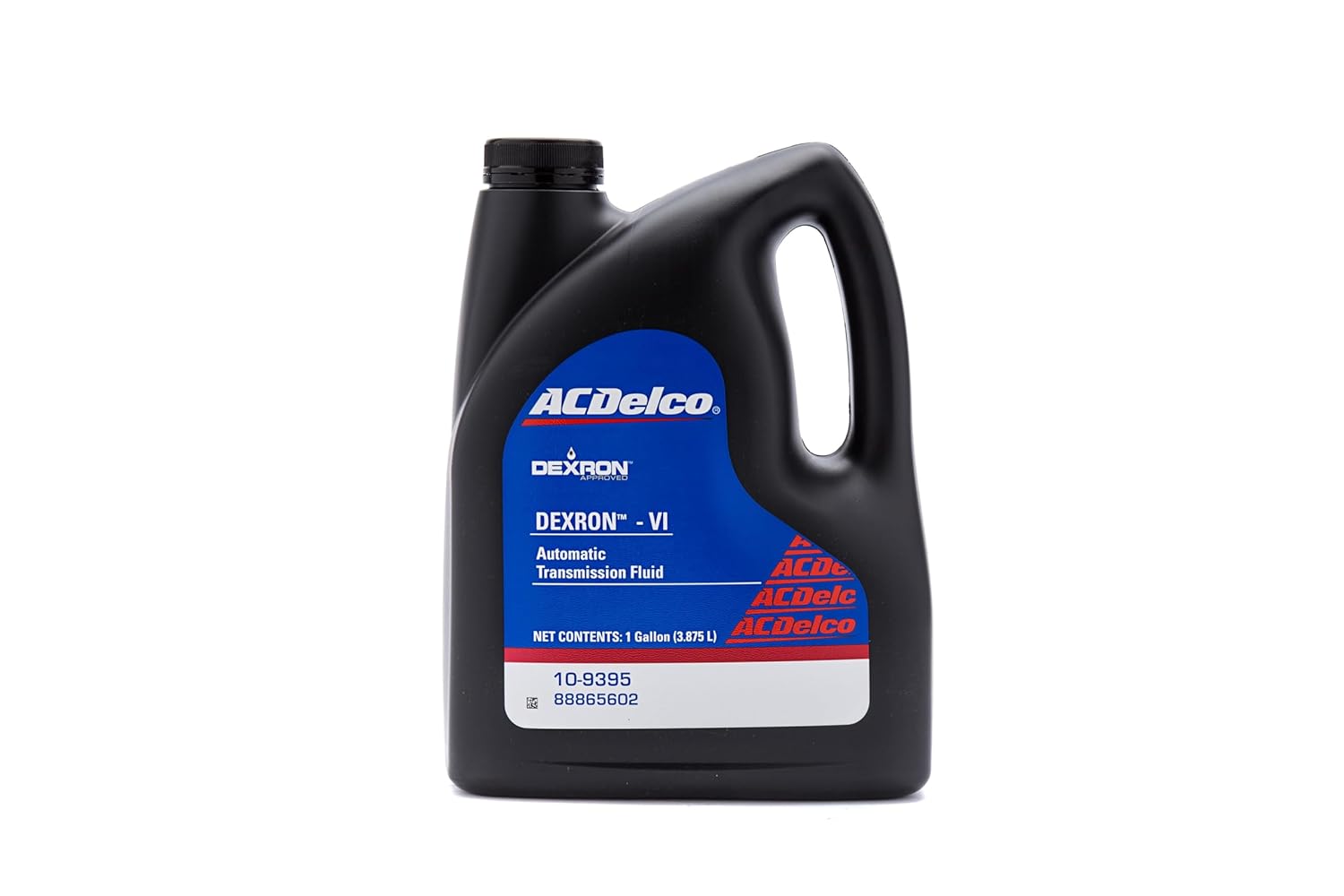
The Silverado owner's manual lists both low and high fluid level as causes of high transmission temperature, along with towing, hot weather, overloading, and restricted air flow to the radiator and auxiliary cooler. Low fluid lets the pump pull air and starves the converter circuit. Overfill lets rotating parts churn the fluid. Check the level at operating temperature with the correct dipstick. On swapped units and mixed-part builds, make sure the pan, dipstick, and tube all came off the same vehicle, because a mismatched stick can read full on a unit that is short on fluid. Use DEXRON-VI, which GM specifies for these automatics in that manual. Our 4L60E fluid type and capacity guide has the fill numbers.
Cooler flow, not just a clean cooler
GM Bulletin 02-07-30-052J covers the J-45096 TransFlow cooler flush and flow tester for 2011 and earlier GM cars and light trucks, and it is blunt: insufficient oil flow through the ATF cooling system will cause premature transmission failure. The minimum acceptable flow depends on the supply oil temperature, so GM points you to the flow chart in service information instead of one number. The same bulletin gives the line direction for the 4L60-E: cooler feed leaves the transmission at the bottom connector and returns at the top connector. If a previous shop swapped the lines or installed an auxiliary cooler backwards in the circuit, that is where you find it.
If you do not have a flow meter, disconnect the return line and measure flow into a container with the engine running in park, and compare the result to the service information for that vehicle. Low flow with a clean, flushed cooler points back into the transmission. Our cooler flush after failure guide covers flushing and why debris from a burned converter can plug a cooler.
Line pressure
High commanded line pressure pushes the pressure regulator toward the position that cuts converter feed. Sonnax lists "any unit in fail safe with max EPC boost pressures" and weak or worn pumps with internal leaks as ways to push the regulator out of balance. A worn pressure regulator bore or a leaking pump lowers balance pressure and does the same thing from the other end. See our line pressure testing guide for gauge hookup and ranges.
Converter stator
A stator whose one-way clutch freewheels cannot redirect oil at low speed, so the converter slips more and makes more heat pulling away. GM's P1870 procedure also lists a worn stator shaft bushing and a defective stator roller clutch as causes of TCC slip, and says bronze material in the pan may indicate stator shaft bushing wear. Look at the pan before you order a cooler.
Step 4: Check TCC Slip, the Biggest Heat Source at Cruise
At highway speed with the converter clutch applied, very little heat should be coming out of the converter. When the clutch slips, heat builds quickly. GM sets P1870 when TCC is commanded on at maximum duty cycle and slip speed stays between 80 and 800 RPM for 7 seconds. After a repair, GM's verification drive calls for TCC slip of -20 to 60 RPM for at least 7 seconds in D4 at 8-35 percent throttle. Log TCC slip speed and duty cycle on a steady cruise; slip that creeps up as TFT rises is the classic pattern.
The TCC apply valve in the pump cover is a known 4L60E problem. Sonnax describes "numerous converter overheat lockup complaints" on 4L60-E, 4L65-E, and 4L70-E units caused by bore wear: no lockup, falling out of lockup when hot, lockup right after 2nd gear, P0894 and P1870, and fluid blown out of the fill tube. The detail that matters for heat is that cross-leaks can float the valve to a midway position and restrict cooler flow, which burns up the converter. The fix is a sealed apply valve: Sonnax 77805E-K for PWM pumps or 77805-K for non-PWM pumps. Sonnax warns that mixing PWM and non-PWM valves causes rapid converter failure. Identify the pump by the OE valve: a single spool at the marked location means PWM, double spools mean non-PWM. Do not go by steel versus aluminum, because some early PWM pumps used steel valves.
The other common cause is TCC regulator valve bore wear in the valve body, which bleeds off apply pressure and lets the clutch slip. We covered that repair and the duty-cycle clue in detail in our 4L65E overheating guide; the valve body is shared across the 4L60-E family. The P1870 guide walks through the rest of GM's list.
Sonnax Stator Support Shaft Assembly 77918S-09K for 4L60E
Sonnax lists "overheated converter" and codes 894/1870 among the problems its 4L60-E stator support shafts correct. This one is for 2004-later reluctor-style units with 280mm or 300mm converters. Check your converter size and pump style before ordering; other years use different assemblies.
Shop the 77918S-09K stator support →Different year or converter? Browse the full 4L60E parts collection.
Prevention: What Actually Keeps a 4L60E Cool
Drive it the way GM says to tow
GM's P0218 diagnostic aids tell technicians to check driver habits such as towing in D4, and say towing should be done in D3. GM's 2006 Silverado owner's manual says you can tow in Drive but should shift to Third, or lower, if the transmission shifts too often under heavy loads or in hills. On trucks that have it, Tow/Haul mode changes the shift pattern to reduce shift cycling and help transmission cooling. Our 4L60E towing upgrades guide covers the hard parts.
Service it on the severe schedule if it works
For non-Allison automatics, the 2006 Silverado maintenance schedule calls for changing the fluid and filter every 50,000 miles when the truck is mainly driven in heavy city traffic where temperatures regularly reach 90°F or higher, in hilly or mountainous terrain, with frequent trailer towing, or in taxi, police, or delivery use.
Add cooling after the unit is healthy, not instead
An auxiliary cooler is a good addition for a truck that tows, but only after fluid level, flow, line pressure, stator, and TCC slip are proven good. Keep the factory flow direction and flow-test the circuit after installing it. A bigger cooler on a unit with a floating TCC apply valve still cooks the converter.
FAQ
What temperature is too hot for a 4L60E?
GM's 2006 Silverado owner's manual lists 180-200°F as the normal operating range. At about 265°F the truck shows TRANSMISSION HOT and enters a protection shift mode, and GM 4L60-E service information sets P0218 when fluid stays above 266°F for 10 minutes. Anything consistently above normal range while towing is worth diagnosing.
Does P0218 turn on the check engine light?
No. Per GM 4L60-E service information, P0218 does not illuminate the MIL. It freezes shift adapts and stores the code in history, so pull history codes and freeze frame data on any hot-running complaint.
Can a bad temperature sensor cause a 4L60E overheating code?
Yes. The TFT sensor is part of the TFP switch assembly, and GM notes P0218 can set 10 minutes after P0711 sets. GM says P0218 will most likely go away once P0711 is repaired, so check the sensor against the resistance chart before chasing a cooling problem.
Will a bigger transmission cooler fix a 4L60E that runs hot?
Only if the problem is cooling capacity. If the TCC apply valve is cross-leaking, Sonnax says it can float to a midway position and restrict cooler flow, and a stuck-out-of-balance pressure regulator can choke converter feed. Verify fluid level, cooler flow, line pressure, the stator, and TCC slip first.
Keep the numbers at the bench. Our free transmission fluid spec chart lists the correct ATF type for the 4L60E and dozens of other units, so you never top off with the wrong fluid.
Sources
- GM Hydra-Matic 4L60-E Electronic Controls service information (Mitchell Repair Information, 2000 model year). Backs: the converter-to-cooler-to-front-lube oil path and orificed rear lube feed, P0218 set conditions (above 266°F for 10 minutes, no MIL, adapts frozen) and diagnostic steps, the 264°F verification target, P0218 setting after P0711, towing in D3 rather than D4, the TFT sensor description and resistance table, P0711/P0712/P0713 set criteria, "inhibits 4th gear in hot mode," P1870 set and verification slip speeds, and stator bushing and roller clutch checks. Hydra-Matic 4L60-E Electronic Controls (PDF)
- General Motors Service Bulletin 02-07-30-052J, "Automatic Transmission Oil Cooler Flow Test Essential Tool J-45096 TransFlow" (May 2015, via NHTSA). Backs: insufficient cooler flow causes premature transmission failure, flow spec depends on supply oil temperature, and the 4L60-E cooler feed (bottom connector) and return (top connector). static.nhtsa.gov/odi/tsbs/2015/MC-10113664-9999.pdf
- General Motors, 2006 Chevrolet Silverado Owner's Manual. Backs: 180-200°F normal operating range, TRANSMISSION HOT and protection mode at about 265°F with return below 260°F, the listed causes of high transmission temperature including low and high fluid level, towing in Drive or Third and Tow/Haul mode, DEXRON-VI, and the 50,000-mile severe service fluid and filter interval. assets.gm.com 2006 Silverado owner's manual (PDF)
- Sonnax — Gregg Nader, "Anatomy of a Transmission: Oil Flow in the Pump-PR-Converter-Cooler Lube Circuits." Backs: the pressure regulator as a priority valve, restricted converter and lube oil when it is out of balance, resulting converter overheating and TCC slip, hot-idle-reverse as the hardest pump condition, and causes such as max EPC boost, worn PR bores, and weak pumps. sonnax.com/tech_resources/131
- Sonnax — TCC Apply Valve Kit 77805E-K product and technical information. Backs: converter overheat lockup complaints on 4L60-E, 4L65-E, and 4L70-E units, cross-leaks floating the valve midway and restricting cooler flow, the symptom list, PWM versus non-PWM identification, and the warning that mismatched valves cause rapid converter failure. sonnax.com/parts/2478-tcc-apply-valve-kit
- Sonnax — Randall Schroeder, "4L60/E Pump Cover & Stator Tube: Finding Hidden Leaks with Individual Vacuum Testing" (February 2026). Backs: stator support shaft assemblies listed for overheated converter and 894/1870 codes, and 77918S-09K fitment (2004-later reluctor style, 280mm or 300mm converter). sonnax.com/tech_resources/1616