A customer describes it the same way almost every time: a light pulsing, rumble-strip vibration that shows up cruising at a steady 35 to 55 mph on light throttle, and goes away the second they get off the gas or mash it. Most shops hear "shudder" and reach for a bottle of friction modifier or quote a torque converter. Sometimes that is the right call. Just as often it is not, and the comeback three weeks later costs more than doing the diagnosis right the first time would have.
This covers the 4L60E, 4L65E and 4L70E family specifically, since they share the same electronically controlled torque converter clutch (TCC) hardware and the same documented failure points. The facts below come from GM's own TechLink diagnostic writeups, a GM service bulletin on the triple-flush shudder fix, Sonnax's technical writeup on 4L60-E isolator bore wear, and an ATRA GEARS magazine case study on a 4L60E truck that was misdiagnosed. Sources are listed at the end.


What TCC Shudder Actually Feels Like
GM's own TechLink diagnostic writeups describe torque converter clutch shudder as a shake or vibration noticed mostly during light throttle acceleration in steady-state driving, when the transmission is not actively shifting gears, and say the feeling is often described as driving over rumble strips or rough pavement. Technicians confirm it with an oscilloscope by placing a pickup on a vibrating component like the seat track, steering column or accelerator pedal and looking for a vibration peak around 43 Hz plus or minus 3 Hz, which is the signature frequency of a slipping converter clutch rather than an engine or driveline vibration.
That GM data comes from writeups on 6L80 and 8L90-equipped trucks, but the diagnostic logic carries straight across to the 4L60E family because the hardware works the same way: an electronically applied clutch inside the converter that is supposed to lock solid, with the PCM commanding a small amount of controlled slip during the apply transition. The key marker either way is that true TCC shudder only shows up while the converter clutch is in that modulated-apply window, not during a full lockup and not with the clutch fully released. If the shake is just as present at idle, during a shift, or with the brake pedal pressed to force the converter open, you are not looking at TCC shudder.
Four Real Causes, Not One
The mistake most shops make is treating "shudder" as a single diagnosis instead of a symptom with at least four distinct root causes, each needing a different fix.
1. Worn TCC regulator and isolator valve bore
This is the most common internal cause on the 4L60E family specifically. Per Sonnax's technical writeup, the TCC regulator and isolator valves oscillate constantly in the aluminum valve body, and that constant motion wears the casting over time, allowing critical converter apply pressure to exhaust past the worn bore. The problem got worse after 1995 when PWM controls were introduced, and it is the primary concern on 1998-and-later EC3-controlled units, which run the converter clutch with 20 to 40 rpm of designed slip during normal operation, giving the valve far more cycles to wear the bore than earlier non-PWM units. The result shows up as code P1870 (logged as code 894 or 1870 on older scan tools), an overheated converter, low TCC apply pressure, burned 3-4 clutches, harsh 1-2 shifts and low line pressure, in addition to the felt shudder.
2. Degraded fluid or depleted friction modifier
GM's own shudder service bulletin lays out the confirmation test: drive the vehicle through three controlled modes with a scan tool, watching for the shudder to be present with normal TCC operation (Mode A) but absent with the converter clutch forced open (Mode B) and absent with it forced fully locked (Mode C). If the vibration disappears in both B and C and only shows up in A, GM calls that confirmed TCC shudder and specifies a corrective fluid service, not a part replacement: a full cooler flush, pan drop, filter and magnet check, and three complete drain-and-refills using new Dexron HP fluid, not a single pan service. The bulletin is explicit that the fluid needs up to 200 miles and at least two cold-to-hot drive cycles before you judge whether it worked, and that if the fluid comes out milky or coolant-contaminated you stop and chase a cooler leak instead.
3. Physically worn friction material inside the converter
Hydraulic problems and fluid problems can both be fixed without opening the transmission. Worn clutch friction material inside the torque converter itself cannot. Once that material is thin or glazed, it slips under load the same way a worn clutch disc does, and a fluid change or valve body kit will only mask it briefly before the shudder returns, because the apply pressure delivered to the clutch was never the problem in the first place. This is the one cause on this list that means a converter replacement, and it is also the reason techs are told to rule out the valve body and fluid first: a good valve body with a worn converter will still shudder, and a new converter on a worn valve body bore will wear out again.
4. Something outside the transmission: worn motor mounts
This is the misdiagnosis trap ATRA's GEARS magazine documented on a 4L60E-equipped Tahoe. The truck shuddered during light-throttle acceleration at 10 to 20 mph and again on coast-down, which reads like classic TCC shudder on paper. But a scan tool showed the torque converter slip speed was very low and exactly what the PCM was commanding; the transmission was doing precisely what it was told. The actual cause was both engine mounts, dry-rotted and the passenger side cracked, letting normal driveline motion transmit into the cabin as a shudder. GEARS notes this gets worse on 2007-2014 V8 trucks specifically because GM recalibrated the PCM for fuel economy, locking the converter more aggressively below 20 mph on light throttle and keeping it locked during fuel-cutoff coast-down, which gives a worn mount far more opportunity to transmit vibration than the older, less aggressive lockup strategy did. Replacing both mounts with the upgraded OEM part eliminated the complaint with no transmission work at all, and the same mounts and TCC strategy apply to 6L80 and 6L90 trucks of the same era.
How to Diagnose It Instead of Guessing
Work in this order, cheapest and fastest checks first:
- Pull codes first. P1870 (894/1870) points straight at the valve body wear path above. No code does not rule out shudder, since GM's own diagnostic notes that a unit can shudder without ever setting a fault.
- Check engine and transmission mounts by hand. With the engine off and the truck in neutral, use a pry bar to check for excess movement, and look closely for dry rot, cracking or separation between the rubber and the metal shell, especially on 2007-2014 V8 trucks. This costs nothing and rules out the GEARS case above.
- Run the three-mode scan tool test. Confirm the shudder is present with the converter clutch operating normally, and gone with it commanded fully open and again gone with it commanded fully locked. If it only shows up in the normal-operation mode, you have real TCC shudder; if it is present in all three or follows engine or road speed instead of staying fixed, look at engine or driveline vibration sources instead.
- Check the fluid condition. Burnt smell, dark color, or a recent history of mixed fluid types point toward additive depletion before you suspect hardware wear. Do not add an aftermarket shudder-stop additive on top of unknown fluid; follow a proper drain-and-refill instead.
- Only pull the converter last. Once valve body wear, fluid condition and external vibration sources are ruled out, a converter with physically worn clutch material is what is left.
Match the Fix to the Cause
| Root cause | Fix |
|---|---|
| Worn TCC regulator/isolator valve bore, P1870 | Sonnax 77754-03K (1993-1997, non-EC3) or 77754-04K (1998-and-later EC3, fits all years) valve kit, or a remanufactured valve body |
| Degraded fluid/depleted friction modifier | Full cooler flush plus triple drain-and-refill with Dexron HP or Dexron VI fluid, per GM's service bulletin |
| Worn converter clutch friction material | Torque converter replacement |
| Worn or cracked motor mounts | Replace both mounts with OEM-spec parts |
On a high-mileage unit, more than one of these can be true at once. A truck with 150,000 miles on the original fluid and mounts can easily have both an aging converter and tired mounts, which is exactly why the diagnosis order above matters: fix the free and cheap items first, confirm with a drive, and only then move to the parts that require dropping the pan or pulling the transmission.
Keeping It From Coming Back
Service the fluid on the interval in your own fluid guide rather than stretching it, since depleted friction modifier is one of the few causes on this list that prevention actually stops. Stick to the GM-approved Dexron spec rather than mixing bargain universal ATF, since GM's bulletins are specific about which fluid the triple-flush procedure requires. And if the truck is in the 2007-2014 V8 window GEARS flagged, put motor mounts on the inspection list the same way you would a cooler line, especially before condemning a transmission over a shudder complaint.
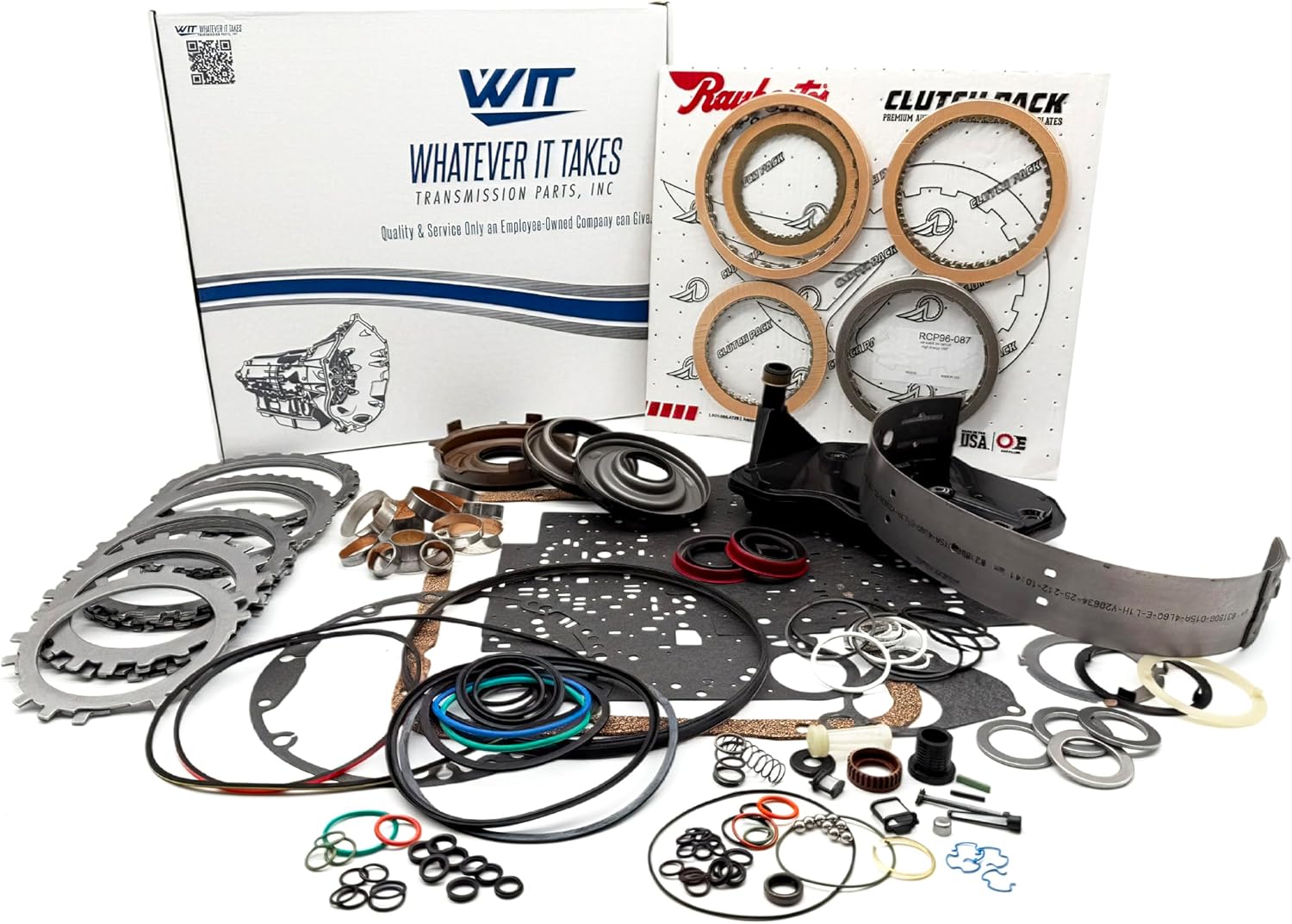
4L60E Remanufactured Torque Converter (10.750" Bolt Pattern), DACCO
For units where the diagnosis points to worn converter clutch material rather than the valve body or fluid. CoreTransmissionParts carries this in three bolt patterns; confirm yours against the old unit or the vehicle's build sheet before ordering.
View the 10.750" torque converter →Or browse the full 4L60E parts collection for your bolt pattern
Shop 4L60E parts →
Frequently Asked Questions
What does 4L60E shudder on acceleration actually feel like?
GM's own shudder diagnostic bulletins describe it as a shake or vibration during light throttle, steady-state driving (not during a shift) that feels like driving over a rumble strip. On a 4L60E it typically shows up in the 35-55 mph range where the torque converter clutch is applied, and measured with a scope it registers around 43 Hz plus or minus 3 Hz on a vibrating component like the seat track or steering column.
Will a fluid change fix 4L60E shudder for good?
Sometimes, but only if the cause is additive depletion in the fluid. GM's TCC shudder service bulletin calls for a triple drain-and-refill using Dexron HP fluid, not a single pan drop, and says the fluid needs 200 miles and at least two hot-cold cycles before you judge the result. If the real cause is a worn TCC regulator valve body bore or physically worn converter clutch material, a fluid change will not hold for long.
What does code P1870 mean on a 4L60E, and is it the same as shudder?
P1870 (also stored as code 894 or 1870 on older scan tools) flags excessive or erratic transmission fluid slippage at the torque converter clutch. Per Sonnax, the most common cause is wear in the TCC regulator and isolator valve bore from constant valve oscillation, worse on 1998-and-later EC3-controlled units that run 20-40 rpm of TCC slip by design. P1870 and shudder often show up together because they share the same root cause, but a unit can shudder without ever setting the code, and it can set the code without a driver-noticeable shudder.
Can bad motor mounts cause a transmission shudder complaint?
Yes, and it is a documented misdiagnosis trap. ATRA's GEARS magazine covered a 4L60E-equipped Tahoe where a scan tool showed normal, commanded torque converter clutch slip with no transmission fault, yet the truck still shuddered at 10-20 mph and on coast-down. The cause was dry-rotted, cracked engine mounts that let normal driveline motion transmit into the cabin, amplified by GM's fuel-economy TCC strategy that locks the converter earlier and during fuel-cutoff coast-down on 2007-2014 V8 trucks. Replacing the mounts fixed it with no transmission work at all.
Do Sonnax valve body kits actually fix TCC shudder permanently?
When the diagnosis is correct, yes. Sonnax's 77754-03K (1993-1997, non-EC3) and 77754-04K (1998-and-later EC3, fits all years) kits replace the worn OE regulator and isolator valves with a hardcoat anodized valve and wear-resistant sleeve sized to restore the original bore tolerance, which stops the apply-pressure leak that causes the slip. On higher-mileage units with more bore wear, Sonnax also sells a reamer and oversized isolator sleeve kit to recondition a bore that is too far gone for the standard kit.
Sources
- Sonnax — "Understanding 4L60-E Series Isolator Bore Wear (and How to Address It)." Backs the TCC regulator/isolator valve bore wear mechanism, the 1995 PWM and 1998+ EC3 timeline, the 20-40 rpm designed TCC slip on EC3 units, the P1870/894/1870 code and symptom list (overheated converter, low apply pressure, burned 3-4 clutch, harsh 1-2 shifts, low line pressure), and the 77754-03K/77754-04K kit application. sonnax.com
- GM TechLink — "Diagnosing a Shudder Vibration Condition." Backs the light-throttle, steady-state shudder description, the rumble-strip comparison, the 43 Hz ±3 Hz oscilloscope signature, and the GDS2 TCC slip-speed thresholds used to separate normal operation from degraded fluid and a damaged converter clutch. gm-techlink.com
- GM Service Bulletin 16-NA-175 (June 2016), hosted via NHTSA. Backs the three-mode (normal/TCC-disabled/TCC-locked) confirmation test for TCC shudder and the corrective triple drain-and-refill procedure using new Dexron HP fluid, including the 200-mile, two-hot-cold-cycle evaluation window and the coolant-contamination check. static.nhtsa.gov (PDF)
- GM TechLink — "Torque Converter Clutch Shudder under Light Throttle Acceleration." Backs the broader GM pattern of light-throttle TCC shudder bulletins across model lines and the related fluid/procedure requirements used as background for how GM handles TCC shudder complaints fleet-wide. gm-techlink.com
- ATRA GEARS Magazine — "Mistaken Identity: Shudder Sensation in GM Rear-Wheel-Drive Issue After Rebuild." Backs the 4L60E-equipped Tahoe case study: normal scan-tool-confirmed TCC slip, the dry-rotted/cracked engine mount root cause, OEM mount part 15854941, the 2007-2014 V8 fuel-economy TCC recalibration, and the note that 6L80/6L90 trucks share the same mounts and TCC strategy. gearsmagazine.com
Shop 4L60E valve bodies, TCC solenoids, rebuild kits and clutch modules, shipped fast from the USA.
Shop 4L60E parts →