The 4L60E is the four-speed overdrive automatic behind an enormous slice of GM's rear-drive lineup — Silverado and Sierra, Tahoe, Yukon, Suburban, Express and Savana vans, Camaro, Firebird, Corvette, and the S-10/Blazer family. Ask any shop what code walks through the door most on this transmission and torque converter clutch complaints are near the top of the list. The most misread of those is P0740, and the reason it gets misread is that "torque converter clutch circuit" describes a whole system, not one part.
This is what P0740 actually points to on a 4L60E, how the TCC solenoid works (there are two of them on later units, and that matters), how to test the solenoid the right way instead of guessing, and how to replace it — plus how to tell P0740 apart from the slip codes it gets confused with before you spend money.
The short version: P0740 is a Torque Converter Clutch Circuit / Malfunction code — an electrical fault in the TCC control circuit: an open, a short, or a solenoid that is out of spec. It is not the same as P1870/P0894, which are converter slip codes usually driven by hydraulic wear (a worn TCC regulator valve bore bleeding off apply pressure), nor P0741, which flags the clutch not achieving lockup. Read the exact code, ohm the solenoid, and watch scan data before you condemn a converter or tear the unit down.
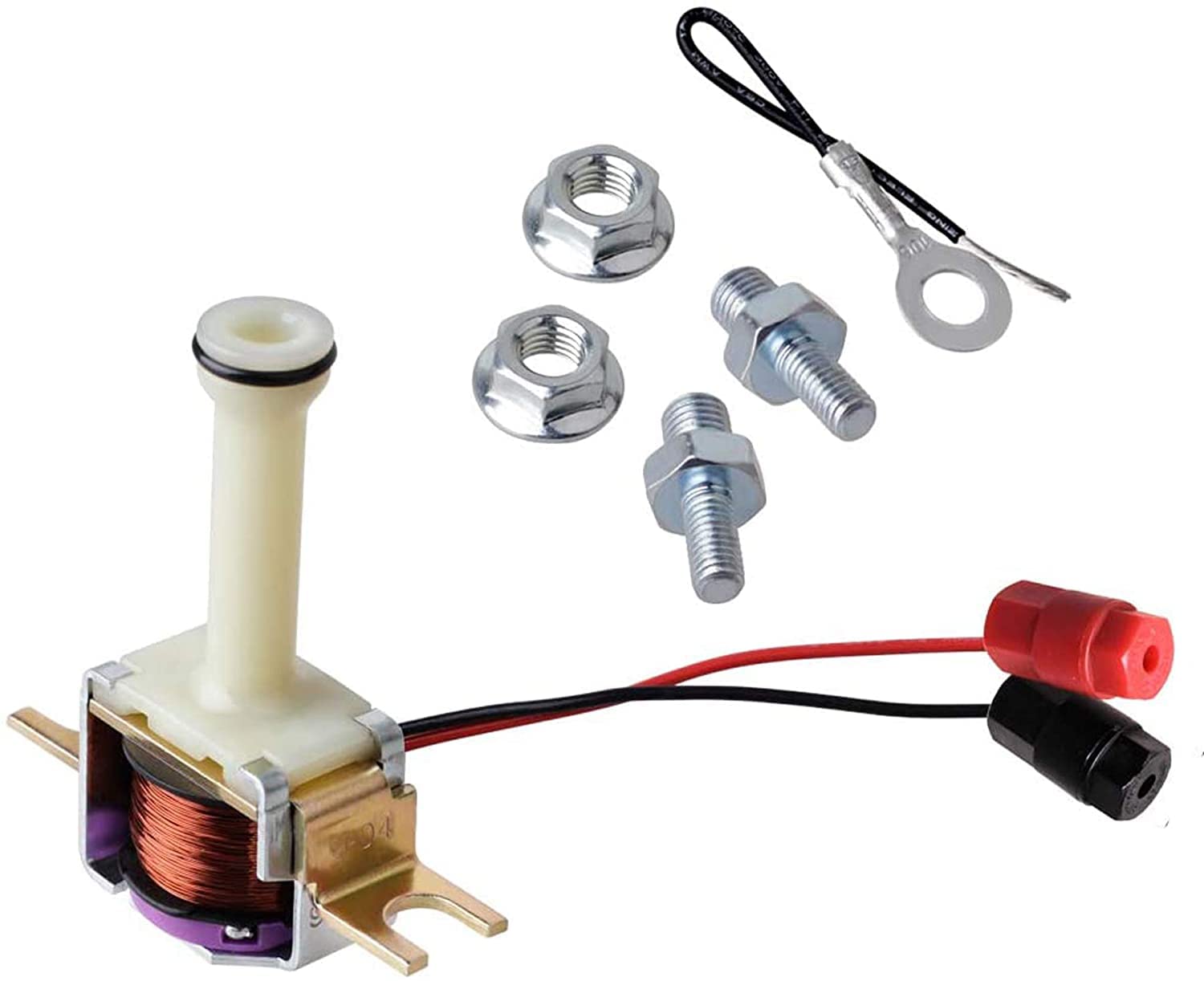
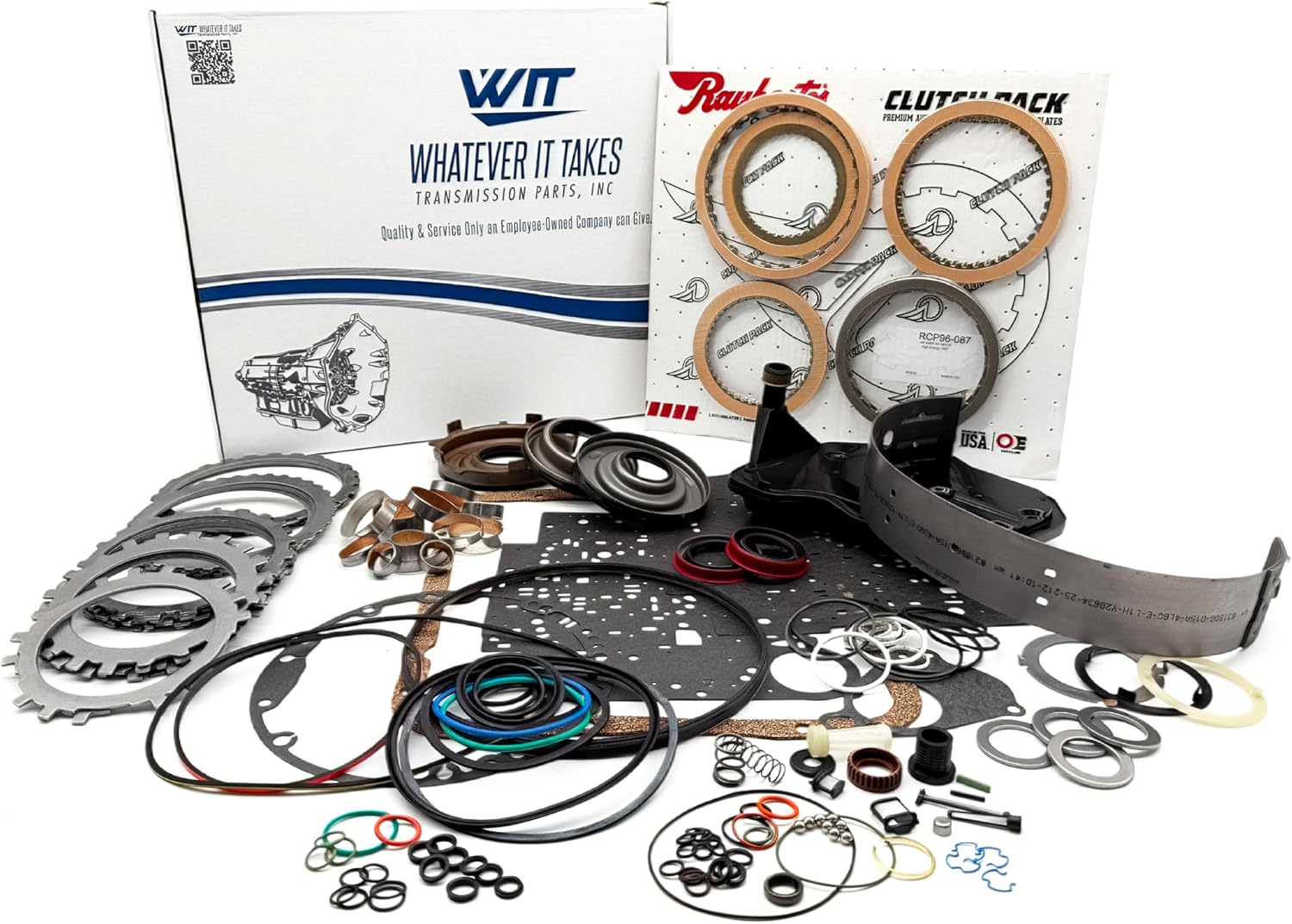
How the 4L60E Locks the Converter (and Why It Has Two Solenoids)
The torque converter clutch is a friction clutch inside the converter. Below lockup the converter drives through fluid coupling, which is smooth but slips a little and makes heat. When conditions are right — usually higher gear, light throttle, coasting cruise — the PCM commands the clutch to mechanically lock the converter to the engine, killing the slip. That cuts converter heat and improves fuel economy, which is the whole point of the mechanism.
Early 4L60E units used a single TCC on/off (enable) solenoid: apply voltage, the clutch locks; drop it, the clutch releases. It works, but the apply is abrupt. In 1995 GM added a second control solenoid — the TCC PWM (apply) solenoid — that controls a slide valve in the valve body via pulse-width modulation, so the computer can ramp the clutch on smoothly instead of slamming it. That two-solenoid arrangement is the version most 4L60E cores in service today carry. Sonnax and Transmission Digest both walk through why that PWM apply circuit was added and how it behaves.
The practical takeaway: when someone says "the TCC solenoid," on a PWM 4L60E they may mean either the on/off enable solenoid or the PWM apply solenoid. They live in different places in the circuit and fail for different reasons, and P0740 lives on the enable/control side.
What P0740 Actually Means on a 4L60E
P0740 is the generic OBD-II definition Torque Converter Clutch Circuit / Malfunction. On a 4L60E the PCM sets it when it commands the TCC circuit and the electrical feedback does not match what it expects — an open circuit, a short to power or ground, or a solenoid whose resistance is out of range. It is an electrical-integrity code. It is telling you the computer could not properly drive or verify the circuit, not that the clutch itself is slipping.
That distinction is where money gets wasted. A driver reads "torque converter clutch" and assumes the converter is bad. But P0740 can be a chafed wire, a spread terminal in the case connector, a failed solenoid winding, or debris in the fluid fouling the solenoid — all far cheaper than a converter. Contaminated or degraded fluid is a genuinely common contributor here, because debris in the ATF can foul the TCC solenoid's operation.
Here is how the related codes map, so you act on the right one:
| Code | Meaning | Where to look first |
|---|---|---|
| P0740 | TCC circuit malfunction (electrical) | Solenoid resistance, wiring, connector, fluid condition |
| P0741 | TCC circuit performance / stuck off (no lockup) | Hydraulic apply, valve body, converter, PWM circuit |
| P1870 / P0894 | Transmission component slipping (TCC slip) | Worn TCC regulator valve bore, apply-pressure loss |
P0740 is the electrical one. P0741 says the circuit is electrically fine but the clutch is not actually achieving and holding lockup. P1870 and P0894 are slip codes the PCM sets by comparing engine rpm to output speed after commanding the converter clutch on — if the measured slip exceeds a threshold, the code sets. MOTOR Magazine details that slip-monitoring strategy. Getting the code identity right up front decides whether you are chasing a wire or a hydraulic problem.
Testing the TCC Solenoid the Right Way
You cannot condemn a solenoid from the driver's seat. There are two measurements that matter, and you take both.
1. Resistance and continuity (the meter test)
With the key off and the transmission cool, disconnect the solenoid circuit and put a digital volt/ohmmeter across the TCC solenoid terminals to check its resistance and continuity. What you are looking for is a reading that matches the factory service value for that specific solenoid on that year and model — the on/off enable solenoid and the PWM apply solenoid do not share the same spec, so use the correct figure for the one you are testing. An open reading (infinite resistance) means a broken winding; a near-zero or shorted reading means a collapsed winding. Either one is a failed solenoid. A reading well outside the published range, high or low, condemns it. While you are in there, inspect the internal wiring harness and the pass-through case connector for chafe, corrosion, and spread terminals — a bad connection sets the same P0740 as a bad solenoid, and it is cheaper to fix.
2. Commanded vs. actual (the scan-tool test)
The TCC only engages under specific driving conditions, so bench resistance alone does not tell the whole story. Use a scan tool to watch what the PCM is commanding and what it sees back. Track TCC command (and, on PWM units, PWM duty cycle) against engine and output speed during a road test, and confirm the slip actually collapses to near zero when lockup is commanded. This is also how you separate a true P0740 electrical fault from a P0741 no-apply or a P1870 slip: the scan data shows whether the circuit is being driven and whether the clutch responds.
When It's Not the Solenoid: the Slip-Code Trap
If your codes are P1870 or P0894 rather than P0740, replacing the solenoid usually will not fix it, because the problem is typically hydraulic. On the 4L60E the TCC regulator valve bore wears over time from constant oscillation of the factory valve. That wear lets regulated converter apply pressure exhaust past the valve, so the clutch can no longer hold full lockup and slips — which is exactly what sets P1870 and overheats the converter. Sonnax identifies that bore wear as a primary cause of TCC slip codes and overheated converters, and its TCC apply valve kit addresses the related bore cross-leak in the pump on PWM units. The repair there is restoring the bore and sealing the circuit, not a new solenoid.
This is why the diagnostic order matters so much on this transmission. A solenoid is a cheap electrical part. A worn valve bore is a valve-body or pump repair. A slipping converter that has been cooked is a converter. All three can illuminate the same lamp and feel similar from the seat, and only reading the exact code plus live data tells them apart.
Replacing the TCC Solenoid
Once the meter and scan data actually point at the solenoid, the replacement itself is straightforward on a 4L60E:
- Drop the pan and drain the fluid. Inspect what comes out. Metal or clutch material in the pan means you have more going on than a solenoid, and dark, burnt fluid is a clue the converter has been slipping and overheating.
- Access the solenoid. The TCC solenoid mounts to the valve body / pump area. On PWM units, confirm which solenoid you are replacing — the on/off enable solenoid or the PWM apply solenoid — and match the correct part. Mismatching PWM and non-PWM components causes rapid converter failure, so verify the unit type before ordering.
- Swap the solenoid and any O-rings/seals. Ohm the new solenoid before it goes in to confirm it reads in spec out of the box.
- Address the fluid. The 4L60E uses Dexron-spec ATF. If contamination fouled the old solenoid, a filter and a full, clean fill matter as much as the part — putting a new solenoid into dirty fluid invites a repeat.
- Clear codes and road test. Verify lockup commands and that slip collapses to near zero, and confirm P0740 does not return under the same conditions that set it.
One field note worth repeating: verify any converter-clutch slip concern with an actual road test, not a service-bay stall test. Confirming the fix on the road is how you keep from handing the car back with the same code a week later.
Doing the job? Our line pressure testing walkthrough and full 4L60E service guide cover the diagnostic steps that apply directly here, and the 4L60E failure-code guide maps the rest of the codes you might see alongside P0740.
Sources
- Sonnax — 20 Years Later: What's New with 4L60-E PWM Modifications, on the 1995 addition of the second (PWM apply) TCC solenoid controlling a slide valve in the valve body, and the TCC regulator valve bore wear that bleeds off apply pressure. sonnax.com/tech_resources/214
- Transmission Digest — P1870 Revisited, on the 4L60E torque converter clutch control strategy, the PWM apply solenoid, and how converter slip is diagnosed. transmissiondigest.com/p1870-revisited
- MOTOR Magazine — Diagnosing GM Trouble Code P1870, on how the PCM compares engine speed to vehicle/output speed after commanding the converter clutch on and sets a slip code when the ratio exceeds parameters, and on road-testing rather than stall-testing to verify slip. motor.com — Diagnosing GM P1870
- Sonnax — TCC Regulator & Isolator Valve Kit 77754-04K, on severe TCC regulator valve bore wear caused by valve oscillation allowing converter apply pressure to exhaust as a primary cause of slip code P1870 and overheated converters. sonnax.com/parts/2458-tcc-regulator-isolator-valve-kit
- Sonnax — TCC Apply Valve Kit 77805E-K, on bore cross-leak of converter signal and feed oil on PWM 4L60E/4L65E/4L70E units causing overheat and no-lockup complaints and codes P1870/P0894, and the PWM-vs-non-PWM part-match warning. sonnax.com/parts/2478-tcc-apply-valve-kit
- Sonnax — GM 4L60-E Transmission (unit overview), reference for the 4L60E as a four-speed overdrive unit and its parts/circuit architecture. sonnax.com/units/455-4l60-e