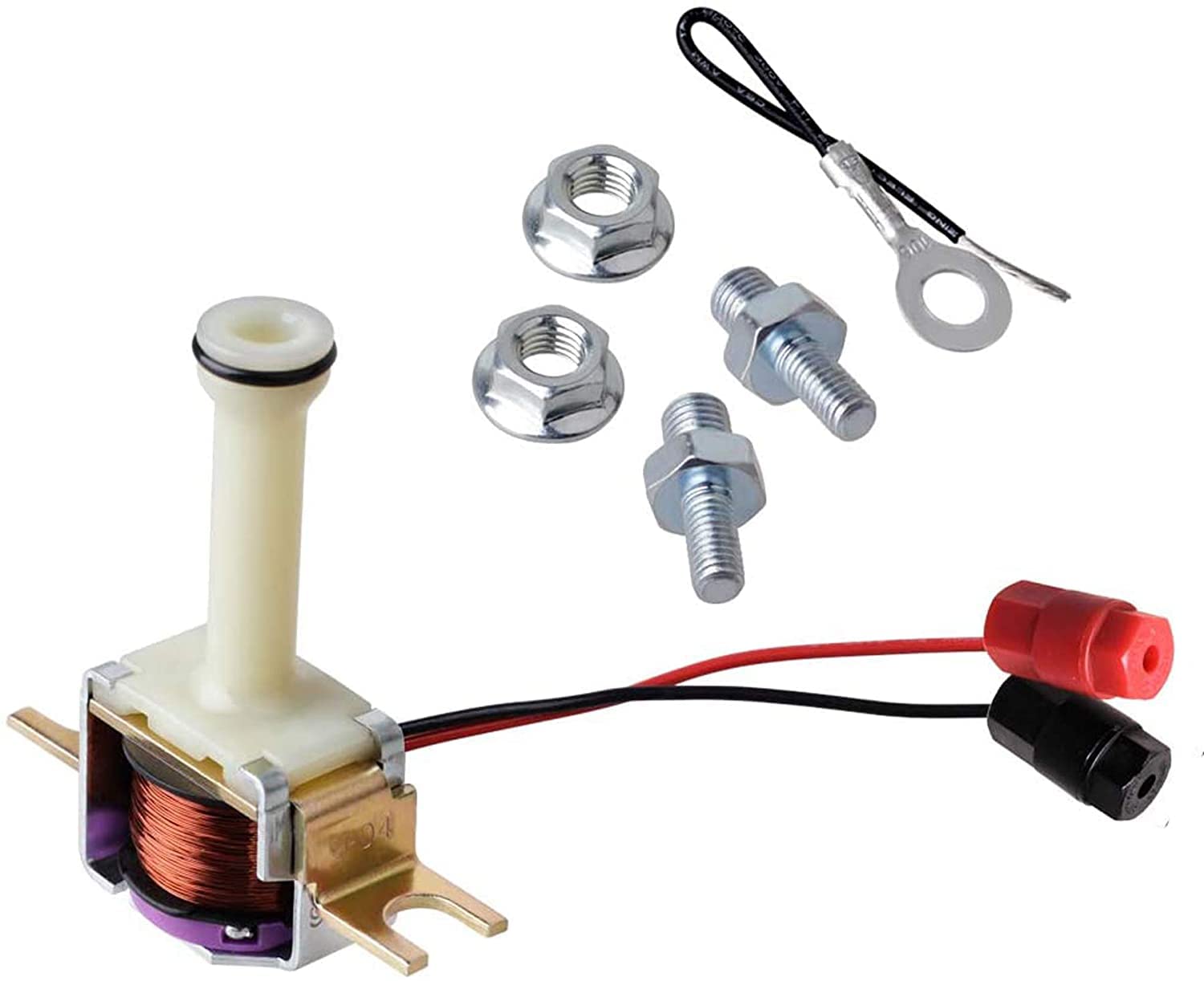
A GM rear-wheel-drive automatic that never drops into lockup gives itself away on the highway: the tach sits a few hundred RPM higher than it should at 60 mph, the fuel mileage slides, and on some trucks you feel a light shudder as the converter clutch tries to apply and lets go. On a TH700-R4, TH200-4R, 4L60, 4L60E or 4L65E, the part behind that complaint is very often the TCC lock-up solenoid. This is a normally-closed replacement solenoid that interchanges with GM numbers 8654122, 8654124, 8654125 and 8654126, covering Chevrolet, GMC, Buick, Cadillac, Oldsmobile, Pontiac and Hummer applications from 1982 on.
What the TCC solenoid does in a 700R4 and 4L60E
With the solenoid de-energized, its valve is closed and converter apply oil stays blocked, so the converter runs open like any fluid coupling. When the computer decides conditions are right, usually a warm engine, light throttle and a steady road speed in the upper gears, it energizes the coil, the valve opens, and oil shifts the converter clutch valve so the clutch plate clamps against the converter cover. Engine and input shaft then turn together with no slip. On the 700R4 and 200-4R this solenoid is the whole lockup circuit. On the electronic 4L60E family the same job is shared with the rest of the solenoid circuit, and the TCC solenoid is fed by the regulated AFL oil that also supplies the shift and pressure control solenoids, so a tired AFL valve can mimic a bad solenoid.
Symptoms that point to the lock-up solenoid
- Converter never locks: higher cruise RPM and noticeably worse highway mileage
- Light shudder or surge between roughly 40 and 60 mph as lockup tries to apply
- Transmission temperature creeping up on long drives, because an open converter keeps generating heat
- On 4L60E and 4L65E trucks, a stored TCC circuit code such as P0740 or P0742, with the computer often disabling lockup
- On 700R4 and 200-4R vehicles, no lockup at all even though the brake switch and 4th-gear signal check good
How to confirm before you buy
Separate an electrical fault from a hydraulic one first. A circuit code on an electronic unit, or no voltage change at the solenoid terminal when lockup should occur on an older unit, points at the solenoid, its wiring or the brake switch. A code like P0741 or a slip code with a healthy circuit usually means the solenoid is working and the converter clutch or the TCC regulator bore is not holding. Measure the coil with an ohmmeter and compare it to your service manual; on the 4L60E, ATRA bulletin 269 gives the case connector pin map so you can test from outside the pan. Our 4L60E TCC solenoid and P0740 guide walks through the scan tool checks, and the 4L60E common problems guide covers the valve body wear that causes slip codes.
Fitment
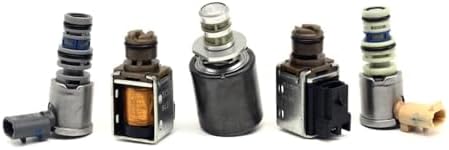
The listing covers 1982-up TH700-R4, TH200-4R, 4L60, 4L60E and 4L65E transmissions under the interchange numbers above. That is a long run, and GM changed the TCC layout more than once: early 4L60E units carry their on/off solenoid on the internal wiring harness, later units use separate plug-in solenoids, and many 1990s trucks also have a separate PWM apply solenoid. Before ordering, pull your old solenoid and match its part number, mounting and connector to this one, or send us your year and VIN and we will check it. If your transmission uses a PWM apply design, see the GM 24227792 TCC PWM solenoid, or browse every option on our 4L60E parts page.
Install notes
- Drain the fluid and drop the pan. Look at the magnet and the pan floor before anything else; heavy clutch material means a solenoid alone will not cure the problem.
- Remove the filter, then unplug and unbolt the old solenoid. Note how each wire routes so the new one goes back exactly the same way, clear of the filter and any moving linkage.
- Fit a new O-ring or gasket, lubricated with ATF, and make sure the terminal connection is clean and tight. A loose connector produces the same symptoms as a dead coil.
- Install a new filter and pan gasket. Refill with Dexron VI, which is GM's current service fluid and backward compatible with the earlier Dexron types these units were built for, and check the level hot.
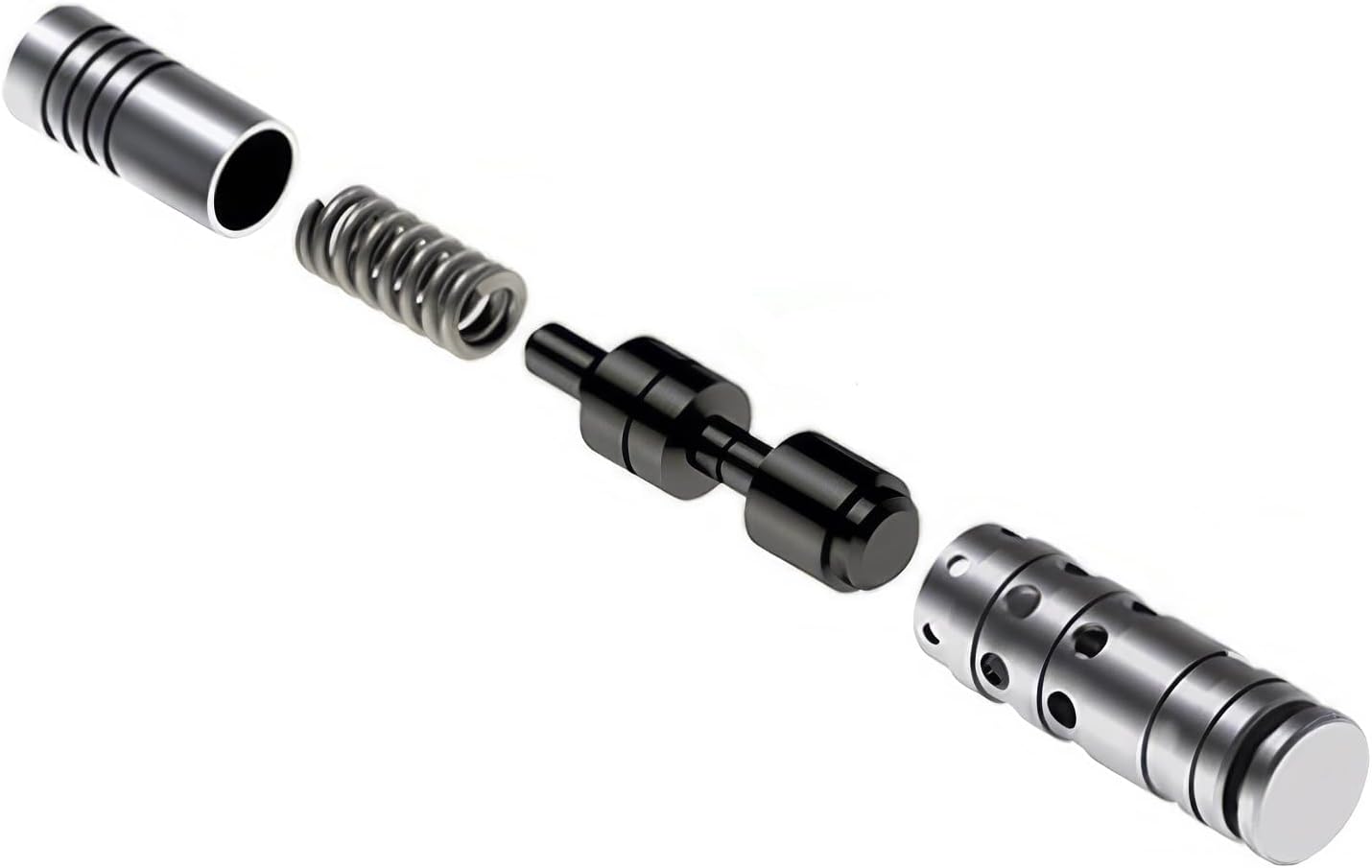
- If an electronic unit still slips after the solenoid is replaced, the TCC regulator bore is the next suspect; the Sonnax 77754-04K regulator and isolator kit is the repair.
- Road test through several lockup and release cycles and watch engine RPM drop when it applies.