The short answer: a 4L80E pan-drop service with a new filter runs about $90 to $150 in parts if you do it yourself, and roughly $180 to $350 at an independent shop, with dealer tickets landing higher. The spread is not shop greed. It is fluid volume. The 4L80E is a big-case unit and it holds a lot of oil, so the fluid alone is most of the bill before anybody picks up a wrench.
What follows is the itemized version — how much fluid actually comes out, what the filter and gasket cost, what you are paying labor for, and the two places people waste money on this job. If you want the fluid spec side in isolation, we covered that separately in 4L80E fluid type and capacity.
Three different jobs get called a fluid change
Before you can price it, you have to know which of these you are buying. They are not the same service and they do not move the same amount of oil.
1. Drain and fill (plug or pan corner)
Fluid out, fluid in, filter untouched. On a stock 4L80E pan without a drain plug this means cracking one corner of the pan loose and letting it run, which is a mess and not much cheaper than doing it properly. Moves roughly 4 to 5 quarts.
2. Pan drop, filter and gasket (the standard service)
Pan off, filter and gasket replaced, magnet cleaned, pan wiped out, refill. GM's published service figures for the 4L80E are 7.3 liters (about 7.7 quarts) after pan removal and 12.8 liters (about 13.5 quarts) for a full overhaul fill. Do that arithmetic and the point of this job becomes obvious: a pan drop swaps out somewhere in the neighborhood of 55 to 60 percent of the oil in the transmission. The rest is still sitting in the converter, the cooler and the lines.
3. Pan drop plus a cooler-line exchange
Same as above, then the return cooler line is pulled and the engine is run in short bursts to push the remaining old fluid out while fresh fluid goes in the fill tube. This gets you close to a complete change. It also costs close to 13 to 14 quarts of fluid instead of 8, which is exactly why the shop quote jumps.
The parts bill, itemized
Here is the real 2026 parts cost for a 4L80E pan-drop service, using current prices on parts we stock:
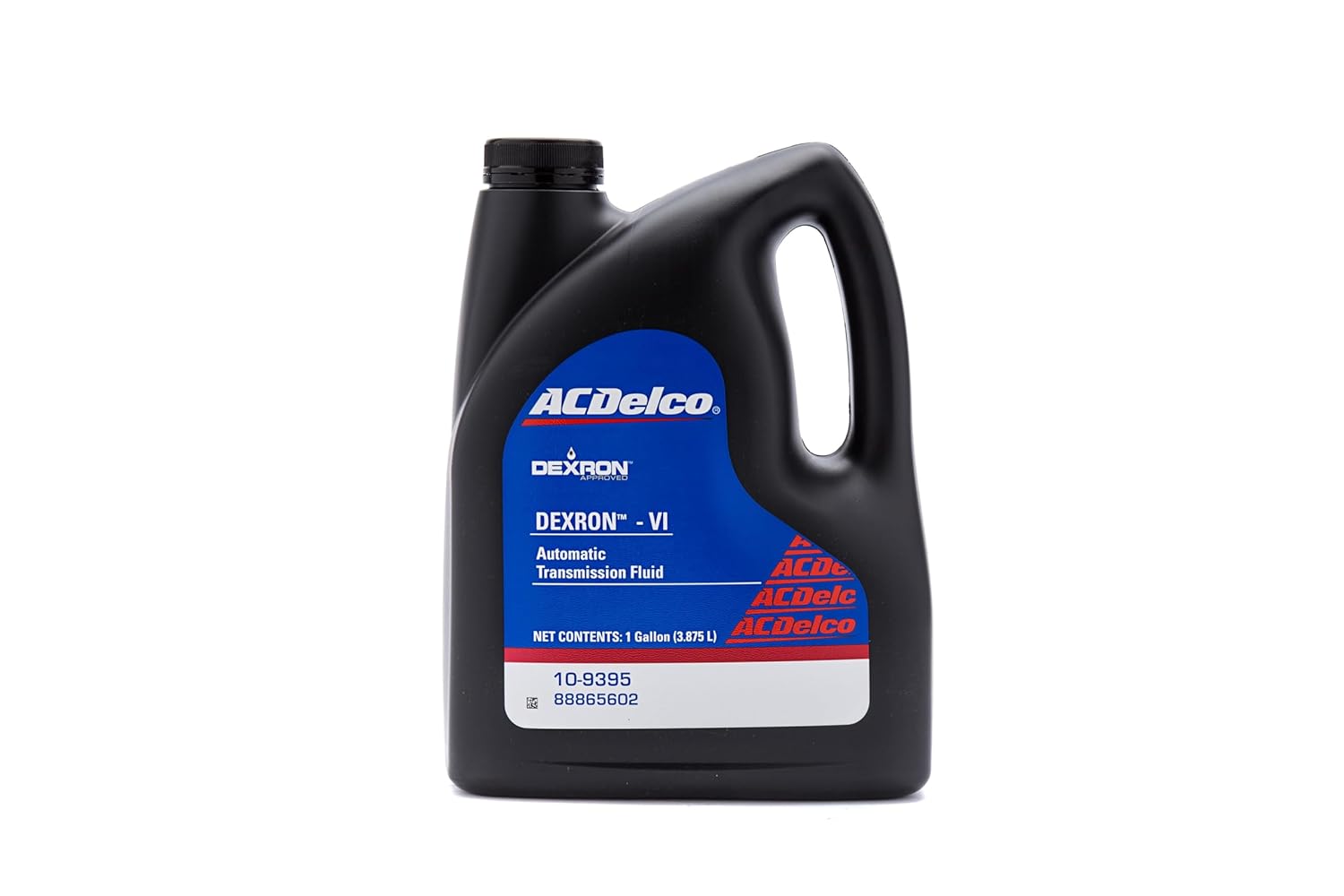
- Licensed DEXRON VI, 2 gallons — ACDelco 10-9395 runs $59.99 per gallon, so a pan-drop fill is about $120 in fluid. That single line item is why this service costs what it does.
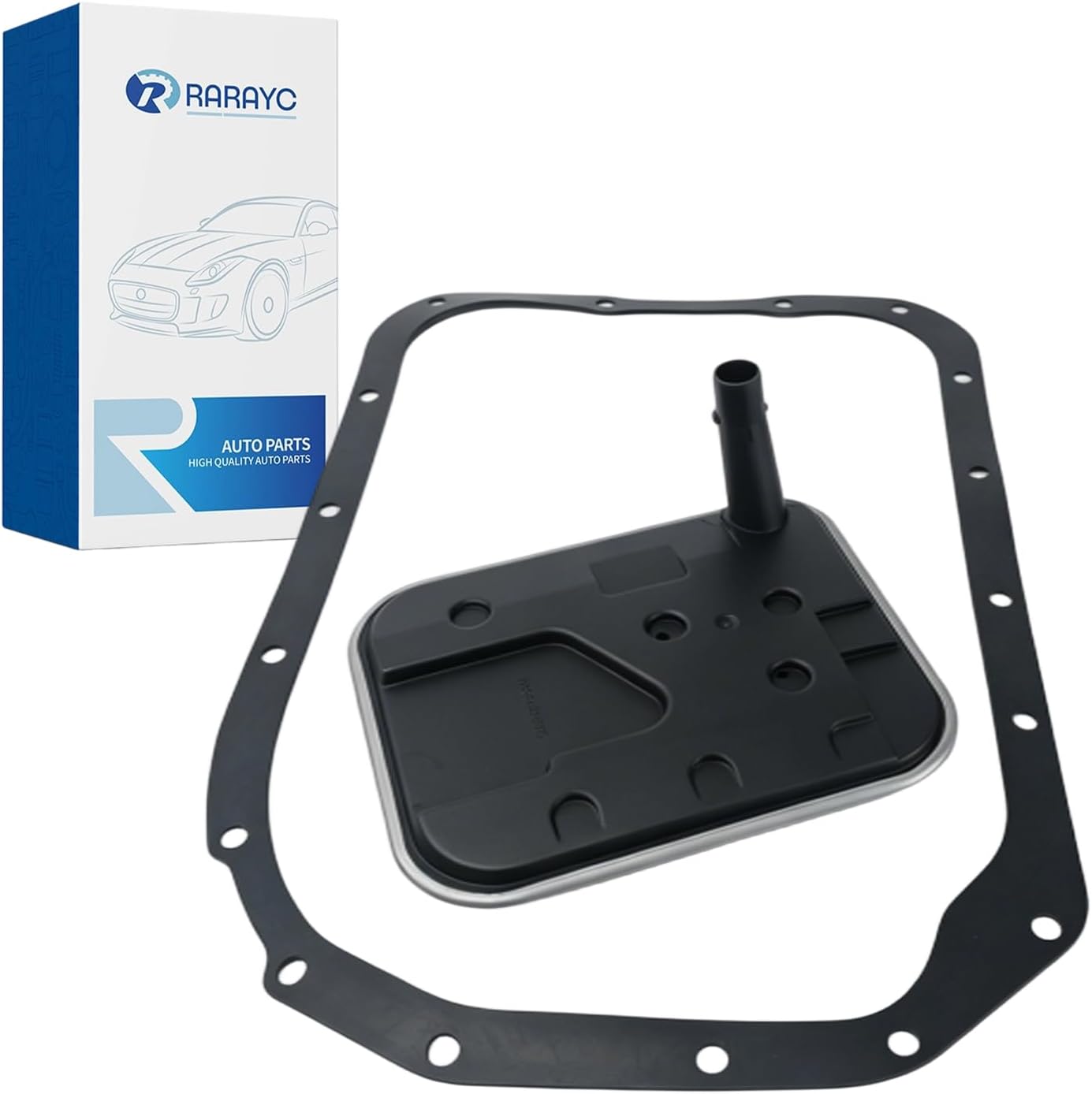
- Filter and pan gasket kit — $28.99 for a 4L80E filter and gasket set. Deep-pan trucks (most 1999-2006 GM 2500/3500 applications) need the deep filter, not the shallow one.
- Pan bolts — $0 if yours are clean, about $15 for a fresh 17-piece M8 set if somebody before you rounded a few off.
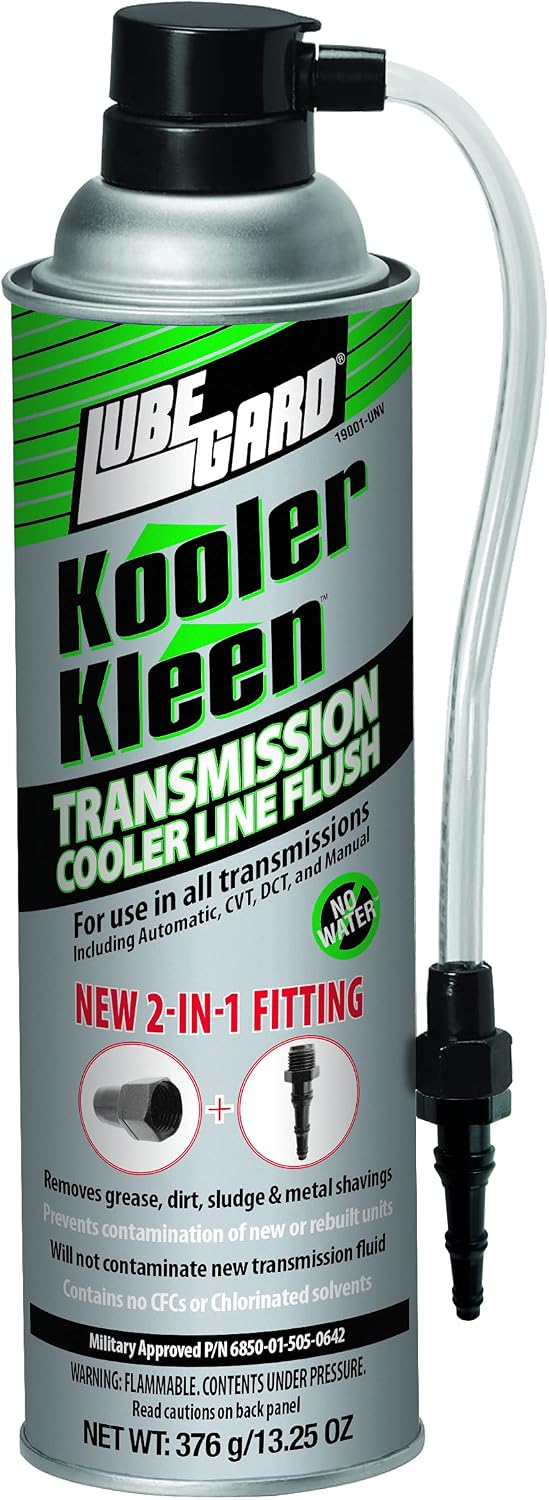
- Cooler line flush — roughly $32 for an aerosol line flush, and only needed in specific situations covered below.
Call it $150 for the full pan service in parts, or about $90 if you buy a cheaper non-licensed fluid and skip the flush. For a cooler-line exchange add another gallon and a half of fluid, so figure $240 to $250 in parts.
What the labor charge is actually buying
A 4L80E pan drop is typically booked at 1.0 to 1.5 hours, and at prevailing independent-shop rates that lands most tickets between $180 and $350 all in. Dealers run higher on both rate and fluid markup. What you are paying for in that hour:
- A flat sealing surface. These pans get pried on. The correct procedure is to scrape the old gasket without gouging the case, then check the case rail for dents and dress the high spots down with a mill-smooth file — Mag-Hytec's own pan instructions call for exactly that, an 8 to 12 inch smooth flat file, with the warning not to round off the flat gasket surface. A shop that skips this step sells you a leak in six months.
- Correct bolt torque, in the right pattern. Stock 4L80E pan bolts go to roughly 18 lb-ft. Aftermarket aluminum pans do not: Mag-Hytec specs its 8mm allen cap screws at 12 to 16 lb-ft in a cross-tight pattern. Torquing an aluminum pan to the steel-pan number is how you warp a flange and create the leak you were trying to fix.
- A real fill and level check. The 4L80E is checked hot, in park, on level ground, engine running, after cycling the selector through every range. Cold-checking a 4L80E and calling it full is the single most common way a "serviced" truck leaves a shop two quarts low.
- Reading the pan. Fuzz on the magnet is normal wear. Chips, bronze, or a pan floor lined with clutch material is a different conversation, and a good tech tells you before he puts fresh fluid in a transmission that is already coming apart.
Use DEXRON VI, and know why
The 4L80E was factory filled with DEXRON III. That spec is gone. GM's current Transmission Capacities and Fluids chart lists DEXRON VI, DEXRON HP and DEXRON ULV as the service fills across the lineup and carries an explicit Not DEXRON III note — GM does not license DEXRON III fluid anymore, and DEXRON VI is the backward-compatible replacement for legacy Hydra-Matic units like this one.
Why it matters for a service-interval decision: ATRA's technical writeup on ATF chemistry points out that additive packages make up roughly 5 to 15 percent of the fluid, and that heat drives a chemical reaction in the base oil that produces varnish, sludge and acids. It also notes clutch surface temperatures can exceed 650°F in normal operation. That is the whole argument for changing fluid on a schedule rather than on a symptom: you are replacing a depleted additive package before the oxidation products start plating out in the valve body and the cooler.
When to flush and when not to
Do not machine-flush a neglected high-mileage 4L80E that is already slipping. You are not going to un-burn a clutch pack with detergent, and you may dislodge debris that was sitting harmlessly in a low spot.
Do purge the cooler and lines whenever you are installing a replacement unit. Transmission Digest makes this point bluntly in its coverage of cooler cleaning: contaminated coolers are often the cause of premature failure of replacement transmissions, because the radiator-mounted cooler and lines still hold used fluid full of clutch material, metal shavings and sludge from the unit that just failed. If the failure was catastrophic enough to fill the transmission with metal, no flushing method gets it all out and the cooler or radiator gets replaced. If the failure was a solenoid or a seal, purging the lines is the cost-effective fix. A useful field check from that same article: catch the flush output in a clear container and look at it. Heavy metal content means replace the cooler, not clean it.
Why cooler flow is the real stake here
People treat a fluid change as cosmetic maintenance. It is not, and the reason is how the 4L80E prioritizes oil. Sonnax's breakdown of pump, pressure regulator, converter, cooler and lube circuits explains that these components are plumbed in series, and the pressure regulator valve acts as a priority valve that gives line pressure precedence over converter charge and lube oil. When the PR valve is pushed out of its regulating balance — low RPM, high load, the exact conditions a loaded 3500 lives in — converter charge and lube oil get restricted first. Sonnax's stated consequences are converter overheating, TCC slip and lube failure.
Sonnax documented the extreme version of that in a 4L80E case study on converters overheating from negative clearance. Normal clutch release clearance on those units is 0.030 to 0.035 inch. Three rebuilt converters came in measuring zero and minus 0.005 inch because they had been rebuilt with 0.075 inch friction material where the originals used 0.040 inch. Inadequate clearance prevented sufficient fluid flow between the cover and piston in the release position, and the units cooked themselves. Different root cause, identical lesson: this transmission survives on fluid flow, and degraded, sludged, or low fluid attacks flow first.
If your truck is already showing TCC-related complaints, read our 4L80E TCC shudder diagnosis writeup before you spend money on fluid hoping it goes away.
Use the TFT PID, not your hand on the pan
Any decent scan tool reads Transmission Fluid Temperature on a 4L80E, and the number is more useful than most techs give it credit for. GM's own 2005 4L80E diagnostic parameter tables show how heavily the calibration leans on it: the TCC slip monitor for P0741 only runs when trans fluid temp is above +20°C and below 150°C, and the TFT rationality test P0711 looks for a sensor that has not moved more than 2.25°C when it should have. Two practical takeaways:
- Below 20°C (68°F) the module will not even evaluate converter slip. A cold-morning shudder complaint may not set a code at all.
- 150°C is 302°F. If you are seeing sustained TFT readings anywhere near that towing, the fluid is not your only problem — look at cooler flow, converter clearance, and whether the auxiliary cooler is doing anything.
Do your hot level check with TFT somewhere in the 160°F to 200°F range, not at 90°F in the driveway.
Where the money is well spent, and where it is not
- Well spent: a deep aluminum pan with a drain plug on a truck that tows. It adds fluid volume and surface area — Mag-Hytec states its 4L80E pan holds about 4.5 quarts over the stock big pan — and it makes every future service cheaper in labor because you drain instead of pry. Note that a deep pan requires the deep filter every time, not the shallow one.
- Wasted: an additive-in-a-bottle fix on a unit with a burned clutch pack. If it slipped before the service, it will slip after.
- Wasted: a $300 machine flush on a 200,000-mile truck that has never been serviced. Drop the pan, look at what is in it, and make an informed decision about whether this transmission is worth maintaining or worth rebuilding.
Bottom line on cost
- DIY pan drop, filter, 2 gallons of licensed DEXRON VI: about $150 in parts.
- Independent shop, same service: roughly $180 to $350 depending on local labor rate and fluid markup.
- Pan drop plus cooler-line exchange: add a gallon and a half of fluid, so $240 to $250 in parts, commonly $350 to $500 done for you.
- Deep pan upgrade at the same time: add the cost of the pan plus roughly 4.5 extra quarts of fluid on the fill.
Compared against a 4L80E rebuild, the service is cheap insurance on a healthy unit. On a unit that is already slipping, it is money spent on the wrong repair. The pan tells you which one you have, and you find that out in the first twenty minutes of the job.
FAQ
How much fluid does a 4L80E take for a pan drop?
GM's published figure is 7.3 liters, roughly 7.7 quarts, after pan removal. Total overhaul fill is 12.8 liters, about 13.5 quarts. Buy two gallons for a standard pan service so you have enough to fill and still top off during the hot level check. A deep aftermarket pan adds more — Mag-Hytec lists about 4.5 quarts over the stock big pan for its 4L80E unit.
Is a 4L80E fluid change worth it at 200,000 miles?
It depends entirely on what comes out of the pan. If the magnet has normal fuzzy wear and the fluid is dark but not burnt, service it and keep driving. If the pan floor is carrying clutch material, hard chips or bronze, fresh fluid does not fix anything and you are looking at a rebuild decision instead. Drop the pan first and let the evidence make the call.
Can I use DEXRON VI in a 4L80E that originally called for DEXRON III?
Yes, and you have little choice. GM's current transmission fluid chart no longer lists DEXRON III as a service fill and carries an explicit Not DEXRON III note. DEXRON VI is the licensed, backward-compatible replacement for legacy Hydra-Matic units. Use a fluid that actually carries a DEXRON VI license rather than a universal ATF claiming suitability.
Should I flush the transmission cooler during a fluid change?
Not on a routine service of a healthy transmission. You should purge the cooler and lines any time you install a replacement or rebuilt unit, because used fluid trapped in the radiator cooler and lines carries clutch material and metal into the new transmission and is a documented cause of repeat failures. If the flush output comes out loaded with metal, replace the cooler or radiator rather than trying to clean it.
How often should a 4L80E be serviced?
GM's severe-service schedule for heavy-duty trucks is the one that applies to most 4L80E owners, since any towing puts the vehicle in severe service. Practically, 30,000 to 50,000 miles between pan-and-filter services is the interval that keeps these units alive in tow duty. The fluid temperature you actually run matters more than the odometer: sustained high TFT readings shorten the interval considerably.