The 4L80E gets treated like a big 4L60E, and that is where most misdiagnosis starts. It is not one. It is a Turbo 400 with an overdrive planetary hung on the back and a computer put in charge of line pressure, and it fails in its own specific ways. It does not eat reaction sun shells. It eats a one-way clutch that nothing backs up, and it eats valve body bores that feed every solenoid in the unit.
These are the six failures that actually come across the bench on this unit: the mechanism in each case, how to tell them apart with a pressure gauge and a scan tool, and the fix. Every number here comes from published GM or Sonnax technical material, cited at the bottom.
1. The Overdrive Roller Clutch That Holds All By Itself
This is the failure that defines the 4L80E, and it comes from a design trade-off rather than a defect.
Per Sonnax TASC Force specialist Jim Dial, the 4L80E and the Ford 4R100 share a similar arrangement of the overdrive planetary and the overrun/coast clutch, with the overdrive one-way roller clutch housed inside the overrun/coast clutch drum. On both units that one-way clutch holds in 1st through 3rd and freewheels in 4th. Dial notes the 4L80E overdrive roller clutch nevertheless fails more often than the 4R100 version under extreme use, and the application chart shows why: in the overdrive range, the roller clutch is holding by itself. The overrun clutch only applies in the manual ranges.
Read that in terms of a work truck. A plow rig or a loaded tow vehicle left in D puts every bit of that reaction load through a one-way clutch with nothing sharing it. Move the selector into a manual range and the overrun clutch comes on, the truck gets engine braking, and the load gets distributed onto the overrun clutch instead of the roller. That is the prevention, and it costs nothing.
The second path to failure is heat. Dial points out that during an overheat the plastic cage of the overdrive roller clutch can melt, which takes the roller clutch out quickly. That is a direct line from a marginal cooler to a unit on the bench.
How it shows up
- Slip or flare in 1st through 3rd while 4th still drives cleanly, because 4th is the one gear that does not need the roller clutch.
- No engine braking in the manual ranges if the overrun clutch went with it.
- Black or brown plastic debris in the pan and on the magnet, which is cage material, not friction lining.
The fix is the roller clutch assembly and, in most overheated units, the overrun clutch pack with it. Repairing the roller clutch without correcting whatever cooked it is how the same truck comes back.
2. Actuator Feed Limit Valve Bore Wear: The Solenoid Code That Is Not a Solenoid
More 4L80E parts get replaced for this than for anything else on the list, and most of those parts did not need replacing.
The actuator feed limit valve sits between line pressure and every solenoid in the unit. Sonnax describes its job as providing a consistent fluid pressure to the solenoids so they can control EPC and torque signal, line pressure, and the apply and release of the converter clutch and the various clutches and bands. It takes line pressure in and regulates it down to a lower ceiling, typically in the 80 to 115 psi range.
On the 4L80E and 4L85E specifically, that valve has a large reaction area and is heavily affected by side loading, which wears the valve body bore. The EPC solenoid oscillating the torque signal and AFL oil keeps the valve constantly active, which accelerates the wear. As the bore opens up, feed pressure to the shift solenoids drops, which sets solenoid and ratio codes, and the same AFL oil loss pulls line pressure down with it.
That is the whole trap. A worn bore starves a perfectly good solenoid, the PCM sees a solenoid that cannot do its job, and it sets a solenoid performance code. Install a new solenoid into the same low feed pressure and you have bought yourself the identical code.
Sonnax lists the symptom set for the 4L80E and 4L85E AFL repair as wrong gear starts, clutch failure, solenoid performance codes, no 4th, band failure, low solenoid feed pressure, 2-3 neutral, and 2nd gear starts. If your complaint is on that list, the bore is a suspect before the solenoid is.
How to confirm it
- Vacuum test the AFL bore with the valve body off. Sonnax's position is blunt: vacuum testing valve body bore integrity during a rebuild is insurance against a comeback.
- Check line pressure against the chart in every range. A worn AFL usually shows low line along with the electrical complaint, which is the tell that separates it from a genuinely failed solenoid.
- Look for a code pattern rather than one code. One solenoid code is a solenoid. Solenoid codes plus ratio codes plus low line is a bore.
The repair is an oversized valve and wear-resistant sleeve kit reamed into the bore (Sonnax 34200-16K for this unit, which needs the 77754-TL tool kit), or a replacement valve body if the casting is past saving.
3. Cracked Converter Clutch on 2000-and-Up Units
Per Sonnax's Ed Lee, writing on converter issues for the TASC Force, the 2000-and-up 4L80E developed the same converter clutch cracking problem the early Ford E4OD had. The flexing occurs just inboard of the circle of rivets, at a 90-degree crease formed during the stamping of the clutch. The cracks start out small and progress slowly.
What makes this one expensive is how quietly it hides. Lee notes these seldom produce the devastating overheating of their E4OD predecessors, because modern friction material is good enough to mask the problem, and the only physical evidence a rebuilder may find is hot spots on the front cover. What the technician gets is an 1870 code that is very difficult to duplicate: it may not set for 30 to 40 miles of light-duty driving, then appears as soon as the clutch tries to apply under towing or in hilly terrain.
Sonnax's code reference puts numbers on it. P1870 means transmission component slipping and sets when slip speed exceeds 180 RPM for 7 seconds, or when TCC duty cycle exceeds 50 percent. On the 4L80E, P0741 covers 3rd gear TCC slip.
The practical lesson: a flat test loop at light throttle will not set the code. Load the truck, find a grade, and watch TCC slip RPM with lockup commanded. If slip climbs past 180 RPM while duty cycle is high, stop looking at solenoids.
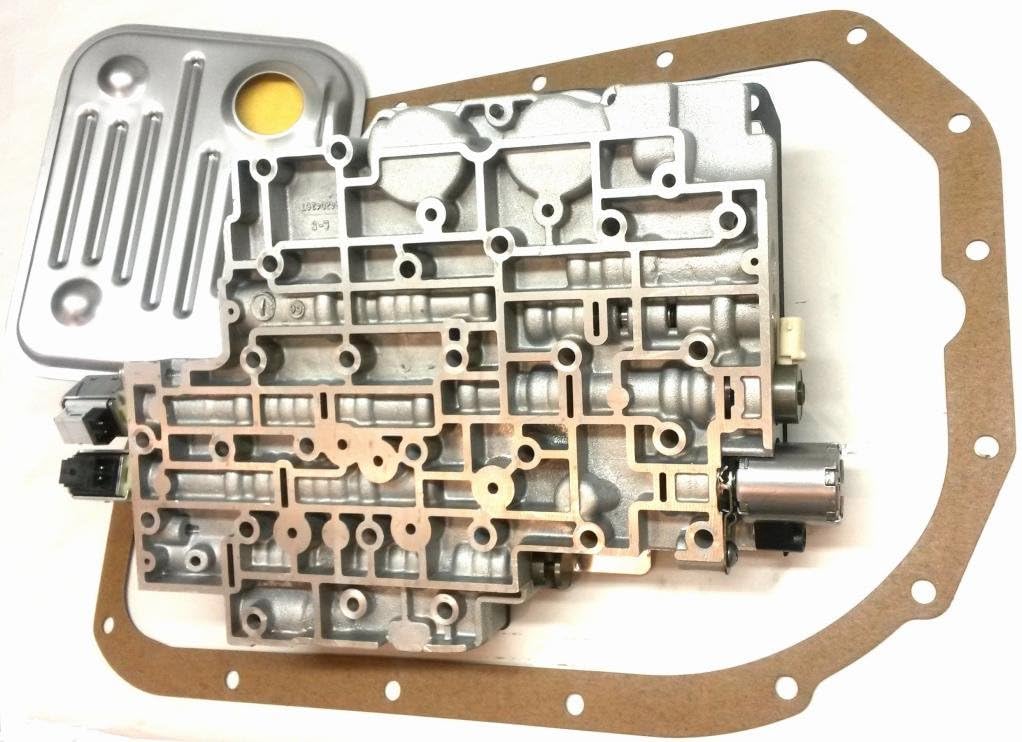
4L80E Updated Valve Body Assembly, MT1 2004-Up
When the AFL bore is past reaming and the casting is worn, a replacement valve body puts solenoid feed pressure back where it belongs instead of chasing the code with new solenoids.
See the valve body →4. No Reverse: Split the Circuits Before You Pull It
A no-reverse complaint on a 4L80E is the most common reason a unit gets pulled that did not need to come out. Sonnax TASC Force specialist Randall Schroeder lays out the discipline that prevents that: split the circuits, meaning separate the hydraulic, electrical and mechanical possibilities and test each one instead of guessing.
For reverse on this unit there are exactly two players: the direct clutch, which is also used in 3rd and 4th gear, and the low/reverse band, which is also used for engine braking in manual 1st. That overlap is the entire diagnostic lever.
Schroeder's procedure is to pressure test with the transmission in reverse, 3rd, 4th and manual 1st, verifying that both the low side and the high side of line pressure at each shift fall within the pressure test chart specification. Testing 3rd, 4th and manual 1st means a road test with the gauge secured and easily viewed, run on the outside of the vehicle.
The logic that comes out of it:
| What you find | What it means |
|---|---|
| Direct clutch works in 3rd and 4th, no reverse | The clutch pack is fine. The problem is in the reverse apply circuit or the low/reverse band. |
| Slips in 3rd, 4th and reverse | Direct clutch or its drum and seals. Now the unit comes out. |
| No engine braking in manual 1st, no reverse | Low/reverse band or its servo, which both ranges share. |
| Low line pressure in every range tested | Pump, pressure regulator or AFL bore. Go back to problem 2. |
Two documents make this work: a line pressure test spec sheet with test port locations, and a clutch and band application chart. Without the chart you cannot use the overlap, and without the overlap you are just pulling transmissions.
5. Burned Clutches in a 6.5L Diesel That the Transmission Did Not Cause
This one still catches shops, and it is worth knowing because the repair is not in the transmission at all.
Per Sonnax's Gregg Nader, GM's 1994-and-later electronic diesel injection pump on the 6.5L is a drive-by-wire setup with no throttle cable. An accelerator pedal position sensor attached directly to the throttle pedal bracket tells the PCM how much fuel to deliver, and that same APP signal is the main input the PCM uses to decide how much line pressure the transmission should have.
When the injection pump develops an internal leak, the engine receives more fuel than the computer requested. The truck that should need 50 to 100 percent throttle to pull away from a stop now accelerates on 2 to 10 percent pedal. The PCM, seeing almost no throttle, never commands the EPC and line pressure rise that the actual torque requires. The result is soft, sliding shifts and burned forward, intermediate and direct clutches, on a transmission with nothing wrong with it.
Nader's chain is worth memorizing: leaking injection pump equals more fuel to burn, equals less throttle used to accelerate, equals less commanded line pressure, equals clutch slippage. GM extended warranty coverage on these pumps from five years/100,000 miles to eleven years/120,000 miles under special policy bulletin #00064A, which tells you how widespread the pump problem was. The scan tool check takes two minutes: watch APP percentage during a normal launch, and if the truck is moving briskly at single-digit pedal, rebuild the transmission and it will burn again.
6. Heat, and the Number GM Actually Publishes
Every failure above gets faster when the fluid is hot, and the roller clutch cage in problem 1 literally melts. It is worth knowing what the factory considers normal versus alarming.
GM's 2006 Silverado owner manual, covering the trucks this transmission lives in, states that the normal operating range for transmission fluid temperature is 180 F (82 C) to about 200 F (93 C), and that at approximately 265 F (125 C) the driver information center will display a TRANSMISSION HOT message and the transmission will enter a protection mode. The same manual's fluids table specifies DEXRON-VI as the automatic transmission fluid.
| Fluid temperature | What it means for a 4L80E |
|---|---|
| 180 to 200 F | GM's published normal operating range. Fluid life is on schedule. |
| 210 to 240 F | No warning message, but oxidation accelerates sharply. This is where towing without an adequate cooler lives. |
| About 265 F | TRANSMISSION HOT message and protection mode. You are roughly 65 degrees past the top of normal. |
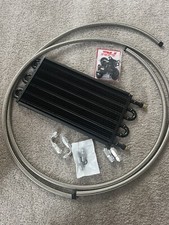
The truck's warning is not an early warning. If you tow or plow with a 4L80E, add gauge capability and a cooler sized for the load, and treat a sustained 220 F as a problem to solve rather than a number to live with. Five of the six failures above can be narrowed down with the transmission still in the truck, using the pan, the code pattern and a pressure gauge. On a 4L80E, the money is made by the diagnosis, not by the teardown.
Need parts for this job?
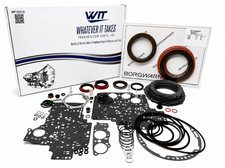
Valve bodies and solenoid kits, sprag and roller clutch components, coolers, filters and master rebuild kits for the 4L80E, with the year splits called out so you order the right casting the first time.
Shop 4L80E parts →FAQ
What are the most common 4L80E problems?
The failures that repeat on the bench are the overdrive roller clutch, actuator feed limit valve bore wear, cracked converter clutches on 2000-and-up units, burned clutches from low commanded line pressure, and heat damage. Only one of those is a worn friction plate. Most 4L80E repairs that come back are hydraulic or electrical problems that were treated as mechanical ones.
Why does my 4L80E slip in first through third but feel fine in overdrive?
That pattern points at the overdrive roller clutch. Per Sonnax TASC Force specialist Jim Dial, the 4L80E overdrive one-way roller clutch holds in 1st through 3rd and freewheels in 4th. If it is broken or its cage has melted, the gears that depend on it slip while 4th, which does not need it, still drives normally. Drop the pan and look for cage material before you condemn a clutch pack.
Will new solenoids fix a 4L80E solenoid performance code?
Often not. The actuator feed limit valve regulates line pressure down to a steady solenoid feed, typically 80 to 115 psi. Sonnax reports that the AFL bore in the 4L80E and 4L85E wears from side loading, and as it wears, feed pressure to the shift solenoids drops and sets solenoid and ratio codes along with low line. A new solenoid fed low pressure behaves exactly like a bad one, so vacuum test the bore before you buy parts.
What causes a P1870 on a 4L80E?
P1870 is transmission component slipping, and Sonnax lists the set condition as slip speed above 180 RPM for 7 seconds or TCC duty cycle above 50 percent. On 2000-and-up units a common physical cause is a cracked converter clutch, which per Sonnax's Ed Lee cracks just inboard of the rivet circle at a 90-degree crease from stamping. The code may take 30 to 40 miles of light driving to set but appears quickly under tow load.
How hot is too hot for a 4L80E?
GM's 2006 Silverado owner manual puts the normal transmission fluid operating range at 180 F (82 C) to about 200 F (93 C), and states that at approximately 265 F (125 C) the driver information center displays a TRANSMISSION HOT message and the transmission enters a protection mode. By the time the truck warns you, the fluid is roughly 65 degrees past its normal ceiling. Treat a sustained 220 F as a cooling problem to solve.
Sources
- Jim Dial, Sonnax TASC Force, in Transmission Digest — "Understanding 4L80-E Overdrive Clutch Failure." Backs section 1: the 4L80-E and 4R100 sharing a similar overdrive planetary and overrun/coast clutch arrangement; the overdrive one-way roller clutch being housed inside the overrun/coast clutch drum and holding in 1st through 3rd while freewheeling in 4th; the overdrive roller clutch holding by itself in the overdrive range with the overrun clutch applied only in the manual ranges; driving in a manual range distributing load onto the overrun clutch; and the plastic cage of the overdrive roller clutch melting during an overheat. transmissiondigest.com
- Sonnax — "Uncovering the Root Cause of Pressure Complaints: The Critical Role of Solenoid Modulator & AFL Valves." Backs section 2: the AFL valve's function of providing consistent fluid pressure to the solenoids so they can control EPC and torque signal, line pressures and converter and clutch apply; the regulated 80 to 115 psi solenoid feed window; the large reaction area and side loading that wear the 4L80-E and 4L85-E bore; the EPC solenoid oscillation accelerating that wear; bore wear reducing oil pressure to the shift solenoids and causing solenoid and ratio codes along with lower line pressure; the published symptom list including wrong gear starts, no 4th, 2-3 neutral and 2nd gear starts; and vacuum testing bore integrity during a rebuild as insurance against a comeback. sonnax.com
- Ed Lee, Sonnax TASC Force, in Transmission Digest — "4L80-E Converter-Clutch Failure in 2000 & Up Vehicles." Backs section 3: flexing just inboard of the circle of rivets at a 90-degree crease formed during stamping of the clutch; cracks starting out small and progressing slowly; the failure seldom producing the overheating of the earlier E4OD; hot spots on the front cover as the only evidence; and the 1870 code that may not occur for 30 to 40 miles under light duty but appears as soon as the clutch tries to apply under towing or in hilly terrain. transmissiondigest.com
- Sonnax — "Beyond 1870: GM Converter Codes P0741, P0742 and 1887." Backs the code thresholds used in section 3 and the FAQ: 1870 as transmission component slipping, its application to the 4L80-E, the set conditions of slip speed exceeding 180 RPM for 7 seconds or TCC duty cycle exceeding 50 percent, and P0741 covering 3rd gear TCC slip on the 4L80-E. sonnax.com
- Randall Schroeder, Sonnax TASC Force, in Transmission Digest — "Diagnosing the Elusive No Reverse with the 4L80-E." Backs section 4: splitting the circuits into hydraulic, electrical and mechanical; the requirement for a line pressure test spec sheet with test port locations and a clutch and band application chart; the direct clutch being used in reverse, 3rd and 4th; the low/reverse band being used in reverse and for engine braking in manual 1st; and testing both the low and high side of line pressure in reverse, 3rd, 4th and manual 1st, with the road-test gauge secured and easily viewed. transmissiondigest.com
- Gregg Nader, Sonnax TASC Force, in Transmission Digest — "Low Line Pressure in 4L80-E in Diesel-Powered Trucks." Backs section 5: the 1994 electronic diesel injection pump on the 6.5L with no throttle cable and an APP sensor attached to the throttle pedal bracket; the APP signal being the main input for both fuel and commanded line pressure; the internal pump leak delivering more fuel than requested so the truck accelerates on 2 to 10 percent throttle instead of 50 to 100 percent; the resulting soft sliding shifts and burned forward, intermediate and direct clutches; and GM extending pump warranty coverage from five years/100,000 miles to eleven years/120,000 miles under special policy warranty bulletin #00064A. transmissiondigest.com
- General Motors — 2006 Chevrolet Silverado Owner Manual. Backs section 6: the transmission temperature gauge section giving the 180 F (82 C) to about 200 F (93 C) normal operating range and the TRANSMISSION HOT message with transmission protection mode at approximately 265 F (125 C); and the Recommended Fluids and Lubricants table listing DEXRON-VI Automatic Transmission Fluid for the automatic transmission. assets.gm.com