The 4L80E is the heavy-duty four-speed that GM put behind big-block gas and diesel trucks, vans, and motorhomes — the C/K and Silverado 2500/3500, Suburban 2500, Express and Savana vans, and the 6.5L and later Duramax platforms. It earns its reputation for toughness, but the one assembly that quietly decides whether the unit shifts crisply or destroys itself is the valve body. It is the hydraulic brain: a stack of aluminum castings full of spring-loaded spool valves that route and regulate pressure. When those valve bores wear, the symptoms rarely announce "valve body" — they show up as slipping, harsh shifts, buzzing, or no reverse, and a lot of good pumps and clutches get blamed for what is really a worn casting.
This is how 4L80E valve body wear actually behaves, how to line-pressure test it the right way before you condemn parts, and how to decide between a targeted repair and a replacement valve body.
The short version: On the 4L80E the pressure regulator (PR) valve and its boost valve assembly in the pump are the most-worked valves in the unit, so they wear first. Worn boost/PR bores throw line pressure out of spec — either too low (slipping, no line rise) or uncontrollably high (500-600 psi, buzzing, cracked drums and cases). Confirm it with a line pressure gauge in each gear before you open anything. Many "valve body" symptoms are a boost valve, a checkball sleeve, or a shift-valve bore — not the whole casting.
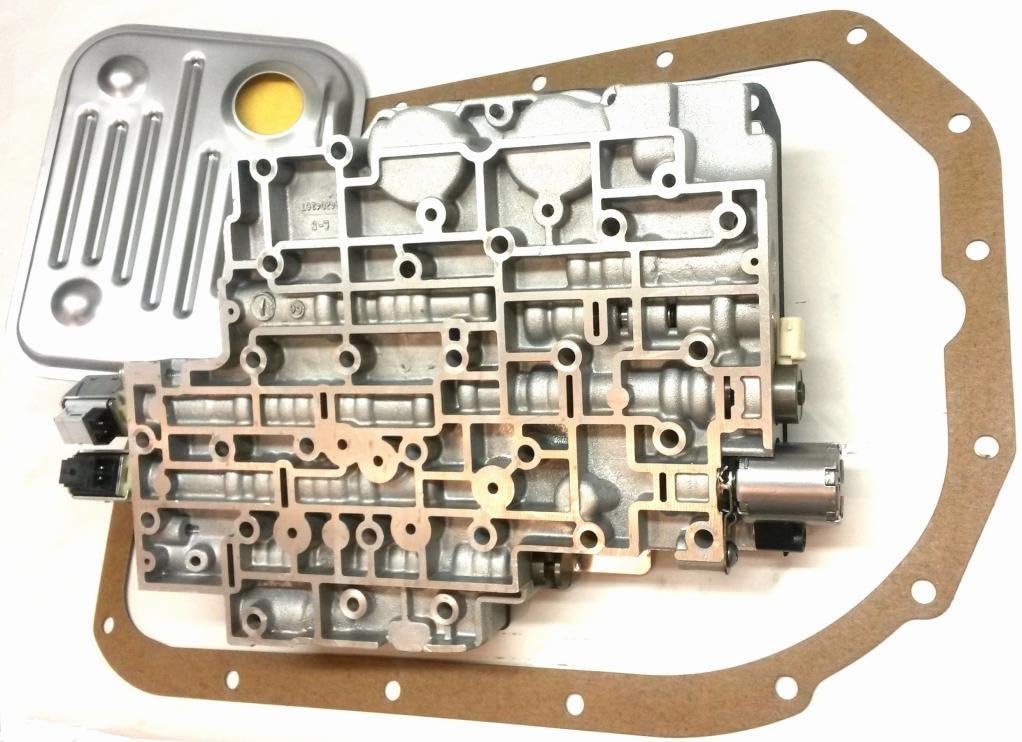
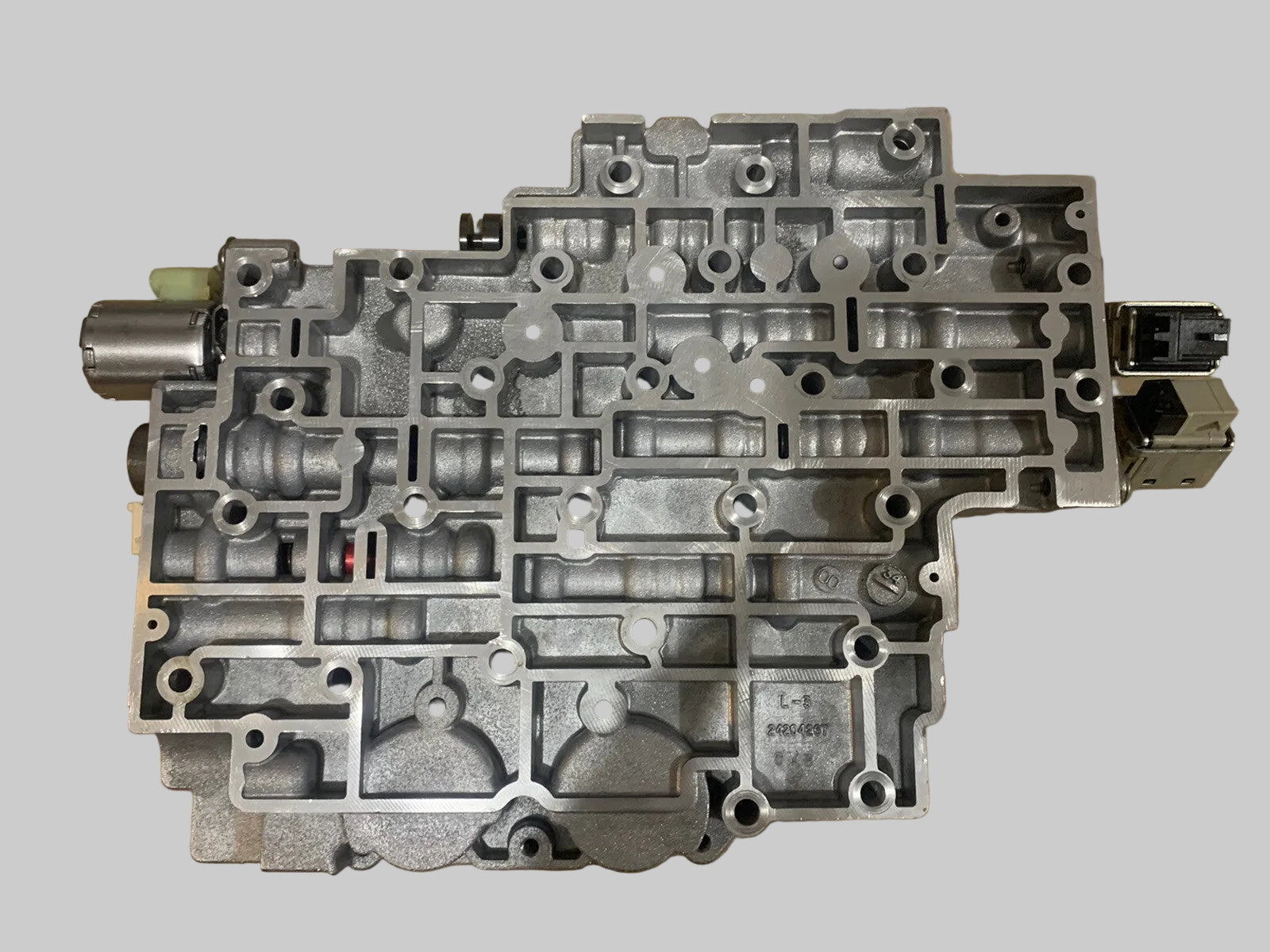
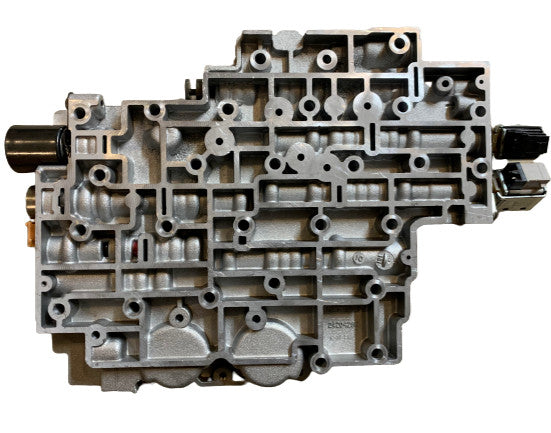
What the Valve Body Does on a 4L80E
The 4L80E is a hydraulically shifted, electronically controlled transmission. Two shift solenoids and a PWM electronic pressure control (EPC) solenoid tell the valve body what to do, but the valve body itself does the heavy lifting: it converts pump output into a controlled line pressure, then routes that pressure to the right clutch or band for each gear. The pressure regulator valve and its boost valve live in the pump and set line pressure; the shift valves route apply oil; and checkballs seal off passages so oil goes where it should.
Here is the detail that explains most of the wear complaints: the PR valve and boost valve are adjusting pressure constantly — thousands of times per drive cycle as throttle and EPC change — which makes them among the most active valves in the unit and, per Sonnax, some of the most common wear areas inside any transmission. Aluminum bores plus constant valve movement equals wear, and worn clearances let oil cross-leak between passages.
Symptoms of a Worn 4L80E Valve Body
Valve body wear produces a fairly recognizable list of complaints. What you see depends on which bore is worn, because different leak paths push line pressure in opposite directions:
- Slipping or no line rise under throttle. Wear between the line-pressure and exhaust passages, or in the boost assembly, lets pressure bleed off. There is less oil pushing the PR valve, so line pressure stays low and clutches slip under load.
- Uncontrollable high line pressure. On '95-later 4L80E/4L85E units, wear that lets reverse-boost oil cross-leak into the torque-signal circuit drives line pressure to 500-600 psi. That over-pressure is a known cause of broken direct clutch drums and cracked cases.
- Buzzing noise, especially in Park/Neutral or Reverse. Oil leaking past the aluminum balance plug at the end of the PR valve unbalances the valve and sets up a buzz along with high line pressure.
- No reverse, or reverse that is late, slipping, or harsh. The direct clutch is shared by 3rd, 4th, and Reverse; a leaking or missing checkball in the valve body, or a worn reverse checkball sleeve, can starve the reverse apply.
- Harsh, flaring, or erratic shifts, TCC shudder, or a stored code. Erratic pressure regulation shows up as shift-quality problems and can trip a code or drop the unit into limp.
The Common Wear Points, and What Causes Them
1. Pressure regulator and boost valve bores (the usual suspect)
Because the PR and boost valves move constantly, their bores wear first. A worn boost valve sleeve lets reverse oil leak past it, and a worn end/balance plug throws the PR valve out of balance — the result is either lost line rise or uncontrolled high pressure and buzz. Sonnax addresses this with O-ringed boost sleeves that also compensate for pump-cover bore wear, and with oversized PR and boost valves that restore a proper seal in a worn bore.
2. Reverse checkball sleeve in the 3-4 shift valve bore
Sonnax notes that '95-later 4L80E/4L85E units commonly wear the reverse checkball sleeve located in the 3-4 shift valve bore. That wear is part of the same reverse-boost cross-leak story that drives line pressure high and cracks drums and cases.
3. Sticking spool valves and worn checkball sleeves
Debris, varnish, and bore wear cause spool valves to hang up. In a no-reverse diagnosis, Sonnax specifically calls out inspecting the valve body for sticking valves and checking checkballs #7 and #11, which ride in sleeves in the valve body and have both been known to cause problems. A missing or leaking checkball can mimic a mechanical clutch failure.
Our remanufactured 4L80E valve bodies come with the boost/PR valve bores corrected and updated checkball sleeves already fitted — the exact wear areas above — so line pressure comes back into spec without gambling on a used core.
Shop remanufactured 4L80E valve bodies →How to Test Your 4L80E Valve Body
The whole game is splitting the circuits — separating the hydraulic, electrical, and mechanical causes so you fix the actual problem instead of guessing. Have a line pressure test spec sheet with the test-port locations, and a clutch-and-band application chart, on the bench before you start. Work the steps in order:
- Put a gauge on the line pressure port first. Before you drain fluid or drop the pan, connect a line pressure gauge to the case test port. This one reading separates a pressure/valve-body problem from a mechanical one and often saves an unnecessary teardown.
- Test line pressure in each relevant gear, low and high side. A single gear reading is not enough. Test in Reverse, 3rd, 4th, and manual 1st, and verify both the low side (light throttle) and the high side (heavier throttle) fall within the spec chart for that gear. Third and fourth require a road test with the gauge readable from the driver's seat.
- Keep the gauge outside the vehicle if it is mechanical. Route a mechanical gauge and hose outside the cabin on the road test so a leaking gauge or hose never puts oil inside the vehicle. Make sure the gauge is secured and easily viewed.
- Read the pressure pattern. Low pressure that will not rise with throttle points to boost/PR bore wear or a bleed-off leak. Uncontrolled high pressure (500-600 psi range) plus buzz points to reverse-boost cross-leak or a leaking balance plug. In-spec pressure in 3rd and 4th tells you the shared direct clutch is capable and good.
- Split the circuit electrically. If reverse is the complaint, unplug the transmission connector to force max/default line pressure and retest reverse. If reverse returns, chase the electrical side (speed reference, solenoids). If it still fails, the problem is hydraulic or mechanical — but remember max pressure can mask a small leak. On a 4WD truck, know where the speed reference actually comes from before you chase it: ATRA Technical Bulletin #266 documents that GM deleted the transmission output speed sensor and its toothed wheel on 4WD 4L80E units in 1994 and moved output speed pickup to the transfer case, and warns against interchanging output planetary carriers between output-VSS and non-output-VSS units.
- Watch the pressure control solenoid command, not just the gauge. Line pressure on this unit is commanded electronically off engine load, so the scan tool tells you whether the computer is even asking for pressure. GEARS puts the GM target at roughly 0.9 to 1.1 amps of PCS command at idle with about 10% engine load, falling to 0.2 to 0 amps at wide-open throttle as engine load reaches 90-100% before the 1-2 shift. If the gauge is low but the command is also low, the valve body is doing exactly what it was told and your problem is upstream.
- Inspect the valve body on the bench. With the valve body off, check each spool valve for sticking and free travel, look at the PR and boost valve bores for wear, and confirm the checkball sleeves (including #7 and #11) and their balls are present and sealing. A quick field check on a boost valve: slide it into its sleeve backward and move it toward the worn zone — a valve that flops side to side has found a worn bore.
- Confirm before you condemn. Clean fluid with out-of-spec pressure and sticking valves means the fix lives in the valve body. Dark, burnt fluid with debris means a mechanical failure (clutch/band/drum) is also in play and the unit has to come apart.
Doing the job? Our line pressure testing walkthrough covers gauge setup and port locations in detail, and the full 4L80E service guide covers the rest of the unit.
When low line pressure is not the valve body at all
One 4L80E trap is worth knowing before you sell a valve body to a diesel customer. Gregg Nader of the Sonnax TASC Force documented in Transmission Digest that on 1994-and-later 6.5L diesel trucks with the electronic injection pump, a worn or scored pump lets extra fuel through past the electronic controls. The truck then accelerates from a stop on only 2% to 10% throttle instead of the normal 50% to 100%, and because the computer sets line pressure from throttle position and engine speed, it never commands the EPC rise the shift actually needs. The result is soft sliding shifts and burned forward, intermediate and direct clutches on a transmission whose hydraulics were fine.
The check takes two minutes: engine hot, transmission in Park or Neutral, bring engine speed up and try to hold it at 2,000 rpm. If the speed keeps climbing while you hold the throttle steady, suspect the injection pump. A truck can idle and drive acceptably with that as the only obvious symptom, which is how the transmission ends up taking the blame twice.
Repair or Replace the Valve Body?
Once testing pins the problem to the valve body, you have two honest paths:
| Situation | Best fix |
|---|---|
| Single worn boost/PR bore, clean unit, experienced builder | Targeted repair: oversized PR/boost valve or O-ringed boost sleeve kit |
| Multiple worn bores, sticking valves, or unknown history | Remanufactured valve body with corrected bores and updated sleeves |
| High line pressure that already cracked a drum or case | Replace the damaged hard part plus a corrected valve body |
Piecemeal valve kits work well when one bore is worn and you have the tooling and reaming skills to install oversized valves correctly. But when several bores are worn or the core's history is unknown, a remanufactured valve body that already has the boost/PR bores corrected and the updated checkball sleeves fitted is the faster, more predictable fix — you are not gambling on a used casting that may fail the same test again. Whichever route you take, always retest line pressure in every gear after the repair to prove the fix before the unit goes back in service.
Sources
- Sonnax — Diagnosing the Elusive No Reverse with the 4L80-E, on splitting hydraulic/electrical/mechanical circuits, line-pressure testing in Reverse/3rd/4th/manual 1st, checkballs #7 and #11 in valve-body sleeves, and the '95 boost valve change. sonnax.com/tech_resources/88
- Sonnax — Boost Valve Kit 34200-01K, on worn boost valve sleeve allowing reverse oil leakage, worn end plug unbalancing the PR valve, high line pressure/buzz from balance-plug leakage, and pump-bore wear compensation. sonnax.com/parts/1985-boost-valve-kit
- Sonnax — Line Pressure Booster Kit 4L80E-LB1, on pressure regulator springs/boost valves and how boost-assembly wear affects line rise and clutch holding capacity. sonnax.com/parts/2170-line-pressure-booster-kit
- Sonnax — Oversized Pressure Regulator & Boost Valve Kit 104520-16K, on restoring a proper seal in worn PR/boost bores to correct out-of-spec line pressure. sonnax.com/parts/5941-oversized-pressure-regulator-boost-valve-kit
- Sonnax — Sure Cure Kit SC-4L80E, comprehensive valve-body reconditioning reference including the '95-later reverse checkball sleeve wear in the 3-4 shift valve bore and uncontrollable line rise causing broken drums/cases. sonnax.com/parts/3030-the-sure-cure-kit
- Transmission Digest — "Low Line Pressure in 4L80-E in Diesel-Powered Trucks," Gregg Nader (Sonnax TASC Force), March 1, 2002. Backs the diesel injection pump path to low line pressure: the 1994-later 6.5L electronic injection pump with APP sensor and no throttle cable, internal wear letting extra fuel bypass the electronic controls, the truck accelerating on 2%-10% throttle instead of 50%-100%, the computer therefore not commanding enough EPC/line pressure rise, the resulting soft sliding shifts and burned forward, intermediate and direct clutches, and the hold-at-2,000-rpm test in Park or Neutral. transmissiondigest.com
- ATRA / GEARS Magazine — "Controlling Pressure: General Motors," Rob Faucett, August 8, 2023. Backs the pressure control solenoid targets used in the testing section: approximately 0.9-1.1 amps of PCS command at idle with around 10% engine load, dropping to 0.2-0 amps at wide-open throttle with engine load at 90-100% before the 1-2 shift, the actuator feed limit valve supplying regulated oil to the solenoid, and that solenoid oil acting on the spring side of the pressure regulator valve to raise line pressure. gearsmagazine.com
- ATRA — Technical Bulletin #266, "4L80E Updates." Backs the 1994 deletion of the transmission output speed sensor and its toothed wheel on 4WD 4L80E units with output speed pickup moved to the transfer case, and the warning not to interchange output planetary carriers between output-VSS and non-output-VSS units. atracom.blob.core.windows.net (PDF)