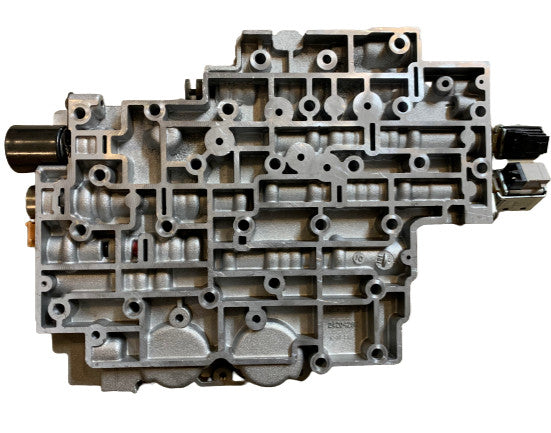
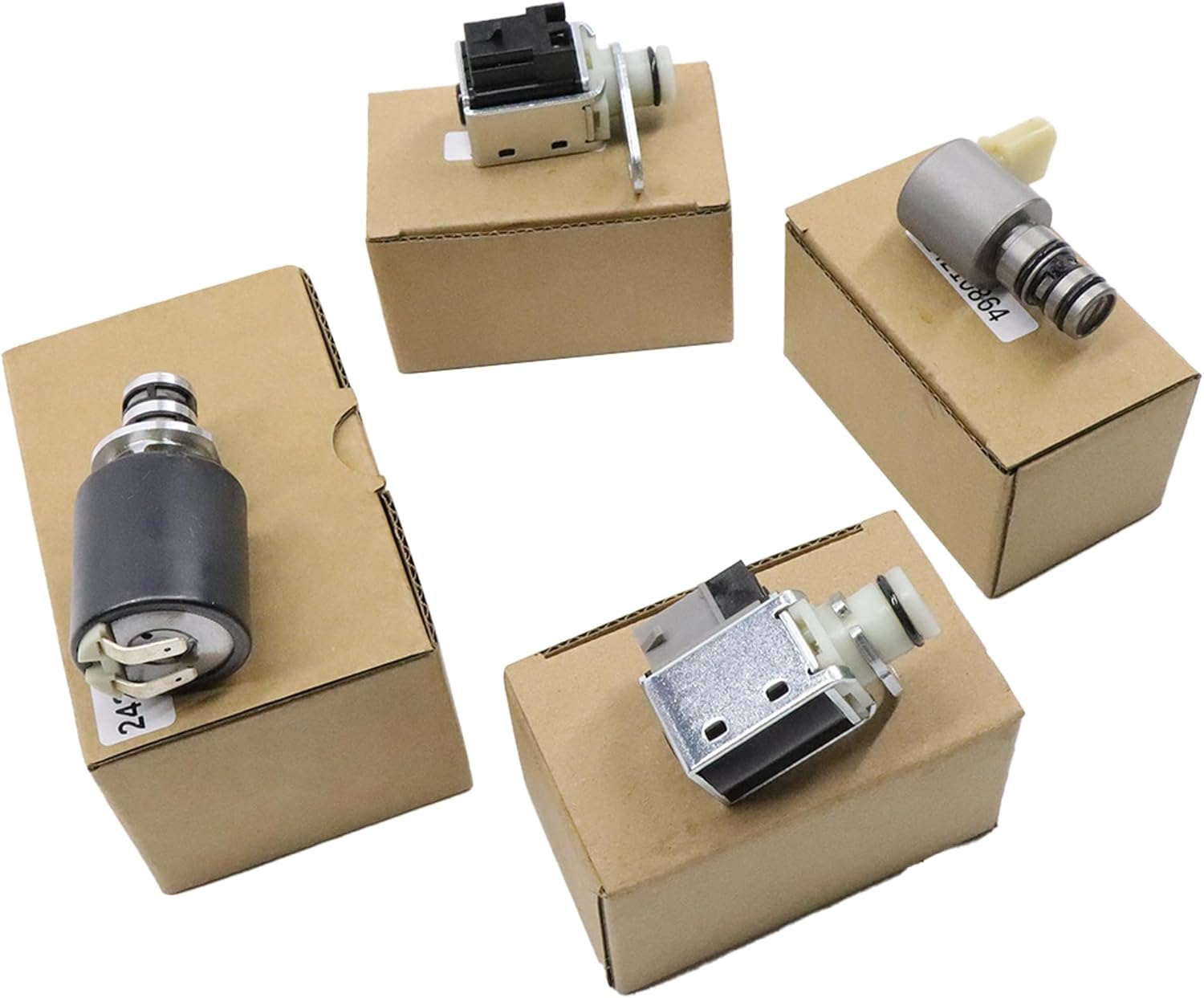
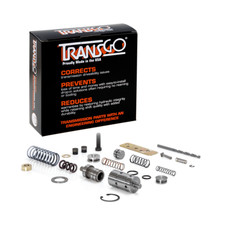
A 1997-2002 4L80E that flares on the 1-2 shift, slips before a gear catches, shudders on the torque converter clutch at light cruise, or throws a solenoid or ratio code and drops into limp mode usually has a worn valve body behind it. This listing is a remanufactured 4L80E valve body matched to casting 24204267, the casting used across these model years, assembled with solenoids and bench-verified before it ships.
What the valve body does in a 4L80E
The valve body is the hydraulic brain of the 4L80E. Pump output passes through its pressure regulator, boost, actuator-feed-limit and TCC-apply circuits, and the 1-2 and 2-3 shift valves time exactly when each clutch pack and band gets filled. The pressure control and shift solenoids the PCM commands are carried on this same assembly, so a worn bore and a tired solenoid both show up as the same kind of shift complaint.
Symptoms and known failures for this era
- Harsh, late, or flared 1-2 and 2-3 upshifts
- Slipping between gears, or no upshift under load
- Torque converter clutch slip or shudder at light throttle
- Limp mode with a shift-solenoid, pressure-control-solenoid, or ratio-error code
- On this era specifically: reverse checkball sleeve wear in the 3-4 shift valve bore can let line pressure climb uncontrolled, which has been documented as a cause of broken drums and cracked cases if it goes unaddressed
1997-2002 trucks also fall inside the window where GM deleted the separate output speed sensor and toothed wheel on 4WD units, moving output-speed pickup to the transfer case — don't interchange output planetary carriers between VSS and non-VSS units if you're mixing parts. See our 4L80E speed sensor symptom guide for how that shows up on a scan tool.
How to confirm it before you buy
Pull codes first, then run a line-pressure test in Reverse, 3rd, 4th and manual 1st against the factory chart. Pressure that reads low across every gear points to the pressure regulator and boost circuit; pressure that reads high or climbs uncontrolled points to the worn checkball sleeve in the 3-4 bore noted above. Our valve body wear and bench-fix guide covers the bore-by-bore test procedure, and the valve body testing guide walks through the split-the-circuits method so the diagnosis is confirmed before you spend money.
Fitment
Built for the 1997-2002 4L80E, used behind GM's gas V8s and the 6.5L diesel in the 1991-2009 Chevrolet and GMC 2500/3500 pickups, Suburban 2500, and Express/Savana vans. This valve body is matched to casting 24204267 — check the casting number stamped on your old unit before ordering, since the 4L80E changed internally more than once across this run and a casting mismatch is the most common fitment mistake. If you're not sure which casting you have, confirm your VIN and build date against our 4L80E parts collection or send us the casting number and we'll match it.
Install notes
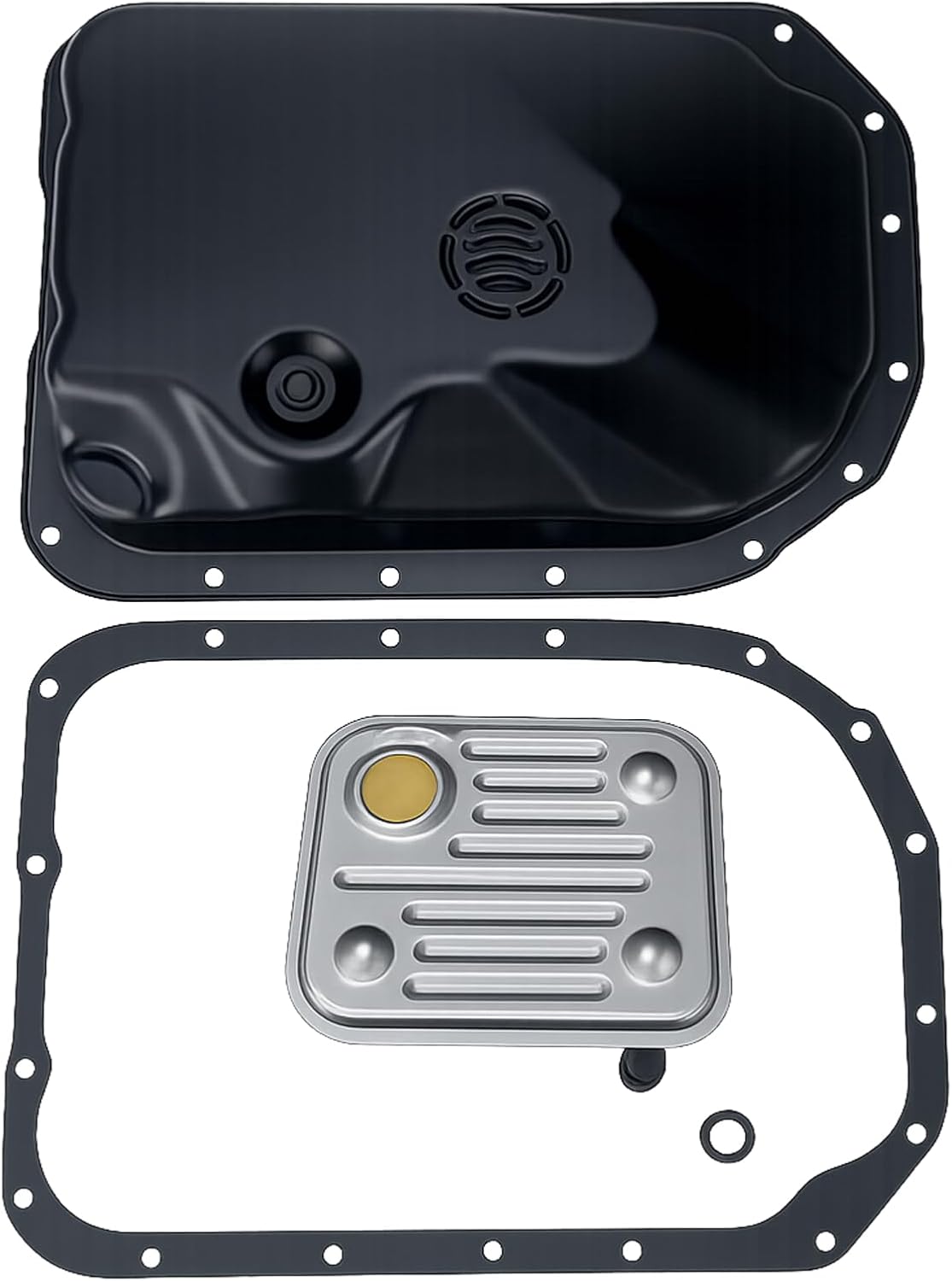
Change the fluid and filter to fresh Dexron VI ATF at the same time as the valve body so debris from the old failure doesn't circulate into the new unit. Torque the bolts in sequence to spec, not crossed down at random, and run the adaptive shift relearn afterward so the PCM stops compensating for the old unit's wear. If the old valve body let pressure run high, inspect the clutch packs for burn before you close it up — pair this install with an overhaul kit if the frictions show heat damage.
Sources
- Sonnax, "Sure Cure Kit SC-4L80E" valve-body reconditioning reference
- ATRA Technical Bulletin #266, "4L80E Updates"