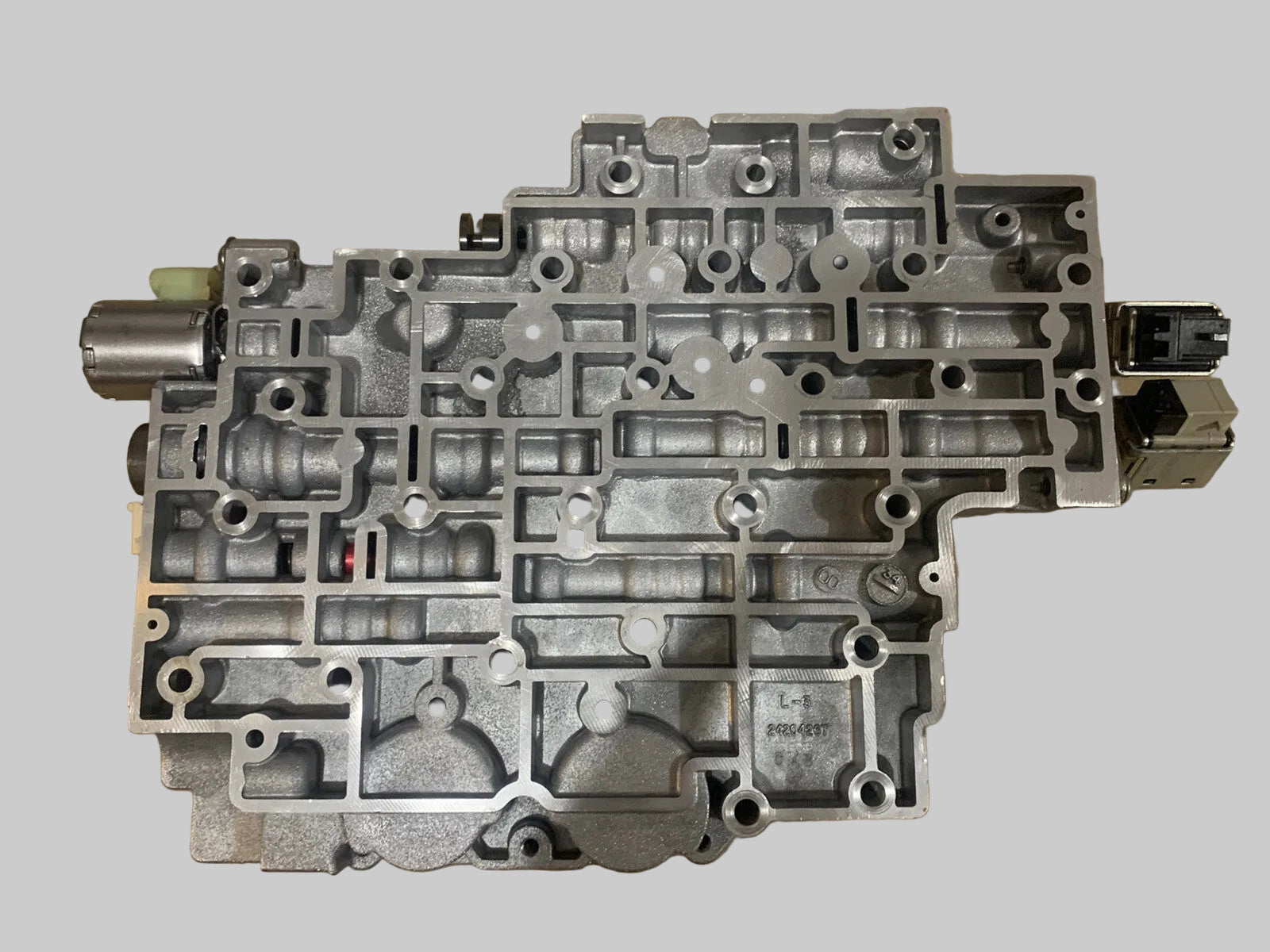
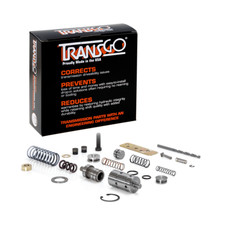
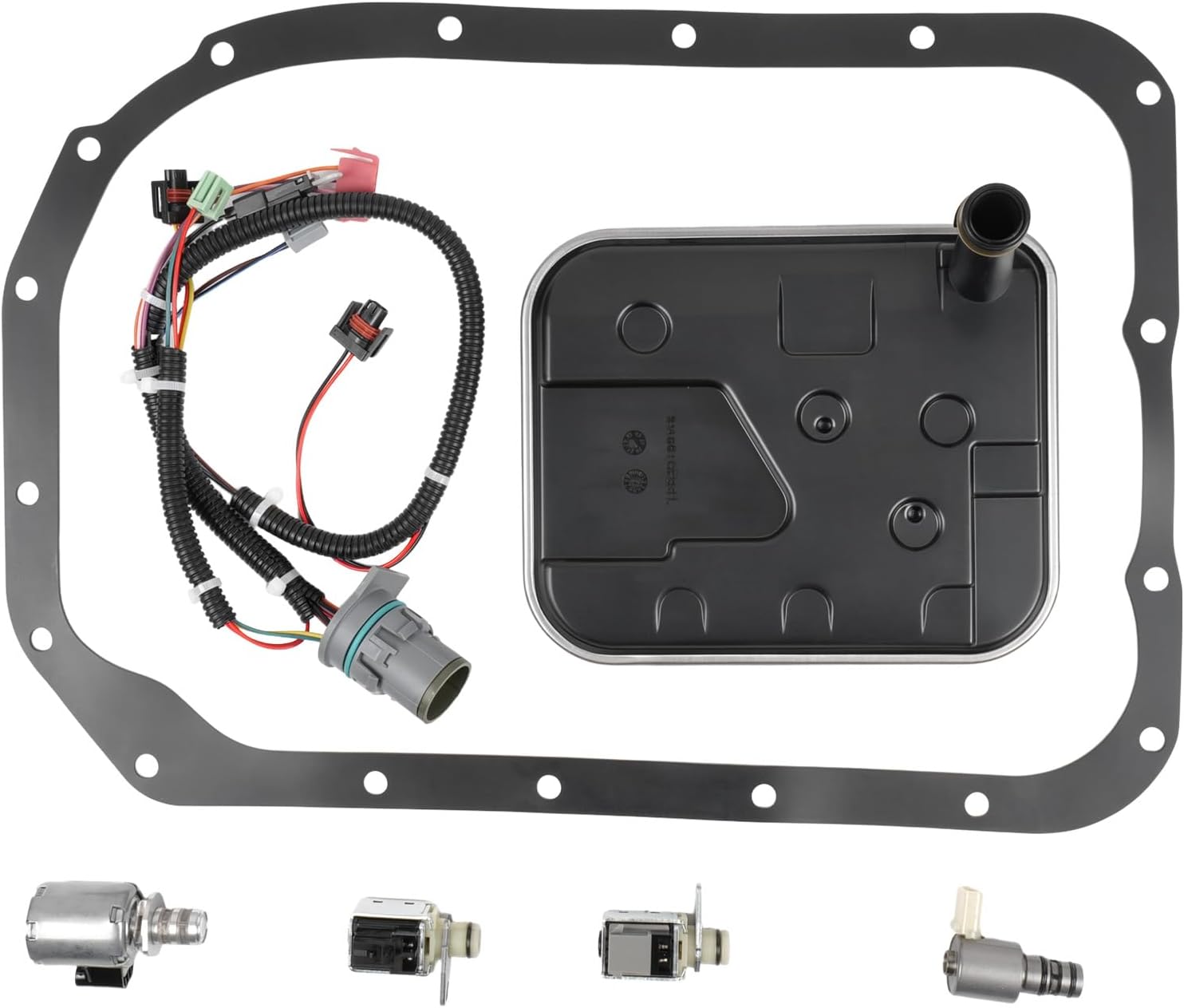
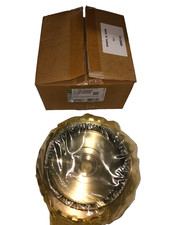
If your 2003-or-newer 4L80E is flaring on the 1-2 shift, shuddering under light throttle on the torque converter clutch, slipping before it grabs, or dropping into limp mode with a shift or pressure solenoid code, the valve body is the usual suspect. This listing is a remanufactured 4L80E valve body built for 2003-and-up applications, assembled with solenoids and bench-tested before it ships.
What the valve body does in a 4L80E
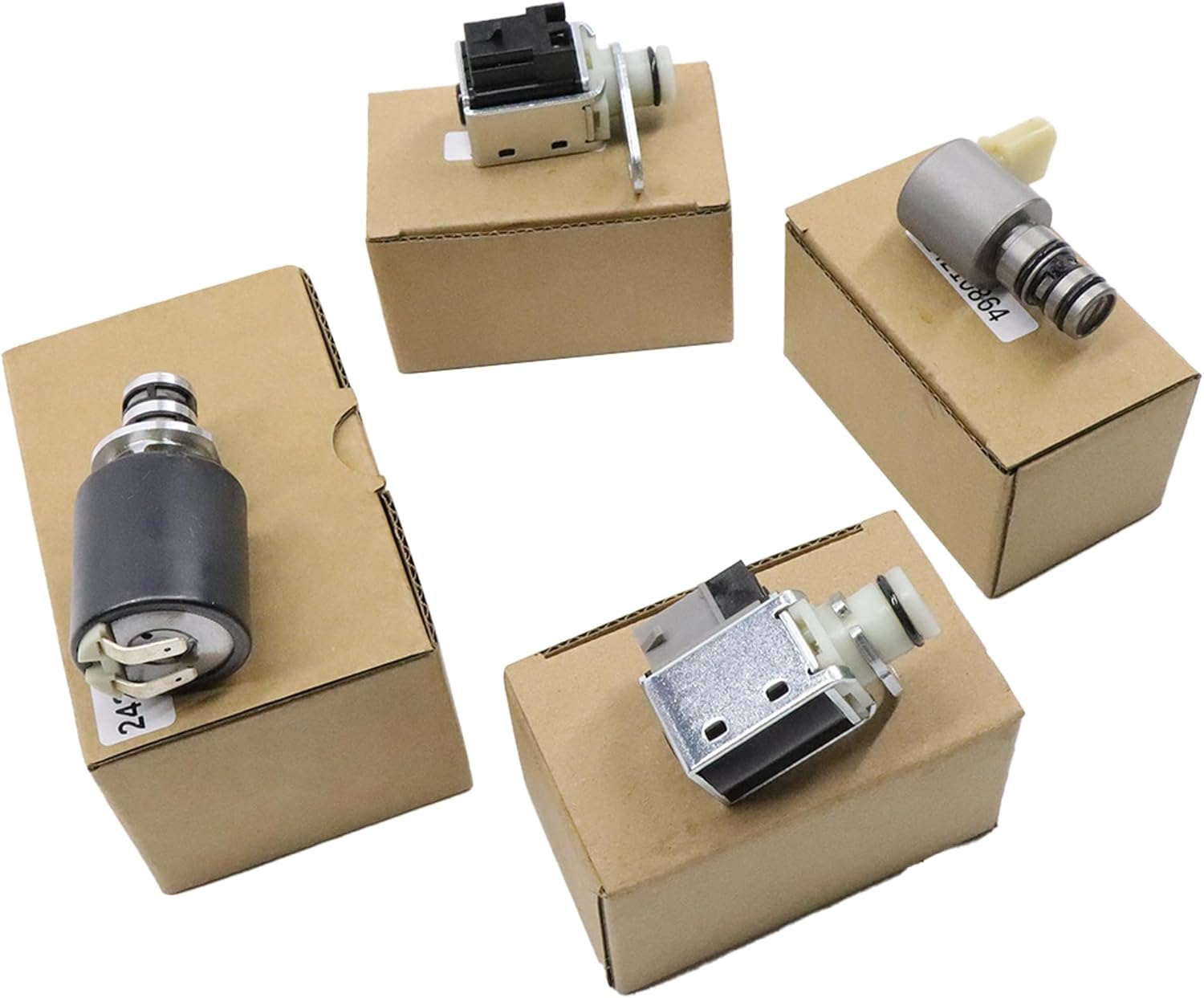
The valve body is the hydraulic brain of the 4L80E. It takes pump output and meters it through the pressure regulator, boost, actuator-feed-limit and TCC-apply circuits, then times the 1-2 and 2-3 shift valves to fill each clutch pack and band at the right pressure and the right moment. On the electronically controlled 4L80E, the pressure control and shift solenoids that the PCM commands live in or on this same assembly, so a worn bore or a tired solenoid shows up as the same kind of complaint: a shift that is late, flared, or missing altogether.
Symptoms that point to this part
- Harsh, late, or flared 1-2 and 2-3 upshifts
- Slipping between gears, or no upshift at all under load
- Torque converter clutch slip or shudder, especially at light cruise
- Limp mode with a shift-solenoid, pressure-control-solenoid, or ratio-error code stored
- On 2003-and-up trucks specifically: pressure control solenoid complaints where PCS current at idle sits outside roughly 0.9 to 1.1 amps, tapering toward 0.2 amps or less at wide-open throttle
The 4L80E as a platform is also known for input and output speed sensor faults and worn bushings that bleed off line pressure, so if the symptoms above come with a speed-sensor code, check that circuit too before you assume the valve body alone is at fault — see our 4L80E speed sensor symptom guide.
How to confirm it before you buy
Don't replace the valve body on a hunch. Pull codes first, then verify with a line-pressure test in Reverse, 3rd, 4th and manual 1st against the factory pressure chart — low readings across the board point to the pressure regulator and boost circuit inside the valve body, while a single-gear problem points somewhere else. Our 4L80E valve body testing guide walks through the split-the-circuits method so you're not guessing, and the pressure control solenoid symptom guide covers how to isolate a bad PCS from a worn valve bore using scan-tool amperage readings.
Fitment
This valve body is built for the 2003-and-up 4L80E, used behind GM's 6.0L and 8.1L gas V8s and the 6.6L Duramax diesel in the 1991-2009 Chevrolet and GMC 2500/3500 pickups, Suburban 2500, and Express/Savana vans. The 4L80E went through several internal revisions over its production run, including changes to the boost valve and the pressure regulator assembly, so match your casting and connector style rather than the model year alone, or confirm your VIN and build date against ours before ordering. For the model's full range of valve body variants and the rest of our 4L80E catalog, see the 4L80E parts collection.
Install notes
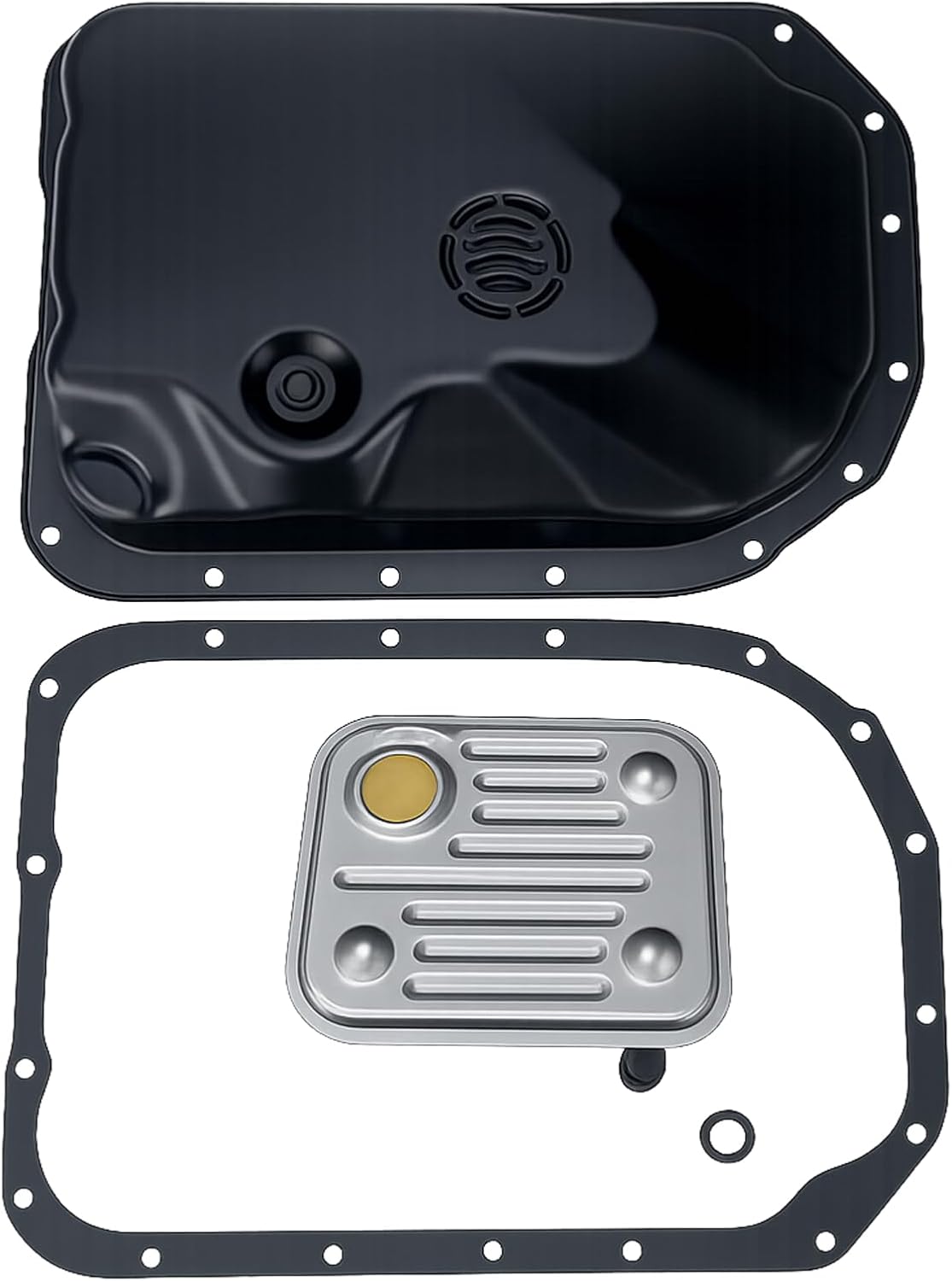
Drop the pan, change the filter, and refill with Dexron VI ATF at the same time you install this valve body so debris from the old unit doesn't circulate through the new one. Torque the valve body bolts in sequence to spec rather than crossing them down in a pattern, and after installation run the PCM's adaptive shift relearn so the computer stops compensating for the old unit's wear. If the old valve body cooked a clutch pack on its way out, pair this with an overhaul kit or at minimum fresh frictions so the new valve body isn't applying pressure to clutches that are already glazed.
Sources
- Sonnax, "Diagnosing the Elusive No Reverse with the 4L80-E"
- ATRA / GEARS Magazine, "Controlling Pressure: General Motors"