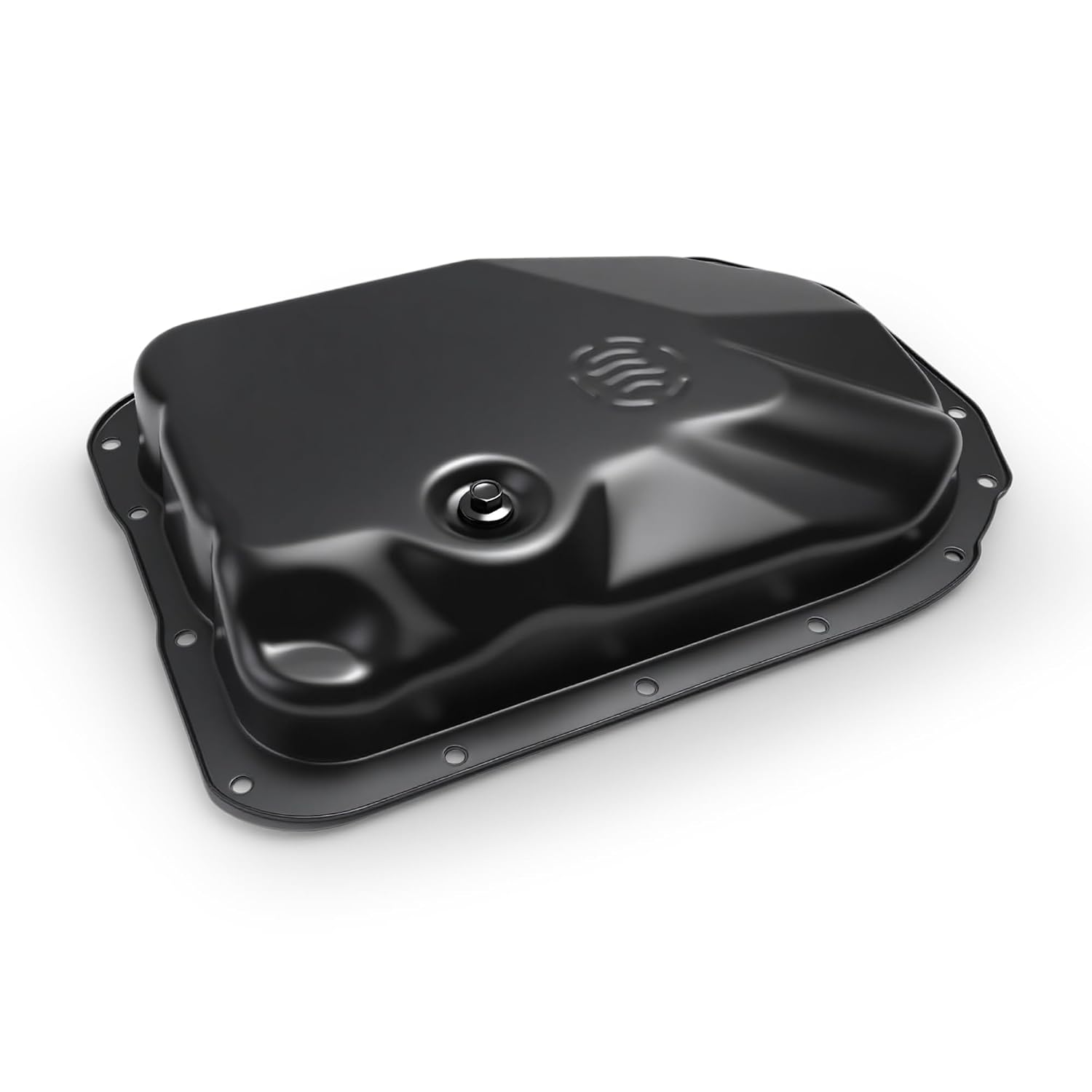
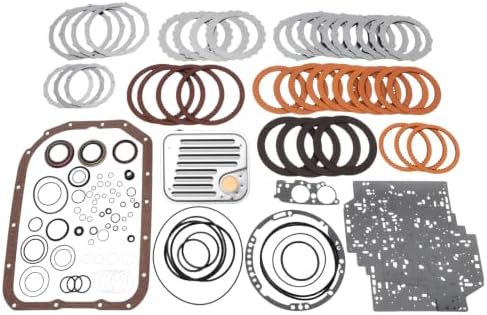
If you are rebuilding a 4L80E or 4L85E out of a heavy GM truck, van or swap project and want it to stop eating direct clutches, the TransGo SK 4L80E is the kit most rebuilders start with. It is aimed at the two complaints these units are known for: a soft, slipping 2-3 shift under load and pressure that either sags or runs away as the pump wears. This is the TransGo part sold through rebuild suppliers as T34165E (Transtar and WIT) and K34908E (MST), new in the package with TransGo's printed instructions.
How the SK kit works inside a 4L80E
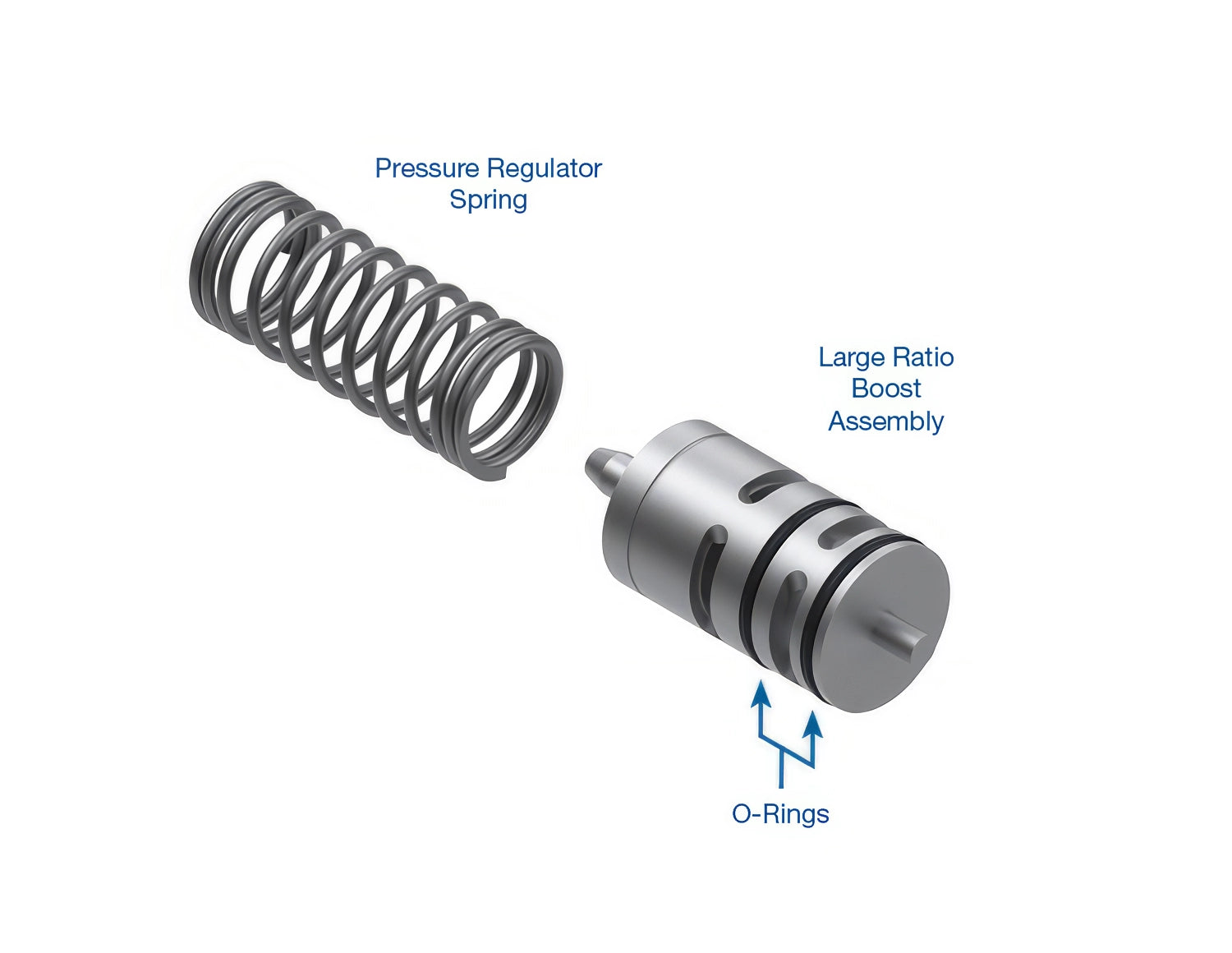
Line pressure in a 4L80E starts at the pressure regulator in the pump. The computer raises it under throttle through the EPC solenoid, and the boost valve turns that signal into extra pressure for the clutches. The boost valve and its bushing wear with mileage. TransGo describes the result going two ways: not enough boost, which gives a soft 2-3 shift and a burned direct clutch, or runaway boost, which can split the case and break the direct drum and piston.
The SK kit replaces the stock boost valve with a hardened, wide land, self-cleaning valve and bushing so pressure rise keeps working. An EPC boost relief valve sets a ceiling on pressure. Revised regulator springs, accumulator springs and feed changes in the valve body, case and pump give a slight line pressure increase and shorter shifts that still feel smooth in a daily driven truck.
SK or HD2: which TransGo kit to buy
TransGo makes two 4L80E kits. The SK is the durability kit: it corrects pressure regulation and shift timing without changing the feel much. The TransGo 4L80E-HD2 kit goes further, with a laminated triple separator plate that dual feeds the 3rd gear clutch and a higher line pressure curve, for heavy towing and built engines. A stock or lightly modified 2500 or 3500 that tows occasionally is a good match for the SK.
Problems it corrects
- Soft or long 2-3 shift and direct clutch burnout
- Harsh 1-2 shift
- Slow 3-2 downshift
- No upshifts
- Low pressure caused by actuator feed (solenoid) filter breakup
- Broken hard parts from excess pressure
- Codes TransGo lists: 39, 68, 85, 86, 87 on early trucks; P0731-P0734, P0751, P0756, P0894 and P1870 on OBD-II trucks
Rule out the electrical side first
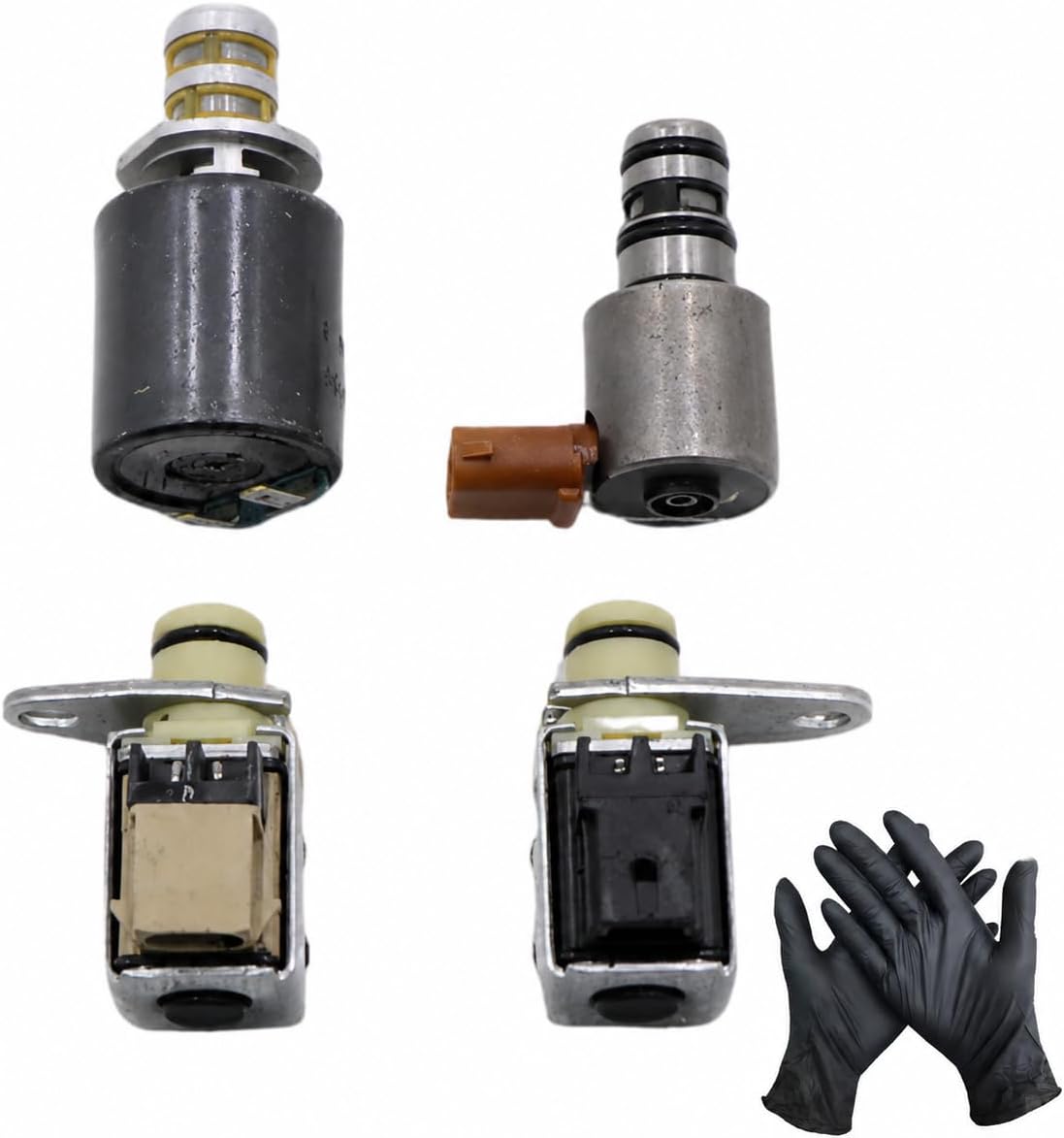
A shift kit cannot fix a dead solenoid, a shorted harness or a bad speed sensor, and several of the codes above come from those parts too. Sonnax notes that low solenoid feed pressure from a worn actuator feed limit valve also brings on solenoid performance codes, which is why the SK kit's actuator filter plug matters. Measure solenoid resistance and check line pressure as shown in our 4L80E harsh shift causes guide, and check the EPC solenoid with the pressure control solenoid symptoms guide before committing to a kit.
Fitment
TransGo lists the SK 4L80E for 1991-2013 General Motors vehicles with the 4L80E or 4L85E. That includes Chevrolet and GMC 2500 and 3500 pickups, Suburban 2500, Express and Savana vans, Hummer H1, and 4L80E swaps behind LS and big-block engines. The 4L80E received updates over the years, so the instructions split some steps by year and valve body; follow the ones for your unit. Not sure what you have? Send us the year and VIN, or see the 4L80E collection.
Install notes