The 4L85E is the heavy-duty version of the 4L80E, built on the same case, the same valve body family and the same electronic controls, so the torque converter clutch (TCC) on a 4L85E works exactly like the one on a 4L80E. Most guys end up here after a scan tool threw P0741 or P1870, or after a shudder that only shows up on light throttle at highway speed. Before you start throwing parts at it, it helps to know what the computer is actually commanding and what has to physically fail to produce each symptom, because a stuck-off lockup and a shuddering lockup have different root causes even though both start with the same two letters: TCC.
How the 4L85E's TCC Actually Locks Up
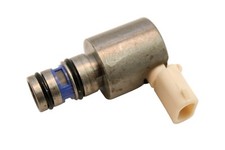
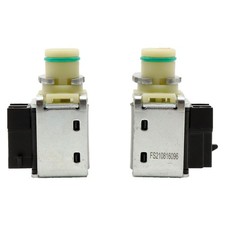
The torque converter clutch is not a simple on/off switch. The PCM commands lockup through a pulse-width modulated (PWM) solenoid, meaning it varies the solenoid's duty cycle to ramp apply pressure up smoothly instead of slamming the clutch together at a fixed line pressure. That PWM solenoid feeds a TCC regulator valve in the valve body, and that valve's job is to turn the solenoid's signal into a clean, controlled apply pressure at the converter clutch piston. Every part of this system, the PCM logic, the PWM solenoid, and the regulator valve bore it lives in, is shared between the 4L80E and the 4L85E, so a fault that shows up in a 4L80E tech article applies directly to a 4L85E with the same symptom.
What Triggers P0741 vs. P1870
These are not two different problems, they're the same fault reported from two different gears. Sonnax's own technical write-up on these GM converter codes explains that on the 4L80-E, the PCM sets P0741 when it detects TCC slip in 3rd gear and P1870 when it detects the same kind of slip in 4th gear. The trigger condition is specific: TCC duty cycle has to be above 50 percent while slip exceeds 180 RPM for a continuous 7 seconds, and that has to happen twice in the same ignition cycle before the code actually sets. That threshold is built to ignore a one-off blip in traffic, so if either code is setting repeatedly, you have a real, repeatable fault, not noise.
GM's own 2005 4L80E diagnostic parameters document (OBD set conditions, which apply to the shared 4L80E/4L85E controls) puts it in numbers: P0741 sets when TCC slip is 125 rpm or more while the TCC is commanded on in 2nd and/or 3rd gear only, and GM notes that high TCC slip in 4th is caught by P1870, transmission component slipping, instead. That is why a converter that only slips under load in overdrive never sets P0741.
Per the same source, known causes behind either code include a worn TCC regulator valve bore, a defective TCC PWM or apply solenoid, a restricted separator-plate solenoid feed orifice, or a converter clutch that's physically worn enough to slip under the commanded apply pressure. Notice that three of those four causes are hydraulic or mechanical, not electrical, which is why swapping the solenoid first and hoping is the slowest way to chase this fault.
Diagnostic Sequence That Doesn't Waste a Converter R&R
- Pull live data before touching anything. Confirm the PCM is actually commanding lockup, then watch TCC duty cycle and TCC slip RPM together. You're looking for duty cycle climbing past 50 percent while slip refuses to drop below that 180 RPM threshold.
- Rule out the inputs that gate lockup scheduling. A brake switch that reads closed, a lazy TPS signal, or a faulty output speed sensor can all keep the PCM from commanding or holding lockup in the first place, which looks identical to a solenoid or valve problem until you check it. ATRA Technical Bulletin 266 shows how directly this works on the 4L80E family: a brake switch code (stuck on or stuck off) makes the PCM inhibit TCC and inhibit 4th gear in hot mode, and an input speed sensor code also inhibits TCC. Clear those codes first.
- Check the PWM solenoid circuit. Power, ground, and resistance against spec at the connector. A solenoid that reads correctly electrically can still be hydraulically weak internally, so don't stop here if the numbers look fine but the symptom persists.
- Check the TCC regulator valve bore before you condemn the solenoid. This is the step most techs skip, and it's the one covered in detail below.
- Only then look at the converter itself. If the valve body and solenoid both check out hydraulically and electrically, and slip is still excessive, the converter clutch lining itself may be worn or glazed.
The Step Most Techs Skip: TCC Regulator Bore Wear
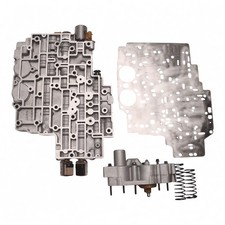
This is the piece that explains why a brand-new solenoid sometimes doesn't fix the problem. TransGo's documentation for its 4L80E/4L85E TCC regulator valve kit lays out the actual failure mechanism: the PCM's constant pulse-width modulation of the TCC solenoid physically oscillates that valve in its bore every time the converter cycles toward or away from lockup. Over enough miles, that constant movement wears the aluminum valve body bore the regulator valve rides in. Once the bore is worn, the PCM can no longer translate solenoid duty cycle into clean, controlled apply pressure, because pressure is leaking around the worn valve instead of building against the converter clutch piston. The listed result is exactly the symptom set covered above: TCC slip, codes 39, 68, P0741 and P0894, and, if it runs long enough, actual converter clutch damage from sustained slip under load.
This matters because it means the regulator bore, not just the solenoid or the converter, is a legitimate wear item on a 4L80E/4L85E with real miles on it. A drop-in replacement valve with a longer, better-supported land and a fresh seal restores the sealing surface the factory valve relied on, without having to machine the bore or swap the whole valve body.
4L80E/4L85E TCC Regulator Valve & Solenoid Fix
If the regulator bore has worn past the point a new solenoid can fix, the regulator valve and the TCC solenoid both live in GBI's own 4L85E catalog above, in stock and shipped same day. For the full aftermarket valve-body component catalog, including regulator valve kits, CoreTransmissionParts carries the broader 4L80E/4L85E parts line.
Shop 4L80E/4L85E parts at CoreTransmissionParts →Lockup Failure vs. TCC Shudder: Different Diagnosis, Different Fix
A stuck-off or slipping lockup (the P0741/P1870 story above) is not the same complaint as a shudder you feel at steady light-throttle cruise. GM's own documented process for diagnosing TCC shudder on its modern stepped-gear automatics, published through GM TechLink, confirms the condition with two checks: the vibration has to disappear both when the converter clutch is fully locked and when it's fully released, and the vibration frequency has to stay constant rather than tracking vehicle or engine speed. If the shake follows road speed or engine RPM, you're chasing a tire, a mount, or a driveline issue, not the TCC. If it only shows up in that in-between, partially-applied zone, that's TCC shudder.
GM's documented corrective action for a confirmed shudder with degraded (but not destroyed) TCC slip is a full fluid exchange with the correct spec fluid, followed by a verification drive, before any hard parts get replaced. For anything in the DEXRON lineage, that's DEXRON-VI: SAE's record of the GM DEXRON-VI global service-fill specification credits the fluid with real, measurable gains over the DEXRON-III it replaced in friction durability, viscosity stability, aeration and foam control, and oxidation resistance, which is exactly the kind of degradation that produces shudder as fluid ages. If the shudder comes right back after a correct fluid service, you're no longer chasing fluid condition, you're back to the regulator bore and converter checks above.
A Repair Order That Doesn't Come Back
- Pull live TCC duty cycle and slip data before replacing anything; confirm the PCM is actually commanding lockup.
- Clear the brake switch, TPS, and output speed sensor as causes before you touch the solenoid or valve body.
- Test the PWM solenoid electrically, but don't stop there if it reads good and the symptom persists.
- Check the TCC regulator valve bore for wear; a worn bore defeats a new solenoid every time.
- Confirm shudder by checking whether it disappears at full lock and full release, and whether its frequency tracks road/engine speed.
- Service the fluid with the correct DEXRON-VI spec before condemning the converter on a shudder complaint.
- Only replace the converter once the valve body, solenoid, and fluid are confirmed good and slip is still excessive.
FAQ
Why does my 4L85E set P0741 instead of P1870, or both?
On the 4L80-E family that the 4L85E shares its case and controls with, Sonnax's own technical write-up on these codes says the computer sets P0741 for TCC slip detected in 3rd gear and P1870 for TCC slip detected in 4th gear. Which one you get depends on which gear the truck was in when the slip was detected, not on a different underlying fault. Seeing both in the same ignition cycle just means the slip is happening across more than one gear.
What exactly has to happen for the lockup code to set?
Per Sonnax, the PCM has to see TCC duty cycle above 50 percent while slip stays above 180 RPM for a continuous 7 seconds, and that condition has to be met twice in one ignition cycle before the code sets. That is deliberately hard to trigger from a one-time bobble in traffic, which is why a code that sets repeatedly almost always means a real, repeatable hydraulic or electrical fault, not a fluke.
Is it the TCC solenoid or the valve body causing my lockup problem?
Check the valve body first. TransGo's product documentation for the 4L80E/4L85E TCC regulator valve explains that the PCM's constant pulse-width modulation of the TCC solenoid gradually wears the regulator valve bore it rides in, and once that bore is worn the computer loses the apply pressure it needs to control lockup and slip rate even if the solenoid itself tests fine. A solenoid swap on a worn bore brings the symptom right back.
How do I tell TCC shudder apart from a bad motor mount or tire vibration?
GM's own technical bulletin process for TCC shudder, documented on GM TechLink for its modern stepped-gear automatics, confirms the condition by checking whether the vibration disappears both when the converter clutch is fully locked and when it is fully released, and whether the vibration frequency tracks vehicle or engine speed. A vibration that follows engine or road speed is not TCC shudder; one that shows up only in the partial-lockup zone and goes away at full lock or full release is.
Will a fluid change fix a lockup code or shudder?
Sometimes, if the fluid itself has degraded. GM's documented shudder process calls for a full fluid exchange with the correct spec fluid before any hard parts are condemned, and SAE's record of the DEXRON-VI service-fill specification credits it with real gains in friction durability and oxidation resistance over the older DEXRON-III fluid it replaced. But a fluid change will not fix a worn TCC regulator bore or a cut solenoid O-ring, so if the symptom returns after a correct fluid service, move to the hydraulic and electrical checks instead of changing fluid again.
Sources
- Sonnax — "Beyond 1870: GM Converter Codes P0741, P0742 and 1887." Backs the 4L80-E's P0741 (3rd gear TCC slip) vs. P1870 (4th gear TCC slip) code split, the P0741 trigger thresholds (duty cycle over 50%, slip over 180 RPM for 7 continuous seconds, confirmed twice per ignition cycle), and the listed causes: worn TCC valve bores, a defective TCC PWM or apply solenoid, a restricted separator-plate solenoid feed orifice, and a defective converter. sonnax.com
- TransGo — 4L80E/4L85E TCC Regulator Valve (SKU 4L80E-TCC) product documentation. Backs the failure mechanism (PWM solenoid oscillation wearing the TCC regulator valve bore), the 1991-2013 4L80E/4L85E fitment, and the listed symptom/code set: TCC slip, codes 39, 68, P0741 and P0894, and converter damage from sustained slip. transgo.com
- GM TechLink — "Torque Converter Clutch Shudder under Light Throttle Acceleration." Backs GM's own documented TCC shudder confirmation method (vibration absent at full lock and full release; frequency independent of vehicle/engine speed) and the corrective sequence of a fluid exchange before hard-parts replacement. gm-techlink.com
- SAE International — "General Motors DEXRON-VI Global Service-Fill Specification," Paper 2006-01-3242. Backs the DEXRON-VI service-fill specification's origin following GM's early-2005 factory-fill fluid for stepped-gear automatics, and its documented performance gains over DEXRON-III: friction durability, viscosity stability, aeration/foam control, and oxidation resistance. saemobilus.sae.org
- General Motors — 2005 4L80E Transmission Diagnostic Parameters (OBD). Backs the P0741 set condition (TCC slip of 125 rpm or more with TCC commanded on in 2nd and/or 3rd gear only) and GM's note that high TCC slip in 4th is detected by P1870. GM 2005 4L80E diagnostic parameters (PDF)
- ATRA — Technical Bulletin #266, "4L80E Updates." Backs the brake switch stuck on/off codes inhibiting TCC and 4th gear in hot mode, the input speed sensor code inhibiting TCC, and the TCC stuck-on code conditions. ATRA bulletin 266 (PDF)