The quick answer: a 4T65E pan-drop service with a new filter and gasket runs about $70 to $120 in parts if you do it yourself, and roughly $140 to $240 at an independent shop with labor added. A cooler-line exchange that pushes more of the old fluid out costs more on both counts. Neither number is the interesting part. The interesting part is why this particular transaxle punishes neglected fluid harder than a lot of other GM automatics, and that comes down to how it controls line pressure in the first place.
Why this transmission is pickier about fluid than it looks
Most pre-2000s GM automatics set line pressure with a vacuum modulator reading engine load off manifold vacuum. The 4T65E does not. It uses what GM called the Transmission Adaptive Pressure System, TAPS, which replaced the modulator with a pressure control solenoid (PCS) that the transmission control module drives directly. Transmission Digest's TASC Force writeup on this system is blunt about what that means in practice: the TCM is not just setting a pressure, it is adapting that pressure over time based on how the unit is actually shifting, learning and compensating as clutches wear and conditions change.
That adaptive strategy is smart engineering, but it has a blind spot. It is reacting to shift feel and slip, not directly measuring fluid condition. Varnished, oxidized ATF changes apply characteristics the same way worn clutches do, so the TCM's adaptation can spend a while quietly compensating for bad fluid before anything throws a code. ATSG's own technical writing on the 4T65E, titled "Slip-Sliding Away," documents exactly that pattern: codes P0730 (incorrect or undefined gear ratio) and P1811 (maximum adapt, long shift) showing up three to six months after work on the unit, tied to clutch-pack clearance interacting with the TCM's pressure-adaptation logic. Old, degraded fluid pushes that same clutch-apply behavior in the wrong direction.
Three jobs that all get called a "fluid change"
Before pricing anything, figure out which job you are actually buying, because they do not move the same amount of fluid.
1. Drain and fill
Cracking the pan corner or pulling a drain point and letting what is above that level run out. Fast, messy, and it moves less fluid than a proper pan drop, so it is rarely worth the discount.
2. Pan drop, filter and gasket (the standard service)
Pan off, filter and gasket replaced, magnets cleaned, pan wiped out, refill. This only exchanges the fluid that was sitting in the pan. The converter, cooler, and valve body all keep whatever was in them, so this is a partial exchange, and it is the job most people actually mean when they ask for a price.
3. Pan drop plus a cooler-line exchange
Same teardown, then the return cooler line is disconnected and the engine run in short bursts while fresh fluid feeds in at the fill tube, pushing more of the old charge out through the converter and cooler. This gets closer to a full exchange, costs more in fluid, and on a TAPS-controlled unit where the TCM is adapting to clutch feel, it is the better call if the fluid has gone dark or picked up a burnt smell.
The parts bill, itemized
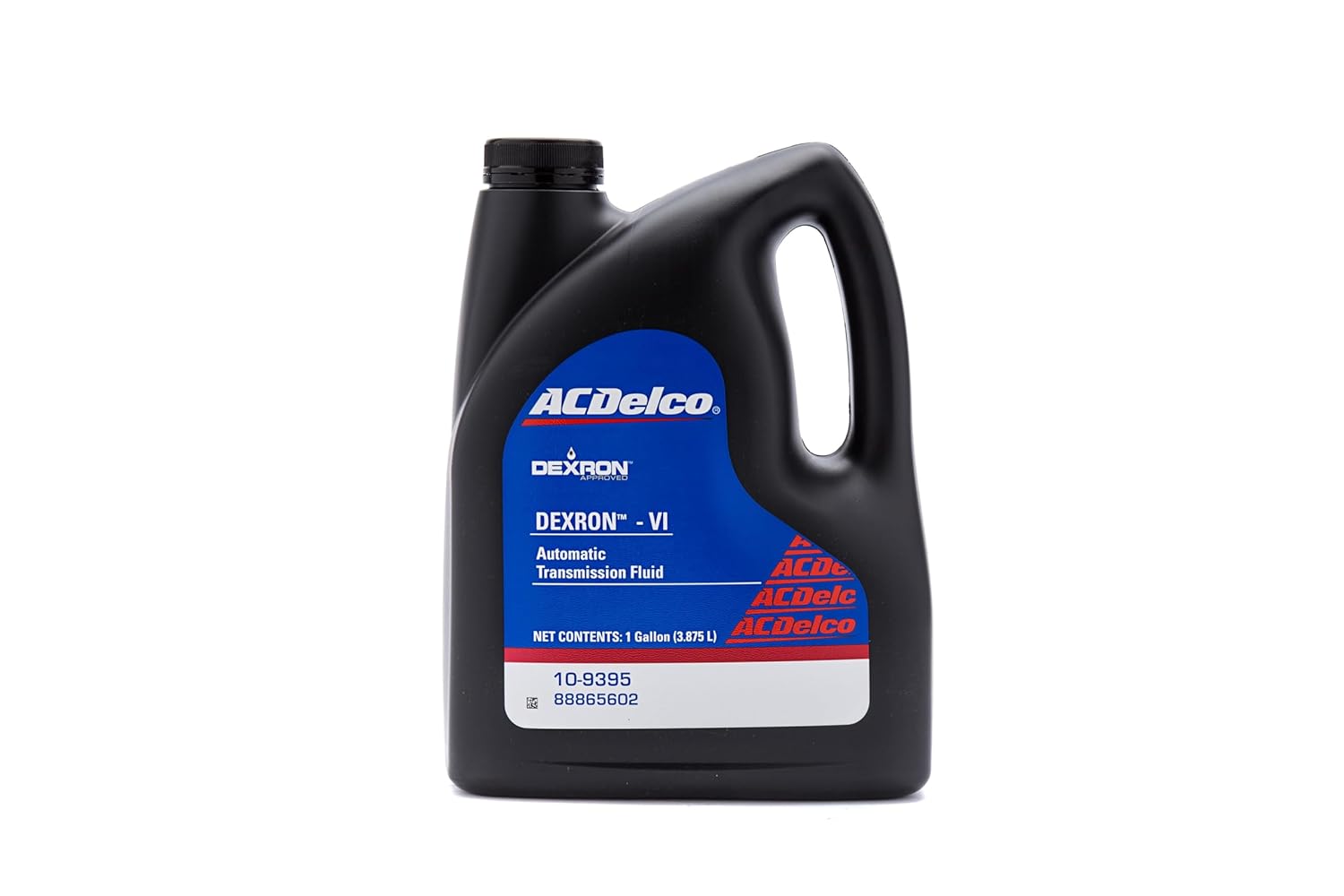
- Licensed Dexron VI ATF. The 4T65E originally specified Dexron III, and per Valvoline's own Dexron VI product data sheet, GM's current Dexron VI spec (GMW16444) is fully back-serviceable and correct wherever Dexron II or III was called for. ACDelco's 10-9395 runs $59.99 a gallon; a pan-drop service typically needs roughly a gallon once you account for the hot-check top-off.
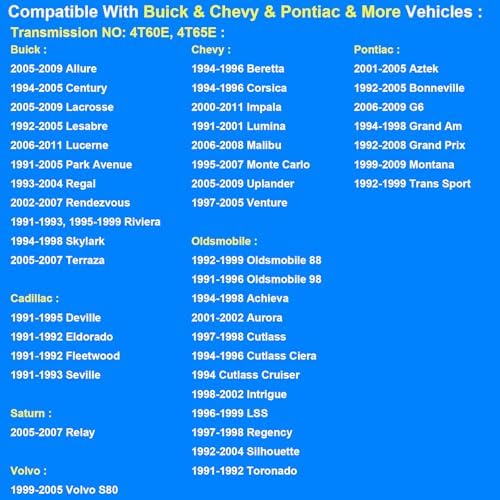
- Filter and pan gasket. A 4T60E/4T65E-specific filter and gasket kit runs about $25 to $35.
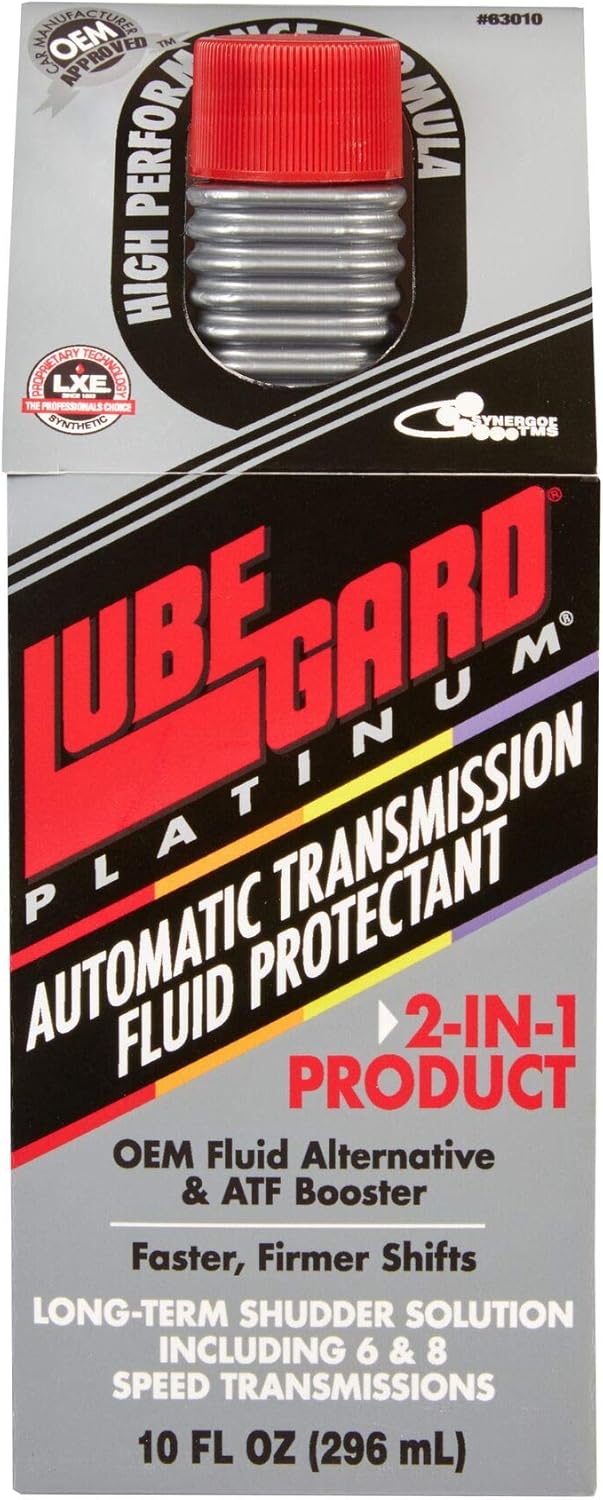
- ATF conditioner, optional. A bottle of ATF protectant to help an already-aged unit is roughly $20 to $25 and is a reasonable add when the fluid came out dark but the shifts are still clean.
DIY parts total: roughly $70 to $120 depending on whether you add the conditioner.
Where the labor line actually goes
At an independent shop, a pan-drop service typically runs $70 to $120 in labor on top of parts, landing the total around $140 to $240. That labor is paying for more than unbolting a pan. On a transaxle where the valve body's own pressure-control section is a known wear point, Sonnax's reconditioning package for the 4T65E, the Sure Cure Kit, exists specifically because the boost valve, TCC apply and regulated-apply valves, pump slide pivot pin, and other bores wear over time and degrade pressure control. A shop doing this job right is also looking at pan debris, magnet buildup, and fluid color to flag that kind of wear before it becomes a comeback, not just swapping fluid and moving on.
A cooler-line exchange adds more labor and more fluid, generally pushing the total up by another $60 to $120 depending on how much ATF the shop runs through to clear the system.
Sonnax Line Pressure Booster Kit 4T65E-LB1
If the fluid is clean but shifts still feel soft or line pressure is reading low on a scan tool, this is the part that actually fixes a pressure problem instead of masking it. Sonnax's 4T65E-LB1 pairs a larger-ratio boost valve with a stronger pressure regulator spring to restore clutch holding capacity and shift feel on a worn TAPS pressure circuit.
View the 4T65E-LB1 kit at Sonnax →Why fluid condition ages faster than the mileage sticker assumes
GM's own published research into factory-fill ATF oxidation, authored by GM engineers Kemp and Linden, found that oxidation rate roughly doubles for every 20-degree Fahrenheit increase in operating temperature, and the paper defines practical fluid failure at a specific total acid number threshold rather than a fixed mileage. That is the mechanism behind a simple shop-floor rule: a 4T65E that tows, idles in traffic, or runs in hot climates ages its fluid meaningfully faster than one that cruises highway miles, regardless of what a maintenance sticker says. Dark fluid with a burnt edge to the smell is due for a change whether or not the odometer agrees.
Need parts for this job?
Filters, gaskets, Dexron VI fluid, and the pressure-control hard parts for the 4T65E, shipped from the USA.
Shop 4T65E parts →FAQ
What fluid does a 4T65E actually need?
The 4T65E was originally filled with Dexron III. GM's licensed Dexron VI spec, GMW16444, is fully back-serviceable and is the correct fluid to use today wherever Dexron II or Dexron III was originally called for, per Valvoline's own Dexron VI product data sheet. You do not need to hunt down discontinued Dexron III bottles.
Is a pan-drop fluid change enough on a 4T65E, or do I need a full exchange?
A pan drop only moves the fluid sitting in the pan, which is a partial exchange, not a full one. The rest of the system, the torque converter, the cooler, and the valve body, keeps old fluid in it. A cooler-line exchange pushes most of that old charge out too, which costs more in fluid and labor but leaves far less degraded ATF behind on a transaxle that runs its line pressure through a solenoid-controlled, adaptive system rather than a simple vacuum modulator.
Why does fluid condition matter so much on this specific transmission?
The 4T65E uses GM's Transmission Adaptive Pressure System, TAPS, which sets line pressure through a pressure control solenoid rather than a vacuum modulator, and the transmission control module adapts that pressure over time based on how the unit is shifting. Degraded fluid changes clutch apply feel and slip, and the TCM's adaptive logic can mask that degradation for a while before it shows up as a hard code. Clean fluid keeps the adaptive strategy working against real data instead of compensating for varnish and worn boost valves.
Can old fluid cause the codes people associate with 4T65E problems?
ATSG's own technical writing on this transaxle describes P0730, incorrect or undefined gear ratio, and P1811, maximum adapt or long shift, showing up months after work on the unit as clutch clearance and the TCM's pressure-adaptation strategy interact. Fluid that has oxidized and lost its friction modifiers changes clutch apply characteristics in exactly the way that trips those same adaptive limits, which is why a neglected fluid change is a common thread behind both codes.
How do I know if my fluid is actually due, beyond a mileage number?
Look at it and smell it before you trust a mileage sticker. GM's own published research on factory-fill ATF oxidation found that oxidation rate roughly doubles for every 20-degree Fahrenheit rise in operating temperature, and defined practical fluid failure at a specific acid-number threshold. A vehicle that tows, sits in traffic, or runs hot ages its fluid faster than the interval on a sticker assumes, so dark, burnt-smelling fluid is due regardless of the odometer.
Related guides
Shop the part for this fix
The 4T65E-specific filter and service parts that make this job right, from CoreTransmissionParts.
View the 4T65E filter at CoreTransmissionParts →Sources
- Transmission Digest, "Playing TAPS on Pressure Systems" by Dan Tucker, Sonnax TASC Force — backs that the 4T65-E's Transmission Adaptive Pressure System uses a pressure control solenoid rather than a vacuum modulator, and that the TCM adapts line pressure over time based on shift behavior. transmissiondigest.com
- Transmission Digest, "The 4T65-E: Slip-Sliding Away" by Wayne Colonna, ATSG Technical Editor — backs the P0730 and P1811 code pattern appearing months after service, tied to clutch-pack clearance and the TCM's adaptive pressure-compensation strategy. transmissiondigest.com
- SAE International, "General Motors 4T65-E Electronic Four-Speed Automatic Transaxle," Technical Paper 980821, GM Powertrain engineering authors — backs the transaxle's engineering background, including its redesigned oil pump. saemobilus.sae.org
- SAE International, "The Oxidation Stability of General Motors Proposed Factory-Fill Automatic Transmission Fluid," Technical Paper 922371, Kemp & Linden (GM) — backs the finding that ATF oxidation rate roughly doubles per 20°F rise in operating temperature and that practical fluid failure is defined at a specific total acid number threshold. saemobilus.sae.org
- Sonnax, "Line Pressure Booster Kit" (4T65E-LB1) product documentation — backs the boost-valve and pressure-regulator-spring upgrade for restoring clutch holding capacity and shift feel on a worn 4T65E pressure circuit. sonnax.com
- Sonnax, "The Sure Cure Kit" (SC-4T65E) product documentation — backs the known valve-body wear points on the 4T65E, including the boost valve, TCC apply and regulated-apply valves, and pump slide pivot pin, that this reconditioning package addresses. sonnax.com
- Valvoline, "ATF Dexron VI" Product Information Sheet — backs that Dexron VI (GM spec GMW16444) is fully back-serviceable and correct wherever Dexron II or Dexron III was originally specified, covering the 4T65E's original Dexron III fill. go.lupinsys.com (PDF)