A 6T70 that throws "TRANSMISSION HOT - IDLE ENGINE" is telling you something specific, and most of the time it is not "the transmission is bad." On the Traverse, Acadia, Enclave, Outlook and the other front-drive GM six-speeds, the overheat complaints we see trace back to a short list: the wrong fluid level, a cooler that does not flow, an engine cooling problem, a converter clutch that is slipping, or a driver working the unit harder than it was built for. The expensive part only comes later, when nobody found the cause and the heat cooked the clutches.
This guide walks through how GM measures "hot" on this family, where the heat actually comes from, the causes in the order they usually turn up, and the checks GM's own service procedure calls for. The numbers come from GM service information for the 6T70/6T75, ATRA's 6T70 course and a Transmission Digest case study, all listed in the Sources at the end.
How the 6T70 decides it is too hot
The transmission fluid temperature (TFT) sensor is not a separate part you can unplug and test. GM service information places it inside the control solenoid valve assembly, the TEHCM that combines the solenoids and the TCM, and it describes the unit as having no serviceable components. A second sensor, the TCM temperature sensor, lives in the same assembly. That pairing matters, because the TCM checks one against the other.
These are the thresholds GM publishes for the 6T70/6T75:
| Event | Condition | What it means |
|---|---|---|
| DIC "TRANSMISSION HOT - idle engine" | TFT reaches 132°C (270°F) | Early warning. No code yet. |
| P0218 Transmission Fluid Overtemperature | TFT 140°C (284°F) or greater for 1 minute | Type C DTC. The unit was genuinely overheated. |
| P0713 TFT sensor high | TFT 174°C (345°F) or greater for 1 minute | Type B DTC. Implausible reading, treated as a sensor fault. |
| P0711 TFT sensor performance | TFT and TCM temperature disagree by more than 20-50°C (36-90°F), 5 minutes out of 6 | Type B DTC. TCM substitutes its own temperature for TFT. |
Two practical points come out of that table. First, a customer can see the DIC message several times without ever storing P0218, because the message comes on 14°F before the code threshold and the code needs a full minute above it. Transmission Digest's case study on a 2008 Acadia is exactly that: the unit reached 270°F on a road test and showed the message, but never quite got to 284°F. Ask about the message even when there is no code.
Second, before you believe the temperature, check it against the second sensor. GM's P0711 verification is to drive at 64 km/h (40 mph) for 10 minutes while watching the Transmission Fluid Temperature and TCM Temperature parameters on the scan tool. They should stay within 20°C (36°F) of each other. If they do not, GM's fix is the control solenoid valve assembly, not a cooler. If they agree and both are high, the heat is real.
Where the heat comes from
GM's P0218 description is blunt: the primary source of heat in the transmission is the torque converter. Hot oil leaves the converter through the TCC control valve and goes to the cooler supply line, through the cooler in the radiator, back through the return line and into the lubrication circuits, and only then drains back to the pan. Two things follow from that path:
- Anything that makes the converter slip more, or apply less, makes more heat.
- Anything that restricts the cooler circuit does double damage. The fluid runs hotter, and the lube circuits that are fed by cooler return get less oil.
ATRA's 6T70 introduction course adds the design context. This generation was built around reduced sump volumes, higher fluid turnover rates, increased energy densities and reduced cooling capacity, with DEXRON-VI chosen for its better film strength. There is less fluid working harder than in an older GM four-speed, so there is less margin for any of the causes below.
Cause 1: the fluid level is wrong, usually high
This is the one that catches good shops. The Transmission Digest case began with a reman 6T75 installed in a 2008 GMC Acadia that came back three months later with the MIL on, P0218 stored and the TRANSMISSION HOT message. On the road test the fluid hit 270°F. The level, checked at about 200°F with a scan tool, read only about a quarter inch over the full mark. After three quarts were removed, the same drive held about 200°F. Per the article, a GM engineer said that in every P0218 case they had reviewed, the transmission was overfilled, and GM had issued engineering information (PIE0063) on P0218 and P0634 for 2007-2008 Enclave, Acadia and Outlook. The author blamed the dipstick design for making an accurate reading hard, along with how much DEXRON-VI expands with temperature.
An overfilled unit lets the rotating parts churn and aerate the fluid, and aerated fluid neither cools nor lubricates the way it should. The fix is a level check done exactly the way GM wrote it:
- Level ground, parking brake on, engine running. Move the lever through each range with a pause of about 3 seconds in each, then back to Park.
- Idle at 500-800 rpm for at least a minute.
- Read TFT on the DIC or a scan tool. Check the level only between 82 and 93°C (180 and 200°F). If it is cold, drive it in second gear to bring it up; if it is hot, let it cool.
- Check at least twice. Read both sides of the dipstick and use the lower reading. Inconsistent readings mean you should check the vent.
- The level belongs in the crosshatch band. It does not have to reach the MAX mark. Add no more than one pint (0.5 L) at a time before rechecking.
For scale: GM's drain-plug fluid replacement procedure calls for a pan that holds more than 5 quarts and says the unit takes approximately 5 quarts to refill. The plug torques to 12 N·m (106 lb-in). Pour the whole jug in after a drain-and-fill and you can overfill it easily. If you are checking level because the fluid is low, GM's note is to find the leak; see the 6T70 fluid change guide for the full service.
Cause 2: a cooler or line that will not flow
GM's cooler flushing procedure opens with this: GM studies indicate that plugged or restricted transmission oil coolers and pipes cause insufficient lubrication and higher operating temperatures that can lead to premature failure, and that many repeat repairs could have been prevented by following the flush and flow procedure. On a 6T70 that has already failed once, assume the radiator cooler is holding the debris from the first failure.
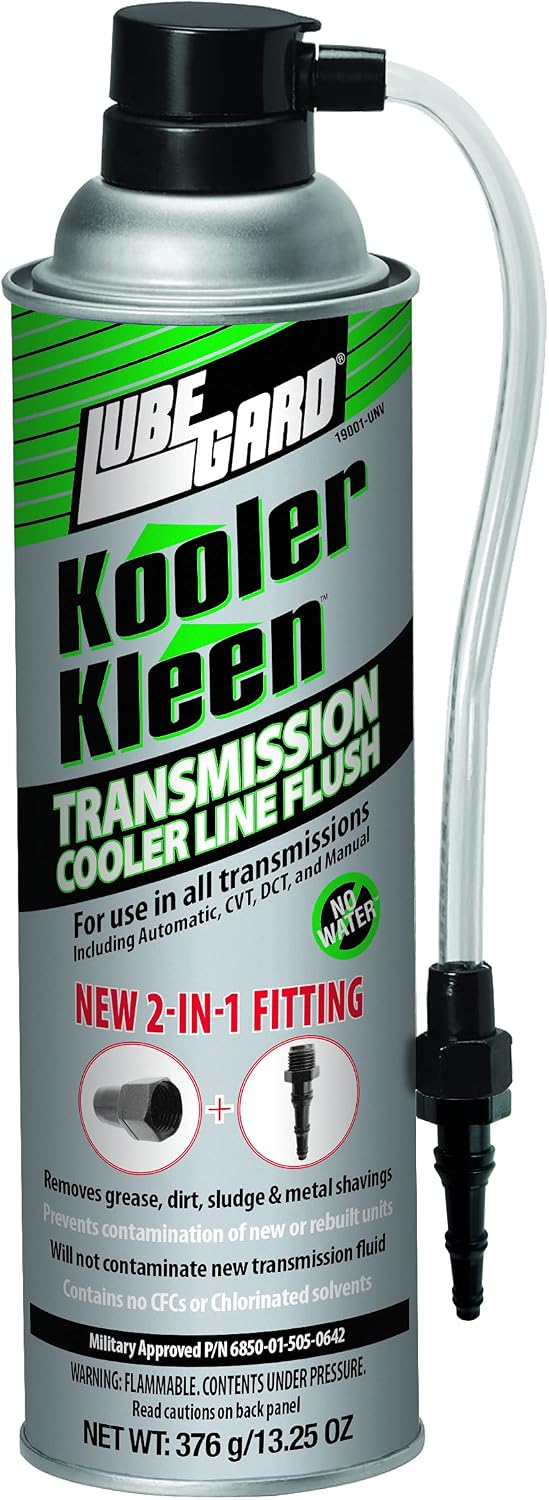
The GM procedure uses the J 45096 flush and flow tool: back flush 30 seconds, forward flush 30 seconds, then flow for 15 seconds and compare to a minimum rate. The minimum depends on the temperature of the fluid in the machine and on whether the cooler is steel or aluminum, which you can tell with a magnet at the radiator flange. A few points from GM's table:
| Fluid temperature | Steel cooler minimum | Aluminum cooler minimum |
|---|---|---|
| 65-66°F | 0.6 gpm | 0.5 gpm |
| 71-75°F | 0.8 gpm | 0.7 gpm |
| 85-89°F | 1.1 gpm | 1.0 gpm |
| 99-103°F | 1.4 gpm | 1.3 gpm |
| 118-120°F | 1.8 gpm | 1.7 gpm |
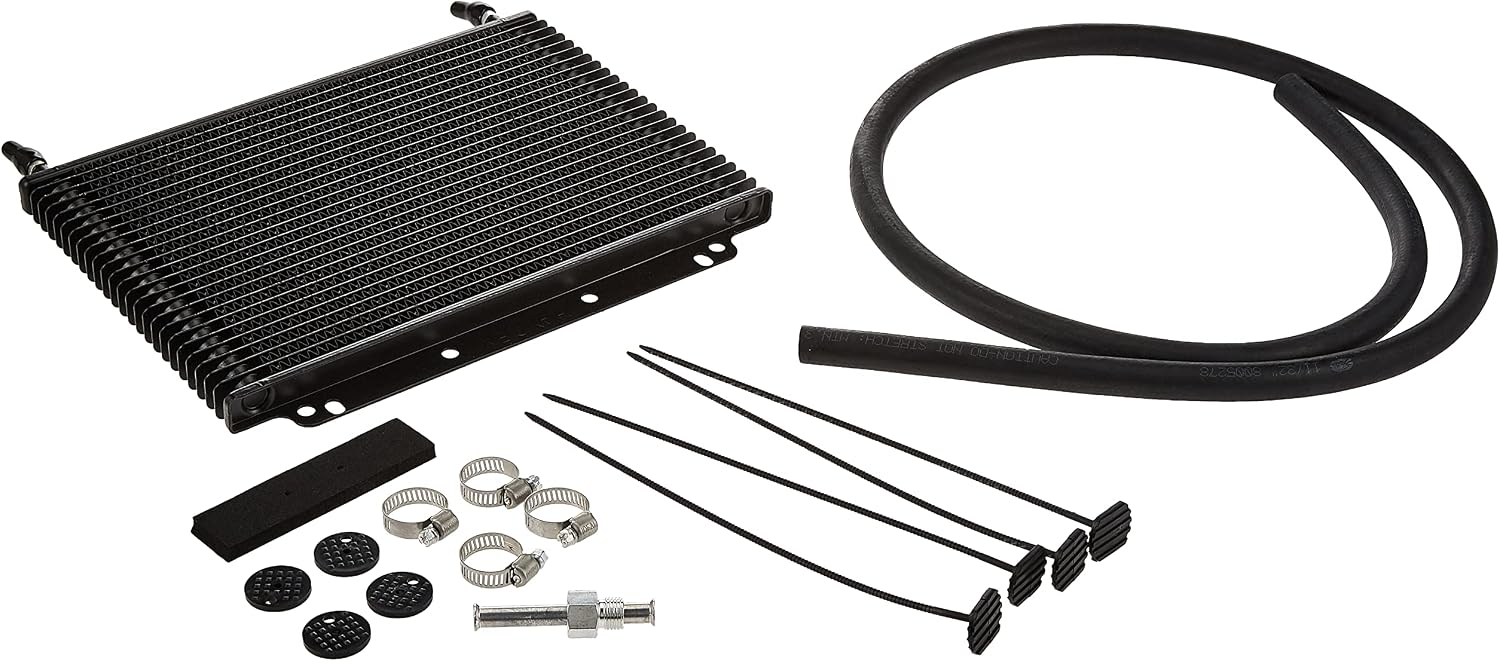
Below the minimum, flush again; if it still will not make the number, the cooler or line gets replaced. Look over the lines for kinks and crushed sections too, since a line bent during an engine or transmission R&R restricts flow as well as a plugged cooler does. If you add an auxiliary cooler, plumb it in series after the radiator cooler and flush the factory circuit first. A new add-on cooler fed through a plugged radiator tank does not fix anything.
Cause 3: the engine cooling system
The 6T70's cooler is in the radiator, so the transmission can only be as cool as the coolant around it. The first step in GM's P0218 verification is to review the freeze frame and confirm engine coolant temperature was below 125°C (257°F) when the code set. If it was higher, GM sends you to engine overheating diagnosis first, and the transmission code is a symptom. A weak fan, a clogged radiator core or a low coolant level will set P0218 on a perfectly healthy transmission.
The cooler also fails the other way. If the fluid on the dipstick is cloudy or milky, GM calls that engine coolant or water contamination, and the repair it prescribes is major: disassemble the transmission, replace all rubber seals and every composition-faced clutch plate (the facing can separate from the steel core), replace the nylon washers and the torque converter, rebuild with new gaskets and filter, and flush the lines after the cooler itself has been repaired or replaced. Catching a leaking radiator cooler early is far cheaper than that list.
Cause 4: a slipping torque converter clutch
Since the converter is the heat source, a TCC that will not apply, or slips when it does, raises fluid temperature steadily at cruise. Watch TCC slip speed on the scan tool on the road test. On this unit, the common P0741 causes are wear in the TCC regulator valve bore and converter lining wear, and GM's "no TCC apply" symptom list also names the converter's internal TCC seal, the TCC regulator apply and shuttle valves, the transfer drive gear support seal and the converter fluid seal. A converter shedding lining also loads the cooler with debris, which feeds Cause 2. Our 6T70 P0741 guide covers that diagnosis step by step, and 6T70 torque converter shudder covers the shudder that usually comes before the code.
Cause 5: the TEHCM heat-sink bracket
This one looks like an overheat but is really the module. ATRA notes that a spring-loaded bracket holds the TEHCM against a heat sink on the valve body. If that bracket is left out, the TCM goes into thermal shutdown. After a valve body or TEHCM job, a unit that works fine cold and then loses its mind after twenty minutes should get the side cover pulled to confirm the bracket is there. ATRA also notes the studded side cover bolts need to be re-torqued whenever the cooler lines are removed, which is a common seep point after cooler work.
Cause 6: how it is being driven
GM's diagnostic aids for P0218 tell the tech to ask about driving habits and trailer towing, and ATRA's course warns that a third-gear start while towing can overheat and damage the transmission. A loaded crossover pulling a camper in sixth gear up a long grade in summer will overheat a healthy 6T70. The 6T70 was rated for far less towing than the 6T75 and neither has much thermal margin. If the story includes a trailer, read our 6T70 towing guide before replacing anything.
What the heat has already done
By the time a unit has stored P0218 more than once, pull the pan and read the fluid. GM's condition check says fluid that is very dark or black with a burnt smell usually means contamination or overheating. A small amount of friction material is normal. Large pieces or metal mean you flush the cooler and lines and overhaul the transmission. If there is no sign of internal damage, GM's call is to replace the fluid, repair the oil cooler and flush the lines, then deal with whatever made the heat.
At teardown, GM's clutch plate criteria are the ones to use: replace any composition plate with glazing, cracking, charring, wear, or chips or metal embedded in the lining. A steel plate that is smooth can be reused even with color smear, but one with heat spots or a scuffed surface gets replaced. GM's list of causes for burned plates goes beyond heat: engine coolant in the fluid, a cracked clutch piston, damaged or missing seals, low line pressure, valve body problems (a face that is not flat, porosity between channels, misplaced checkballs, retainers installed wrong) and worn Teflon seal rings. If you rebuild a burned unit without finding which of those caused it, it will burn again.
The order GM checks it in
- Confirm the reading: TFT and TCM temperature within 20°C (36°F) of each other after 10 minutes at 40 mph.
- Review freeze frame. Engine coolant under 125°C (257°F)? If not, fix the engine cooling first.
- Inspect the transmission cooling system for restrictions or damage.
- Level and condition check at 180-200°F TFT, with DEXRON-VI only.
- Cooler flush and flow test against GM's minimum flow table.
- Line pressure check.
- Road test under the conditions that set it, watching TFT and TCC slip.
Prevention checklist
- Set the level hot and set it right. 180-200°F, crosshatch band, a pint at a time. Overfill is the most common self-inflicted cause.
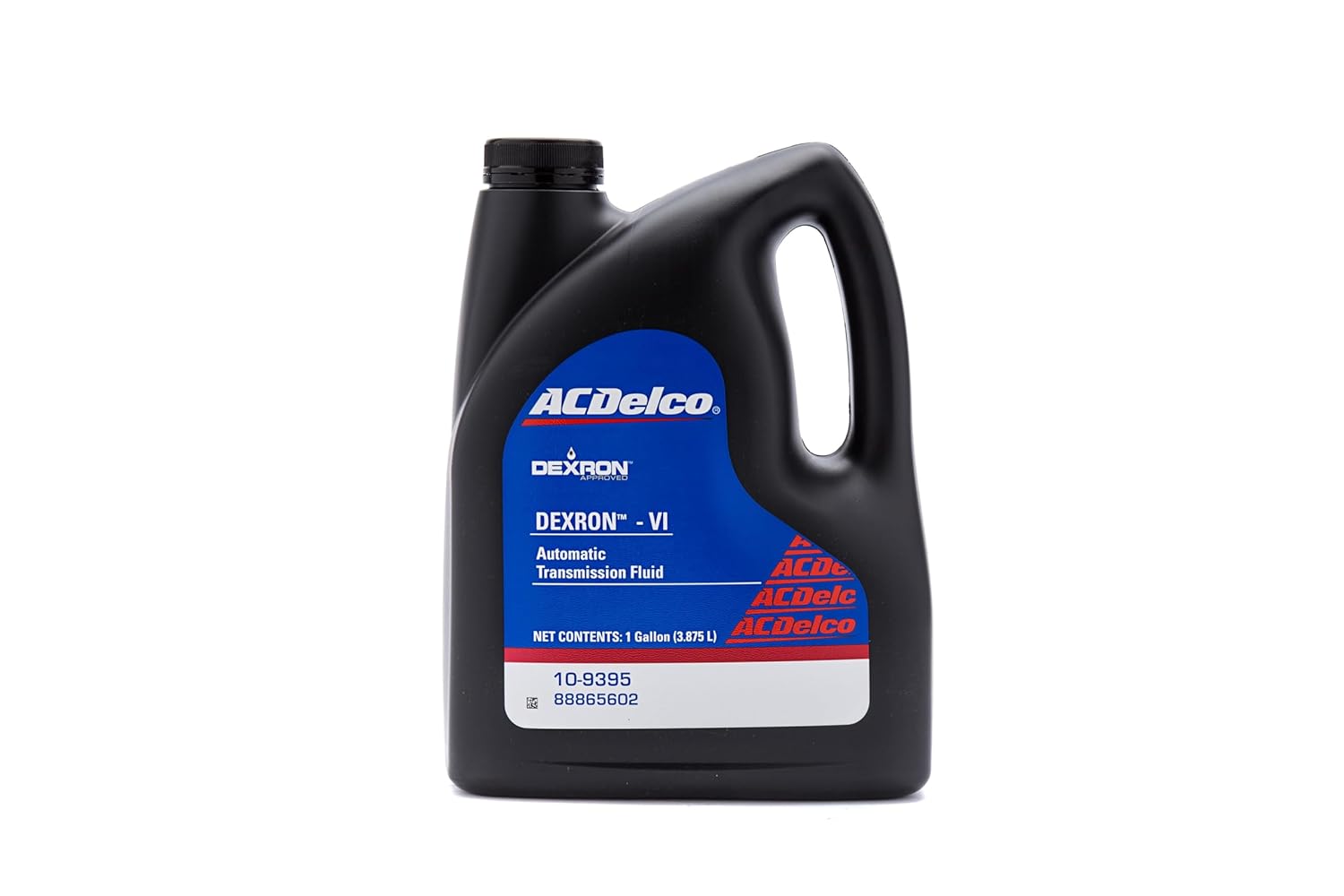
- DEXRON-VI only. GM's level-check procedure warns that the wrong fluid can cause internal damage.
- Flush and flow test the cooler after every failure, and replace the cooler if it will not reach the minimum.
- Keep the engine cooling system healthy. The transmission cooler shares the radiator.
- Deal with converter shudder early before it turns into slip, heat and debris.
- Add an auxiliary cooler on anything that tows or works hard in heat, plumbed after the radiator cooler.
- Treat the DIC message as a stop sign. Pull over and idle until it clears, then find out why it appeared.
6T70 Master Transmission Rebuild Kit, Gen. 1
If the heat already charred the frictions, this kit covers the clutches, steels, seals and gaskets for a Gen. 1 6T70/6T75 rebuild, including the rubber seals GM says to replace after coolant contamination. Confirm the generation by RPO before ordering.
View at Core Transmission Parts →Browse 6T70 parts at Core Transmission Parts →
Need parts for this job?
Add-on coolers, cooler flush, DEXRON-VI, 6T70/6T75 filter kits, valve bodies and master kits, shipped from the USA.
Shop 6T70 parts →FAQ
What temperature is too hot for a 6T70 transmission?
GM's service information has the driver information center show TRANSMISSION HOT - idle engine when fluid temperature reaches 132 C (270 F), and sets P0218 when it stays at 140 C (284 F) or higher for one minute. Normal level checks are done at 180 to 200 F, so anything well above that under normal driving deserves a look.
What causes P0218 on a GMC Acadia or Chevy Traverse?
The most common causes are an overfilled transmission, a restricted cooler or cooler line, an engine cooling problem, a slipping torque converter clutch, and heavy towing. A Transmission Digest case on a 2008 Acadia was fixed by removing three quarts of excess fluid, which dropped the temperature from 270 F to about 200 F.
Can overfilling a 6T70 cause it to overheat?
Yes. GM engineering information PIE0063 covered P0218 on 2007-2008 Enclave, Acadia and Outlook, and a GM engineer reported that in every case they reviewed the transmission was overfilled. Check the level only at 180 to 200 F fluid temperature and add no more than a pint at a time.
How do I know if the 6T70 temperature reading is accurate?
Drive at 40 mph for 10 minutes and compare the Transmission Fluid Temperature and TCM Temperature parameters on a scan tool. GM says they should be within 20 C (36 F) of each other. If they are not, GM's repair is the control solenoid valve assembly, since the sensor is built into it.
Sources
- GM service information (Saab 9-4X, Automatic Transmission 6T70/6T75) — DTC P0218 Transmission Fluid Overtemperature, and DTC P0711, P0712 or P0713. Backs the torque converter as the primary heat source and the cooler oil path, TFT sensor location in the control solenoid valve assembly, the P0218 set condition (140°C/284°F for 1 minute, Type C), the DIC message at 132°C/270°F, the driving-habits and towing diagnostic aids, the verification sequence starting with engine coolant under 125°C/257°F, and the P0711/P0712/P0713 set conditions, TCM default to TCM temperature and the 40 mph/10 minute within-20°C cross-check. P0218 (saabwisonline.com) · P0711-P0713 (saabwisonline.com)
- GM service information (Saab 9-4X, 6T70/6T75) — Transmission Fluid Level and Condition Check. Backs DEXRON-VI only, the level-check steps, the 82-93°C (180-200°F) check window, reading twice and using the lower side, the crosshatch band, adding no more than one pint at a time, and the fluid condition guidance for dark/burnt and milky fluid. saabwisonline.com
- GM service information (Saab 9-4X, 6T70/6T75) — Transmission Fluid Cooler Flushing and Flow Test. Backs the GM statement on restricted coolers causing higher temperatures and repeat repairs, the J 45096 back flush, forward flush and flow steps, and the steel/aluminum minimum flow rate table. saabwisonline.com
- GM service information (Saab 9-4X, 6T70/6T75) — Clutch Plate Diagnosis; Engine Coolant/Water in Transmission; Transmission Fluid Replacement. Backs the composition and steel plate reuse criteria, the causes of burned clutch plates, the coolant-contamination repair list, and the approximately 5-quart drain refill with the 12 N·m (106 lb-in) plug torque. Clutch plates · Coolant in transmission · Fluid replacement
- Transmission Digest — "Diagnosing an Overheating Condition," Jody Carnahan, Certified Transmission. Backs the 2008 GMC Acadia 6T75 case: P0218, 270°F with the DIC message, level about a quarter inch over full, three quarts removed bringing it to about 200°F, GM engineering information PIE0063 on P0218/P0634, the GM engineer's overfill finding, and the dipstick and DEXRON-VI expansion comments. transmissiondigest.com
- ATRA — "6T70 Introduction" technical course. Backs the reduced sump volume, higher fluid turnover, increased energy density and reduced cooling capacity design notes, DEXRON-VI film strength, the TEHCM heat-sink bracket and thermal shutdown, the side cover re-torque after cooler line removal, and the warning against 3rd-gear starts when towing. atracom.blob.core.windows.net (PDF)