A wet spot under a GM 8L90 doesn't tell you much by itself. The fluid could be dripping straight down from a leaking pan gasket, running back along the case from a worn rear seal, or showing up somewhere you'd never think to check first. GM has actually published a dedicated diagnostic bulletin for the one leak location that generates the most comebacks on this platform — the rear extension housing — and a second bulletin telling techs to stop replacing good parts because of marks that look like damage but aren't. Both are worth knowing before you pull the pan.
The Rear Extension Housing: GM's Documented #1 Leak Point
If an 8L90 is leaking and the wet area traces back toward the rear of the case, the extension housing is the first place GM itself tells technicians to look. Bulletin PIP6049A, published March 24, 2025, is a diagnostic aid specifically for a "Leak Rear Transmission Extension Housing" condition on 2024-2025 Chevrolet Colorado, Express, and Silverado and GMC Canyon, Savana, and Sierra trucks and vans built with the 8L45, 8L80, 8L90, MFC, M8R, N8X, or MTH transmissions. The bulletin exists because that housing can leak from three different things that all look the same from underneath: a worn output seal, a failed housing-to-case gasket, or actual porosity in the die-cast aluminum housing itself.
GM's correction procedure doesn't skip straight to parts. On 2WD applications, the bulletin calls for adding dye to the fluid and running the truck to confirm the housing isn't porous and the extension housing plugs aren't the actual source, before replacing the gasket or output seal. On 4WD applications, dye goes in to verify the leak is genuinely coming from the transmission at all, and if it's confirmed real (not just the extension housing plugs), the fix is to replace the complete extension housing, gasket, and output shaft together, rather than just swapping the output seal. That's a meaningfully bigger job than a seal-only repair, and it's the detail that trips up techs who go in expecting a quick seal swap. The bulletin lists three separate warranty labor operations depending on which repair actually applies — output seal replacement, extension housing plug replacement, or the full gasket/housing/output shaft replacement — which by itself tells you GM expects these to be diagnosed as distinct conditions, not lumped together.
The Witness-Mark Trap: Don't Replace a Good Housing
Before you condemn that extension housing, know about the mark that isn't a leak. GM bulletin 22-NA-246 exists because technicians were seeing normal witness marks in the extension housing bore and the 1-2-3-4-5-REV clutch piston assembly and condemning both parts over them, on a long list of 8L45/8L90-equipped Cadillac, Chevrolet, and GMC models going back to 2015. GM's engineering investigation traced the marks to two sources: an O-ring groove mark from the 1-2-3-4-5-REV clutch piston, and a polished spot from a triangular locating boss on that same piston that keeps it from rotating when engaged. Both leave a matching, repeatable mark in the same general area of the housing, almost directly across from the fluid entry ports, and GM's finding was explicit: these marks have no effect on shift quality and the parts should not be replaced because of them.
There's one real exception buried in the same bulletin, and it matters for a leak diagnosis specifically. The 1-2-3-4-5-REV clutch piston has two orifices that are staked into its fluid passages, and on higher-mileage units those orifices can work loose and go missing. If you find a dislodged orifice during teardown, that's a genuine failure, not a cosmetic mark, and both the extension housing and the piston assembly need to be replaced together. The practical rule: witness marks alone, leave it; a missing orifice, replace both parts. Confusing the two in either direction either wastes a good housing or sends a truck back out with an actual internal leak path still open.
The Pan Gasket: Simpler, but Still Worth Doing Right
The transmission pan gasket is the leak point every tech expects to find, and on an 8L90 it's exactly as straightforward as it looks: a gasket joint on a cast aluminum pan that goes through a full heat cycle every time the truck runs, and eventually hardens, compresses unevenly, or lets go at a corner. Confirm the leak is actually coming from the pan rail and not tracking down from the extension housing above it before you commit to a gasket job — fluid runs downhill along the case, so a pan-area wet spot doesn't always mean a pan-area leak. GM's torque sequence and spec for the pan bolts on this transmission is published in GM Service Information for the specific model year and application; pull the current figure from SI or TIS2WEB rather than reusing a number from another GM transmission, since bolt count and pattern differ across GM's 6-speed, 8-speed, and 10-speed automatic families.
Confirm the Leak Before You Replace Anything
Transmission Digest's Builder's Bench documented a case worth remembering any time an 8L90 "isn't leaking anywhere" but keeps running low: a 2018 Camaro SS came in with almost no movement forward or reverse, extremely low on fluid, with no visible leak at the transmission or the radiator and no fluid contamination in the coolant. The shop built and installed a replacement transmission, and only while pumping fluid in afterward did they realize what was actually happening — they could hear fluid pouring out the rear differential. The point isn't that your 8L90 is secretly leaking into the diff; it's that fluid takes the path available to it, that path isn't always where you're looking, and a transmission that looks dry on top can still be losing fluid somewhere you haven't traced yet. Clean the unit and the full driveline, drive it, and recheck before you commit to a repair based on where the fluid happened to pool.
Fluid Type and Capacity
Confirm fluid before you close anything up. GM's own product specification page for the 8L90 lists DEXRON High Performance ATF as the required fluid, with an estimated 10.3-liter total capacity. GM marks that figure as an estimate because actual service-fill volume depends on the vehicle application and whether the job is a full dry fill or a pan-drop service, so verify the exact number against the VIN in front of you.
| Spec | 8L90 (N8X) |
|---|---|
| Fluid type | DEXRON High Performance ATF |
| Total capacity (GM estimate) | ~10.3 L |
| Documented #1 external leak point | Rear extension housing (GM PIP6049A) |
| Extension housing repair (if confirmed by dye test) | Housing + gasket + output shaft (4WD) or gasket/output seal (2WD) |
| Witness-mark caution | GM 22-NA-246 — normal marks, do not replace |
| Torque converter diameter | 258 mm |
Diagnostic Order, Start to Finish
- Clean the transmission and the full driveline — including the differential — then drive the vehicle and recheck before assuming you know the leak's source.
- Add dye per GM's PIP6049A procedure if the wet area traces toward the rear of the case, to confirm whether you're looking at the housing itself, the gasket/seal, or just the extension housing plugs.
- Don't condemn the extension housing or the 1-2-3-4-5-REV piston over witness marks — check GM 22-NA-246 first. Only a dislodged orifice in the piston is a real failure.
- If the leak is at the pan, confirm it's not fluid tracking down from above, then replace the gasket using the current GM-published torque sequence for your specific application.
- Confirm fluid type and level against GM's DEXRON High Performance ATF spec before closing anything up.
Chasing a fluid leak on an 8L90 this week?
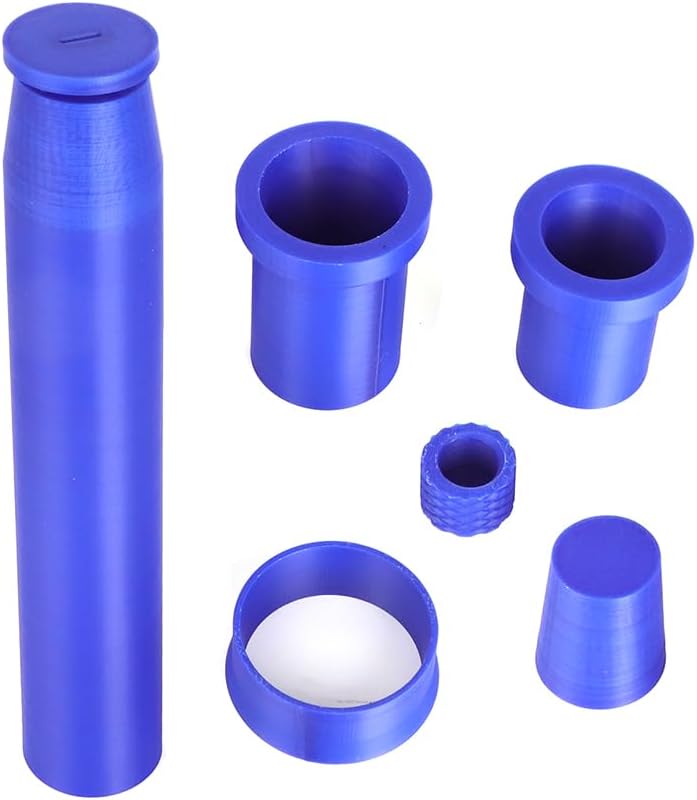
Get the overhaul gasket and seal kit for a full reseal, the sealing ring tool for case-half and shaft sealing rings, or a replacement cooler — all in stock and shipped fast.
Shop 8L90 parts →Shop the oil pan gasket →
Or browse all 8L90 parts at CoreTransmissionParts →
Need parts for this job? Our own 8L90 parts page carries the overhaul kits, sealing ring tools, and coolers referenced above, in stock and shipped fast.
FAQ
Where does an 8L90 actually leak transmission fluid from?
The one leak point GM has published a dedicated diagnostic bulletin for is the rear transmission extension housing, covering the output seal, the housing-to-case gasket, and the extension housing plugs. GM's bulletin PIP6049A treats this as the default suspect for a rear-area leak on 8L45/8L80/8L90 units. The pan gasket is the other common everyday leak point, since it's a serviceable gasket joint that sees heat cycling every time the truck runs. Cooler line fittings are a possibility on any transmission but GM has not published an 8L90-specific bulletin for that location, so confirm it with a dye test rather than assuming.
What is GM bulletin PIP6049A and why does it matter for an 8L90 leak?
PIP6049A is GM's diagnostic aid for a leak at the rear transmission extension housing on 2024-2025 Colorado, Canyon, Express, Savana, Silverado and Sierra trucks and vans built with the 8L45, 8L80, 8L90, MFC, M8R, N8X or MTH transmissions. It matters because it changes the repair from a guess into a documented procedure: add dye, confirm the housing itself isn't porous and the leak isn't just coming from the extension housing plugs, and only then replace the gasket, output seal, or on 4WD applications the complete extension housing, gasket and output shaft together.
Can a technician misdiagnose a normal wear mark as a leak on an 8L90?
Yes, and GM published bulletin 22-NA-246 specifically because it was happening. Normal witness marks left by the 1-2-3-4-5-REV clutch piston's O-ring and a locating boss show up in the extension housing bore in a consistent, repeatable location. GM's engineering investigation confirmed those marks don't cause harsh shifting and aren't evidence of housing porosity, so the bulletin tells technicians not to condemn the extension housing or piston assembly over them. The one exception: if either of the two staked orifices in the piston assembly has actually come loose, that does require replacing both parts.
What transmission fluid does the 8L90 use and how much does it hold?
GM's own product specification page lists DEXRON High Performance ATF for the 8L90, with an estimated 10.3-liter total fill marked by GM as an estimate. Actual service-fill volume varies by vehicle application and whether the job is a full dry fill or a pan-drop service, so confirm the exact figure for the VIN in front of you rather than assuming one number across every application.
Why would transmission fluid show up somewhere other than under the transmission?
Because fluid runs downhill along whatever path is available before it hits the ground, and that path isn't always obvious. Transmission Digest documented an ATSG case on a 2018 Camaro SS 8L90 where a shop found no visible leak at the transmission or radiator, pulled and rebuilt the unit anyway, and only discovered while refilling it that fluid was pouring out the rear differential. The lesson for diagnosis is the same one behind GM's own dye-test procedure: clean the unit and the driveline, confirm the actual source before replacing parts, and don't assume the first wet surface you find is the leak's origin.
Sources
- GM Preliminary Information Bulletin PIP6049A — "Diagnostic Aid: Leak Rear Transmission Extension Housing - 8L45 8L80 8L90 MFC M8R N8X MTH." Published 03/24/2025. Backs the dye-test diagnostic procedure, the 2WD/4WD repair paths, and the three separate warranty labor operations for output seal, extension housing plug, and full gasket/housing/output shaft replacement. static.nhtsa.gov (GM bulletin, NHTSA-hosted copy)
- GM Service Bulletin 22-NA-246 — "Information on Unnecessary Replacement of Extension Housing and 1-2-3-4-5-REV Clutch Piston Assembly for 8L45, 8L90 Automatic Transmissions." Revised January 2024. Backs the witness-mark description, GM engineering's finding that the marks don't affect shift quality, and the dislodged-orifice exception that does require replacement. static.nhtsa.gov (GM bulletin, NHTSA-hosted copy)
- GM Powered Solutions — "8L90 8-Speed Automatic Transmission" product specification page. Backs the DEXRON High Performance ATF fluid specification, the approximately 10.3-liter estimated total capacity, and the 258 mm torque converter diameter. poweredsolutions.gm.com
- Transmission Digest — "A Mysterious Oil Leak in the 8L90" (The Builder's Bench, published September 9, 2025). Backs the 2018 Camaro SS 8L90 case documented by ATSG, where fluid loss was ultimately traced to the rear differential rather than a visible transmission or radiator leak. transmissiondigest.com
- Transmission Digest — "Sonnax highlights end plug kit for GM 8L90, 8L45." Backs background on internal valve body bore wear (default override, lube flow regulation, and converter lockup/release circuits) as context distinguishing internal pressure-circuit wear from the external leak points covered in this article. transmissiondigest.com