The Turbo Hydra-Matic 350 — the TH350 — is a purely hydraulic three-speed that ran behind millions of GM cars and trucks: Camaro, Nova, Chevelle, Malibu, C10 and C20 pickups, Blazers, and plenty of swapped street and strip cars. There is no computer, no shift solenoid, and no adaptive learning. Everything the transmission decides — when to upshift, how firm the shift is, whether reverse holds — is decided by oil pressure moving valves inside the valve body, steered by two inputs: engine load (the vacuum modulator) and road speed (the governor).
That makes the TH350 wonderfully diagnosable. When it shifts wrong, the fault is almost always a pressure fault, and a pressure fault can be measured. This is what the valve body actually does, the symptoms when it goes bad, and a numbered procedure to test the whole hydraulic side — line pressure, the modulator, the governor, the detent downshift, and the shift valves themselves — before you spend a dime on parts.
The short version: Most TH350 shift complaints are pressure problems, not clutch problems. Soft 1-2 and 2-3 shifts, reverse shudder, or a mushy reverse engagement point straight at low line pressure — and on the TH350 a worn boost valve sleeve is a classic cause of exactly that, per Sonnax. A no-upshift usually means the governor (road-speed signal) is stuck; wrong shift timing usually means the vacuum modulator (load signal). Measure line, modulator, and governor pressure before you condemn the valve body or tear the unit down.
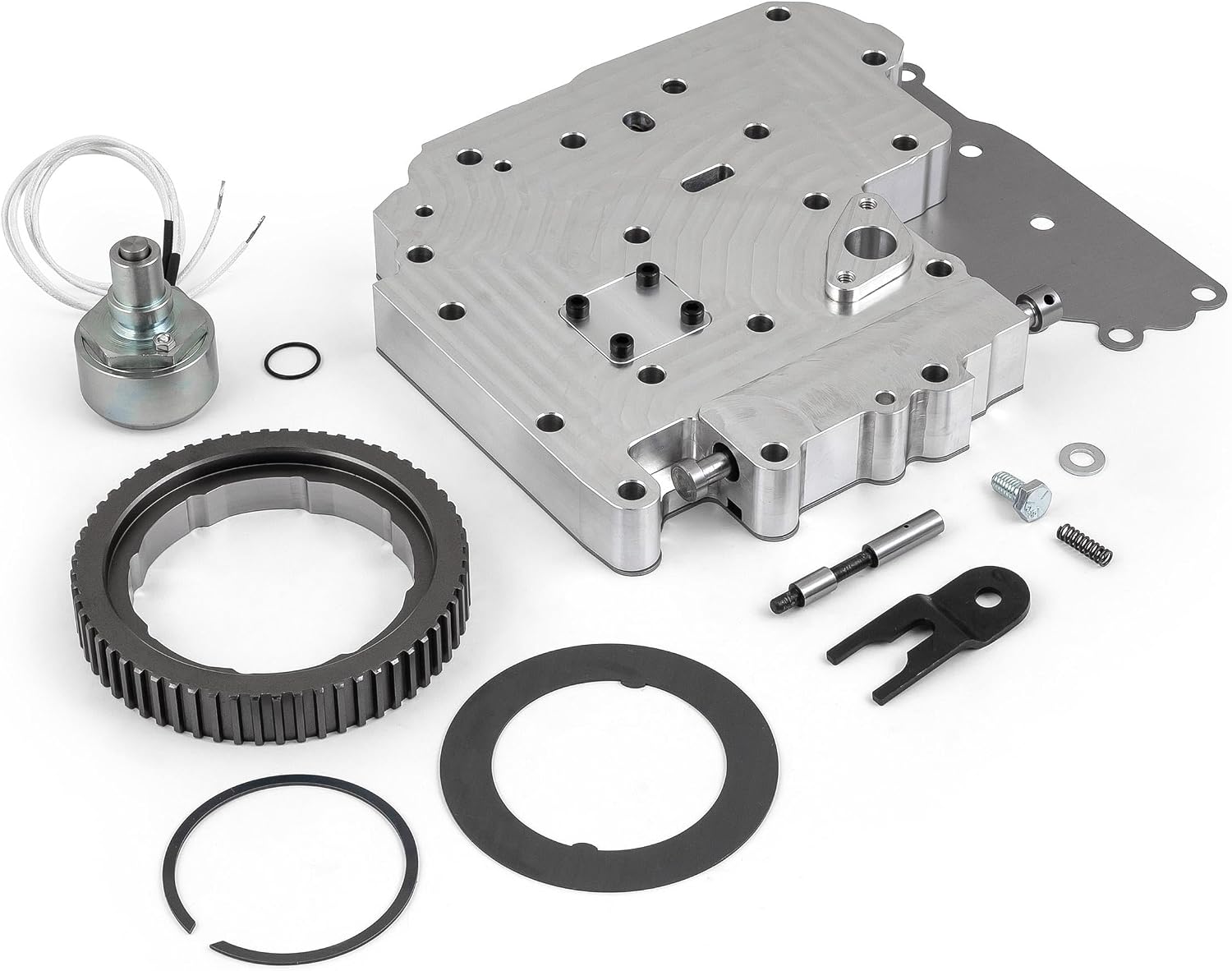
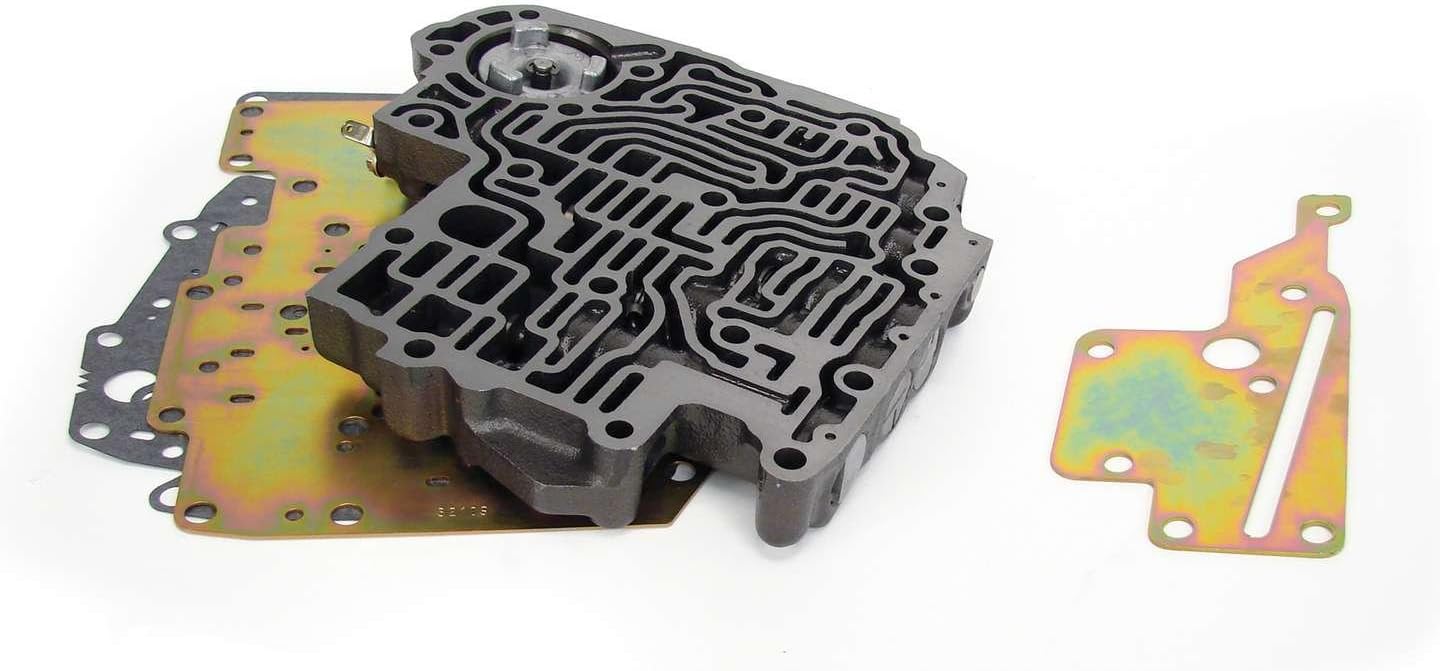
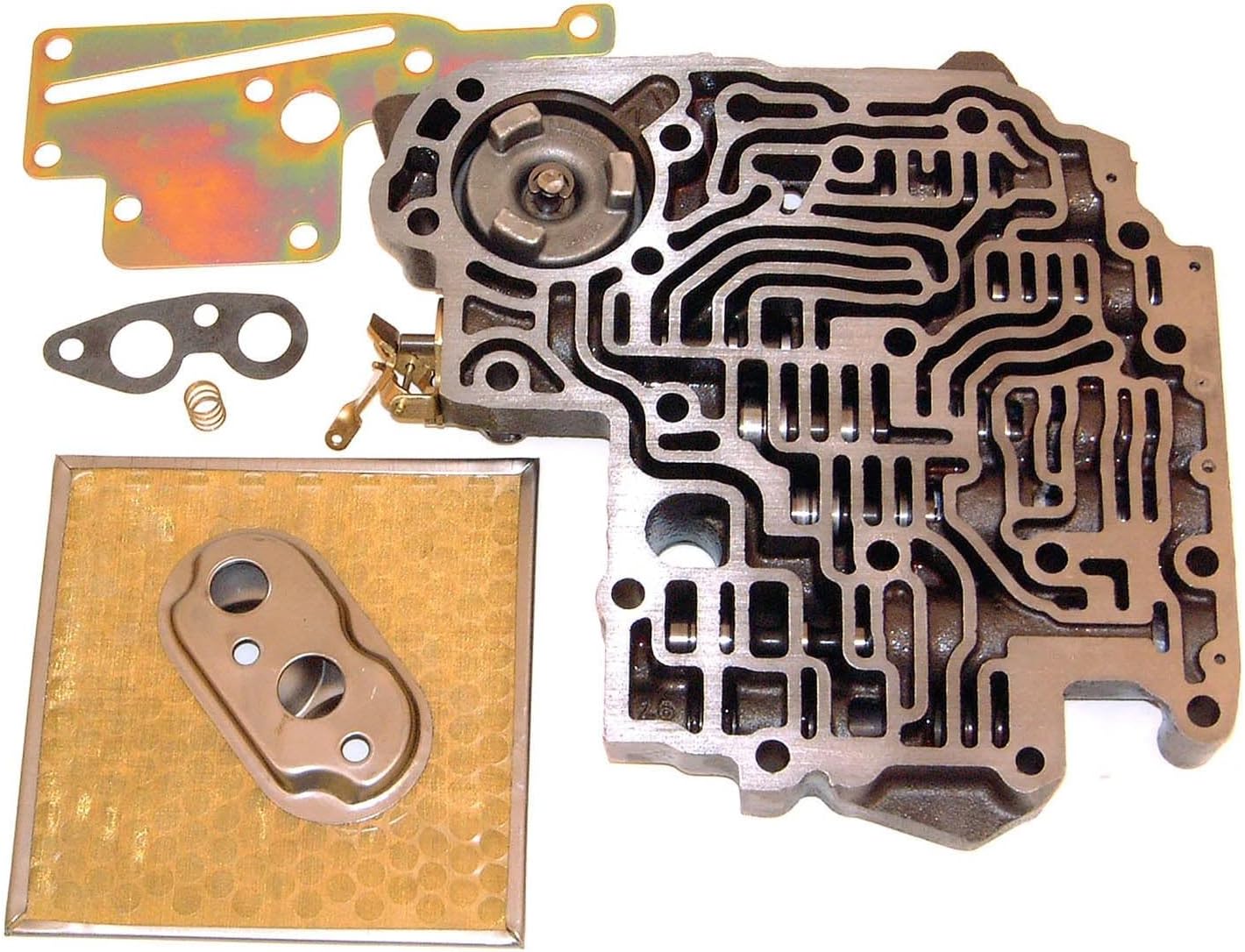
What the TH350 Valve Body Actually Controls
The pump feeds the pressure regulator valve, which sets base line pressure. A boost valve riding against the regulator raises that pressure on demand: oil from the vacuum modulator (and reverse oil in Reverse) pushes on the boost valve, adding force to the regulator spring so line pressure climbs when the engine is working harder. Sonnax describes this plainly — the regulator spring sets base pressure, and the boost valve "helps the pressure regulator spring increase line pressure as needed" as modulator or reverse oil acts on its reaction areas.
From there, line pressure feeds the 1-2 and 2-3 shift valves. Each shift valve is a spool held one way by governor (road-speed) pressure and the other way by throttle/modulator pressure and spring force. When road speed wins, the valve strokes and the next clutch or band applies. The detent (downshift) valve, pulled by the kickdown cable, forces the shift valves back down for a passing-gear downshift at wide-open throttle. A handful of checkballs and the separator plate route and time all of it.
So three things move oil to the shift valves: line pressure (how hard everything applies), modulator pressure (load signal, when and how firm), and governor pressure (road-speed signal, when to upshift). Break any one and the transmission misbehaves in a predictable way.
Symptoms of a TH350 Valve Body or Pressure Problem
The classic complaints, and what they usually mean:
- Soft, mushy, or slipping 1-2 and 2-3 shifts — the signature of low line pressure. Sonnax notes the OE boost valve sleeve wears from the steel valve reciprocating in the aluminum sleeve, and that wear produces low line pressure, soft 1-2 and 2-3 shifts, and/or reverse engagement or shudder.
- Reverse shudder, weak reverse, or a hard bang into reverse — also a line-pressure/boost-valve symptom, because reverse oil acts on the boost valve to raise pressure in reverse.
- No upshift, or won't shift out of first — usually the governor: a stuck governor valve, a plugged governor filter/screen, or a damaged governor gear starves the shift valves of road-speed pressure.
- Early, late, or erratic shift points — usually the vacuum modulator or its supply: no vacuum, a leaking diaphragm, or a stuck modulator valve.
- Harsh, banging shifts at light throttle — often a modulator problem (no vacuum signal so pressure stays high) or a stuck valve.
- No passing-gear (kickdown) downshift — the detent cable is disconnected, binding, or out of adjustment, or the detent valve is stuck.
- Delayed engagement, flare, or a shift that hangs — sticking shift valves from varnish, debris, or worn valve bores.
The reason to measure before you tear down is that a slipping clutch and a low-pressure valve body produce the same driving complaint. One is a teardown; the other is a valve-body repair. Only a gauge tells them apart.
The Common Causes
1. Worn boost valve sleeve (low line pressure)
The single most-cited TH350 valve-body wear point. The steel boost valve reciprocating in its aluminum sleeve wears the bore oval, so it can no longer hold pressure. The result is low line pressure, soft forward shifts, and weak or shuddering reverse — the exact symptoms above. Sonnax's fix is a hardened, larger-ratio boost valve kit or a full line pressure booster kit (stronger regulator spring plus larger boost valve) that restores and firms up pressure.
2. Sticking or worn shift valves and checkballs
Dirt, varnish, and aluminum-bore wear cause the 1-2 valve, 2-3 valve, or detent valve to hang in the bore. Sonnax's general valve-body guidance is to work methodically through the regulation and line-rise circuits and check every valve for free movement and bore wear when the complaint is slippage, poor shift quality, or delays. Missing or misseated checkballs and a worn separator plate leak pressure and mistime shifts.
3. Governor faults (road-speed signal)
A stuck governor valve, a plugged governor filter, worn governor bore, or stripped governor gear kills or corrupts the road-speed pressure that tells the shift valves to upshift. This is the usual cause of "won't upshift" or shifts that arrive at the wrong speed.
4. Vacuum modulator faults (load signal)
A ruptured diaphragm (ATF drawn into the vacuum hose), no vacuum supply, or a stuck modulator valve wrecks shift timing and firmness. A bad modulator can cause both early/soft and harsh/late shifts depending on how it fails.
How to Test Your TH350 Valve Body
Work in this order. It goes from cheapest and least invasive to the teardown, and it isolates line pressure, the load signal, the speed signal, the detent, and finally the valves themselves.
- Verify the basics first. Set fluid level with the trans hot and running in Park — low or overfull fluid mimics valve-body faults. Confirm the manual shift linkage indexes correctly (the manual valve fully in each detent), and note whether the complaint is cold-only, hot-only, or constant. Correct any of these before measuring anything.
- Test line pressure with a mechanical gauge. Connect a 0-300 psi gauge to the line-pressure tap on the case. Read pressure in Park/Neutral at idle, in Drive at idle, and again with a brief throttle load or brake-torque snap, then in Reverse. Line pressure should be lowest at idle with high manifold vacuum and rise sharply as vacuum drops under load; in Reverse it should read highest. Low pressure in every range points to the pump, pressure regulator valve, or a worn boost valve sleeve; pressure that won't rise under load points at the modulator signal or boost valve.
- Test the vacuum modulator (the load signal). Pull the vacuum hose off the modulator and look for ATF in the hose or on the nipple — fluid there means a ruptured diaphragm; replace it. With a hand vacuum pump, the modulator should pull and hold vacuum. Then watch the line-pressure gauge: applying vacuum should lower line pressure, and removing vacuum should raise it. No change means the modulator valve or its circuit is stuck. Confirm the engine actually supplies steady manifold vacuum to the modulator. On adjustable modulators, turning the internal screw in gives later/firmer shifts, out gives earlier/softer shifts.
- Check governor pressure (the road-speed signal). Governor pressure should read near zero at a stop and rise smoothly with road speed — tap the governor pressure port and verify it climbs on a road test or on a lift with the wheels turning. Pressure that stays flat, spikes, or never builds means a stuck governor valve, a plugged governor filter/screen, worn governor bore, or a damaged gear. Pull the governor and inspect the valve for free travel, and the shaft/bore for burrs or slivers that keep the valve from sliding — those block the oil path that would otherwise call for the upshift.
- Check the detent (downshift) cable and valve. With the cable connected and adjusted, a wide-open-throttle stab should force a firm passing-gear downshift. If it doesn't, inspect the kickdown cable for binding, stretch, disconnection, or wrong adjustment, and confirm the detent valve in the valve body moves freely. A binding detent cable can also hold shifts high or force full-throttle-only shift behavior.
- Inspect the shift valves. Only after the tests above — drop the pan, unbolt the valve body, and inspect it on the bench. Check the 1-2 and 2-3 shift valves, the pressure regulator and boost valve/sleeve, and the detent valve for free movement and worn bores; clean varnish; verify every checkball is present and seated; and inspect the separator plate and gaskets for wear, distortion, or cross-leaks. Torque the valve body bolts evenly to spec on reassembly — an over- or unevenly torqued body can pinch a bore and cause the very sticking you are chasing.
Run that sequence and the TH350 stops being a guessing game. A gauge reading of low line pressure in every range, with a good modulator signal, is a boost-valve or regulator repair — not a rebuild. A no-upshift with a flat governor reading is a governor fix. Only burnt fluid, debris in the pan, and pressures that check out while the unit still slips send you into a teardown.
Shop TH350 valve body parts
Reman and rebuilt TH350 valve bodies, boost valve and line pressure booster kits, shift kits, vacuum modulators, governors, checkball and gasket sets, and the ATF to fill it — shipped fast from the USA.
Shop TH350 parts →Replacement: What to Buy and How to Do It Right
There are three levels of fix once the valve body is confirmed as the fault:
- Targeted pressure repair. If low line pressure is the problem, a Sonnax boost valve kit or a full line pressure booster kit (stronger regulator spring plus larger-ratio boost valve) restores and firms pressure without pulling the transmission. This is the cheapest correct fix for the most common TH350 complaint.
- Shift kit / valve-body reseal. If valves stick or checkballs and the plate are worn, a shift-correction kit with a fresh separator plate, checkballs, and gaskets addresses sticking and cross-leaks.
- Replacement valve body. If bores are worn beyond repair, install a reman or new valve body. Transfer or replace the checkballs in the correct locations, use new gaskets and a correct separator plate, and torque the bolts evenly to spec.
Whichever route, replace the vacuum modulator and clean or replace the governor while you are in there if either tested weak — they are cheap and they are the two signal inputs the whole valve body depends on. Refill with the correct ATF, re-check line pressure on the gauge after the repair, and re-verify shift timing on a road test.
Doing the job? Our line pressure testing walkthrough covers the gauge hookup and readings in detail, and when you are ready for parts, our TH350 valve bodies, boost valve kits, modulators, and governors are stocked and ready to ship.
Sources
- Sonnax — Boost Valve Kit 35754-01K (GM TH350/TH350C), on OE boost valve sleeve wear causing low line pressure, soft 1-2 and 2-3 shifts, and reverse engagement or shudder, and the larger-boost-ratio correction. sonnax.com/parts/2045-boost-valve-kit
- Sonnax — Line Pressure Booster Kit 350-LB1 (GM TH350/TH350C), stronger pressure regulator spring plus large-ratio boost valve for crisp, clean shifts without harshness. sonnax.com/parts/2037-line-pressure-booster-kit
- Sonnax — The Prescription for Optimum Pressure, on how the pressure regulator spring and boost valve set and raise line pressure, including the reverse reaction area on the boost valve. sonnax.com/tech_resources/100-the-prescription-for-optimum-pressure
- Sonnax — Valve Body Inspection and Rebuilding, on working through the regulation and line-rise circuits and checking valves and bores when the complaint is slippage, poor shift quality, or delays. sonnax.com/tech_resources/172-valve-body-inspection-and-rebuilding
- ChevyDIY (CarTech) — GM Turbo 350 Transmission Rebuild Troubleshooting Guide, on vacuum modulator, governor, detent-cable, and sticking-valve causes behind specific TH350 shift complaints. chevydiy.com/gm-turbo-350-transmission-rebuild-troubleshooting-guide