The Turbo-Hydramatic 400 — the TH400, also badged 3L80 — has been bolting up behind big-block Chevys, Cadillacs, Buicks, GMC trucks, and a long list of hot rods and race cars since 1964. It is a purely hydraulic three-speed: no computer, no solenoids deciding when to shift, no electronic pressure control. Every shift decision is made inside the valve body, using nothing but oil pressure fed to it by the governor, the vacuum modulator, and the pump. That is exactly why the valve body is where so many TH400 shift complaints trace back to — and why it is so often blamed for problems that actually live somewhere else in the hydraulic circuit.
This is how a TH400 valve body actually works, what a genuine valve body problem looks like versus its impostors, and a step-by-step way to test the unit so you fix the right thing the first time.
The short version: On a TH400, harsh shifts, soft or slipping shifts, and no-upshift complaints are usually a pressure problem before they are a valve body casting problem. Before you condemn or reman the valve body, put a gauge on it: check line pressure, governor pressure, and the vacuum modulator signal. A worn pressure regulator bore, a stuck shift valve, a dropped check ball, or a bad modulator all mimic a "bad valve body," and three of those four are cheap fixes.
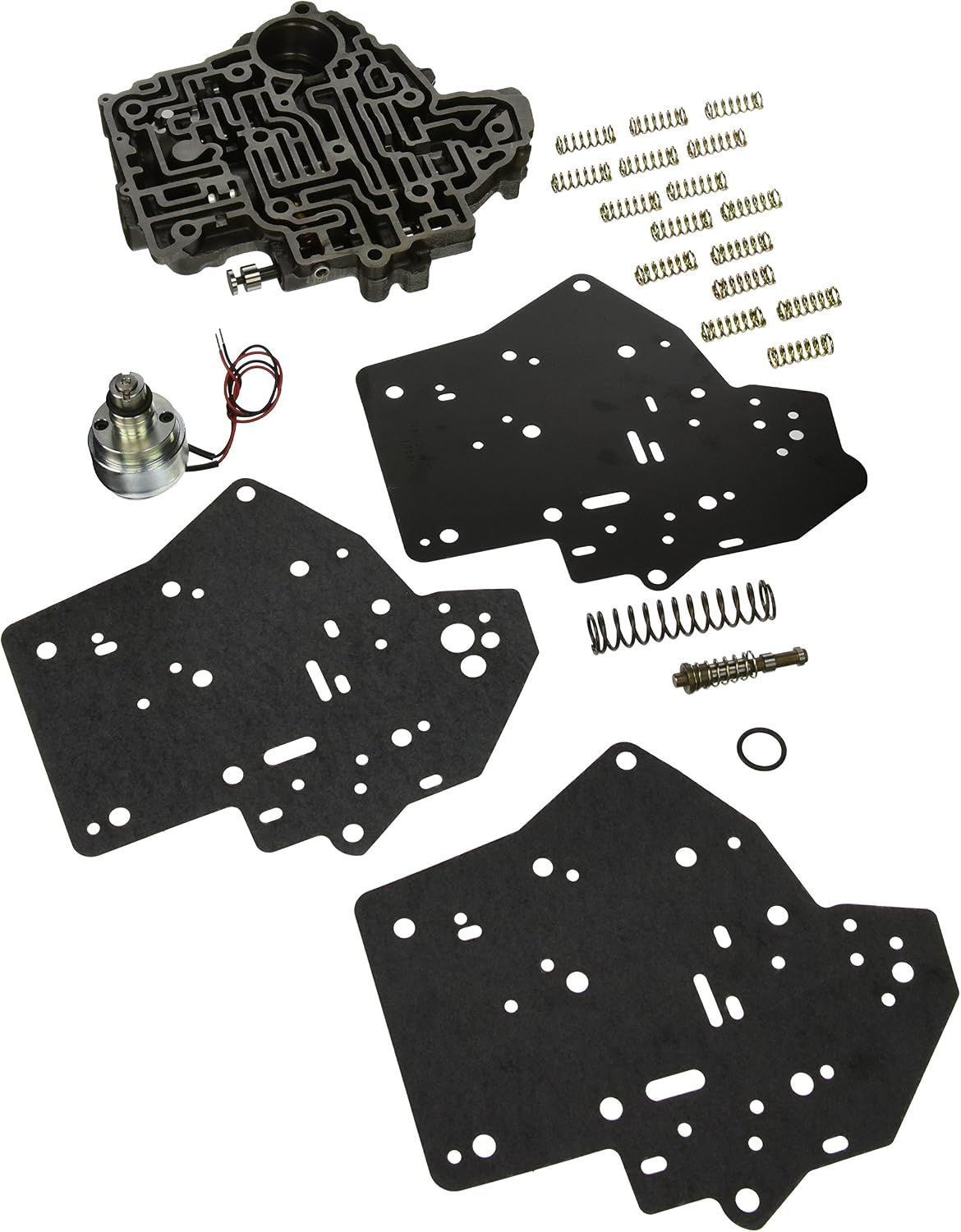
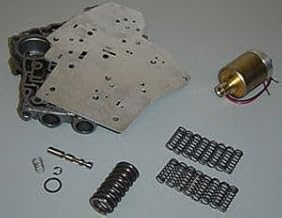
How the TH400 Valve Body Controls Shifts
The TH400 has no brain but oil. The pump generates line pressure, and the pressure regulator valve sets how high that line pressure climbs. The vacuum modulator reads engine load through manifold vacuum and biases pressure and shift feel accordingly — more load, more pressure, firmer and later shifts. The governor, spinning on the output shaft, produces a road-speed signal: roughly one psi of governor pressure for every mile per hour of vehicle speed. Inside the valve body, governor pressure works against modulator and throttle pressure at the 1-2 and 2-3 shift valves. When road speed wins, the valve strokes and the transmission upshifts. That is the whole logic of the transmission, expressed entirely in fluid.
Because every one of those signals is routed, balanced, and acted on inside the valve body, a fault anywhere in that chain shows up as a shift complaint. The skill in diagnosing a TH400 is separating a valve body that is genuinely worn or damaged from a healthy valve body that is simply receiving a bad pressure signal.
Symptoms of a TH400 Valve Body Problem
The complaints below are the ones that most often point at the valve body or the pressure signals feeding it. None of them is proof by itself — they are the starting point for testing.
| Symptom | What it usually points to |
|---|---|
| Harsh, banging shifts | High or uncontrollable line pressure (PR valve/bore, boost valve, modulator) |
| Soft, slipping, or flaring shifts | Low line pressure, worn accumulator, leaking bore/plug |
| No upshift / shifts only at high speed | Stuck shift valve, dropped or misplaced check ball, weak governor signal |
| Early or mushy shifts, no part-throttle downshift | Vacuum modulator or its vacuum supply |
| Delayed or no engagement, high cooler pressure | Worn pressure regulator bore |
| Shifts at wrong speeds, erratic timing | Governor valve sticking or stripped governor gear |
Notice how many rows resolve to pressure, not to a cracked casting. That is the whole point: the valve body is the most-blamed and least-tested part on this transmission.
The Real Causes Behind a "Bad" TH400 Valve Body
1. A worn pressure regulator valve bore
This is the classic high-mileage TH400 problem, and it masquerades as everything else. Sonnax notes that high-mileage GM TH400 and TH425 units often suffer poor line pressure control because the hardened steel pressure regulator valve constantly oscillates in the cast-iron pump bore and wears it oval. Balance-line pressure then leaks past the valve, so the regulator can't move fully to its low-pressure position — the result is high cooler pressure and, downstream, converter, crankshaft, and friction-element failure. Sonnax specifically says this bore wear "can be verified by testing line pressure and testing the pump," which is exactly why the test procedure below starts with a gauge.
2. Stuck shift valves and dropped check balls
The 1-2 and 2-3 shift valves have to stroke cleanly for the transmission to upshift on schedule. Varnish, debris, or a burr can hang one up, giving a no-upshift or a transmission that only shifts at high speed. The TH400 valve body also relies on a specific arrangement of steel and rubber check balls to route oil; a ball that has fallen out, been left out during a rebuild, or been placed in the wrong pocket will send oil down the wrong circuit and produce shift complaints that no amount of pressure adjustment will cure.
3. Worn accumulator and boost/regulator valves
Shift feel on the TH400 depends on the accumulator cushioning the apply, and on the boost valve modifying line pressure. Sonnax's valve body layout for this family identifies the boost valve as a cause of "high line pressure" and lists dedicated accumulator and pressure regulator upgrades — a worn accumulator bore gives soft or low-pressure shifts, while a stuck or wrong-rate boost valve gives uncontrollable line rise and harsh shifts.
4. Governor and modulator faults that only look like the valve body
The two most common "valve body" jobs that turn out to be something else are the governor and the vacuum modulator. The TH400 governor most often fails by stripping its nylon gear or by the governor valve sticking on a bit of debris, which throws off shift timing entirely. The vacuum modulator, or a cracked/leaking vacuum line to it, changes shift firmness and timing and can cause the transmission to pull fluid into the engine if the diaphragm ruptures. Both are cheap, external, and must be ruled out before the valve body comes off.
How to Test Your TH400 Valve Body
Test in this order. It moves from the cheapest external checks to the internal inspection, so you don't pull a valve body that a five-minute gauge reading would have exonerated. You need a 0–300 psi gauge for line pressure and a separate 0–100 psi gauge for governor pressure — a 300 psi gauge is not sensitive enough to read the low governor circuit accurately.
- Test line pressure at the port. The TH400 has a line-pressure tap on the case. With the engine warm and the gauge connected, read pressure in Park/Neutral at idle, then in gear, then snap the throttle. A healthy stock unit runs on the order of the low-to-mid 100s of psi at idle and rises firmly with load; pressure that is low, that will not rise, or that is wildly high and uncontrollable points at the pressure regulator circuit. Sonnax's guidance is direct: a worn PR bore is confirmed by testing line pressure and testing the pump.
- Test governor pressure. Tee the 0–100 psi gauge into the governor circuit and drive the vehicle (or spin the output on a bench setup). Governor pressure should climb smoothly with road speed at roughly one psi per mph. No rise, erratic rise, or pressure that sticks and jumps means the governor valve is hanging up or the governor gear is stripped — not a valve body fault. This is the single most common reason a TH400 "won't upshift" or shifts at the wrong speed.
- Check the vacuum modulator and its signal. Pull the vacuum line at the modulator and confirm strong, steady manifold vacuum with no leaks. Remove the modulator and check for fluid in the vacuum side — ATF there means a ruptured diaphragm. A weak or leaking modulator gives early, mushy shifts and no proper part-throttle downshift, and it changes the pressure the valve body sees. Replace it before you judge the valve body, because it directly biases every shift.
- Inspect the shift valves for free movement. With the pan and valve body off, work the 1-2 and 2-3 shift valves in their bores by hand. They must fall freely under their own weight when the bore is tipped. Any drag, notching, or sticking from varnish or a burr will cause a no-upshift or a high-speed-only shift. Clean the bores and valves and re-check; a valve that still hangs up needs the bore serviced.
- Verify the check balls and separator plate. Before splitting the valve body from the separator plate, note where every check ball sits, because they fall out the instant the plate is unbolted. Confirm each ball is present, is the right type, and is in its correct pocket against a known-good layout — a missing or misplaced check ball is a frequent cause of wrong-circuit shifts and is easy to leave out during reassembly. Inspect the separator plate and gaskets for cross-leaks and worn orifices.
- Inspect the accumulator, PR, and boost valves. Check the accumulator piston, bore, and spring for wear that would soften the apply, and check the pressure regulator and boost valves for scoring and free movement in their bores. Roll the valves on a flat surface to spot bent lands. This is where a worn PR bore, a leaking end plug, or a stuck boost valve finally reveals itself as the cause of the pressure reading you measured back in step 1.
Work that list top to bottom and the diagnosis resolves itself. If line pressure and governor pressure are on-spec, the modulator holds vacuum, the valves fall free, and the check balls are correct, the valve body is fine and the problem is elsewhere. If a gauge reading is off, you now know which circuit to chase instead of guessing.
Repair or Replace the Valve Body
Once testing has actually implicated the valve body, you have three realistic paths. A targeted repair handles a single sticking valve or a worn bore: clean and service the shift valves, install an oversized or drop-in valve kit to restore a worn pressure regulator or boost valve bore, and correct any check-ball or separator-plate issue. A shift kit recalibrates shift feel and firms up the apply if the casting is otherwise sound and you want crisper shifts. A reman or replacement valve body is the move when the casting is worn beyond a drop-in repair or when multiple bores are shot — it restores correct pressure control without gambling on the original bores.
Whichever path you take, fix the cause the gauge pointed at. Installing a fresh valve body onto a transmission whose real problem is a stripped governor gear or a ruptured modulator just moves the money around without fixing the truck.
Shop TH400 Valve Bodies & Shift Kits
Reman TH400 valve bodies, shift kits, pressure regulator and boost valve kits, governors, vacuum modulators, and rebuild kits — the parts that fix what your gauge readings point to, shipped fast from the USA.
Shop TH400 valve bodies & parts →Doing the job? Our line pressure testing walkthrough covers the gauge work in step 1 in more detail, and applies directly to the TH400 hydraulic circuit described here.
Sources
- Sonnax — GM TH400 Transmission (unit overview), reference for the TH400 valve body, governor, and line-pressure circuit and the parts that address high and uncontrollable line pressure. sonnax.com/units/453-th400
- Sonnax — GM 4L80-E, 4L85-E (TH400) Valve Body Layout, identifying the pressure regulator, boost, shift, and accumulator valves and the bore wear/leaks that drive harsh, soft, and no-upshift complaints. sonnax.com/tech_resources/805
- Sonnax — Pressure Regulator Valve Kit (34910-03K), on the worn TH400/TH425 pressure regulator bore causing high cooler pressure and converter/crankshaft/friction failure, verified by testing line pressure and the pump. sonnax.com/parts/2019-pressure-regulator-valve-kit
- Sonnax — The Prescription for Optimum Pressure, on setting and controlling line pressure and why sagging or worn pressure control drives shift-quality and durability problems. sonnax.com/tech_resources/100
- Sonnax — Line Pressure Booster Kit (400-LB1), on stronger pressure regulator springs and boost valves that restore apply pressure in units with sagging PR springs. sonnax.com/parts/2154-line-pressure-booster-kit
- Sonnax — FAQs About the TH400 Smart-Tech Drum Module, TH400-specific tech reference on the direct/reverse drum and related apply-pressure concerns. sonnax.com/tech_resources/1148