Ask three shops what a ZF6HP rebuild costs and you can get three answers that aren't even in the same neighborhood: one quotes a few hundred dollars for a reseal, another quotes a full rebuild kit plus a day of labor, and a third quotes a four-figure reman exchange. None of them are lying to you. They're pricing three different jobs, because "rebuild" on this transmission can mean a fifteen-minute valve swap or a full teardown, and the cost gap between them is enormous.
The ZF6HP (the six-speed behind most BMW, Jaguar, Land Rover, Audi, VW and some Chrysler/Dodge/Jeep V8 applications from roughly 2001-2013) earns that spread honestly. It has at least three distinct internal hydraulic designs that aren't interchangeable, a known wear pattern that causes most of its "rebuild-worthy" symptoms, and a reputation for turning into a much bigger bill when the wrong parts get ordered the first time. Here's what actually drives the number, with real parts pricing and sources at the bottom.
Three Different Jobs Share the Word "Rebuild"
Before pricing anything, figure out which of these you're actually looking at, because the cost difference between them is the whole story:
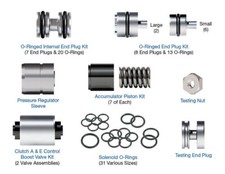
- A targeted reseal. One known wear point, usually the pressure regulator valve bore, has opened up and is causing a specific symptom. The fix is a single oversized valve-and-sleeve kit, often done without pulling the valve body apart beyond what's needed to access that bore.
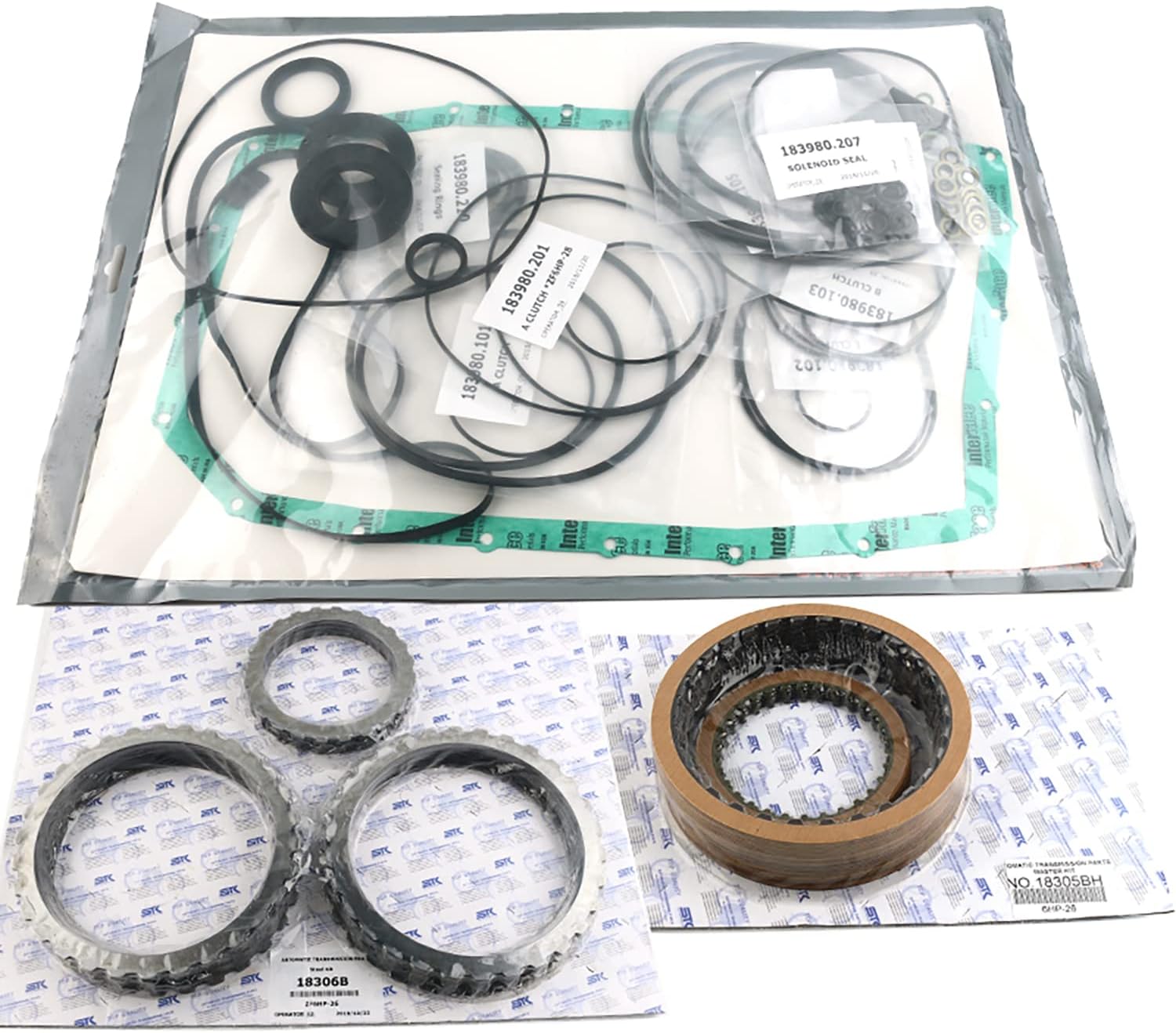
- A mid-range rebuild. The valve body and clutch packs both need attention, but the case, pump, and torque converter are sound. This is where a master rebuild kit with clutches earns its keep.
- A full teardown or reman exchange. Burned clutches, a damaged case, a failed mechatronic unit, or enough mileage that a shop won't warranty a partial fix. This is the tier where a shop quote includes R&R labor on top of a complete kit, or where swapping in a remanufactured unit outright starts to make more sense than rebuilding the one in the car.
Most of the "ZF6HP rebuild is so expensive" complaints you'll read online are actually describing the third tier, when the symptom that triggered the quote, converter clutch shudder or a stored gear-ratio code, was fixable at the first tier if it had been caught earlier.
Generation 1, Generation 2, and the "Tween": The ID Mistake That Doubles the Bill
The single biggest cost driver on a ZF6HP rebuild isn't labor rate or even the failure itself. It's whether the right parts get ordered the first time, and that depends on correctly identifying which of three hydraulic designs is actually in the car.
Transmission Digest's TASC Force technical series lays out the baseline split: a Generation 1 valve body (6HP19/26/32) has six orifices on the cast side of the upper valve body, with six accumulator pistons mating to them. A Generation 2 valve body (6HP21/28/34) has seven. The two mechatronic units can look nearly identical from the outside while being programmed differently and using different-sized pressure-regulator valves and sleeves, so a visual guess from across the bench is how a rebuild starts with the wrong kit on order.
There's a third wrinkle that catches even experienced rebuilders: a valve body stamped with an 053 separator plate code, found mostly in 7-series BMWs. It shares some features with Generation 2 but still runs on Generation 1 logic, which is why Transmission Digest's follow-up piece nicknamed it the "tween." Misidentifying it means ordering parts that don't fit, and the same article notes that once it's correctly identified, aftermarket reseal kits exist that provide "a significant cost savings over an OE remanufactured valve body," which only underscores how much that one identification step is worth in dollars.
Solenoids aren't interchangeable either, even within the same valve body
It gets more specific than generation-level parts. Transmission Digest's TASC notes flatly that Generation 1 and Generation 2 solenoids have different flow rates, and during a rebuild you should make every effort to put each solenoid back in its original bore, because the transmission control module learns the flow rate of the solenoid in that position over time. Move a solenoid to a different bore, even within the same unit, and you can get flare or harsh shifts afterward that look like a bad rebuild but are actually a parts-placement mistake. On a rebuild that's already been paid for once, that's a comeback, and comebacks cost more than getting it right the first time.
The Parts Bill: What a ZF6HP Rebuild Actually Costs
Here's what the parts side runs at our prices, by tier:
| Item | What it covers | Price |
|---|---|---|
| ZF6HP overhaul gasket and seal kit (6HP26) | Gaskets and seals only, no clutches | $79.99 |
| ZF6HP shift kit | Shift-quality upgrade kit, not a full rebuild | $65.99 |
| ZF6HP valve body (complete replacement unit) | Drop-in valve body for hydraulic-only failures | $190.99 |
| ZF6HP26 master rebuild kit with clutches | Clutches, seals and gaskets for a mid-range rebuild | $299.99 |
| ZF 6HP19 master rebuild kit with filter (BMW) | Full rebuild kit plus filter, 19-specific | $415.99 |
| ZF6HP master rebuild kit / overhaul kit | Complete clutches, seals, gaskets and filter for a full teardown | $503.99 |
Notice the gap between the cheapest and most expensive line is nearly $450, and none of that is labor yet. A shop that quotes a flat "ZF6HP rebuild" number without first identifying the failure and the generation is either padding the quote to cover its own uncertainty, or it's about to order the wrong kit.
What the Labor Is Actually Paying For
Correctly identifying the failure before ordering anything
Given the three-tier structure above, the first hours of a competent ZF6HP job are diagnostic, not wrench time: confirming the transmission code, counting accumulator orifices or measuring the pressure regulator sleeve to rule out an 053 "tween" unit, and deciding whether the symptom matches a known reseal fix or genuinely needs a full kit. Skipping this step is how a $190 valve body job turns into a return and a second labor charge.
Access, on platforms where the transmission doesn't come out easily
Several ZF6HP applications, particularly BMW and Land Rover AWD platforms, route the drivetrain and cooler lines in ways that make a straightforward drop harder than on a typical RWD automatic. The exact access procedure varies by chassis, but the labor time for getting the unit accessible, separate from the rebuild itself, is a real line item a shop is pricing in.
Keeping solenoids in their original bores
As covered above, this isn't optional housekeeping. A rebuild that mixes up solenoid placement can produce a shift-quality comeback that costs more in diagnosis time than it would have taken to label and track each solenoid's bore the first time.
The Failure That Drives Most "Rebuilds" That Didn't Need to Be Full Rebuilds
Sonnax's technical documentation on the ZF6 pressure regulator bore describes a specific, well-mapped wear pattern: wear at the sleeve end of the bore causes excessive line pressure, which can break drums, pistons, or other parts and restrict converter and lube flow; wear at the spring end allows line pressure to exhaust, causing low pressure, lube and torque-converter-clutch fluid loss, and symptoms including flare shifts, harsh shifts, slips in forward and reverse, delayed or no reverse, and TCC slip. Sonnax's correction for this is an oversized pressure regulator valve kit that restores valve-to-bore clearance, sold in separate part numbers for Generation 1, Generation 1 with 053 plate, and Generation 2, because the bore dimensions differ by tenths of an inch across the three designs.
That one wear point accounts for a large share of the symptoms that get a ZF6HP quoted for a "rebuild" in the first place: torque converter shudder, harsh or flared shifts, and stored gear-ratio or pressure-related codes. When the wear pattern matches, the fix is the first tier described above, not the third.
When It's Not a Reseal: The Expensive End of the Range
Left alone long enough, that same wear pattern has a documented worst case. Jaguar Land Rover's technical bulletin JTB00305NAS1, covering the 6HP26 and 6HP28 as used in the Jaguar XF, XJ and XK from 2008-2011, describes the transmission's warning light coming on with stored codes P0729 through P0735, P0783, and P2702 through P2704, traced to degradation and failure of what the bulletin calls the "lead-free bush." The instructed repair in that bulletin isn't a reseal or a kit. It's replacing the entire transmission assembly. That's the ceiling on ZF6HP repair cost, and it exists specifically because the cheaper, earlier fix wasn't caught in time.
DIY or Shop?
The parts cost is the same either way. What changes is whether you have the tooling and the patience for correct identification: a way to measure the pressure regulator bore or sleeve, the discipline to track which solenoid came out of which bore, and the willingness to confirm the exact transmission code rather than assume from the model year. If any of that sounds like more trouble than it's worth, pay a shop that has specifically rebuilt ZF6HP units before, not a generalist shop pricing it like a Ford 6R60 and hoping the parts interchange. On this transmission, that assumption is usually wrong and always expensive.
ZF6HP valve bodies, rebuild kits and gasket/seal kits — shipped fast from the USA.
Shop ZF6HP parts →Related guides
- ZF6HP Fluid Change Cost: What You're Actually Paying For
- ZF6HP Valve Body Symptoms
- ZF6HP Torque Converter Shudder: Diagnosis and Fix
- ZF6HP Slipping: Causes and Fix
- ZF6HP vs ZF8HP: Differences, Interchange & Which Is Stronger
FAQ
How much does a ZF6HP rebuild cost?
It depends entirely on what actually failed. A pressure-regulator wear reseal using a part like Sonnax's oversized valve kit is closer to a parts cost in the low hundreds plus a few hours of labor, since the valve body often doesn't need to come off the car. A shift kit or gasket-and-seal-only kit lands in the same range. A full master rebuild kit with clutches, seals and a filter runs $300-$500 in parts before labor. A damaged case, burned clutch packs, or a failed mechatronic unit usually means a shop quote in the thousands once you add labor and, on many platforms, a subframe drop to get the transmission out.
What is the difference between a ZF6HP reseal and a full rebuild?
A reseal targets one known wear point, most commonly the pressure regulator valve bore, and restores clearances with an oversized valve and sleeve kit without touching the clutch packs or bands. A full rebuild tears the unit down to the case, replaces every clutch, seal, and gasket with a master kit, and inspects or replaces the valve body, pump, and torque converter. A reseal is cheaper and faster when the wear pattern matches a known fix; a full rebuild is what you need once clutches are burned or the case has mechanical damage.
Why does the ZF6HP have Gen 1, Gen 2, and tween valve bodies?
ZF changed the hydraulic design partway through production. Generation 1 units (6HP19/26/32) use six accumulator orifices and pistons in the valve body; Generation 2 units (6HP21/28/34) use seven. A third design, identified by an 053 separator plate code and found mostly in 7-series BMWs, shares some Generation 2 features but still runs on Generation 1 logic, which is why rebuilders nicknamed it the 'tween. Ordering parts for the wrong one is one of the most common ways a ZF6HP rebuild quote jumps.
Can ZF6HP solenoids be put back in any location during a rebuild?
No. Generation 1 and Generation 2 solenoids have different flow rates, and the transmission control module learns the flow rate of the solenoid in each bore over time. Swapping a solenoid's position during a rebuild, even within the same valve body, can cause flare shifts or harsh shifts afterward until the TCM relearns, and swapping across generations can cause a shift-quality comeback that looks like a bad rebuild.
What is the most expensive ZF6HP failure to repair?
A degraded internal bushing that the transmission control module cannot compensate for. Jaguar Land Rover's technical bulletin on the 6HP26/6HP28 describes exactly that failure, stored as DTCs P0729 through P0735, P0783, and P2702 through P2704, with the instructed repair being full transmission assembly replacement rather than a rebuild. That is the ceiling on ZF6HP repair cost, and it is also the failure a timely pressure-regulator reseal is meant to prevent.
Sources
- Transmission Digest — "Talkin' 'Bout My Gen-eration" (TASC Force Tips, Maura Stafford). How to identify ZF6 Generation 1 (six accumulators/orifices) vs Generation 2 (seven) before disassembly, and that Generation 1/2 solenoids have different flow rates the TCM learns by bore position. transmissiondigest.com
- Transmission Digest — "'Tween': How to Identify the ZF6HP Series Valve Body that Bridges 1st & 2nd Generation Designs." Identification of the 053 separator-plate-code valve body, its mixed Gen 1/Gen 2 characteristics, and the cost savings of a correctly-identified aftermarket reseal versus an OE remanufactured valve body. transmissiondigest.com
- Sonnax — Oversized Pressure Regulator Valve Kit (ZF6/6R60-80). The pressure-regulator bore wear pattern, resulting symptoms (flare/harsh shifts, TCC slip, no reverse), and the generation-specific kit part numbers and bore dimensions. sonnax.com
- Jaguar Land Rover — Technical Bulletin JTB00305NAS1 (22 Apr 2015), via NHTSA mirror. 6HP26/6HP28 transmission MIL illumination with DTCs P0729-P0735, P0783 and P2702-P2704, caused by degradation and failure of the lead-free bush, with the instructed fix being transmission assembly replacement. static.nhtsa.gov (PDF)
- ZF Aftermarket — Passenger Cars Product Portfolio. ZF's own aftermarket parts catalog structure for the 6HP line, confirming the OEM supply chain referenced for generation-specific components. aftermarket.zf.com