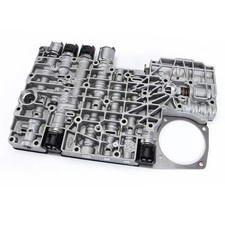
Ford Ranger, Explorer and Mazda B-Series owners with the four-speed 4R44E usually go looking for a valve body after one of three complaints: the truck sits for a second or two before reverse engages, the converter will not lock up and sets a P0741, or shifts have gone soft and slow. This remanufactured 4R44E valve body is listed across the 1995-2011 span of the Ford valve body family it belongs to, and it is meant to replace a worn hydraulic unit in one piece rather than chasing individual bores.
What the valve body does in a 4R44E
The 4R44E is a light-duty, rear-drive four-speed with electronic control layered onto a largely hydraulic design. It shares its valve body architecture with the 4R55E, 5R44E and 5R55E - Sonnax publishes one valve body layout covering all four. The valve body takes pump output through the main pressure regulator, uses boost valves and the electronic pressure control (EPC) solenoid to raise line pressure under load, and sends that pressure through the shift valves to the clutches and bands. A separate TCC modulator and TCC regulator valve circuit controls converter lockup. On a high-mileage unit those spool valves wear their aluminum bores, and pressure leaks past where it should be held.
Symptoms tied to 4R44E valve body wear
- Delayed reverse and soft shifts from low line pressure or a worn boost valve
- Harsh shifts and, over time, reverse band damage from excessive line pressure in reverse
- No lockup, TCC cycling or surge, high converter slip and a stored P0741 from TCC regulator or modulator bore wear
- Engine stalling when shifting into gear, which Sonnax ties to the same TCC circuit
- No engine braking from D3 to low, or no fourth gear, linked to coast clutch valve wear
- Delayed engagement, overheating and low cooler flow when the pressure regulator bore is worn
How to confirm it before you buy
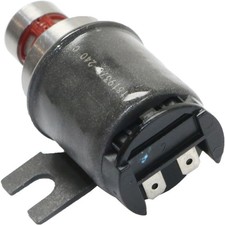
Start with codes and a line pressure test. A P0741 with clean fluid, or line pressure that is low at idle and does not climb properly when the EPC commands it, points at the valve body instead of the clutch packs. Our line pressure checking guide walks through gauge hookup and what the readings mean. Before condemning the valve body, rule out the solenoids themselves - a failed 4R44E TCC solenoid or EPC solenoid can mimic bore wear. If the pan is full of burnt friction material, a valve body will not save the transmission and a rebuild is the better spend.
Fitment
The 4R44E went into four-cylinder and V6 Ford Rangers and Explorers and their Mazda B-Series twins starting in 1995. The 1995-2011 range on this listing reflects the production span of the valve body family, not a promise that every year in that window uses an identical casting - Ford changed separator plates, solenoid bodies and calibrations along the way, and the 4.0L units used a different TCC regulator spring rate than the 2.3L. Match the casting number and solenoid connector on your old valve body, or send us your year and VIN. If you have a first-year truck, also look at the 1995-specific 4R44E valve body.
Install notes
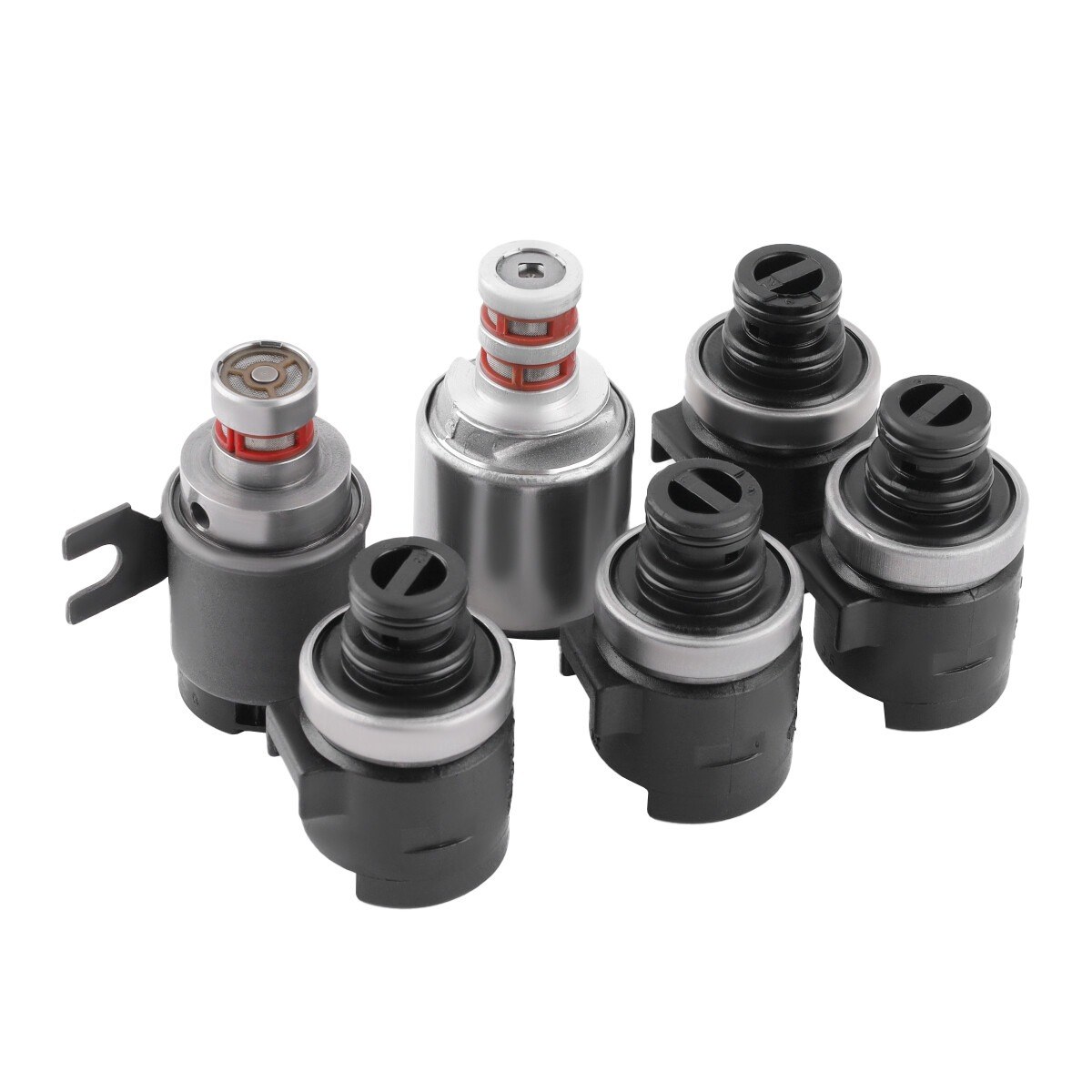
Drain the pan, remove the filter and unplug the solenoid harness, then lower the valve body while keeping the manual valve aligned with the selector linkage. Note checkball locations on the old separator plate before you set it aside. Install the new unit, torque the bolts gradually from the center outward to spec, fit a new filter and pan gasket, and refill with MERCON V, which Ford lists as the service fluid for original MERCON applications. Check the level hot. If you are keeping the original solenoids on a high-mileage truck, a 4R44E solenoid kit is cheap insurance while the pan is down. Finish with a road test through every gear and confirm lockup engages around cruising speed.