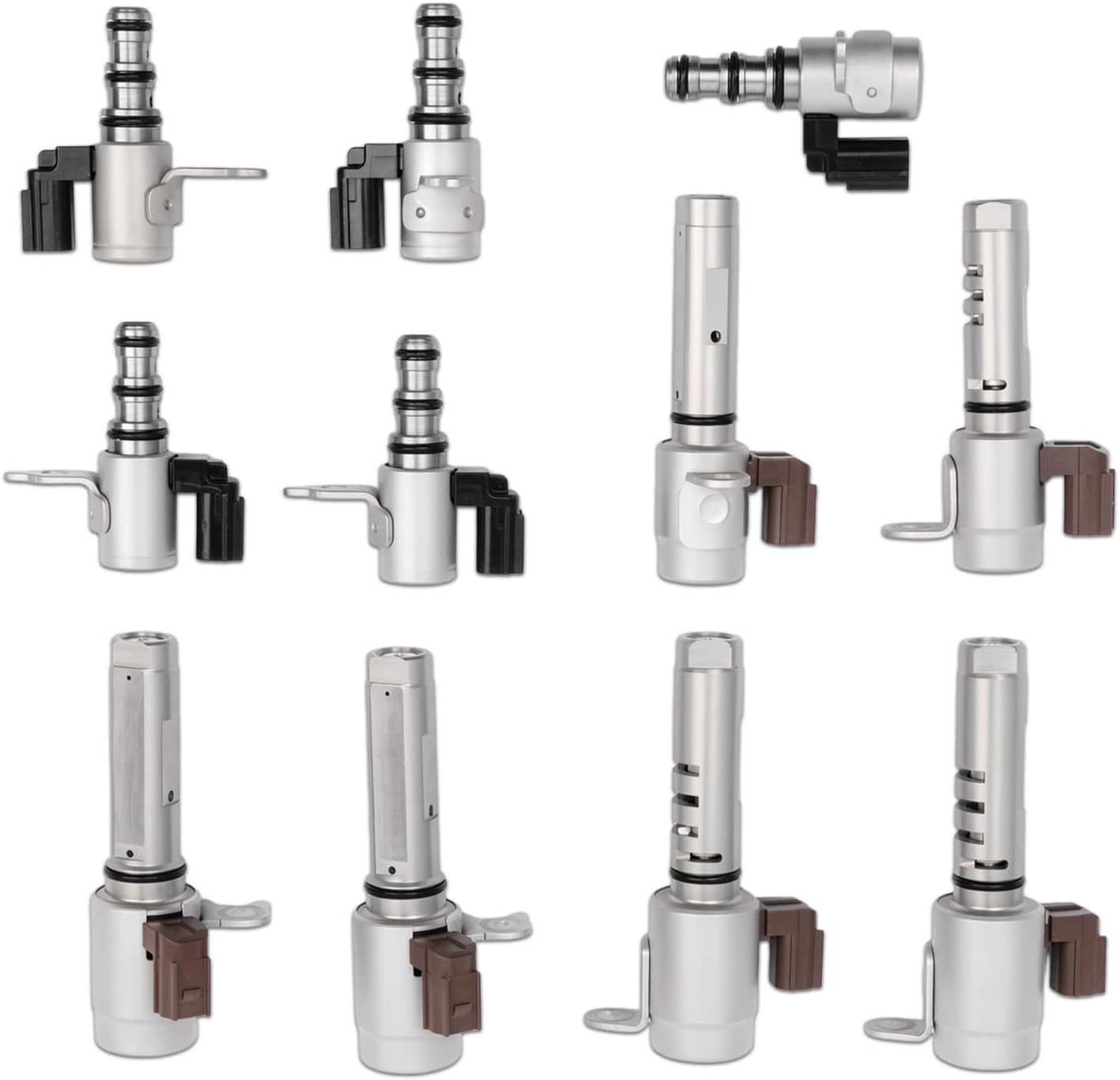
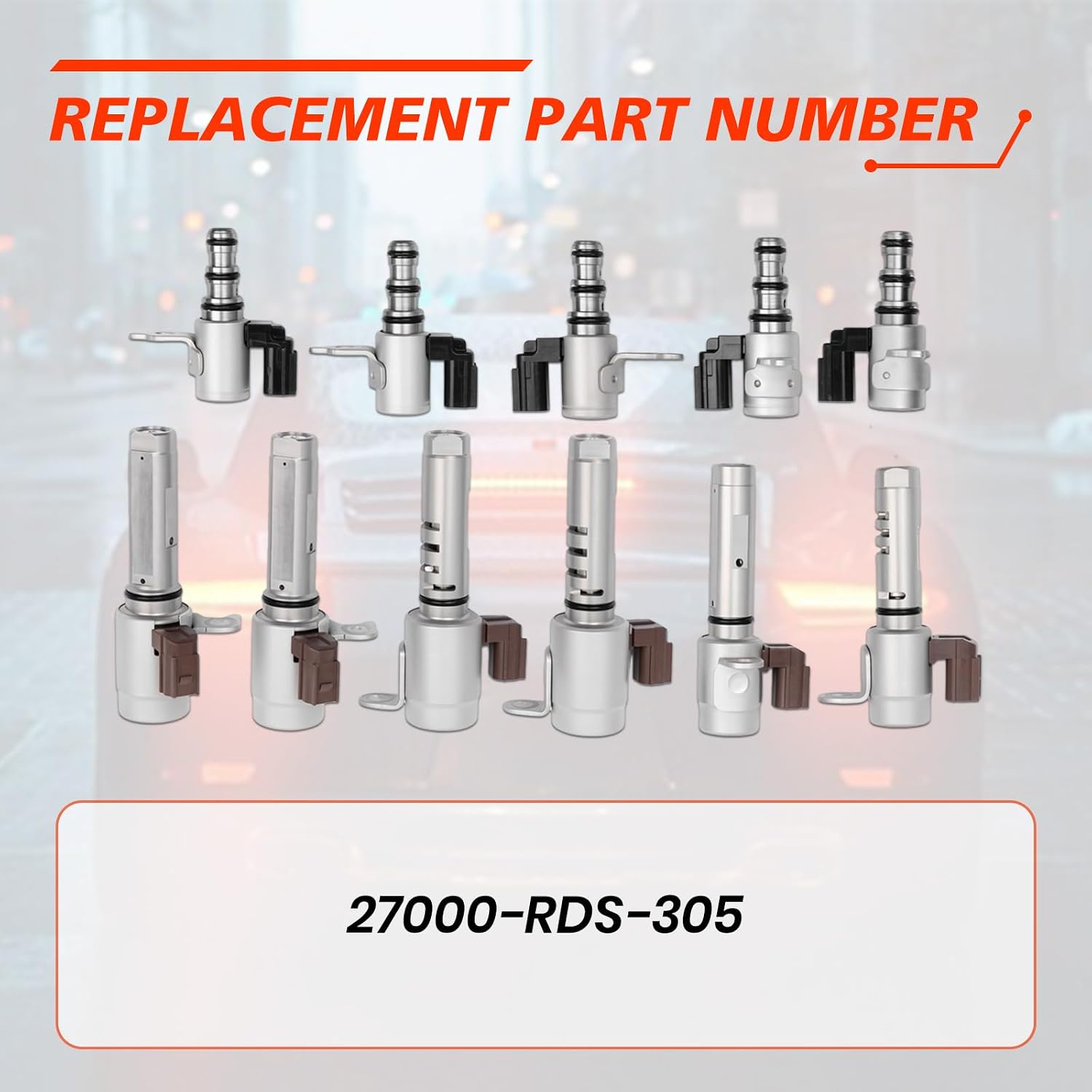
If your 2.4L Acura TLX or ILX has started banging into second, flaring between gears, hesitating when you pull away, or flashing the D indicator with a stored transmission code, the solenoid set that controls the eight-speed dual clutch transmission is one of the first things to check. This is the complete eleven-piece set sold under Honda/Acura OE assembly number 27000-RDS-305, remanufactured and calibrated, so the whole hydraulic control side of the transmission gets refreshed in one job instead of one solenoid at a time.
What the solenoid kit does in the Acura 8DCT
The four-cylinder TLX does not use a conventional planetary automatic. Acura paired the 2.4-liter i-VTEC engine with its 8DCT, an eight-speed dual clutch transmission that also has a torque converter in front of it. One clutch handles the odd gears and the other handles the even gears, and the next gear is preselected so the shift is just a handoff from one clutch to the other. Every part of that handoff is hydraulic and every hydraulic event is metered by a solenoid. The linear solenoids in this kit set clutch apply pressure and move the shift forks, and the on/off solenoids switch circuits as the computer sequences each gear change. When one of them drifts, the handoff between clutches gets mistimed, and the driver feels it as a slip, a bump, or a shudder.
Symptoms of worn 8DCT solenoids
- Flare or engine rev-up between gears, most often on light-throttle upshifts
- Hard engagement or a clunk on the 1-2 or 2-3 shift
- Hesitation or a jerky launch from a stop, especially when the fluid is cold
- Transmission holding one gear and refusing to shift (fail-safe operation)
- Blinking D indicator and stored solenoid or clutch pressure codes in the transmission computer
How to confirm the solenoids before you buy
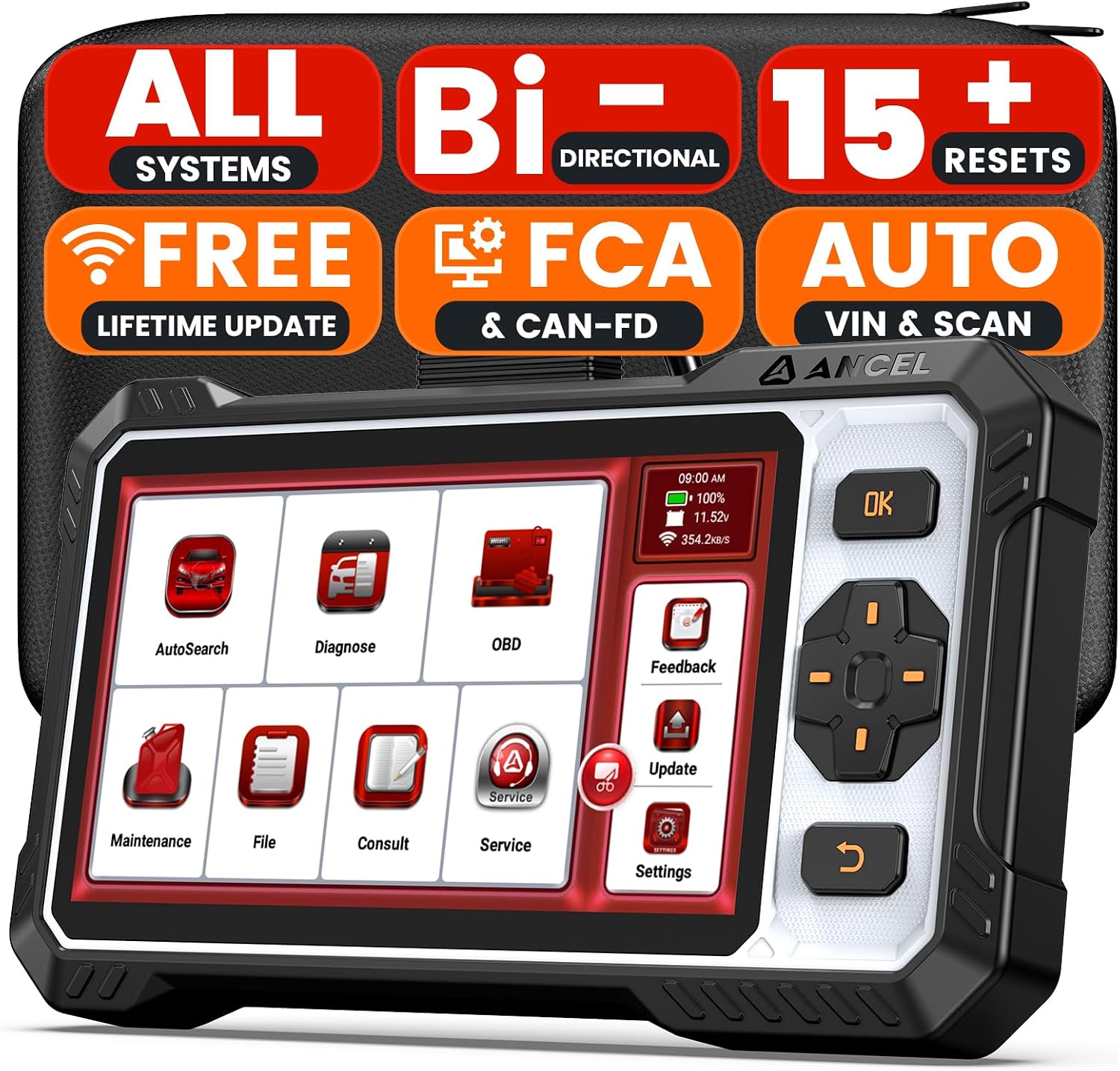
Read the codes with a scan tool that can see the transmission module, not just the engine. A solenoid circuit code points at the solenoid, the internal wiring or the connector, so check resistance across each coil and look for green corrosion or a backed-out pin before condemning the part. Our walkthrough on testing a transmission solenoid with a multimeter covers the method, and an inexpensive digital multimeter is all you need for the coil check. If the codes are pressure or performance codes rather than circuit codes, a bidirectional tool such as the Autel MX808S lets you command individual solenoids and watch the result, which separates a sticking solenoid from worn clutches. Our transmission scan tool guide compares the options.
Fitment
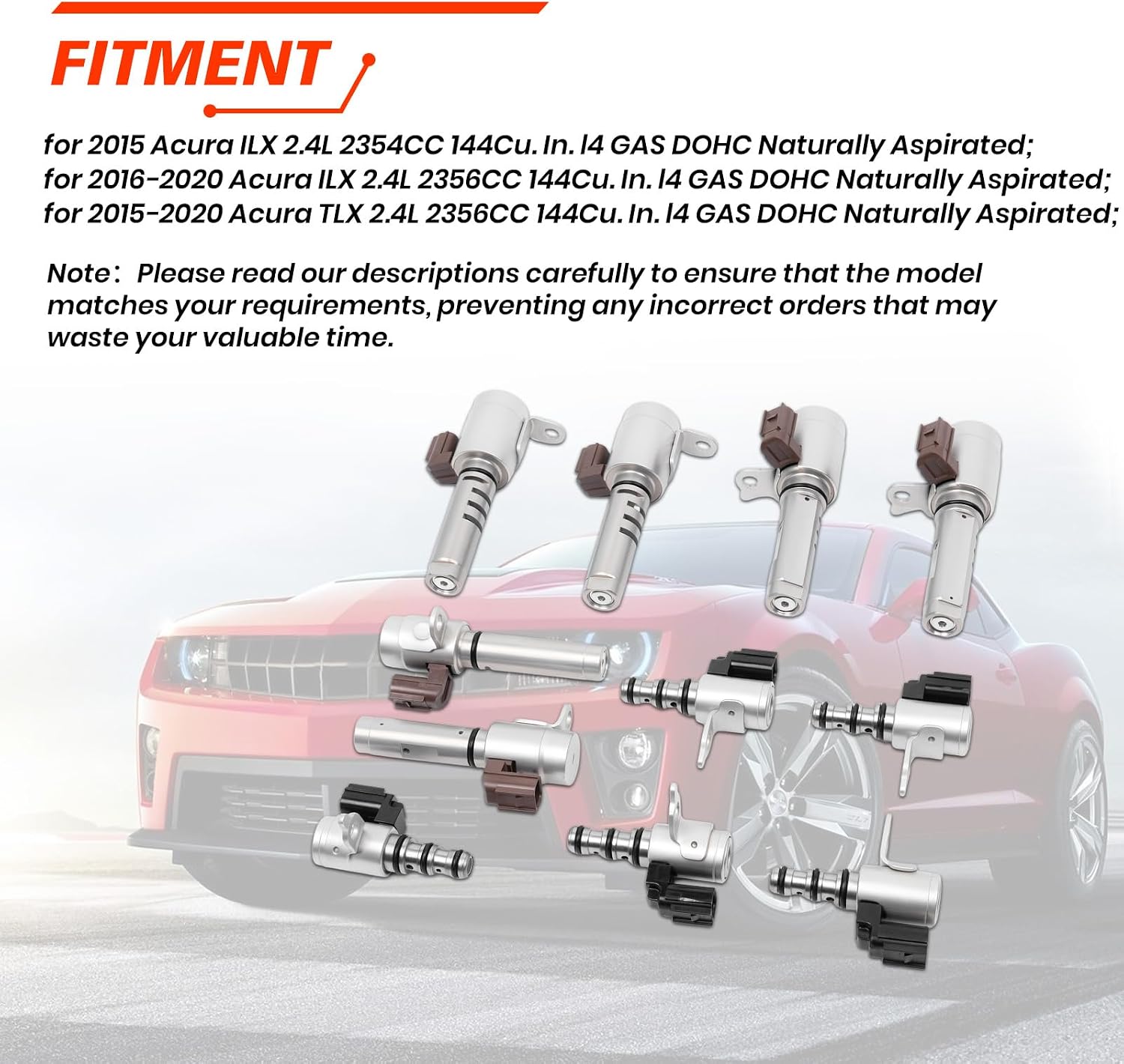
The listing covers the 2.4L Acura TLX from 2015 through 2020 and the 2.4L Acura ILX through 2020, automatic only. It does not fit the 3.5L V6 TLX, which uses a different nine-speed automatic, and it does not fit any manual car. The 8DCT reached the ILX for the 2016 model year, so if you have a 2015 ILX, confirm your transmission by VIN before ordering. On any car that has had transmission work, compare the number on your old solenoid assembly to 27000-RDS-305, or send us your year and VIN and we will confirm it for you. You can browse other transmission parts on our shop by transmission page.
Install notes
- Drain the fluid and keep it in a clean pan so you can inspect it for clutch material and metal.
- Photograph the harness routing and connector positions before anything comes apart. Several solenoids share the same body style but feed different circuits, so label each one as it comes out.
- Fit new O-rings on every solenoid and lubricate them with clean transmission fluid so they do not roll or cut going into the bore.
- Torque the solenoid bracket bolts evenly and seat every connector until it clicks.
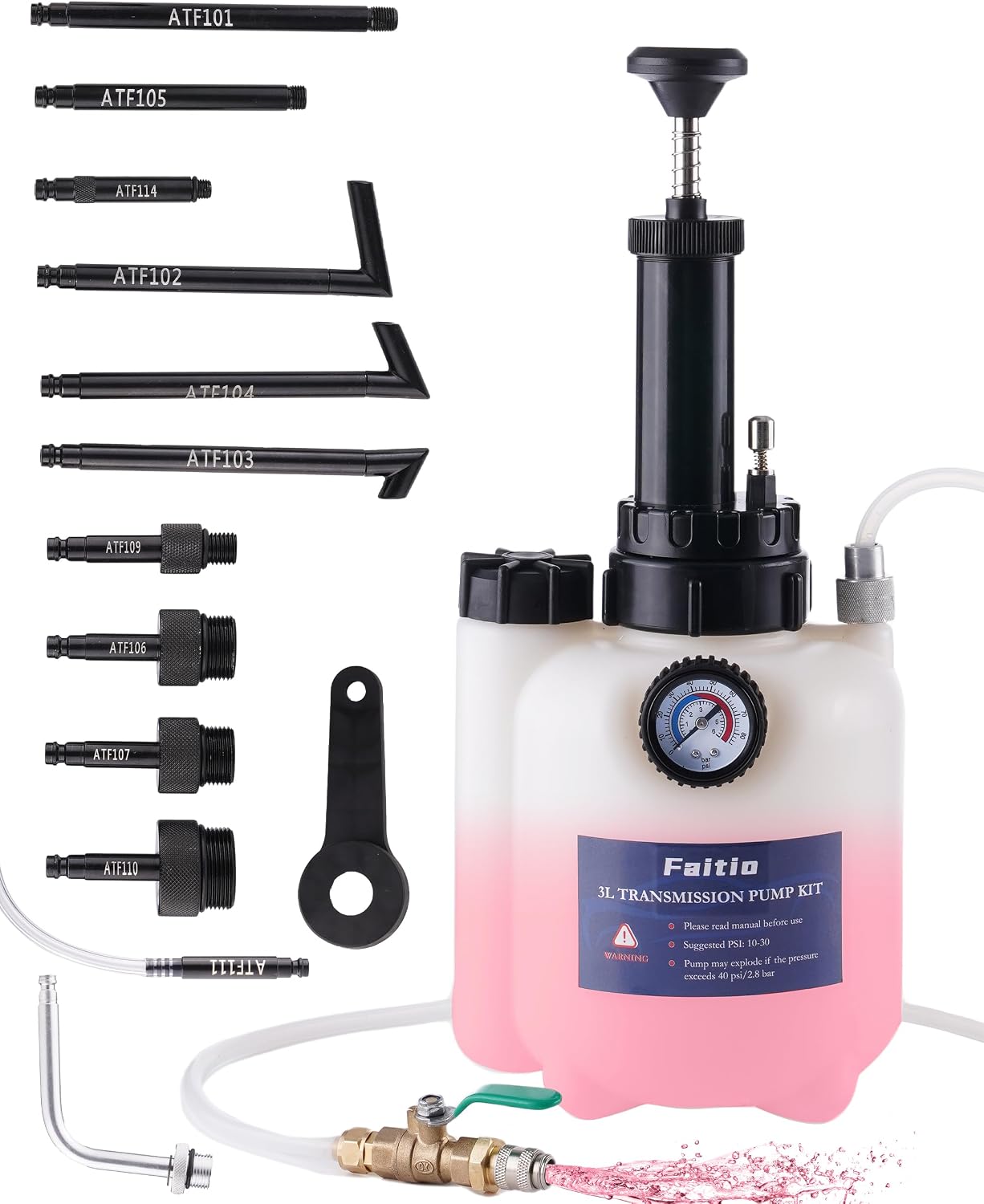
- Refill with the genuine Acura transmission fluid your owner's manual specifies for the 8DCT. A universal multi-vehicle fluid changes clutch friction and can bring back the exact shift complaint you just fixed. A fluid transfer pump makes the refill much easier.
- Clear the codes and have the transmission adaptive values reset and relearned with a capable scan tool before judging shift quality.
These are remanufactured units, cleaned, inspected and calibrated, and may show light cosmetic marks on the housings. If the old fluid smells burnt or the pan holds a lot of friction debris, the clutches may already be damaged and solenoids alone will not cure the problem.