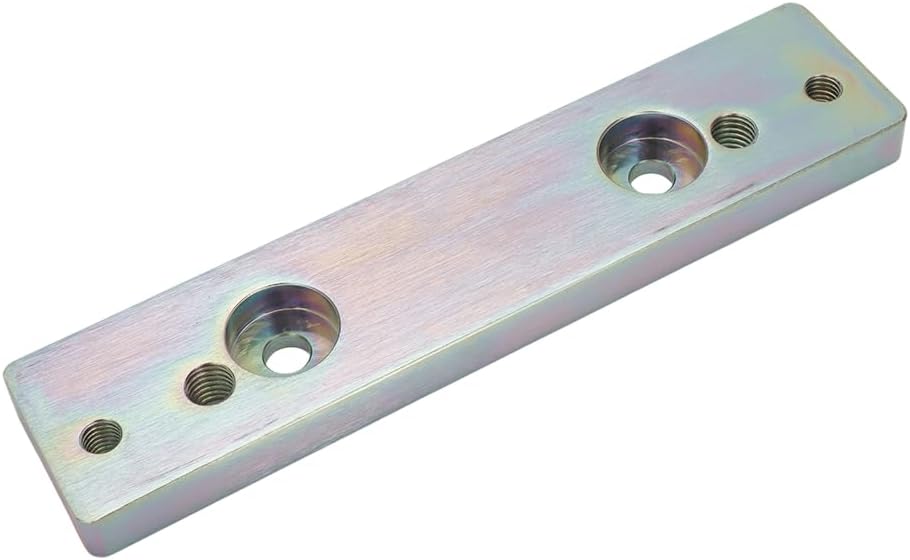
If your Dodge Ram with the NV4500 five-speed clunks every time you get on and off the throttle, or you pulled the transmission for a clutch and found the plate under the rear mount bent, cracked or missing, this is the part you are looking for. It replaces Mopar 52019641, the adapter that sits between the NV4500 tailhousing and the rubber rear mount on second and third generation Ram trucks, gas and Cummins alike. Instead of stamped sheet steel, this one is CNC machined from solid steel and zinc plated after machining.
What the mount adapter does on an NV4500
On these trucks the rear transmission mount does not bolt straight to the gearbox. The NV4500 tailhousing carries an adapter plate, the mount bolts to that plate, and the mount then sits on the crossmember. The adapter is the piece that locates the back of the transmission side to side and holds the driveline angle the factory set. When it bends, the transmission hangs slightly out of line, and every torque reversal loads the rubber mount unevenly. A big diesel pulling a trailer puts a lot of torque through that little plate, which is why so many trucks show up with it bent, rusted thin or simply gone after a previous clutch job.
Symptoms of a bad or missing adapter
- A clunk from under the cab on throttle tip-in and lift-off, or when you let the clutch out
- Driveline vibration that changes with load rather than road speed
- A rear transmission mount that tears or collapses early, sometimes more than once
- Shifter lever that buzzes or moves around more under load, because the whole gearbox is shifting on its mount
- Visible cracks at the bolt holes, a bowed plate, or no plate at all between the tailhousing and mount
How to confirm it before you buy
Put the truck on stands, have a helper rock it gently in first and reverse with the brake held, and watch the back of the transmission. If the tailhousing moves more than the rubber can explain, look closely at the plate. Rust scale between plate and mount, elongated bolt holes or a gap on one side all point to it. Rule out the clutch and the transfer case mounts too; a slipping clutch or worn synchros give their own symptoms, and our guide on automatic versus manual transmission repair cost explains what a manual teardown really involves if the problem turns out to be inside the box.
Fitment
This adapter is for Dodge Ram trucks with the NV4500 five-speed manual. Used 52019641 brackets are commonly listed for 1994-2002 Ram 2500 and 3500 NV4500 trucks, and the part carried into third generation trucks that kept the NV4500. It does not fit automatic transmissions, and it does not fit the NV5600 or G56 six-speeds, which mount differently. If your truck has had a transmission swap, look at the tailhousing before ordering. Two extra tapped holes line up with many 1965-2010 Ford pickup transmission mounts, which is handy when an NV4500 goes into a Ford or onto a home-built crossmember. One honest note: the machined pattern this design follows leaves off the exhaust hanger tab the stamped original carried, so if your exhaust hung from the old plate, plan a separate hanger. If you are unsure, send us your year and VIN before ordering.
Install notes
- Support the transmission with a jack under the case, not the pan or shift tower, and take just enough weight off the mount to free it.
- Remove the mount-to-crossmember nuts, then the bolts holding the old adapter to the tailhousing. Clean the tailhousing pads so the new plate sits flat.
- Bolt the new adapter to the tailhousing, set the mount back on the crossmember and torque everything to the factory specification for your truck.
- Replace the rubber mount at the same time if it is cracked, oil soaked or collapsed. A new plate on a dead mount will still clunk.
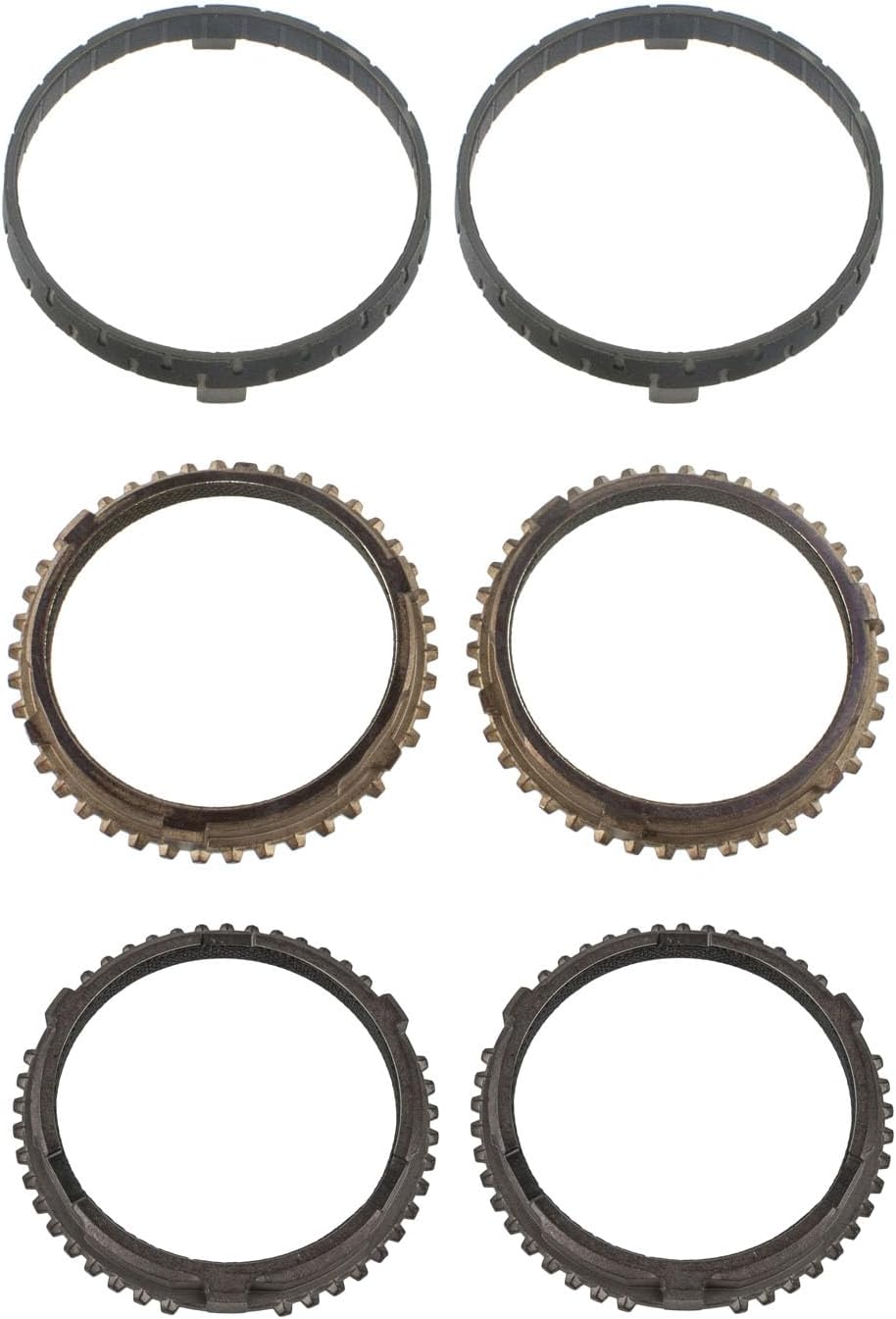
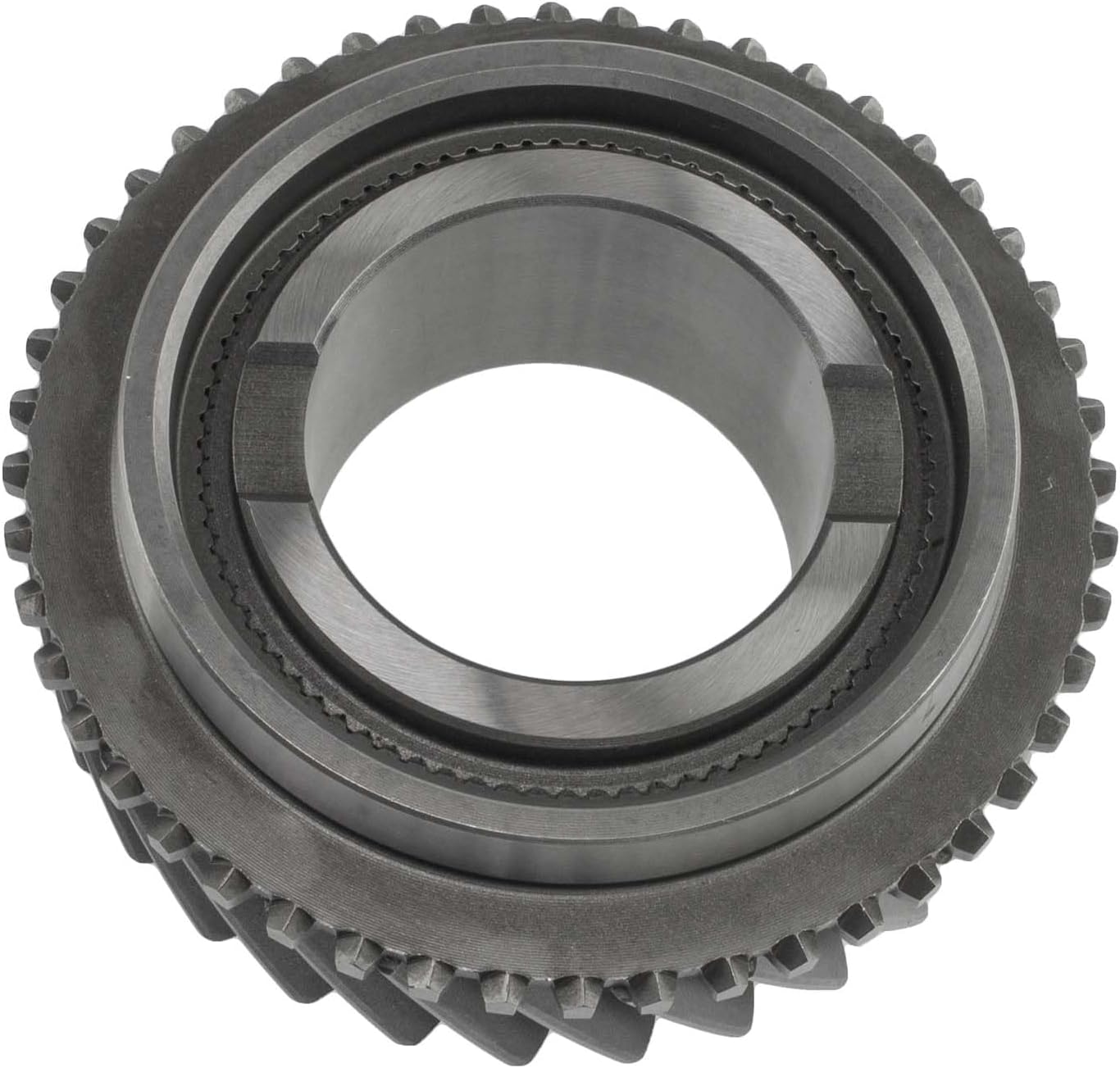
- If the transmission is already out, this is the moment for internal work. Worn synchronizers that grind into second or third are covered by the Dodge NV4500 synchronizer ring kit, and a chipped or pitted third gear by the NV4500 3rd gear.
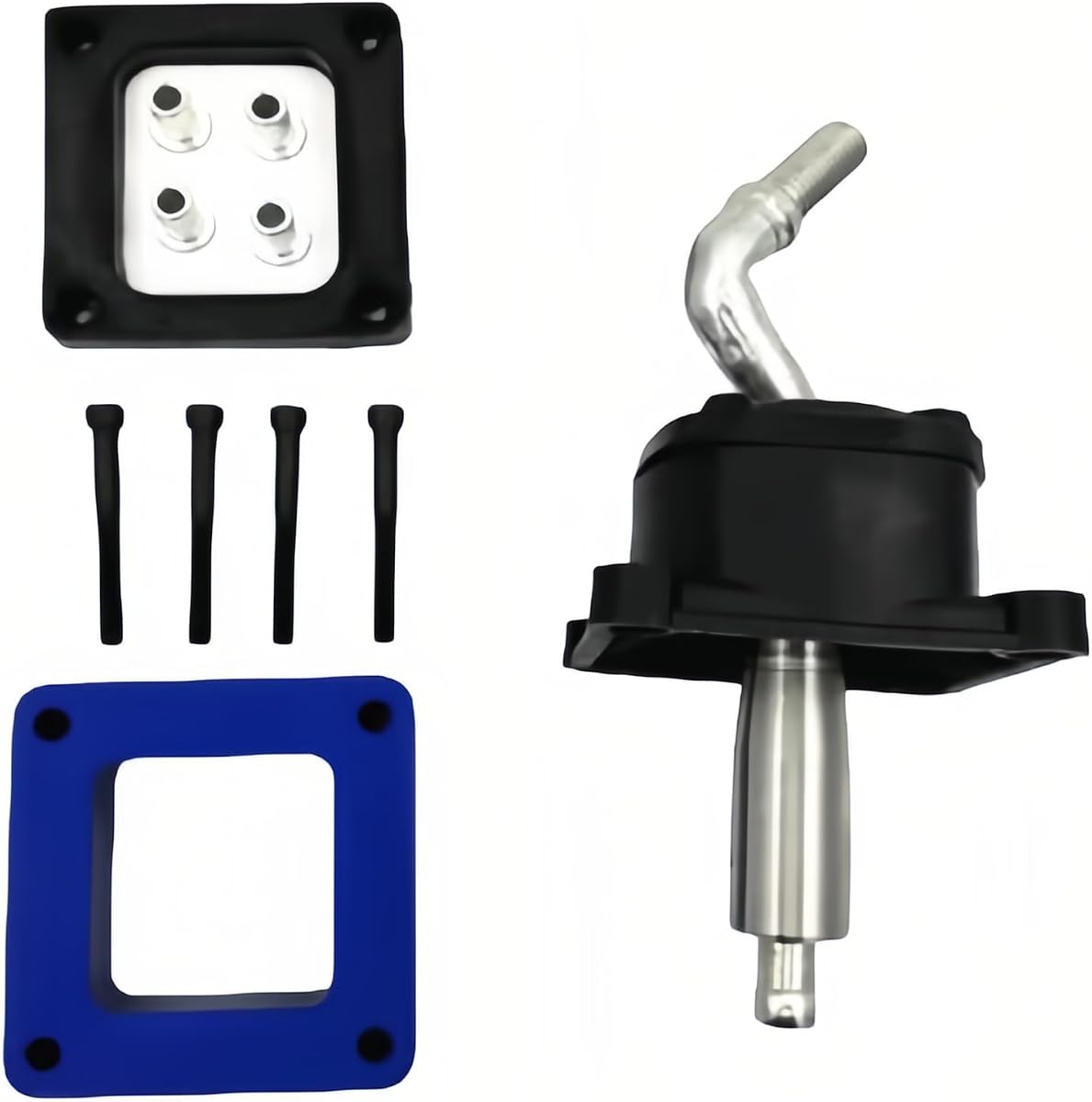
- A sloppy lever on a 1998-up truck is usually the tower, not the mount; the NV4500 shift tower kit fixes that.
Ships fast from the USA.