A customer rolls in with an '86 Monte Carlo SS or a G-body Cutlass, the 200-4R has never had the pan off as far as anyone knows, and the quick-lube down the street has offered a "transmission flush" for $199. The question lands on your counter: flush it, or drop the pan? On this transmission the answer is almost always a pan drop, done right, and sometimes done twice. GM's own current position on exchange machines backs that up (GM bulletin 04-06-01-029K), and the way a 1981-1990 hydraulically controlled unit fails gives you a few more reasons. Here is what each service actually does, where each one goes wrong on a 200-4R, and how to get most of the old fluid out without a machine.
Four different services all get called a "flush"
Half the argument about flushing is a vocabulary problem. Before you price or recommend anything, pin down which of these the customer was actually offered.
| Service | What happens | Filter serviced? | Old fluid replaced |
|---|---|---|---|
| Pan drop (drain and fill) | Pan off, filter and gasket replaced, pan and magnet cleaned, refill at the dipstick tube | Yes | About one-third; converter, clutches and valve body keep theirs |
| Cooler-line exchange (manual) | Pan drop first, then the return line is opened and fresh fluid is fed in while the engine idles in short bursts | Yes | Most of it, if done carefully |
| Machine fluid exchange | Machine spliced into a cooler line; the transmission pump pushes old fluid out while the machine feeds the same volume of new fluid back | No | Nearly all |
| Pressure / solvent flush | Cleaning chemical or pressurized fluid run through the unit or the cooler circuit | Usually no | Varies; adds chemistry you did not ask for |
The one-third figure is not a guess. ATRA's Gears Magazine puts it plainly: on a drain and fill, the fluid in the torque converter, clutches and valve body stays behind, which is roughly two-thirds of total capacity (Gears, "Transmission Maintenance"). The same article notes the trade-off going the other way: a machine exchange can swap essentially all the fluid, but because the pan never comes off, the filter in the pan is left unserviced and you never see what is lying in the bottom of it.
What GM actually says about exchange machines
GM has carried the same position for two decades and refreshed it in October 2024. Bulletin 04-06-01-029K, which covers 2025 and prior GM passenger cars and trucks with gasoline engines, states that external transmission fluid exchange or flush machines are not recommended for automatic or manual transmissions, that using one may affect the operation or durability of the transmission, and that fluid should be replaced only by draining and refilling per Service Information (GM 04-06-01-029K, p. 2). The same bulletin says analysis of returned parts exposed to aftermarket "flushes" showed indications of potential damage and shortened durability.
There is one carve-out that matters for rebuilders. The bulletin calls flushing of transmission coolers a recognized practice after a catastrophic failure, just not part of normal service. So GM's line is clean: drain and fill for maintenance, flush the cooler circuit when the old unit came apart. That lines up with what most of us already do on the bench.
Why the 200-4R in particular should not see a machine
The bulletin is generic. The 200-4R has its own reasons to be careful, and they all come back to the fact that it is a governor-and-TV-cable transmission with no computer to mask a problem.
The filter is the whole point of the service
A 200-4R that has gone 80,000 miles on factory fluid has a filter loaded with friction material and fine metal. A machine exchange leaves that filter in place, then sends fresh fluid with a full detergent package through it. Restriction at the filter shows up first as pump noise. B&M's 200-4R troubleshooting chart lists pump buzz or whine under three causes: low oil level, a cut or missing filter tube O-ring, and a clogged filter (B&M 35265 instructions). Two of those three are fixed only by dropping the pan.
Loosened debris has nowhere good to go
Gears Magazine's guidance on high-mileage service warns that detergents in fresh fluid can loosen old deposits, and that a full flush or exchange on a neglected unit can cause problems for valves (Gears, "Is It Safe to Change Transmission Fluid in High-Mileage Vehicles?"). On a 200-4R the valve body is the shift computer. The 1-2, 2-3 and 3-4 shift valves are positioned by governor pressure against TV pressure, and B&M's teardown has you retrieve eight check balls from above the separator plate alone. A flake of varnish that hangs a shift valve or a TV plunger does not set a code. It just gives you a late, soft or missing shift, and the customer blames whoever touched it last.
You lose the diagnostic look
The pan is the cheapest inspection tool you have. Clutch material, brass from bushings, or steel glitter on the magnet tells you whether this unit is a maintenance customer or a rebuild customer. A machine exchange skips that step entirely, and that is the step that protects you when the unit lets go two weeks later.
Picking the right service by condition
- Healthy unit, known service history, red fluid with a normal smell. Pan drop with a new filter and gasket. If you want more fresh fluid in it, do a second pan drop a few hundred miles later rather than reaching for a machine.
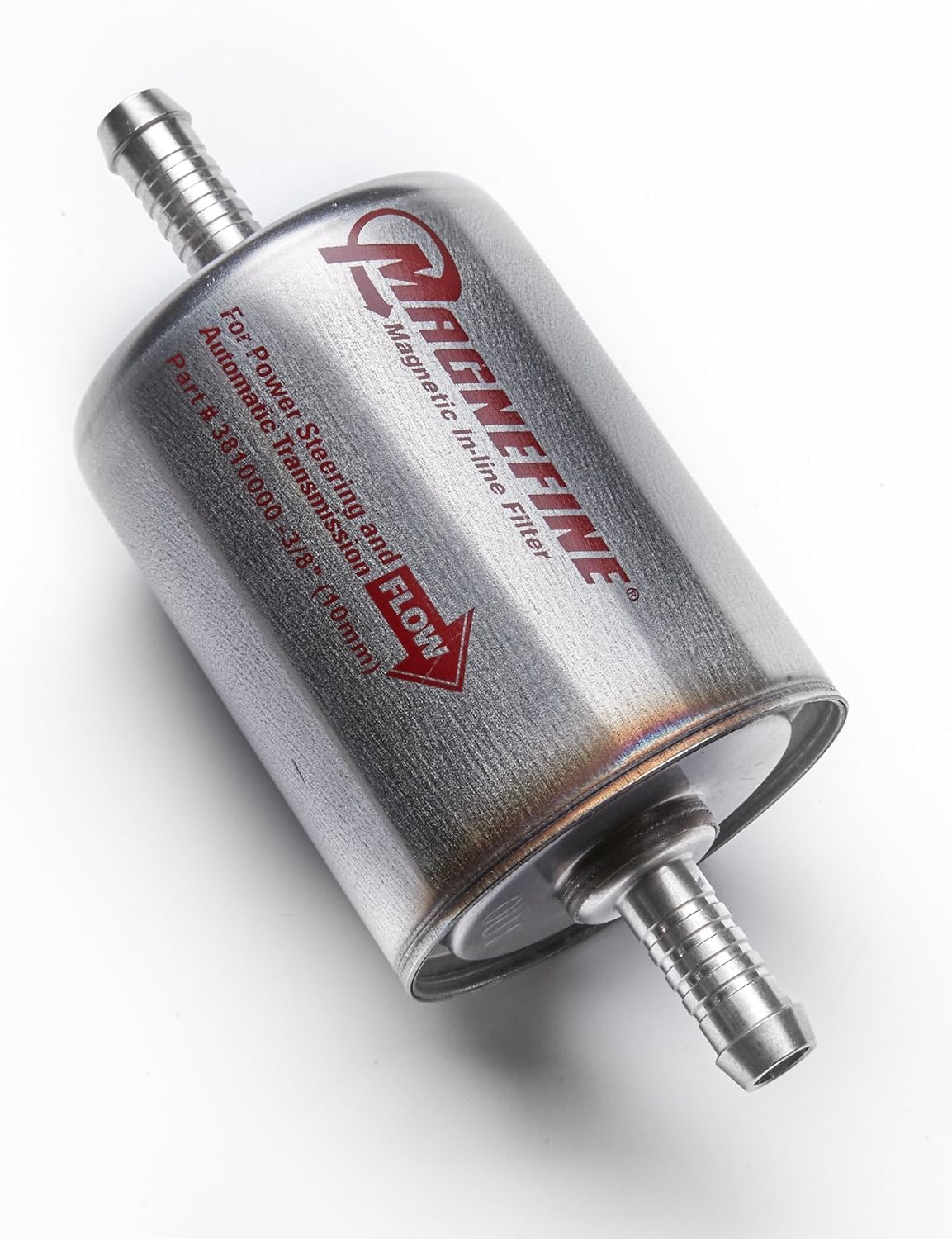
- Unknown history, darker fluid, still shifts correctly. Pan drop only, and look hard at the pan. Gears' recommended high-mileage approach is exactly this: drop the pan, clean it, replace the filter, refill with the correct fluid and leave the converter alone, which Gears says usually gets about half of the used fluid out, and consider an in-line magnetic filter on the cooler return line for extra protection. Document the fluid condition before you start. Gears also suggests a signed waiver when there is no proof of prior service.
- Burnt smell, coffee-colored fluid, or material on the magnet. A fluid service is not a repair. Gears' maintenance article says fluid that looks like coffee or smells heavily burnt must be changed, but if the clutches are already cooked, fresh fluid will not bring them back. Price the overhaul.
- Rebuilt or replacement unit going in. This is where flushing belongs: the cooler and lines, not the transmission. More on that below.
Doing the 200-4R pan drop correctly
The 200-4R was never built with a drain plug. B&M's instructions say so directly and offer a drain plug kit (80250) for the purpose (B&M 35265 instructions). If you will be doing repeated services, adding a plug on the first visit pays for itself on the second. The procedure, with the numbers that matter:
- Drain without a bath. Remove all but three bolts on one side, loosen those three, and let the pan tilt down and drain. If it is stuck to the gasket, pry gently; this is a stamped pan and it bends.
- Pull the filter straight down. The pickup tube seals with an O-ring or seal. Make sure the old one came out with the filter and is not still in the case bore, and lube the new one before you push the filter home.
- Read the pan. Wipe the magnet onto a white shop towel. A fine gray paste is normal wear. Visible brass, aluminum chips, or chunks of friction lining are not.
- Clean both sealing surfaces. Every bit of old gasket off the pan rail and case. Check the pan rail for dimples around the bolt holes from years of overtightening, and flatten them on a block if needed.
- Gasket on dry. B&M is explicit: no gasket sealer or silicone. A little petroleum jelly will hold the gasket in place while you lift the pan. Do not let the gasket or anything else block the servo exhaust hole near the pan rail; B&M calls that out to prevent premature band failure.
- Torque to 10 ft-lb (14 Nm). Finger-tight all the way around, then snug in a cross pattern. B&M warns that overtightened bolts deform the gasket and cause the leak you were trying to fix.
- Refill and hot-check. Start with about 4 quarts through the dipstick tube on a pan-only service. B&M quotes about 6 quarts when the valve body has also been off, since that drains the oil held in the valve body. Run it through the gears, then set the level on the hot mark at operating temperature, engine running, vehicle level.
- Check the TV cable before it leaves. Any time you are under there, confirm the TV cable is connected, moves freely and is adjusted. On this unit the TV cable is what tells the valve body how hard to squeeze, and B&M's chart lists a binding or misadjusted TV cable under slipping, late harsh shifts, soft 2-3 shifts and no-shift complaints.
Getting more of the old fluid out without a machine
If one pan drop swaps about a third of the fluid, the dilution math is simple. After one service, roughly two-thirds of what is in there is old. After two, about 44 percent. After three, about 30 percent. Spacing those a few hundred miles apart lets the fresh fluid circulate through the converter and clutch packs between services, and you get a new filter and a fresh look at the magnet each time. On a 40-year-old unit that is a better trade than one big exchange.
If the customer wants it done in one visit, a careful manual cooler-line exchange after the pan drop gets most of the way there:
- Refill the pan first. Disconnect the cooler return line at the radiator or cooler outlet and route it into a marked container.
- Start the engine in park and let it pump out about 2 quarts, then shut it off. Add 2 quarts fresh at the dipstick tube. Repeat until the stream runs the color of new fluid.
- Never let it run longer than it takes to move that 2 quarts. The pump draws from the pan, and running the pan low aerates the fluid and starves the pump.
- Reconnect, then set the level hot as above.
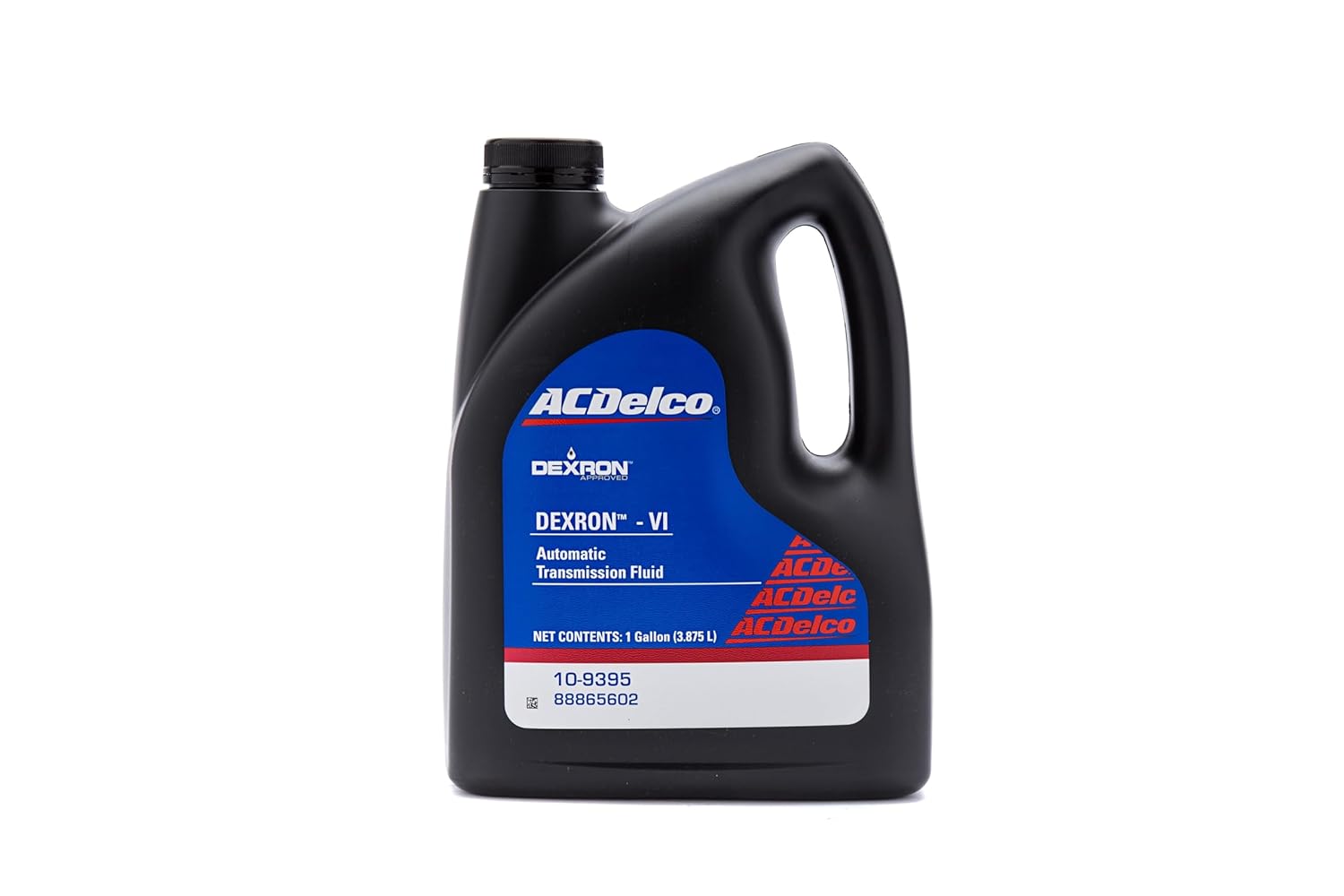
The fluid choice is straightforward. GM's own fluid guidance lists DEXRON VI for GM automatic transmissions where DEXRON VI, an earlier-generation DEXRON, or AW-1 is specified, and specifically says DEXRON ULV is not a suitable replacement for DEXRON III or DEXRON VI (GM Service Insights). For a 200-4R, use a licensed DEXRON VI and stay away from anything labeled ULV.
Where flushing does belong: the cooler after a rebuild
If you are installing a rebuilt 200-4R, the cooler and lines carry whatever the old unit shed when it failed. Pat Barrow of Lubegard, writing in Transmission Digest, points out that contaminated coolers are often the cause of premature failure of replacement transmissions, and that the cooler and lines collect sludge, clutch material and metal particles that will quickly damage a fresh unit (Transmission Digest, "To Flush or Not to Flush"). He adds that after a truly catastrophic, metal-everywhere failure, no cleaning method may get it all out, and the cooler should be replaced.
That matches GM's carve-out exactly. Flush or replace the cooler circuit after a failure, catch the output in a clear container to judge how dirty it is, and add an in-line filter on the return line if you are keeping the original cooler. Then check cooler flow before the car leaves: a restricted cooler on a 200-4R shows up as overheating and foaming at the dipstick, both of which B&M lists under cooler capacity or a plugged cooler.
The bottom line for the counter
For maintenance on a 200-4R, sell the pan drop. It services the filter, gives you the inspection, matches GM's written position and does not stir up a 40-year-old valve body with a detergent wash it has never seen. Want more fresh fluid? Do it twice, or do a careful manual cooler-line exchange right after the pan drop. Save the word "flush" for the cooler on a rebuild install, where it actually protects the job.
Licensed DEXRON VI, magnetic in-line filters, coolers and 200-4R hard parts for when the pan tells you it is time for more than fluid.
Shop 200-4R parts →Shop the 200-4R filter kit at CTP → All 200-4R parts at CTP →
FAQ
Should I flush a 200-4R transmission?
For routine maintenance, no. GM bulletin 04-06-01-029K says external fluid exchange or flush machines are not recommended and that fluid should be replaced by draining and refilling. A machine also leaves the pan filter in place, and on a high-mileage 200-4R the filter and the pan inspection are the most valuable parts of the service.
How much fluid does a 200-4R drain and fill replace?
About one-third of the total. Gears Magazine notes that the torque converter, clutches and valve body keep roughly two-thirds of total capacity on a drain and fill. Two pan drops a few hundred miles apart bring the old fluid down to roughly 44 percent, and three to about 30 percent.
What is the 200-4R pan bolt torque?
B&M's 200-4R instructions call for 14 Nm, which is 10 ft-lb, tightened evenly after all bolts are started finger-tight. Do not use gasket sealer or silicone, and do not overtighten, because a crushed gasket on this stamped pan is the usual cause of a leak after service.
Is it safe to change the fluid in a high-mileage 200-4R?
Generally yes, if you do a pan drop rather than a machine exchange. Gears Magazine recommends dropping and cleaning the pan, replacing the filter, refilling with the correct fluid and considering an in-line magnetic filter on the cooler return line. If the fluid is burnt or the magnet is loaded with clutch material, the unit needs repair, not just fluid.
What fluid does a 200-4R take now?
Use a licensed DEXRON VI. GM lists DEXRON VI for GM automatic transmissions that originally specified earlier DEXRON fluids, and states that DEXRON ULV is not a suitable replacement for DEXRON III or DEXRON VI.
Sources
- General Motors Service Bulletin 04-06-01-029K (October 2024), "Unscheduled Supplemental Services (Including Flushing Services and Additives)" — external transmission fluid exchange or flush machines not recommended; replace fluid by drain and refill per SI; cooler flushing recognized after catastrophic failure. NHTSA-hosted bulletin (PDF)
- B&M Racing & Performance, Shift Improver Kit 35265 for 1981-90 THM200-4R, installation instructions — no factory drain plug, no gasket sealer, servo exhaust hole, pan bolts 14 Nm (10 ft-lb), about 6 quarts refill after valve body service, troubleshooting chart (pump whine, overheating, TV cable). B&M instructions (PDF)
- Gears Magazine (ATRA), "Transmission Maintenance: What Does it Mean to You?" — drain and fill leaves roughly two-thirds of total capacity; machine exchange swaps nearly all fluid but leaves the filter unserviced; coffee-colored or burnt fluid must be changed. gearsmagazine.com
- Gears Magazine (ATRA), "Is It Safe to Change Transmission Fluid in High-Mileage Vehicles?" — detergents can loosen deposits; full flush or exchange risk on neglected units; pan drop and top-off method, in-line magnetic filter on the cooler return line, waiver advice. gearsmagazine.com
- Transmission Digest, Pat Barrow (Lubegard), "To Flush or Not to Flush" — contaminated coolers cause premature failure of replacement transmissions; cooler cleaning methods; replace the cooler after catastrophic failure. transmissiondigest.com
- GM Service Insights, "Use the Right Transmission Fluid" — DEXRON VI covers GM transmissions specifying DEXRON VI, earlier DEXRON or AW-1; DEXRON ULV is not a replacement for DEXRON III or VI. gmserviceinsights.com