Every shop quote I've seen for 4L80E fluid service lists one of two line items: a "transmission service" (pan drop, filter, refill) or a "transmission flush" (a machine hooked to the cooler lines). They get priced differently, sold differently, and most customers have no idea the two procedures don't do the same thing to the same degree. One of them is also the only one GM's own service information actually calls for on this transmission.
Here's what each method physically does inside a 4L80E, what GM's bulletins say about flush machines, and where the one real exception to that rule lives — and why it doesn't apply here.
What Each Method Physically Does
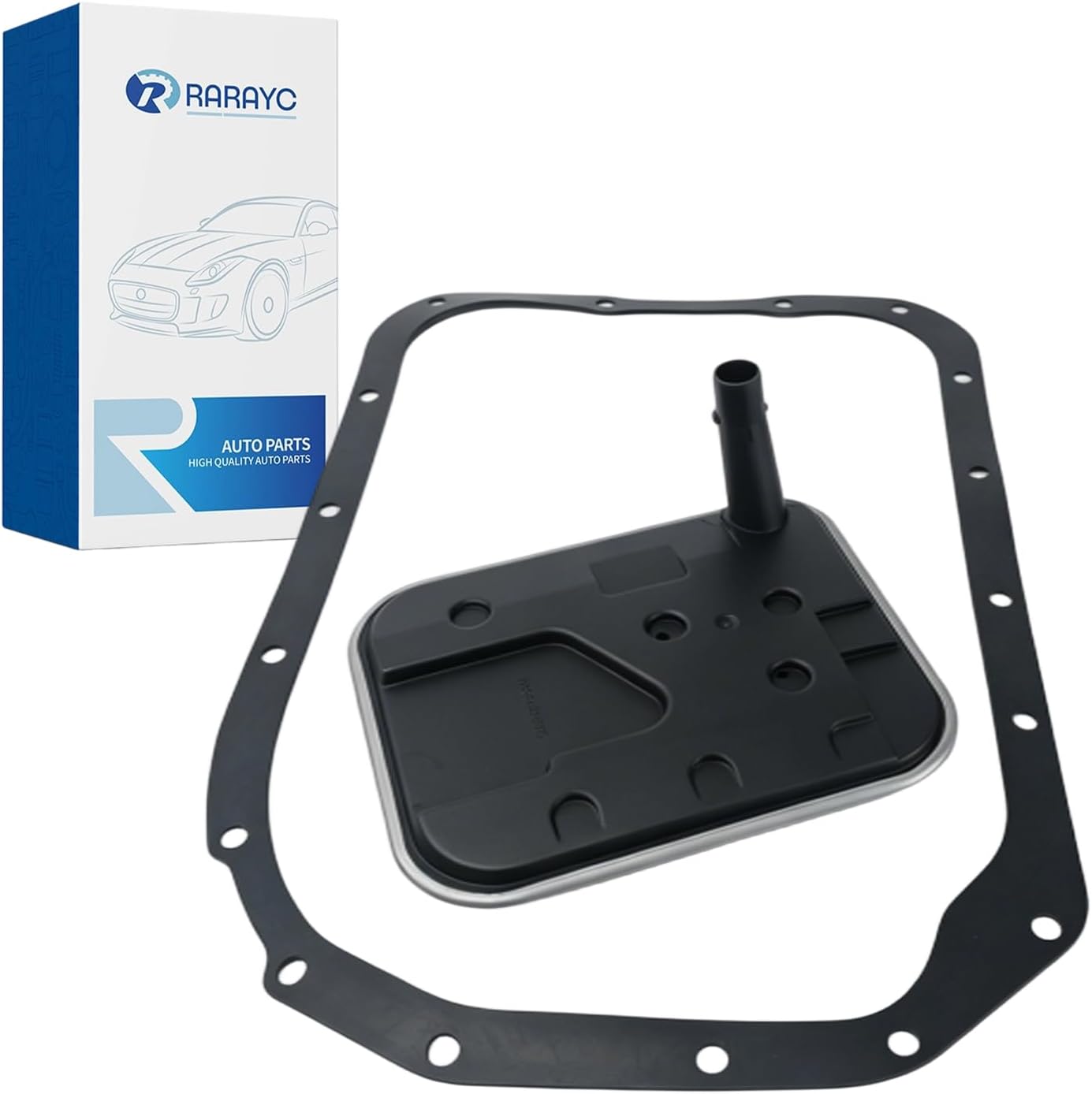
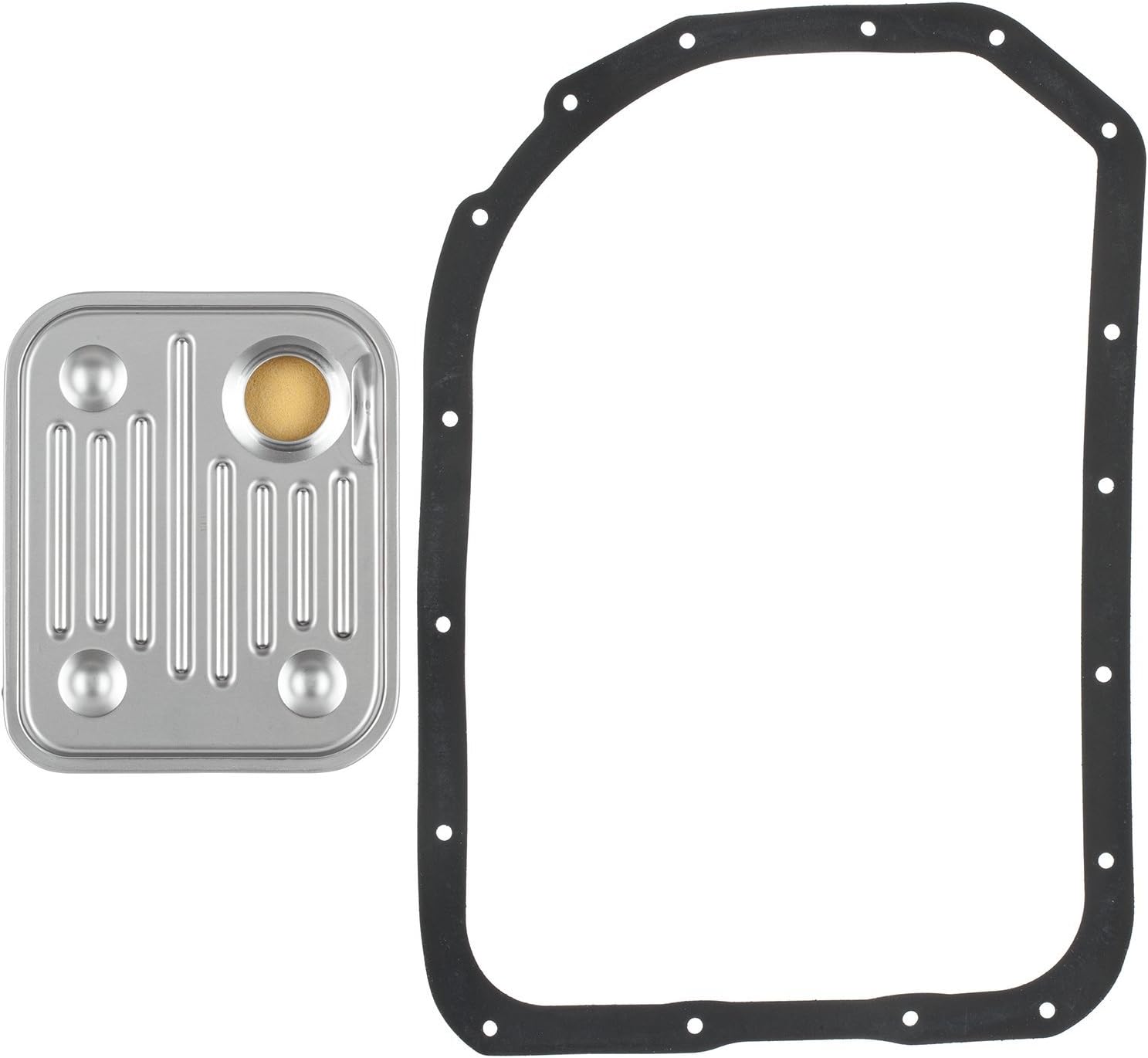
A drain-and-fill is a pan drop. You pull the pan, dump whatever fluid gravity will release, replace the filter and gasket, bolt the pan back on, and refill through the dipstick tube to a hot-check level. It only touches fluid that sits below the pan rail. The torque converter, the valve body's internal passages, the cooler, and the cooler lines keep whatever fluid was already in them.
A flush — more accurately a fluid exchange — disconnects a cooler line and routes it through an external machine. The vehicle's own pump, running at idle, pushes old fluid out through that line while the machine simultaneously pushes new fluid in through the other line, in principle cycling fluid through the converter and the internal circuits that a pan drop can't reach. Shops that sell these services commonly claim they replace a much higher share of total fluid in one visit than a single pan drop does.
Why the 4L80E's Geometry Makes the Gap Bigger
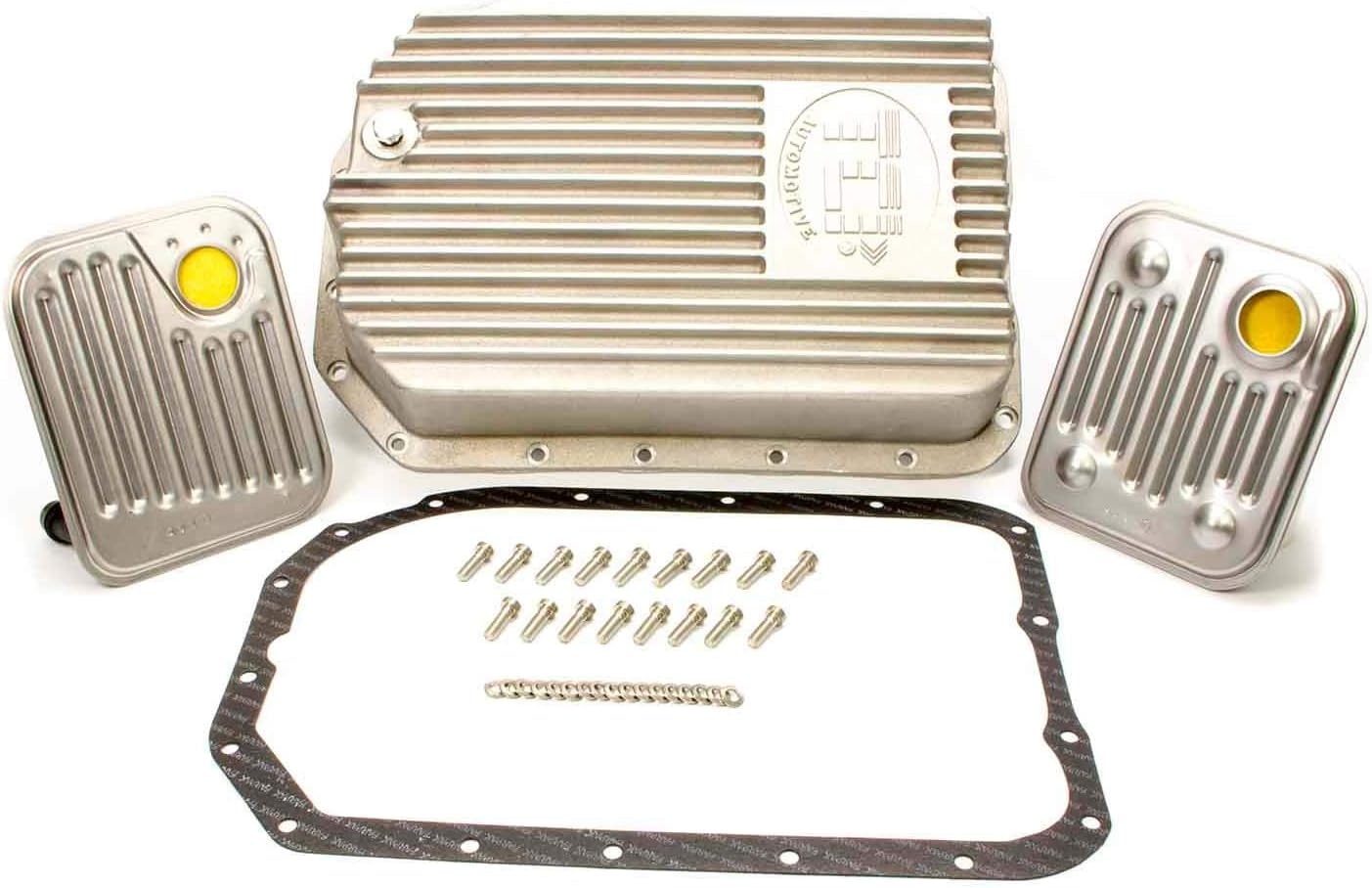
The 4L80E was built for 2500/3500 trucks, vans, and motorhome chassis, and it shipped with more than one pan depth across that lineup: some applications got a shallow factory pan, others a deeper sump. A pan-and-filter service only drains what sits in that sump — call it several quarts on a deep pan, meaningfully less on a shallow one — out of a transmission whose converter and internal circuits hold several more quarts that a gravity drain never reaches. In practical terms, one drain-and-fill on this unit typically replaces somewhere between a third and a bit over half of the total fluid in the system, and the shallower the pan, the lower that number gets. The rest is still the old fluid, diluted.
That's not a defect in the drain-and-fill method. It's just what a gravity drain can and can't reach, and it's the reason a single pan drop on a transmission that's gone 100,000 miles without service won't fully "reset" the fluid in one pass.
What GM Actually Says About Flush Machines
GM has published the same position on this for over a decade, most recently as Corporate Bulletin 04-06-01-029K (October 2024), which replaced the earlier 12-06-01-008B and covers 2025-and-prior GM passenger cars and trucks — a window that includes every 4L80E application:
"The use of external transmission fluid exchange or flush machines is not recommended for the automatic or manual transmission. Use of external machines to replace the fluid may affect the operation or durability of the transmission. Transmission fluid should only be replaced by draining and refilling following procedures in Service Information (SI)."
The same bulletin draws a line specifically around supplemental "flush" services that dealers and independent shops sell as add-ons, noting that returned parts exposed to aftermarket flushes have shown "indications of potential damage and shortened durability." It applies that same reasoning to engine crankcase flushing and treats cooling-system flushing (A/C lines, radiators, transmission coolers) as a repair procedure for catastrophic failure or corrosion, not a routine service item. The transmission fluid language is unambiguous: GM's documented procedure is a drain and refill, period.
The One Place GM Uses a Machine — And Why It Doesn't Apply Here
The "GM says never flush" reading isn't the whole story, and it's worth being precise about it. GM Bulletin 18-NA-355 (August 2019) authorizes dealers to perform a cooler-line fluid exchange on 2015-2019 Camaro, Corvette, CTS, ATS, Escalade, Silverado, Sierra, Colorado, Canyon and related models equipped with 8L45/8L90 transmissions, to resolve a torque converter clutch shudder complaint. The procedure uses GM's own DT-45096 TransFlow machine, a dedicated DT-52263 exchange kit, and a specific GM-blessed fluid (the "blue label" Mobil 1 Synthetic LV ATF HP) — the bulletin explicitly warns that intermixing other fluid types "will result in a low concentration level of new fluid and will not provide satisfactory results."
That's a narrow, diagnosed-condition repair procedure, run with GM's own equipment and GM's own fluid, for a specific symptom on a specific later-generation 8-speed transmission. It is not a routine maintenance service, and it is not a blanket endorsement of shop-floor flush machines. GM has not published an equivalent exchange procedure for the 4L80E, which predates the TCC-shudder fluid program by well over a decade and runs a simpler, Dexron-based hydraulic system. For this transmission, the drain-and-refill in 04-06-01-029K is the only documented GM procedure there is.
Cooler Flushing After a Failure Is a Separate Job
None of the above means the cooler never gets flushed. GM Bulletin 04-06-01-029K itself lists transmission cooler flushing as a recognized practice after catastrophic failures, just not as routine maintenance. GM's dealer bulletin 17-NA-066 (March 2017) went further for a time: it required the cooler, cooler pipes and any auxiliary cooler to be flushed and flow tested with the DT-45096 TransFlow whenever a transmission was removed for repairs, using 5 to 8 quarts of fluid, while exempting in-car valve body and seal repairs. In December 2018, GM TechLink announced that the mandatory flush and flow test was dropped because GM's studies found limited benefit on many current repairs, while the TransFlow should still be used when diagnosing overheating. On a 4L80E that comes out with burned clutches or metal in the pan, that is the job to do on the cooler circuit before the replacement unit goes in, or replace the cooler outright.
The Practical Call for a 4L80E
Put the geometry and the bulletins together and the right default for this transmission is straightforward:
- Default to drain-and-fill, done twice. On a 4L80E with unknown or neglected fluid history, one pan drop under-corrects because it only reaches the sump. Drain and refill, drive it through a full range cycle and a normal duty cycle (the same warm-up GM's own dipstick procedure calls for), then drain and refill again a short interval later. Two gravity drains done this way get you most of the way to a full fluid turnover without ever introducing a machine, and every quart that goes in is fluid you controlled.
- Treat an aftermarket flush machine as a judgment call, not a default. On a 4L80E with clean fluid, no shudder, and no metal in the filter, the practical risk of a cooler-line exchange is lower. On a unit with burnt, dark, or metallic fluid, or any TCC shudder complaint, skip it — GM's own bulletin language about dislodged debris and varnish is exactly the failure mode a neglected 4L80E is set up for, and a pan-and-filter service you can inspect beats a closed-loop machine cycle you can't.
- Always pair it with a filter and pan gasket. A flush machine doesn't replace the filter. If a shop is running fluid through the cooler lines without also dropping the pan for a new filter, you're paying for half a service.
One Fluid, Either Way
Whichever method you run, the fluid going in should be a GM-licensed DEXRON-VI. The 4L80E originally specified DEXRON-III, and GM's 2005 introduction of DEXRON-VI made it the approved service fill for every prior Hydra-Matic transmission, this one included. Fluid makers list both specs on the same product: Valvoline's MaxLife Multi-Vehicle ATF data sheet carries GM DEXRON II, III and VI approval on one fluid. DEXRON-III licensing has since lapsed, so a bottle on the shelf labeled DEXRON-III today isn't carrying an active GM approval — DEXRON-VI is the spec that still is.
The Short Version
- Drain-and-fill empties the pan only — typically a third to just over half of total fluid on a 4L80E, depending on pan depth. The converter and internal circuits keep the rest.
- A flush/exchange machine cycles fluid through the cooler lines using the transmission's own pump, reaching more of the system in one pass — but GM's Bulletin 04-06-01-029K does not recommend external exchange or flush machines for routine service on any GM automatic, 4L80E included.
- GM's one documented exception (Bulletin 18-NA-355) is a dealer-only, GM-equipment, GM-fluid procedure for TCC shudder on 8L45/8L90 units — it doesn't extend to the 4L80E.
- Practical default: drain-and-fill twice, with a filter and gasket each time, using a GM-licensed DEXRON-VI fluid.
FAQ
Does GM recommend flushing a 4L80E's transmission fluid?
No. GM Corporate Bulletin 04-06-01-029K states that external transmission fluid exchange or flush machines are not recommended for automatic or manual transmissions, and that fluid should only be replaced by draining and refilling per Service Information procedures. That bulletin covers 2025-and-prior GM passenger cars and trucks, which includes every 4L80E application.
How much of a 4L80E's fluid does a single drain-and-fill actually replace?
Roughly a third to just over half, depending on pan depth. A drain-and-fill only empties what gravity reaches through the pan, and the torque converter and internal valve body circuits hold several quarts that never drain out that way. A deep aftermarket pan recovers more per service than the shallow factory pan, but neither empties the converter.
Is an aftermarket flush machine dangerous for an older 4L80E?
The risk tracks mileage and condition, not the machine itself. On a unit with burnt fluid, a shudder complaint, or metal in the pan, a flush can push dislodged clutch material and varnish into passages and solenoids a pan drop never touches. On a transmission with clean fluid and no symptoms the risk is lower, but GM's bulletin still doesn't endorse the practice for routine service either way.
What fluid should a 4L80E use, no matter which method you pick?
A GM-licensed DEXRON-VI fluid. It's backward compatible with the DEXRON-III the 4L80E originally specified, and fluid makers such as Valvoline list GM DEXRON II, III and VI approval on the same product. DEXRON-III licensing has lapsed, so a bottle labeled DEXRON-III today carries no active GM approval.
Does GM ever use a fluid exchange machine itself?
Yes, narrowly. Bulletin 18-NA-355 authorizes dealers to use GM's own TransFlow DT-45096 machine and a specific GM fluid to resolve torque converter clutch shudder on later 8L45/8L90-equipped vehicles. That's a diagnosed-condition repair with GM-approved equipment and fluid, not a routine maintenance substitute, and GM hasn't published an equivalent procedure for the 4L80E.
4L80E filters, pan gaskets, and deep pans for a proper drain-and-fill — shipped fast from the USA.
Shop 4L80E parts →Sources
- General Motors — Corporate Bulletin No. 04-06-01-029K (October 2024), "Unscheduled Supplemental Services (Including Flushing Services and Additives)." States that external transmission fluid exchange or flush machines are not recommended for automatic or manual transmissions, that fluid should only be replaced by draining and refilling per Service Information, and that aftermarket flush exposure has shown indications of damage and shortened durability in returned-parts analysis. Replaces Corporate Bulletin 12-06-01-008B. Covers 2025 and prior GM passenger cars and trucks. static.nhtsa.gov
- General Motors — Service Bulletin No. 18-NA-355 (August 2019), "Shake and/or Shudder During Light Throttle Acceleration." Describes the dealer-only fluid exchange procedure for TCC shudder on 2015-2019 8L45/8L90-equipped Cadillac, Chevrolet and GMC models, using the DT-45096 TransFlow machine, DT-52263 exchange kit, and GM's specified "blue label" Mobil 1 Synthetic LV ATF HP fluid, with a warning against intermixing other fluid types. static.nhtsa.gov
- General Motors — 1997 Chevrolet C/K Pickup Owner's Manual, "Automatic Transmission Fluid" section. The 50,000-mile fluid-and-filter interval tied to GVWR over 8,600 lb or severe-use conditions; the 180°F to 200°F hot-check procedure, range-cycle and three-minute idle steps; and the original DEXRON-III fluid specification for this generation of GM automatics. assets.gm.com
- Valvoline — MaxLife™ Multi-Vehicle ATF Product Information Sheet. Lists GM DEXRON II, III and VI approval on a single fluid, supporting DEXRON-VI's backward compatibility with the 4L80E's original DEXRON-III specification, plus the fluid's typical viscosity and pour-point properties. go.lupinsys.com (Valvoline)
- General Motors — Service Bulletin No. 17-NA-066 (March 2017), "Automatic Transmission Oil Cooler Flush and Flow Test." Backs the requirement to flush and flow test the cooler, cooler pipes and auxiliary cooler with the DT-45096 TransFlow after transmission removal, the 5 to 8 quart fluid usage, and the exemption for in-car valve body and seal repairs. NHTSA (PDF)
- GM TechLink — "Changes in Transmission Oil Cooler Flush Requirements" (November 2018, updated December 2018). Backs the December 1, 2018 end of the mandatory cooler flush and flow test, GM's finding of limited benefit on many current repairs, and the continued use of the TransFlow when diagnosing overheating. gm-techlink.com