P0748 reads Pressure Control Solenoid A Electrical, and on most GM transmissions "A" matters because there's a "B" code too. Not on the 4T65E. This transaxle, like the rest of GM's 4T60/4T65 and 4L60-family lineage, runs line pressure off a single EPC (electronic pressure control) solenoid, so P0748 is simply the electrical fault code for the only pressure control solenoid the unit has. That single fact rules out a whole category of wrong parts orders, and it's also exactly why this code and its performance-side cousin, P1811, show up together in GM's own service literature on this transaxle.
What P0748 Actually Tests For
The PCM monitors the EPC solenoid circuit the same way it monitors every other GM transmission solenoid: battery voltage feeds the solenoid from a fused supply, the PCM completes the circuit to ground, and an internal voltage-sensing circuit watches for anything that doesn't match an intact, properly loaded circuit. An open wire, a short to ground, or a short to power on that circuit sets P0748, Pressure Control Solenoid A Electrical. Because the 4T65E has exactly one pressure control solenoid, there's no ambiguity about which circuit "A" refers to — it's the EPC solenoid that sets line pressure across every gear, full stop. If a parts listing or forum thread references a "PCS B" fix for this transaxle, it's describing a different GM unit; this platform never had one.
GM's own bulletin on this concern, Corporate Bulletin 00-07-30-002B, covers 1997-2002 Chevrolet, Buick, Pontiac, and Oldsmobile vehicles built with the Hydra-Matic 4T65-E and explicitly ties the same complaint — slips, harsh upshifts, garage shifts, launch shudder, flares, or erratic and intermittent shifting — to either P1811 or P0748 being set. That pairing is the key to understanding this circuit: the same sticking or contaminated EPC solenoid can either fail a hard electrical check (P0748) or simply fail to respond fast enough for the PCM's adaptive-shift strategy, which sets the different, performance-based P1811 instead. The bulletin lists three root causes for the underlying condition: sediment inside the pressure-control solenoid itself, sediment in the valve body that lets the torque-signal regulator valve stick, and incorrect transaxle fluid level. It also recommends repeating the line-pressure test at least three times before concluding the fault is gone, because the condition is frequently intermittent.
Why This Failure Shows Up Hot and Intermittent
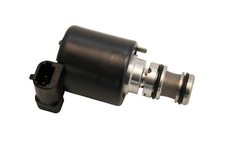
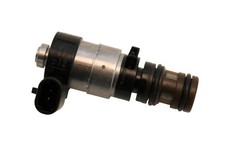
Sonnax's own technical writeup on 4T60-E/4T65-E forward band failures documents the mechanism in more diagnostic detail than the bulletin does. Their account describes the EPC solenoid hanging up once it reaches operating temperature: pressure fails to rise normally while the solenoid is stuck, then catches up all at once and slams toward maximum, producing a harsh, slamming engagement with an RPM flare — often right after the vehicle has sat and is shifted back into Drive. Sonnax calls this intermittent EPC failure "the biggest contributor" to the broken or burnt forward bands they see on this platform, since the band absorbs that pressure spike every time it happens. Their direct-replacement AC Delco EPC solenoids for this unit are part numbers 84431G (4T65-E, 1997-2002) and 84431H (4T65-E, 2003 and later) — both now discontinued from AC Delco, which is a big part of why a quality aftermarket or OEM-spec reman solenoid is the practical replacement path today rather than chasing an original-brand part.
The same writeup is explicit that the EPC solenoid isn't the only place line pressure gets lost on this transaxle. Sonnax lists four separate valve-body bores with documented wear that produce the same low-or-erratic-pressure symptom set the EPC solenoid produces when it sticks: the pressure regulator bore (oversized kit 84754-46K), the boost valve bore (84754-30K), the torque-converter signal valve bore (84754-44, also discontinued), and the AFL (actuator feed limit) valve bore (84596-02K). A tech who replaces the EPC solenoid, clears the code, and gets the same complaint back weeks later is usually looking at one of these worn bores rather than a second bad solenoid. Sonnax's fix for the forward-band damage itself is a separate part, an extended-length forward servo pin (84571-01K, about 0.200 inch longer than stock) that cuts roughly in half the normal 0.400-inch servo travel and speeds up the engagement into Drive before the EPC catches up.
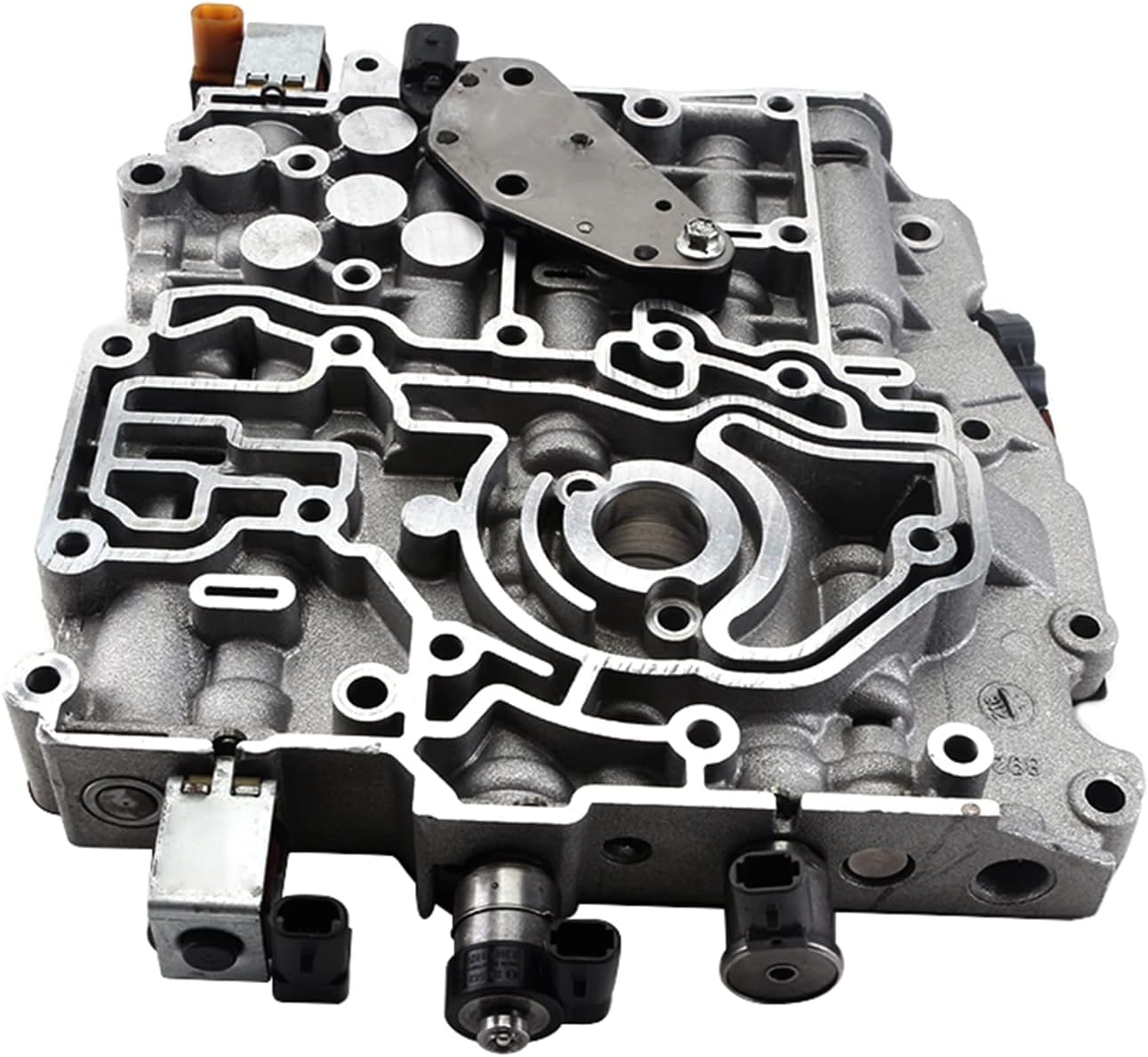
4T65E Transmission Valve Body, GM FWD (2003-Up)
If the EPC solenoid tests clean and the code or symptom keeps returning, the pressure-regulator, boost, torque-signal, or AFL bores inside the valve body are the next real suspect — not a second solenoid.
View the 4T65E valve body →Watch the PIDs Before the Code Sets
P1811 doesn't set the instant a shift runs long — GM built a counting strategy into the PCM specifically so one bad shift doesn't throw a code, and understanding that strategy is what lets you catch a developing EPC problem on a scan tool before it becomes a comeback. Transmission Digest's technical editor documented the exact logic for this transaxle: the PCM's adaptive modifier tracks whether a shift completes in under 0.65 second. If a shift runs longer than that and the adaptive modifier can't shorten it by raising line pressure, an internal counter increases by one. If that happens twice in the same drive cycle, the PCM sets P1811. If a shift stays under 0.65 second but the PCM sees excessive gear-ratio slip in that gear for more than six seconds, it sets P0730 (incorrect/undefined gear ratio) instead — a different code with a different root cause, usually worn clutch material rather than the EPC circuit.
That counting logic means the PCM is compensating for a sticking EPC solenoid or a worn valve-body bore for a while before either code ever sets, and the compensation itself shows up on a scan tool. Pull up the 1-2, 2-3, and 3-4 shift-error parameters (the difference between desired and actual shift time, where a negative number means a longer shift), the matching shift-time parameters, and the TAP (transmission adaptive pressure) cells for each shift plus the steady-state TAP values, which display in kilopascals. A large TAP value means the PCM is already adding pressure to correct a long shift or hold a gear against slip — that's your early warning that the EPC circuit or a valve-body bore is losing its grip on line pressure well before a hard P0748 or P1811 ever gets logged, and it tells you which gears are affected before you pull the pan.
Why a New Solenoid Doesn't Always End It
There's a long-standing field fix for P1811 on this transaxle: replace the pressure-control solenoid and give its adjusting screw a slight clockwise tweak, about 1/8 turn. It genuinely resolves a lot of cases. But Transmission Digest's case notes on this exact code are blunt about what happens when it doesn't stick: three to six months after an overhaul, the same vehicle can come back with P0730 or P1811 again, and the second-guessing starts over the solenoid that was "just replaced." The actual culprit in a meaningful share of those comebacks is clutch-pack clearance that was excessive going in. GM doesn't publish a clearance spec for this pack — its position is that correct OE-sized parts will land inside tolerance automatically — but the field rule of thumb that's held up is 0.008-0.012 inch of clearance per friction plate. The second-clutch drum uses six frictions, so total stacked clearance of 0.048-0.072 inch is normal; anything built looser than that gives the shift extra time to complete, which is exactly the kind of long shift the PCM's adaptive strategy will spend months trying to compensate for with higher line pressure before a code sets again.
If you're rebuilding the unit rather than just chasing a code, that's worth checking before you button it up: a 0.090-inch second-clutch steel (about 0.020 inch over OE spec) brings an overly loose second-clutch pack down into tolerance, and tightening the third clutch with a thicker single-sided friction or a reground steel plate addresses the same problem on that pack. Getting the clutch clearance right the first time is cheaper than a second comeback on a "fixed" EPC solenoid that was never actually the only problem.
Buy the Right Solenoid for the Design Level
Before you order a replacement, read the ID tag. Transmission Digest's June 2004 Tech/Talk documents that starting in June 2002, Hydra-matic redesigned the 4T65-E pump, valve body, pressure switch assembly and pressure control solenoid together, and the second-design PC solenoid is much smaller than the first. The article's warning is the part that bites P0748 jobs: the new and old solenoids will physically fit in either unit, but swapping them causes "customer dissatisfaction and additional repairs." A wrong-design solenoid can leave you chasing a pressure complaint that the new part created. Match the solenoid to the design level on the tag.
And if the solenoid tests good, look directly under it. Sonnax's 4T65E-LB1 instructions call out the torque signal regulator valve under the EPC solenoid: sticking, binding or wear there causes low line pressure, which is the same complaint a failing solenoid produces.
Working Order for a P0748 Diagnosis
- Check fluid level and condition first. GM's own bulletin lists incorrect fluid level as a direct cause of this exact symptom set, and it's the fastest thing on this list to rule out.
- Scan for every code present, not just P0748. P1811 stored alongside or instead of P0748 points at the same EPC circuit failing the PCM's performance check rather than a hard electrical fault, and changes what you test for first.
- Confirm the EPC circuit electrically — wiring, case connector, and solenoid resistance — before assuming the solenoid itself is the problem; a sticking solenoid and a chafed harness wire produce the same stored code.
- Pull adaptive PIDs (shift error, shift time, TAP cells, steady-state TAP) to see whether the PCM is already compensating for a long shift in a specific gear before a hard code sets.
- Drop the pan and check for sediment in the solenoid screen or valve body before replacing parts; GM's bulletin names sediment as a root cause, not just contamination from an unrelated failure.
- If the EPC circuit and fluid both check out, inspect the valve-body bores — pressure regulator, boost, torque-signal, and AFL — for the wear Sonnax documents on this platform before condemning a second solenoid.
- If the code or symptom returns months after a solenoid replacement, measure second- and third-clutch clearance rather than reaching for another EPC solenoid.
Shop 4T65E EPC solenoids, valve bodies, internal harnesses, and full rebuild kits — shipped fast from the USA.
Shop 4T65E parts →FAQ
What does code P0748 mean on a 4T65E?
P0748 is Pressure Control Solenoid A Electrical. It is a hard electrical fault: the PCM commands the EPC (electronic pressure control) solenoid and detects an open circuit, a short to ground, or a short to power on that circuit rather than the voltage it expects. On the 4T65E the EPC solenoid is the only pressure control solenoid in the unit, so it is always circuit A — there is no PCS B to confuse it with.
Is P0748 the same as P1811?
No, though GM ties both to the same EPC circuit in bulletin 00-07-30-002B. P0748 is a generic OBD-II electrical code: the PCM detects a wiring or driver fault on the EPC circuit itself. P1811 (Maximum Adapt and Long Shift) is a GM-specific performance code: the circuit tests electrically fine, but the PCM's adaptive-pressure strategy could not shorten a long shift twice in one drive cycle, usually because of a sticking solenoid, sediment in the valve body, or low fluid rather than an open wire.
Does the 4T65E have a pressure control solenoid B?
No. Like the rest of GM's Hydra-Matic family built around a single EPC solenoid, the 4T65E uses one pressure control solenoid to set line pressure across every gear. Any code or part listing referencing a 4T65E PCS B does not apply to this transaxle.
Will replacing the EPC solenoid fix P0748 for good?
Often, but not always. Sonnax documents the EPC solenoid on this platform failing intermittently once hot, with no metal contamination even in a clean, low-mileage unit, which is why a straight swap is the right first move. But GM's own bulletin lists sediment in the valve body and incorrect fluid level as separate root causes of the same symptom set, and if the second- or third-clutch clearance is excessive the shift timing problem that trips the code can return within months even after a good solenoid is installed.
What else can set the same symptoms as a failing EPC solenoid?
Wear at the pressure regulator, boost, torque-signal, or AFL valve bores in the valve body can all bleed off or distort line pressure the same way a sticking EPC solenoid does, which is why Sonnax sells oversized valve kits for each of those bores on the 4T65E. Excessive second- or third-clutch clearance is a separate mechanical cause that produces a long shift the adaptive strategy can't correct, which looks identical to a solenoid problem on a scan tool until the clutch packs are actually measured.
Shop the 4T65E EPC solenoid kit at CoreTransmissionParts →
Related 4T65E guides
Sources
- Sonnax — "Stop 4T60-E, 4T65-E Case Wear, Band Slippage & Breakage with a Longer Servo Pin," tech resource, published March 28, 2017. Backs the intermittent-when-hot EPC solenoid failure mechanism, the forward-band damage it causes, the discontinued AC Delco EPC solenoid part numbers 84431G ('97-02) and 84431H ('03+), the extended forward servo pin kit 84571-01K, and the pressure-regulator, boost, torque-signal, and AFL valve-body bore kits that produce the same pressure symptoms. sonnax.com
- Transmission Digest — "The 4T65-E: 'Slip-Sliding Away,'" by Wayne Colonna, Technical Editor, published August 1, 2003. Backs the PCM's adaptive-modifier shift-time counting logic (the 0.65-second threshold and twice-per-drive-cycle counter that sets P1811), the shift-error/shift-time/TAP-cell scan tool parameters, the field fix of replacing the EPC solenoid with a clockwise adjusting-screw tweak, the 0.008-0.012-inch-per-plate clutch clearance rule of thumb, and the second- and third-clutch tightening methods. transmissiondigest.com
- SAE International — "General Motors DEXRON-VI Global Service-Fill Specification," Paper 2006-01-3242. Backs the DEXRON-VI service-fill specification's backward compatibility with the earlier DEXRON fluids originally specified for this transaxle. saemobilus.sae.org
- SAE International — "General Motors 4T65-E Electronic Four-Speed Automatic Transaxle," Paper 980821. Backs the 4T65E's single electronically controlled pressure-control-solenoid architecture carried over from the 4T60-E platform. saemobilus.sae.org
- Transmission Digest — Tech/Talk, June 2004 issue, "THM 4T65-E: 2002-2003 Oil-Pump Changes." Backs the June 2002 redesign of the pump, valve body, pressure switch and pressure control solenoid, the smaller second-design PC solenoid, and the warning that old and new PC solenoids physically interchange but should not be swapped. transmissiondigest.com
- Sonnax — Line Pressure Booster Kit 4T65E-LB1 instructions. Backs the torque signal regulator valve under the EPC solenoid causing low line pressure when it sticks, binds or wears. sonnax (PDF)