P0842 on a ZF9HP48 or 948TE nine-speed almost always gets treated as a sensor problem, and sometimes it is. But before you order a pressure sensor, it helps to know what this transmission does differently from a conventional automatic: it has no dipstick, its line pressure is regulated through a second valve most techs have never heard of, and both of those facts can put a low reading on the sensor circuit without the sensor being bad at all. Here is the code, the two real mechanical causes behind it on this unit, and the order to check them in so you are not throwing parts at a fluid problem.

What P0842 Actually Flags
P0842 is the generic OBD-II definition for Transmission Fluid Pressure Sensor/Switch A Circuit Low: the TCM is reading voltage on that sensor's circuit below what it expects for current conditions. By itself, the code does not distinguish between three very different root causes -- a sensor that has failed internally, a wiring or connector fault that is dropping the signal, or a circuit that is reporting low because the actual hydraulic pressure really is low. On most transmissions that third option gets overlooked. On the ZF9HP48/948TE it is the one worth ruling out first, because this unit's design gives you two real, documented ways to land there before the sensor is ever at fault.
Two Builds, One Hydraulic Design
The nine-speed shows up under two names. ZF builds it in Germany as the ZF9HP48; Chrysler builds its own version domestically as the 948TE. Sonnax's own technical documentation treats them as the same design and lists the shared application list: Acura TLX and MDX, Chrysler 200, Fiat, Honda CR-V, Jeep Cherokee (KL) and Renegade, and Range Rover/Land Rover. It is also, per that same documentation, the first passenger-car transmission to use interlocking dog clutches, with torque converter lockup available in every gear from first through ninth. Whichever badge is on the case, the hydraulic circuit that controls line pressure -- and that a pressure sensor code points back to -- is the same design.
Check the Fluid First -- It Is Not a Dipstick Job
This is the step that gets skipped, and it is the one most likely to produce a false pressure-low reading. The 948TE has no conventional dipstick. ATRA's own GEARS Magazine procedure for checking fluid on this unit calls for a scan tool to read transmission temperature, because the correct fluid level is only meaningful at a known temperature, plus a dedicated dipstick tool -- either the Mopar tool (P/N 10323A) or a shop-made 1/4-inch aluminum rod cut to 175mm with reference rings scribed every 10mm. The check is run with the engine running and the transmission in Park, and the result is compared against a level-by-temperature chart rather than a single fixed mark; at 140°F, for example, the acceptable range runs 16-23mm. The fill plug sits near the differential rather than at the pan, which is a different location than many techs expect from a 722.6-style check, and plug access differs by engine: on the 2.4L, you pull the left front wheel to reach it; on the 3.2L and 3.6L, it is accessible from under the hood once the engine cover is off.
The reason this matters for a P0842 diagnosis specifically: a fluid level that reads full cold but is actually low once the transmission is at operating temperature will starve the pump's ability to hold commanded line pressure under load. That shows up electrically as a low reading at the pressure sensor, even with a perfect sensor and perfect wiring. Confirm fluid level and condition using the correct procedure before you spend time on the electrical side. ATRA’s 948TE technical webinar adds the hard numbers: vehicle level, engine idling in Park, fluid temperature above 50 degrees C on the scan tool, and tool 10323A (marked in 5 mm increments) read through the check port on top of the case above the differential. The same webinar specifies Mopar ZF 8 & 9 Speed ATF, part 68157995AB.
The SV-SP Valve: the Mechanical Cause Most Techs Miss
If the fluid checks out, the next place to look is not the sensor -- it is a valve most techs have never had to think about. Sonnax's technical write-up on this transmission's line pressure control explains that, unlike a conventional design where line pressure is managed by a single regulator valve, the ZF9HP48/948TE adds a second valve: the shift valve-system pressure (SV-SP) valve. It uses EPC pressure from the system pressure solenoid to regulate the pump's line pressure feeding the balance end of the main pressure regulator valve. Sonnax notes the reasoning behind the extra valve is not fully documented, but the likely intent is more precise line pressure control than a single-valve design allows.
The problem is that the SV-SP valve is, in Sonnax's words, highly active -- it is constantly feeding the pressure regulator valve -- which means its bore wears. When it does, the documented symptoms are poor line pressure control, poor shift quality, and burnt clutches. A circuit that cannot hold commanded pressure because of bore wear will read exactly like a failing sensor on a scan tool: a low-pressure reading on a circuit that, electrically, is doing its job correctly. Sonnax sells a drop-in valve kit for this specific wear point, part number 85740-07K, sized for a moderately worn bore.
It also helps to know what the valve body pressure sensing is used for on this unit. Per ATRA’s 948TE introduction webinar, a pressure transducer mounted to the valve body lets the TCM monitor release pressure of both dog clutches: when a dog releases there is a momentary pressure rise in the dog clutch exhaust circuit, and the TCM watches that signal pattern for control and diagnostics. If P0842 shows up together with P0810 (Clutch Position Control Error), confirm in the service information for that VIN which sensor the code points to before treating them as separate faults, because a fluid supply problem can upset both.
Then Check the Wiring and Connector
Once fluid and the SV-SP valve are ruled out, treat the electrical side like you would on any pressure sensor circuit: inspect the connector for corrosion, water intrusion, or deformed pins, check for chafed insulation where the harness routes near the case or exhaust, and wiggle-test the connector and harness while watching live sensor data for a fault that disappears and reappears. Because the TCM calibration and harness pinout differ by application -- Chrysler, Honda/Acura and Land Rover all wire and program this shared hardware differently -- pull the wiring diagram and voltage spec for the specific vehicle in front of you rather than relying on a number that applies to a different brand's version of this transmission.
Diagnostic Order
- Pull all stored and pending codes, not just P0842. A companion solenoid performance or shift-quality code points toward the SV-SP valve or a hard mechanical fault; an isolated P0842 with everything else clean points more toward fluid or the sensor circuit itself.
- Check fluid level and condition using the correct procedure -- scan tool for temperature, the proper dipstick tool, and the level-by-temperature chart, not a guess at a fixed mark.
- Road test and log live pressure data if your scan tool supports it. A pressure reading that stays low and flat under load, rather than spiking erratically, is more consistent with a true low-pressure condition (fluid or SV-SP wear) than with an intermittent wiring fault.
- Inspect the sensor connector and harness for corrosion, damaged pins, or chafed wiring, wiggle-testing while watching live data.
- If fluid, wiring and the sensor all check out, the pressure regulator and SV-SP valve bores are the next suspect -- pull the valve body and inspect for wear before condemning the TCM.
The Fix
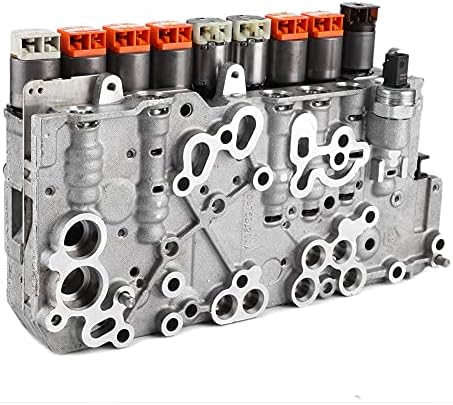
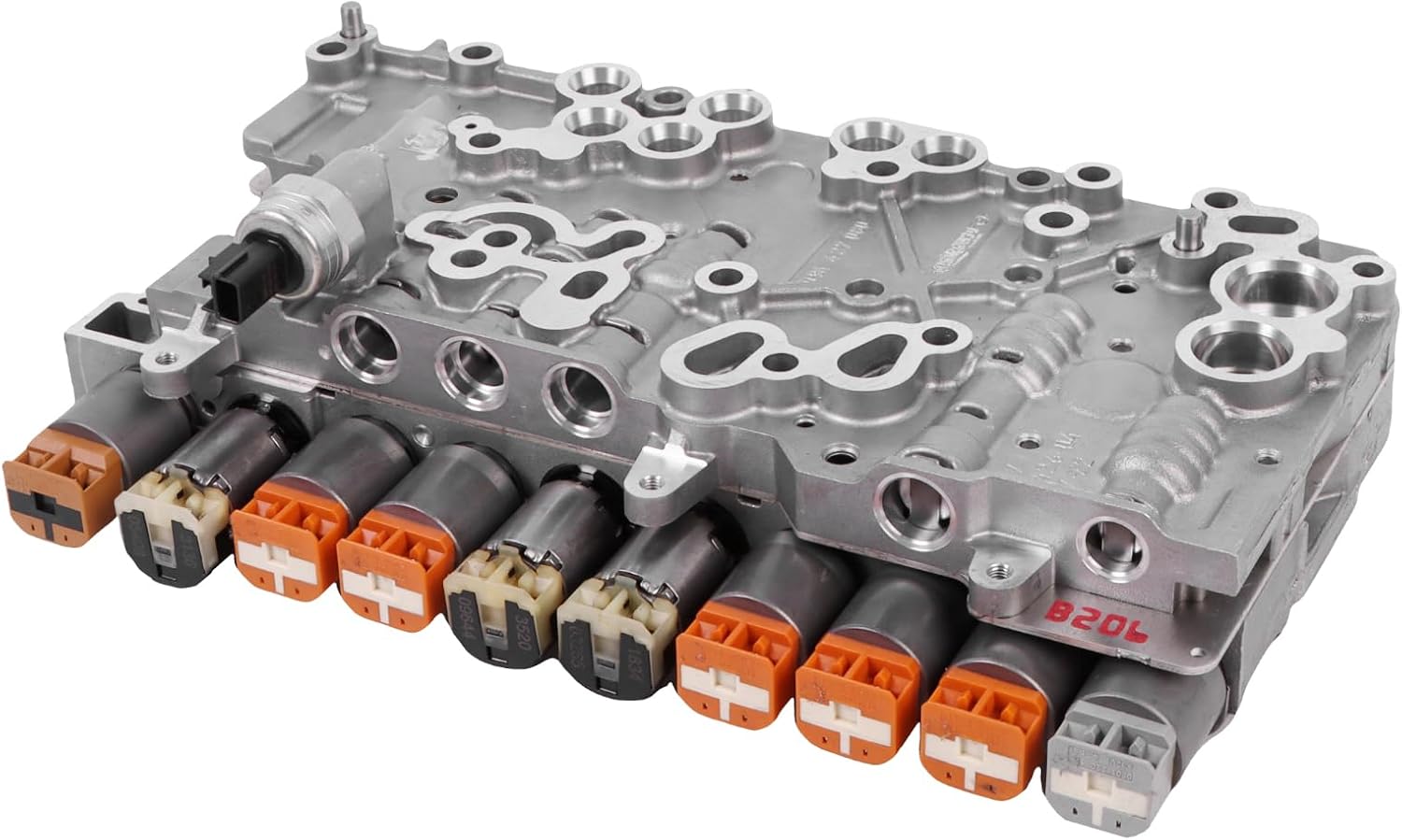
If the cause is fluid, drain and refill with the correct ZF-spec fluid to the level the temperature chart calls for -- do not top off cold and call it done. If the cause is a connector or harness fault, repair or replace the affected section; a valve body that already comes with its wiring harness built in removes the guesswork on a unit where the harness runs integrated into the valve body assembly. If the cause is SV-SP or pressure regulator valve bore wear, Sonnax's drop-in kit addresses a moderately worn bore without a full valve body swap; a valve body showing wear across multiple circuits, or one that has already seen burnt clutches from the pressure instability, is better served by a remanufactured unit with new solenoids.
Keeping It From Coming Back
ZF's own product data sheet for LifeguardFluid 9 -- the fluid built specifically for ZF's 8HP and 9HP passenger car transmissions -- calls it a lifetime fill in one breath, then recommends an oil change at 150,000 km in the next, with shorter intervals under high heat, heavy load, or when the vehicle's prior service history is unknown. The friction characteristics are tuned to this transmission's clutch material specifically, so using anything other than the ZF-approved fluid (or the equivalent Mopar ZF 8 & 9 Speed ATF for 948TE applications) risks the same kind of pressure instability that triggers P0842 in the first place. If a vehicle comes in with this code and the fluid in it does not match the ZF-spec description, that is worth flagging to the owner regardless of what else you find.
Need parts for this job?
Our transmission parts shop carries the 948TE valve body with the harness already attached, a remanufactured 9HP48 valve body with all 10 solenoids, and ZF 6HP/8HP/9HP-spec synthetic ATF, all on our own checkout. If you need the specific wiring harness or the correct dipstick tool for the fluid check, CoreTransmissionParts stocks both: the 9HP48 wiring harness with speed sensor and the 948TE dipstick tool that replaces Mopar 10323A/10323B.
FAQ
What does P0842 mean on a ZF9HP48 or 948TE transmission?
P0842 is the generic SAE code for Transmission Fluid Pressure Sensor/Switch A Circuit Low -- the TCM is seeing a voltage from the pressure sensor circuit that is below what it expects. On these nine-speeds that can mean a genuinely failed sensor or connector, but it can just as easily mean the hydraulic pressure the sensor is reading really is low, because the unit's fluid level is off or the SV-SP valve is worn.
Is P0842 the same on the ZF9HP48 and the 948TE?
The transmission is the same design built at two plants under two names -- the ZF9HP48 made in Germany and the 948TE assembled by Chrysler, used across Jeep, Chrysler, Honda, Acura and Land Rover applications. The hydraulic architecture, including the pressure regulator valve and the SV-SP valve, is shared. What differs by application is the TCM calibration and the wiring harness pinout, so pull the wiring diagram for the specific vehicle rather than assuming a number from a different brand's service data.
Can low or dirty transmission fluid actually trigger a pressure sensor code?
Yes, and on this transmission it is worth checking first. This unit has no conventional dipstick -- ATRA's own fluid-level procedure for the 948TE requires a scan tool to read transmission temperature and a dedicated dipstick tool checked against a temperature chart, because fluid level on a sealed unit like this reads differently warm versus cold. A level that is off, or fluid that has broken down, changes the actual pressure in the circuit before the sensor or its wiring are ever at fault.
What does the SV-SP valve have to do with a pressure sensor code?
The ZF9HP48/948TE uses a shift valve-system pressure (SV-SP) valve, fed by EPC pressure from the system pressure solenoid, to help regulate line pressure at the pressure regulator valve. Sonnax has documented that wear at this valve causes poor line pressure control, poor shift quality and burnt clutches -- and a line pressure circuit that cannot hold its commanded value will read low at the sensor even when the sensor and its wiring are both good.
Can P0842 be fixed without replacing the whole valve body?
Sometimes. If the fault traces to the fluid, a correct drain and fill resolves it. If it traces to a connector or a chafed harness wire, a wiring repair resolves it. If it traces to SV-SP valve wear, Sonnax sells a drop-in valve kit (85740-07K) sized for a moderately worn bore, which is a smaller job than a full valve body swap -- though a badly worn bore or multiple worn circuits may still call for a remanufactured valve body.
Related guides
- 9HP48 Pressure Control Solenoid Symptoms
- 9HP48 Valve Body Symptoms
- 9HP48 Fluid Type and Capacity
- 9HP48 Shift Solenoid Symptoms
- 9HP48 Limp Mode Causes
Sources
- Sonnax (Jason Larochelle), "ZF9HP48, 948TE Line Pressure Control & Diagnostics," July 21, 2021. Backs the shared ZF9HP48/948TE application list (Acura TLX/MDX, Chrysler 200, Fiat, Honda CR-V, Jeep Cherokee KL and Renegade, Range Rover/Land Rover), the unit's status as the first passenger-car transmission with interlocking dog clutches with TCC lockup in gears 1-9, the SV-SP valve's role using EPC pressure from the system pressure solenoid to regulate line pressure at the pressure regulator valve, the documented wear symptoms (poor line pressure control, poor shift quality, burnt clutches), and the 85740-07K valve kit part number. sonnax.com
- Transmission Digest, "ZF9HP48, 948TE Line Pressure Control and Diagnostics." Independent trade-press publication of the same SV-SP valve design and diagnostic analysis, corroborating the Sonnax technical account. transmissiondigest.com
- ATRA / GEARS Magazine, "Tales From the Bench: 948TE Checking Fluid Levels," April 2017. Backs the fluid part number (Mopar ZF 8 & 9 Speed ATF, P/N 68157995AB, pale green), the scan-tool-and-dipstick-tool check procedure (Mopar tool 10323A or a shop-made 175mm aluminum rod with 10mm reference rings), the check being run with the engine running in Park, the fill plug location near the differential, the per-engine access differences (2.4L via the left front wheel; 3.2L/3.6L via the engine cover), and the example 140°F / 16-23mm acceptable range. gearsmagazine.com
- ZF Friedrichshafen AG, Product Data Sheet, ZF LifeguardFluid 9. Backs the fluid being purpose-built for ZF 8HP and 9HP passenger car transmissions with friction characteristics and additives tailored to those units, and the "lifetime fill" designation alongside the recommended 150,000 km oil change interval, shortened for high heat, heavy load, or unknown prior service history. aftermarket.zf.com
- ATRA — Mike Souza, “ZF9HP48 / 948TE Introduction” technical webinar, 2015. Backs the fluid level check conditions (level vehicle, idle in Park, above 50 degrees C, tool 10323A in 5 mm increments, check port above the differential), Mopar fluid 68157995AB, and the valve body pressure transducer that monitors dog clutch release pressure. atracom (PDF)