"Bad valve body" gets used as a single diagnosis on the ZF 9HP48, built for Chrysler, Jeep, Ram and Fiat as the 948TE and shared with closely related 9-speed units in Honda, Acura and Land Rover applications. In practice it is at least three faults, not one. The aluminum valve body casting contains separate pressure-control circuits that wear independently: one bore wearing produces nothing but harsh downshifts and the occasional solenoid code, a second produces burnt clutches over time, and a third can leave a vehicle stuck in Park or unable to get past fourth gear. Treat it as one problem and you can end up replacing a valve body that was not the actual fault, or missing a wiring issue that looks identical to one.
Here is which valve wears first, what each one actually produces, the codes tied to each, and a real repair case showing how an electrical fault can mimic every symptom on this list.
The short version: the 9HP48/948TE valve body has three documented wear points that fail independently. The solenoid pressure regulator valve (Sonnax 85740-09K) feeds every solenoid and produces delayed engagement, harsh shifts, neutral shifts, high line pressure, wrong-gear starts, gear-ratio/solenoid codes, TCC slip, and flare shifts. The SV-SP valve (85740-07K) feeds EPC pressure to the main pressure regulator and produces poor line pressure control and burnt clutches. The A/F dog clutch circuit (85740-05K, or a worn dog clutch sleeve on the input shaft) produces loss of higher gears, cycling RPM mid-shift, or a no-go stuck-in-Park condition with code P0810. Before replacing any of it, a documented Transmission Digest case shows the same pattern can come from a chafed wire instead — test electrical first.
Why "Valve Body Symptoms" Covers So Much Ground
Sonnax's documentation on this platform separates the valve body into at least three distinct bores that wear on their own schedule: the solenoid pressure regulator valve, feeding regulated pressure to every solenoid; the shift valve-system pressure (SV-SP) valve, feeding EPC pressure to the balance end of the main pressure regulator valve; and the A/F dog clutch plunger valve, controlling the two dog clutches (A-Dog, F-Dog) this transmission uses in place of a conventional one-way clutch. A fourth wear point exists outside the valve body, on the dog clutch sleeve and input shaft — mechanical rather than hydraulic, but with overlapping symptoms. Knowing which circuit is worn separates a solenoid kit from a full valve body swap from an input shaft replacement.
Symptom Set 1: Solenoid Pressure Regulator Valve Wear
Every solenoid in the 9HP48/948TE is fed by the solenoid pressure regulator valve, so wear here produces the widest and vaguest symptom list of the three. Per Sonnax's documentation on its 85740-09K oversized solenoid pressure regulator valve kit, worn valve and bore surfaces let critical pressurized oil cross-leak to the sump, reducing the pressure and volume available to the solenoids themselves. The documented symptom list includes delayed engagement, harsh downshifts, harsh upshifts, neutral shifts, high line pressure, wrong-gear starts, gear-ratio and solenoid trouble codes, TCC slip, and flare shifts — nearly every generic shift complaint this transmission can produce. Sonnax notes the wear is compounded by normal operating temperatures, and that low feed pressure at idle specifically drives the delayed-engagement and wrong-gear-start complaints, while excessive feed pressure drives the harsh-shift and code-setting side of the list. Because this valve feeds the whole solenoid pack rather than one circuit, a vehicle with this wear point tends to show more than one symptom at once, and the symptoms often get worse hot, which is a useful clue against a single bad solenoid.
Symptom Set 2: SV-SP Valve Wear and Burnt Clutches
The shift valve-system pressure valve, or SV-SP valve, is a second pressure-control valve specific to this platform that feeds EPC (electronic pressure control) pressure from the system pressure solenoid to the inboard balance end of the main pressure regulator valve, rather than relying on the regulator's own spool alone. Sonnax's documentation for its 85740-07K shift valve system pressure valve kit states plainly that "a worn or stuck valve prevents proper control main line pressure, resulting in incorrect line pressure control, poor shift quality and burnt clutches." That last symptom is why this wear point is worth checking early: clutch damage from chronic incorrect line pressure does not reverse once the valve is corrected, and a transmission run long on a worn SV-SP valve may need clutch work on top of the valve correction.
Symptom Set 3: The Dog Clutch Circuit, From Delayed Engagement to Stuck in Park
The 9HP48/948TE uses two hydraulically actuated dog clutches, A-Dog and F-Dog, that work like non-synchronized manual-transmission sleeves rather than a conventional multi-plate clutch: they engage and disengage planetary components directly. This circuit has two separate wear modes of different severity.
The first is wear at the A/F dog clutch plunger valve itself, inside the valve body. Sonnax's documentation for its 85740-05K A & F dog clutch plunger valve kit describes aluminum sleeve bores in this circuit as "prone to wear from valve plunger reciprocation," which causes an overlap or premature exhaust of clutch pressure and produces loss of the higher gears, delayed engagement, and cycling RPM during a shift. This is the more common and less severe mode, and it is a drop-in valve body repair.
The second, more severe mode is mechanical wear on the dog clutch sleeve and input shaft themselves, outside the valve body. A technical writeup in GEARS Magazine by Keith Clark describes the A-Dog clutch assembly's hardened end plug, internal valve seals, and a hardened retention pin holding a splined sleeve onto the input shaft, noting that "the sleeve tends to suffer damage before the P1/P2 sun gear or ring gear does." The TCM monitors clutch position through pressure-sensor feedback, and when the measured position does not match the commanded position in time, it sets code P0810 (clutch position control error). In the worst documented cases this produces a vehicle stuck in Park, or one where the selector returns to Park automatically after Drive or Reverse is selected. Unlike the plunger valve wear above, this requires replacing the input shaft and dog clutch assembly as a unit; a valve body alone will not fix it. Two input shaft variants exist, one without an orificed tip for Chrysler applications and one with an orificed tip for other manufacturers.
When It Is Not the Valve Body At All: A Real P0973/P1DB2 Case
Before any of the above gets diagnosed as hydraulic, it is worth ruling out wiring. Paul Loch, an ASE Master Certified Technician with Certified Transmission, wrote up a 2014 Jeep Cherokee with a 948TE stuck in fourth gear and refusing to shift, with codes P0973 (shift solenoid one control circuit low) and an active P1DB2 (actuator supply voltage "A" circuit) that reset immediately after clearing.
The electrical test sequence he ran is a useful template. With the case connector disconnected and the key on, the solenoid supply circuits (SS1 and SS2) read roughly 2.5 volts by design rather than full battery voltage, and both checked out at that reference. He then checked all six solenoids on the SS1 circuit and all four on the SS2 circuit for opens or high resistance, checked every circuit for a short to ground, and checked the TCM-to-case-connector wiring — all within spec, no obvious fault anywhere. The transmission came out of failsafe on its own after the connectors were disturbed during testing, which pointed at an intermittent connection rather than a true failure. Tracing the harness run between the TCM and case connector, he found the SS2 wiring chafing against a mounting bracket, cut into the loom to confirm it, and repaired the wire. The same bracket-to-harness rub has since shown up on three other vehicles of the same year and model.
The lesson for this symptom list is direct: codes like P0973 and P1DB2 point at a solenoid supply circuit, and a worn valve body is only one of the things that can set them. A chafed wire against a bracket on this specific harness run produces the identical code pattern with a perfectly good valve body installed.
How to Test Before You Replace Anything
- Pull codes and note the pattern. Gear-ratio codes (P0731–P0735), solenoid control-circuit codes, and TCC slip codes point toward the solenoid pressure regulator or SV-SP circuits. P0810 points at the A or F dog clutch circuit.
- Check solenoid supply circuit voltage at the case connector, disconnected, key on. Per the case study above, SS1 and SS2 should read approximately 2.5 volts by design, not full battery voltage — a reading far outside that is itself a finding.
- Check each solenoid circuit for opens, high resistance, and shorts to ground per the TCM-to-case-connector wiring diagram before assuming the fault is hydraulic.
- Visually trace the harness run between the TCM and case connector for chafing against nearby brackets, a documented recurring failure point.
- If the electrical side checks out clean, match the symptom pattern to the likely valve: a wide, multi-symptom pattern worse when hot points to the solenoid pressure regulator valve; persistent line-pressure or burnt-clutch complaints point to the SV-SP valve; loss of higher gears with cycling RPM points to the A/F dog clutch plunger valve; P0810 with a confirmed clutch-position mismatch points to the dog clutch sleeve and input shaft.
- Use bidirectional controls on a capable scan tool to command individual solenoids and compare commanded versus actual response before condemning the valve body on symptoms alone.
9HP48 Valve Bodies, Solenoid Kits, and Input Shaft Parts
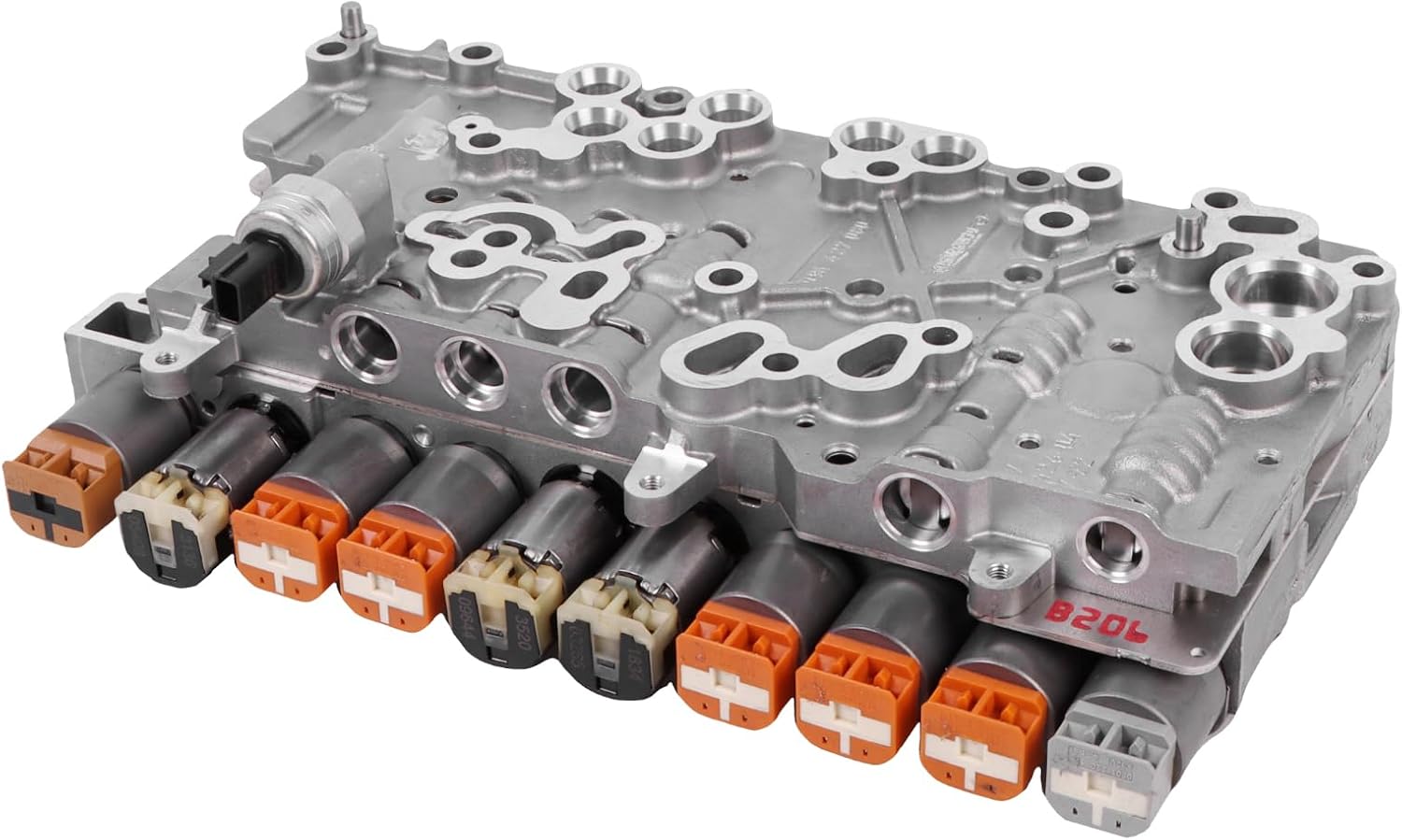
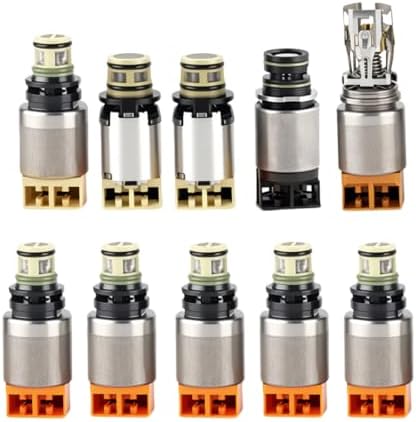
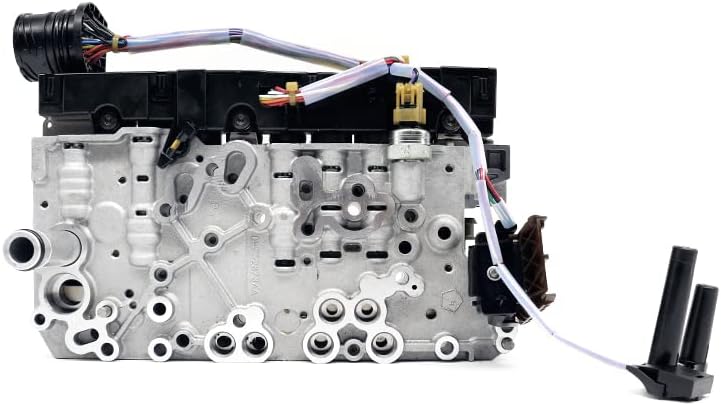
We stock a remanufactured 9HP48 valve body with all 10 solenoids installed, a refurbished 10-piece solenoid kit, and a valve body kit for Land Rover Evoque and Discovery Sport applications — shipped fast from the USA.
Shop 9HP48 parts →After Valve Body Work: Quick Learn Is Not Optional
Whichever part gets replaced, the job is not finished at reassembly. FCA's own TSB 2103414-1, titled "948TE 9 Speed Shift Enhancements And Quick Learn Enable," documents software-calibration work tied directly to this platform's Quick Learn procedure, also called Valve Body Solenoid Learn. It resets and relearns the adaptive clutch-fill time and pressure values the TCM uses to shift cleanly, and is required any time the valve body, a solenoid, or the TCM is replaced. Skipping it is a common way to turn a correctly repaired valve body back into the exact complaint that started the job, with no hardware fault behind it.
FAQ
What are the first symptoms of a bad 9HP48 valve body?
It depends on which internal valve or bore has worn, because the 9HP48/948TE valve body has at least three separate pressure-control circuits that fail independently. Worn solenoid pressure regulator valve bores tend to show up first as delayed engagement, harsh upshifts or downshifts, neutral shifts, or occasional gear-ratio and solenoid codes. Worn shift valve-system pressure (SV-SP) valve bores show up as inconsistent line pressure and, over time, burnt clutches. Worn dog clutch circuit components show up as loss of the higher gears, cycling RPM mid-shift, or in the more severe cases a vehicle that will not stay out of Park.
What codes point to a 9HP48 valve body problem?
Gear ratio codes in the P0731 through P0735 range, solenoid control-circuit codes, and TCC slip codes are the most common hydraulic-side indicators. P0810 (clutch position control error) specifically points at the A or F dog clutch circuit failing to move into the commanded position within the expected time. None of these codes by themselves prove the valve body is worn, since an open or shorted wire in the same solenoid supply circuit can set an identical code without any hydraulic fault present.
Can a wiring problem mimic a bad 9HP48 valve body?
Yes, and a documented repair case from Certified Transmission covers exactly this. A 2014 Jeep Cherokee with a 948TE set P0973 and P1DB2, went into failsafe stuck in fourth gear, and tested electrically normal at every solenoid supply circuit until the technician found the solenoid supply 2 wiring chafing against a bracket near the TCM-to-case-connector harness run. The symptoms looked exactly like a valve body or solenoid fault until the wiring was traced end to end.
Do you have to replace the whole 9HP48 valve body, or just a solenoid?
It depends on which bore tested worn. If codes and symptoms isolate to one or two solenoids and those solenoids test out of spec individually, a solenoid kit alone can resolve it. If the wear is in the aluminum valve body casting itself, at the solenoid pressure regulator valve, the SV-SP valve, or the dog clutch plunger valve bores, a solenoid swap will not fix it, because the bore is what is leaking pressure, not the solenoid feeding it; that calls for a remanufactured or bore-repaired valve body.
Do you need to run Quick Learn after replacing a 9HP48 valve body?
Yes. FCA's own TSB 2103414-1 documents software-calibration work tied directly to this platform's Quick Learn (Valve Body Solenoid Learn) procedure, which resets and relearns the adaptive clutch-fill values the TCM needs to shift cleanly. Skipping it after a valve body or TCM replacement can produce the same harsh-shift, delayed-engagement symptoms the new part was installed to fix.
Sources
- Sonnax — 85740-09K Solenoid Pressure Regulator Valve Kit product documentation for the Chrysler 948TE, Honda/Acura 9-Speed, and ZF9HP48: describes cross-leak wear at this bore and its full symptom list (delayed engagement, harsh shifts, neutral shifts, high line pressure, wrong-gear starts, gear-ratio and solenoid codes, TCC slip, flare shifts). sonnax.com
- Sonnax — 85740-07K Shift Valve System Pressure (SV-SP) Valve Kit product documentation: states a worn or stuck SV-SP valve causes incorrect line pressure control, poor shift quality, and burnt clutches on this platform. sonnax.com
- Sonnax — 85740-05K A & F Dog Clutch Plunger Valve Kit product documentation: describes aluminum sleeve bore wear from valve plunger reciprocation and the resulting loss of higher gears, delayed engagement, and cycling RPM during shifts. sonnax.com
- Keith Clark, GEARS Magazine (ATRA), April 2026 — "ZF9HP48: Worn Parts Create Stuck in Park, Dog Clutch Issues Cause a No-Go": documents A-Dog/F-Dog clutch sleeve and input shaft wear, code P0810, and the stuck-in-Park failure mode. gearsmagazine.com
- Paul Loch, Certified Transmission, via Transmission Digest (June 15, 2023) — "Diving into electrical testing and wiring with the 948TE": documents the P0973/P1DB2 case study, the 2.5-volt solenoid supply reference, the six-solenoid/four-solenoid SS1/SS2 circuit split, and the chafed-wire root cause. transmissiondigest.com
- FCA US LLC — Technical Service Bulletin 2103414-1, "948TE 9 Speed Shift Enhancements And Quick Learn Enable" (November 26, 2014), for 2015 Chrysler 200, via NHTSA's public TSB archive: documents FCA's calibration updates tied to this transmission's Quick Learn procedure. static.nhtsa.gov (NHTSA TSB archive)