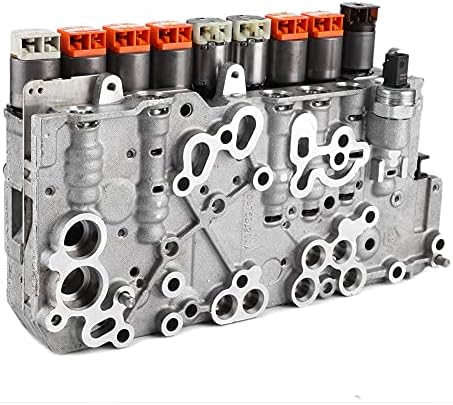
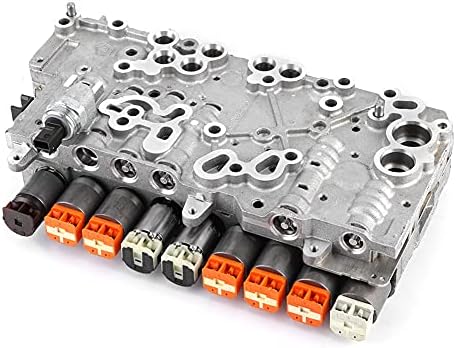
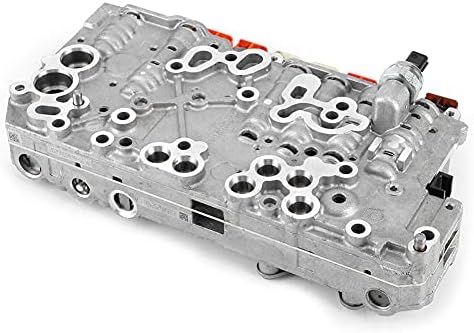
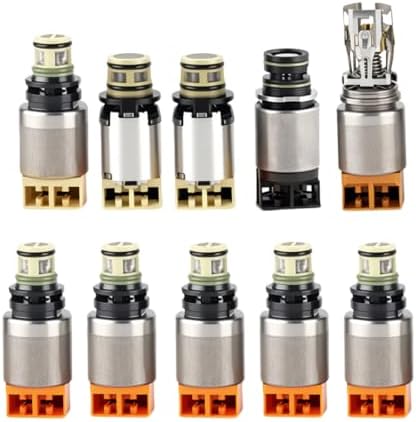
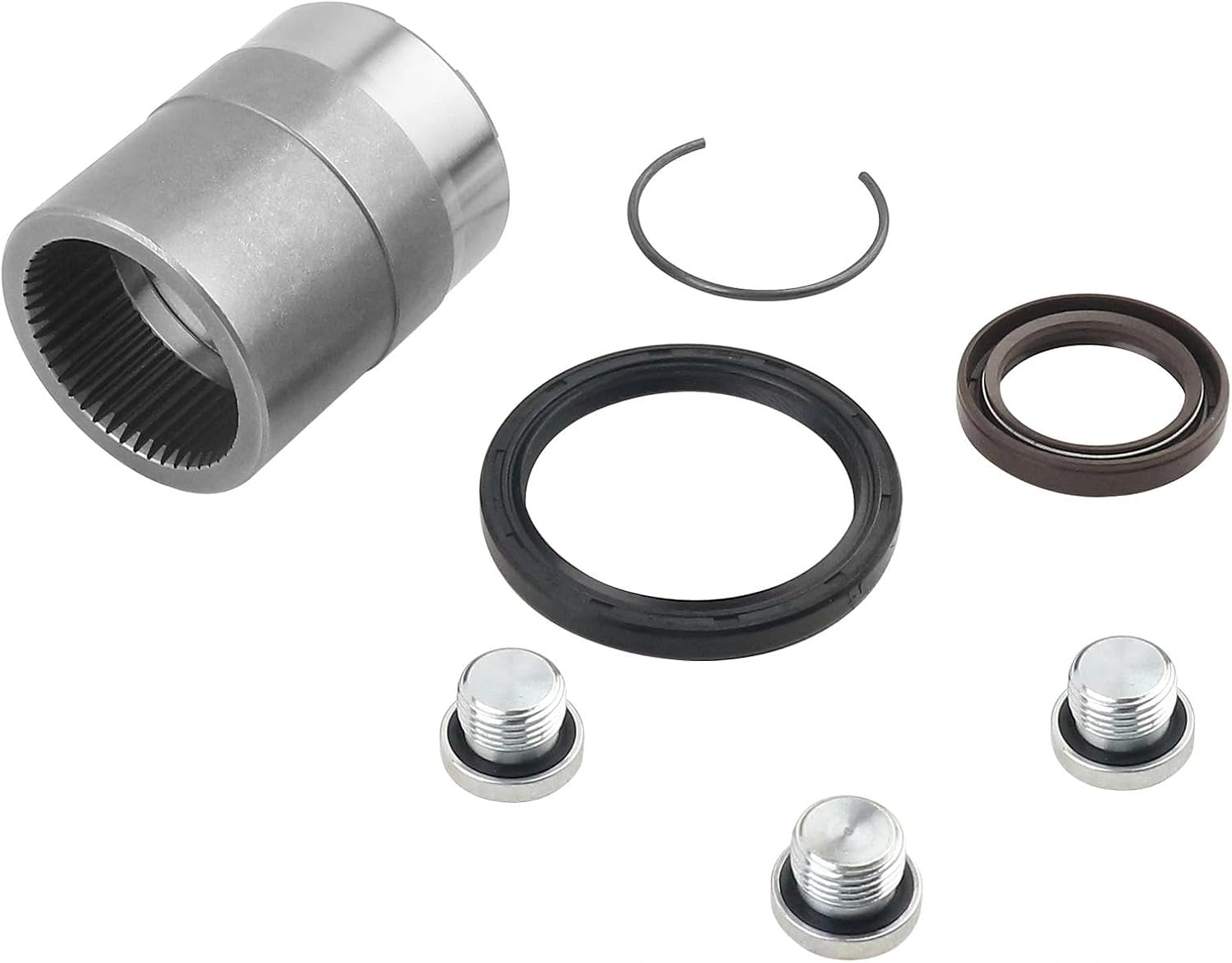
A 2014-2017 Jeep Cherokee, Chrysler 200, Renegade, or Fiat 500X that bangs into first gear, shudders on light throttle at low speed, or suddenly starts in a higher gear and will not shift is living with the Chrysler 948TE's best-known weak point: the valve body. This is a remanufactured 948TE valve body built on the ZF 9HP48 casting, shipped as a complete assembly with the solenoid pack and internal wire harness already fitted, so you are not transferring solenoids off a worn core on the bench.
What the valve body does in a 948TE
The 948TE packs its hydraulic controls tighter than most transmissions - a single valve body carries the dog clutch apply valves, the pressure regulator, and the solenoid pack and harness under one cover, instead of spreading those functions across a larger case the way older automatics do. Two bores in that assembly carry nearly all the load: the A and F dog clutch plunger bores, which supply source pressure to apply and release two of the unit's clutches, and the pressure regulator bore, which sets and holds line pressure for the whole transmission. Both are aluminum bores riding against a moving steel valve, and like most high-cycle hydraulic circuits, they wear open with mileage rather than failing all at once.
Symptoms that trace back to this valve body
- Harsh or delayed engagement into Drive or Reverse
- A hard bang on the 1-2 or 2-3 shift
- Shudder or vibration on light throttle at low speed
- The transmission starting in 2nd or 3rd gear and shifting poorly or not at all (a form of limp mode)
- Solenoid or pressure-control circuit codes stored with no fault at the wiring connector itself
Sonnax's wear documentation for this valve body ties dog clutch plunger bore wear to loss of higher gears, damaged dog clutches, input shaft damage, and delayed engagement, and ties pressure regulator bore wear separately to unstable, too-high, or too-low line pressure that leads to erratic shifting and clutch damage. Both wear points sit inside the valve body itself, which is why a 948TE can throw solenoid or pressure codes while the solenoids and wiring test completely fine on their own.
How to confirm it before replacing the transmission
Start with a scan tool check - a TCM software update and a fluid level and condition check rule out the two most common non-hardware causes of these symptoms. If the codes and limp-mode pattern persist after that, and especially if the car shifts noticeably worse at low speed or when cold versus warm, the valve body is the most likely hardware cause rather than the clutch packs or pump. Compare your case casting and solenoid connector against the photos before ordering - the 948TE and its close relative the ZF 9HP48 share this general design but use different plunger valve diameters on some applications, and the two should not be mixed.
Fitment
This assembly fits the Chrysler 948TE as used in the 2014-2017 Jeep Cherokee, Chrysler 200, Jeep Renegade, and Fiat 500X. The 948TE is built on the same basic ZF 9HP48 design used in other transverse nine-speed applications, so confirm your case casting and harness connector pattern against your old unit, or send your year, make, model, and VIN before ordering.
Install notes
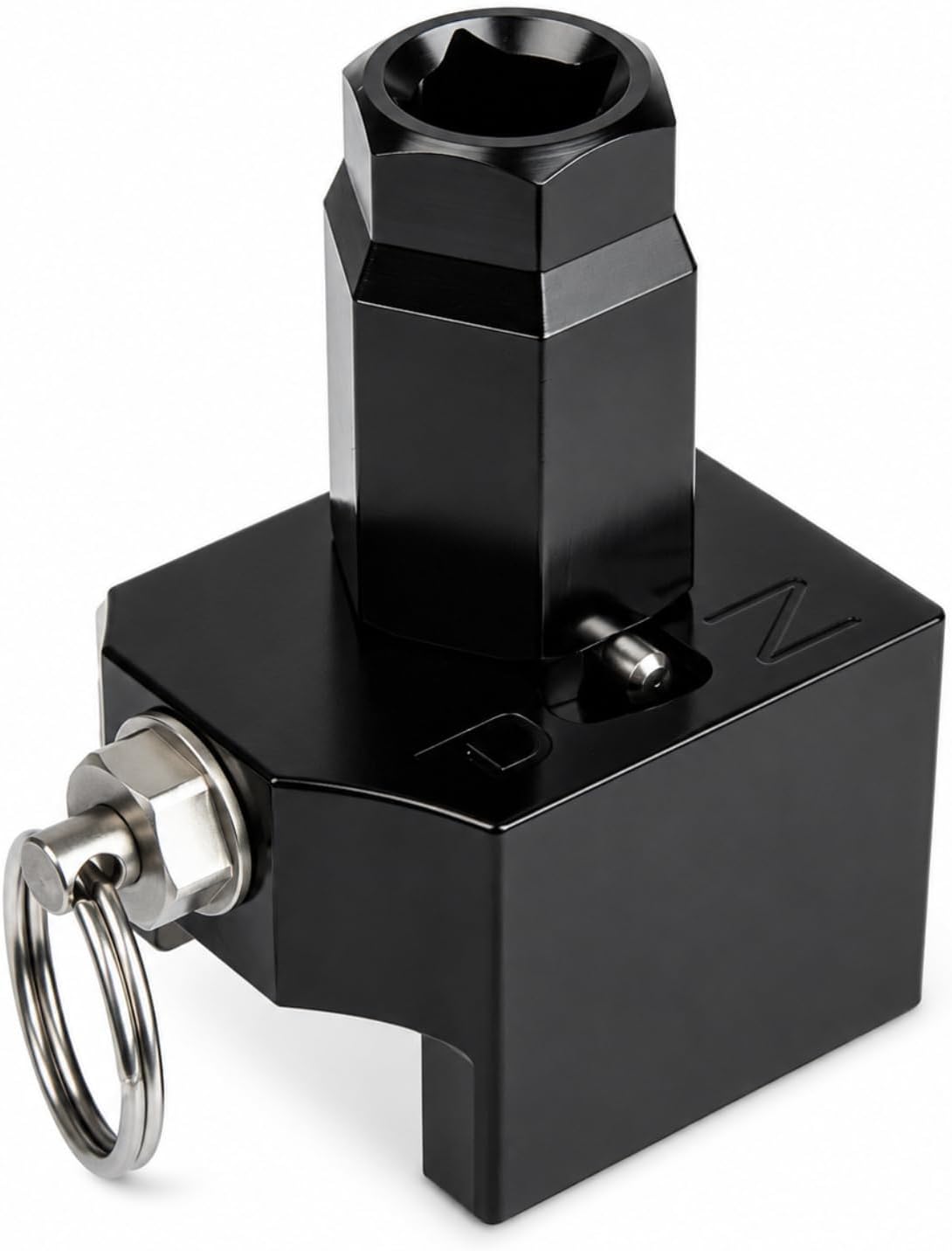
Drop the pan, pull the filter, and disconnect the internal harness from the case connector before unbolting the valve body - keep the assembly level so the check balls and separator plate gaskets stay seated. Replace the filter and pan gasket while it is apart; our 948TE filter and pan gasket kit is sized for this exact service. Refill with ZF-spec nine-speed fluid, not a universal ATF, and run the TCM adaptive relearn afterward - this transmission shifts badly on old adapt values even with a good valve body installed. If the complaint included loss of higher gears specifically, also check the 9HP48 solenoid kit, the 9HP48 output shaft sleeve kit, and the ZF 9HP park lock release tool, since all three address the same dog clutch pressure problems this valve body fixes.