The Ford AOD doesn't have a computer watching its fluid condition. There's no shift-quality trouble code, no adaptive-strategy warning, nothing on a scan tool telling you the clutches are starving for clean fluid. The only input you get is what Ford's own workshop manual tells a tech to check by hand -- the dipstick and a wipe on a white tissue -- and that check is supposed to happen before you decide anything about how to service it. Most of the flush-versus-drain-and-fill arguments online skip that step entirely and jump straight to a method preference. That's backwards.
For the full breakdown of what a service costs and what fluid to buy, see our AOD fluid change cost guide. This article is about choosing the right method once you know what you're working with.
What Ford's Factory Procedure Checks First
Ford's 1993 Mustang workshop manual, Section 07-01B, spells out the fluid level and fluid condition checks as two separate pinpoint tests, and the order matters. The level check calls for the vehicle on a level surface, selector in Park, engine running at curb idle, foot brake applied -- then shift through every range, pausing in each so the transmission actually engages, before returning to Park. Read the dipstick hot (66-77°C / 150-170°F, dipstick hot to the touch, reached after about 15-20 miles of city driving above 10°C/50°F) against the cross-hatched area, or at room temperature (21-35°C / 70-95°F) against the pair of holes. Overfilling causes foaming and fluid loss through the vent; underfilling causes slip or loss of engagement. Neither extreme is something a flush or a drain-and-fill fixes -- it's a refill-technique problem, and it's worth getting right regardless of which service method you use.
The condition check is the one that actually decides your method. Ford's procedure has you wipe the dipstick on a plain white tissue after the level check and read two things: color and odor, then the stain itself. Fluid should be dark reddish, not brown or black. Odor can point to overheating or to clutch and band failure. Specks on the tissue mean solid contamination; gum or varnish on the stain points to antifreeze in the fluid. If either shows up, Ford's own instruction is blunt: stop, remove the pan, and inspect -- and if contamination is confirmed, disassemble and clean the transmission and the cooling system, including the converter. No fluid service, by itself, is the prescribed fix at that point.
What Each Service Method Actually Replaces
ATRA's own transmission-service guidance frames the two options in plain terms: a standard service -- the pan-and-filter drop most shops call a "drain and fill" -- typically replaces about one-third to one-half of the fluid in the system, because the rest is sitting in the torque converter and cooler lines where a pan drop can't reach it. A full flush, run through dedicated equipment that cycles new fluid through the cooler circuit while pulling old fluid out, replaces nearly all of it. ATRA also notes that many flush machines don't touch the filter, so if your AOD's filter is accessible, pull the pan and swap it regardless of which service you choose.
That percentage gap is bigger on an AOD than it would be on a modern unit with a converter drain plug, because most AOD-equipped vehicles don't have one. Without a drain plug, a pan drop alone leaves the converter's fluid almost entirely untouched. That's a real limitation, not a reason to panic -- it's just the reason staged drain-and-fills exist as a practical middle ground between a single pan drop and a full machine flush.
The Right Fluid: Not Type F, Not Whatever's Cheapest
Ford's 1993 Mustang manual names the fluid directly: Synthetic Mercon Multi-Purpose Automatic Transmission Fluid, Ford part E6AZ-19582-B, meeting specification ESR-M2C163-A2 or equivalent, with the exact spec stamped on the dipstick taking precedence for any given vehicle and year. That's a Mercon-family fluid, and Mercon-family fluids are friction-modified -- a different chemistry than Ford's older Type F fluid.
The distinction isn't cosmetic. Mobil's own Type F product data sheet lists which Ford transmissions that fluid is for -- pre-1977 Fords and certain 1977-1980 models stamped with the ESW-M2C33-F spec -- and explicitly lists Ford products requiring Mercon, or the earlier M2C138-CJ (Type CJ) and M2C166-H (Type H) specs, as applications where Type F should not be used. An SAE technical paper on bridging Dexron-II and Type F fluids explains why: a fluid built to the M2C138-CJ spec meets Dexron-II and nearly all of Type F's physical requirements except friction-modifier content. Type F is deliberately non-friction-modified so clutches grab hard and lock up fast; Mercon-family fluid is friction-modified for smoother engagement. Put Type F in an AOD expecting smooth, modulated shifts and you get the opposite -- harsh engagement that beats on the exact clutch packs and bands you're trying to protect.
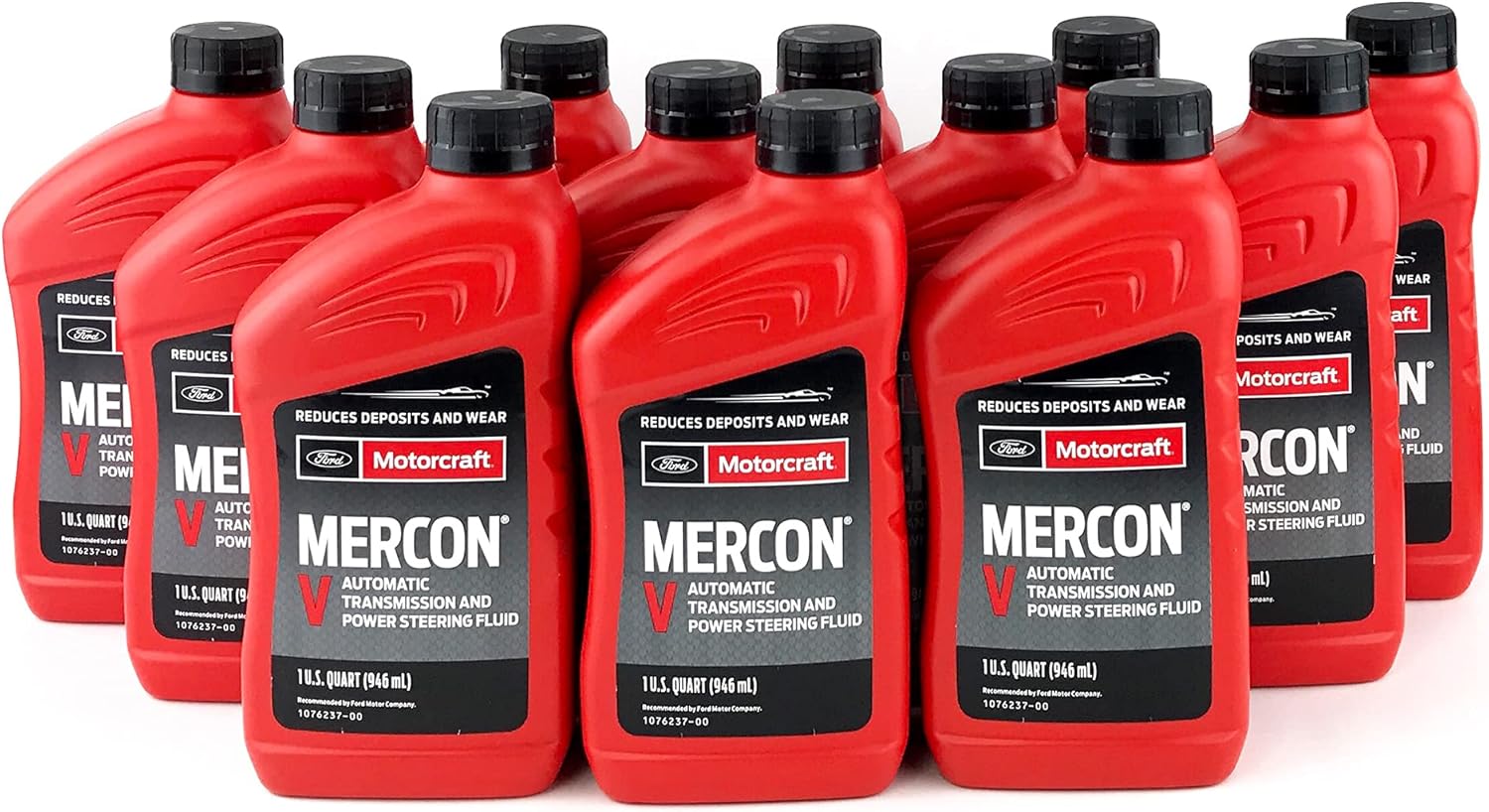
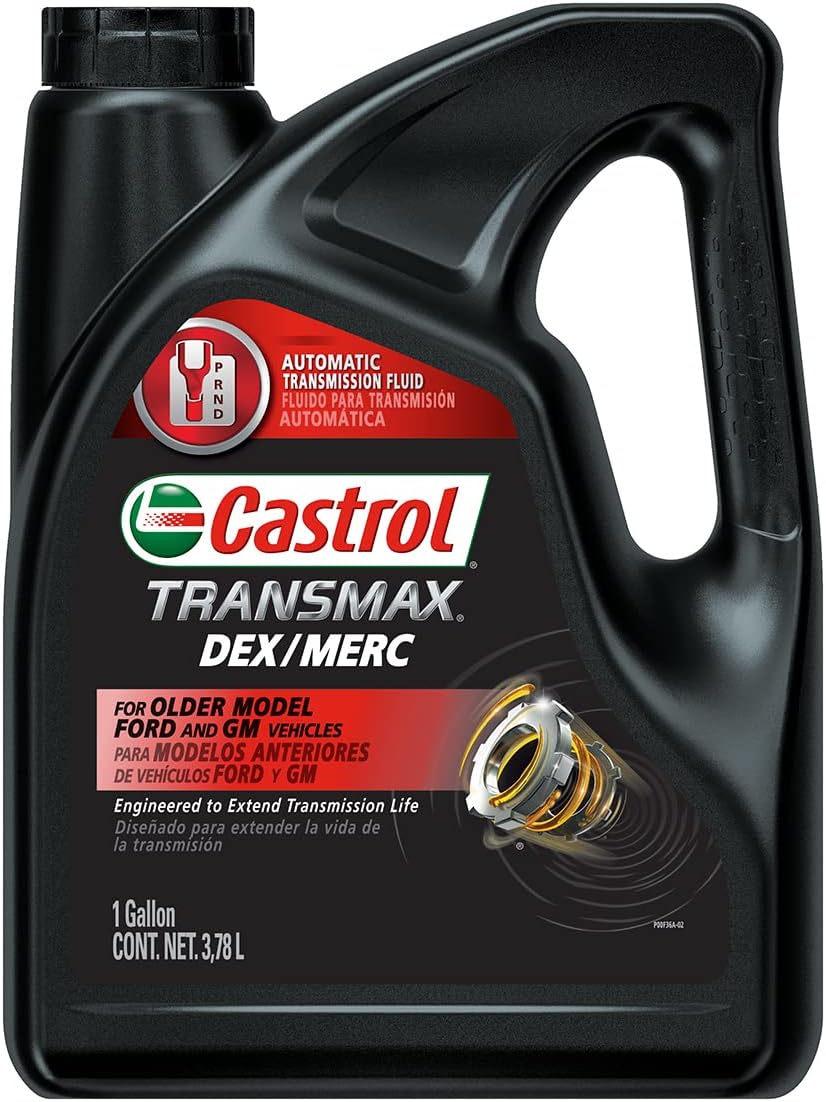
Ford has also moved the goalposts since this manual was printed. The company stopped manufacturing Mercon fluid as of July 1, 2007, and designated Mercon V as the replacement for any application that previously called for Mercon -- a tighter spec with better anti-oxidation, anti-wear and anti-shudder performance. In practice: buy fluid labeled Mercon V (Motorcraft's XT5QM / XT5QMC line is the factory-branded option) or a Dexron III/Mercon-compatible blend. Don't reach for Mercon LV, Mercon SP, or anything labeled Type F or ATF+4-only -- none of those match the AOD's friction-modifier package.
Flush or Drain-and-Fill: How to Actually Decide
Run Ford's condition check first, every time, before you touch a pump or a flush machine:
- Clean, just dark fluid, no odor, no specks: either method is fine. This is routine maintenance. A flush machine gets you closer to a full exchange in one visit; a staged drain-and-fill (pan drop, refill, drive it, repeat in 500-1,000 miles) gets you most of the way there over two services without the cost of a machine.
- Dark-to-black fluid with a burnt smell, high mileage, unknown service history, but the tissue test shows no metal or friction material: this is the judgment call. My own preference on a neglected, high-mileage AOD is staged drain-and-fills rather than one aggressive machine flush. A flush pushes fluid through the cooler lines and valve body under pressure; on a unit that's never been serviced, that can dislodge varnish or sludge that was otherwise sitting still, and send it somewhere it can stick a governor valve or a shift valve instead of getting caught by the filter and magnet during a pan drop.
- Metal flecks, friction material, or a varnished/antifreeze-contaminated stain on the tissue: Ford's own procedure says stop. Pull the pan, inspect, and if contamination is confirmed, plan on disassembly and cleaning -- including the converter and cooler -- not a fluid service. Running fresh fluid through a transmission in that condition doesn't fix anything; it just delays the real repair at the cost of a service you'll pay for twice.
Doing a Drain-and-Fill Right
Drop the pan, replace the filter if it's accessible on your year and configuration, and reinstall with a fresh gasket. Refill using Ford's own level-check method: engine running, selector cycled through every range with a pause in each, checked against the correct window for the fluid's temperature -- the cross-hatch hot, the holes at room temperature. Don't fill to a quart number and call it done; fill to the dipstick, because capacity varies by chassis, cooler setup, and how much drained out in the first place.
If you're working on fluid that failed the "needs attention but isn't contaminated" test above, drive it 500-1,000 miles and repeat the drain-and-fill a second time. Each pass dilutes what's left in the converter further without the risk of forcing old deposits through the circuit all at once.
When a Flush Machine Is the Right Call
A flush makes the most sense on a unit that already passed the condition check clean and just needs routine maintenance brought current in one visit -- a car you're prepping for sale, a fluid service that's overdue but not neglected, or a shop visit where you want the closest thing to a full exchange without two separate appointments. Confirm the shop runs the same condition check before they hook up the machine. A flush is not a substitute for inspecting what's actually in the pan.
Disposing of the Old Fluid
Used ATF is managed as used oil under EPA's standards at 40 CFR Part 279, which cover generators, transporters, and recyclers of used oil and were built on the understanding that properly managed used oil doesn't need to be treated as hazardous waste. That protection only holds if the fluid is actually recycled through a legitimate collector -- most auto parts stores and quick-lube shops take used ATF for free. Don't pour it out, and don't mix it with coolant or solvents, since that mixture is harder for a recycler to process and may push it back into hazardous-waste territory.
FAQ
What fluid does a Ford AOD actually take?
The AOD was built for a friction-modified Mercon-type fluid, not Type F. Ford's own 1993 Mustang workshop manual calls out Synthetic Mercon Multi-Purpose ATF E6AZ-19582-B (ESR-M2C163-A2) or equivalent. Since Ford stopped producing Mercon after July 1, 2007, the current correct fluid is Motorcraft Mercon V, which Ford designates as the replacement for anything that called for Mercon.
Is a flush or a drain-and-fill better for an AOD?
It depends on what comes out of the pan first. If the fluid is just dark with no solids or antifreeze contamination, either method works and a flush machine gets closer to a full exchange in one visit. If you find metal, friction material, or varnish, a flush is the wrong move -- pull the pan and inspect before you circulate anything through the cooler lines.
How much of the old fluid does a pan drop actually replace?
ATRA's own transmission-service guidance puts a standard pan-and-filter service at roughly one-third to one-half of total fluid volume, since the torque converter holds the rest. A full flush, done with a machine that cycles fluid through the cooler lines, replaces nearly all of it.
Can I just use Dexron or regular ATF+4 in an AOD?
Use a fluid that explicitly lists Mercon or Mercon V compatibility, not a generic Dexron-only or ATF+4-only product. The AOD's friction material was matched to Mercon's friction-modifier package, and running the wrong modifier package changes shift feel and accelerates wear on the 3-4 clutch pack and bands.
How do I know if my AOD needs more than a fluid service?
Follow Ford's own fluid condition check: wipe the dipstick on a white tissue. Specks of metal or friction material, or a varnished stain that suggests antifreeze, mean the factory manual's answer is to pull the pan for inspection, not to run fresh fluid through a compromised unit.
If your AOD's fluid condition check already points past a simple service -- metal in the pan, a burnt smell that won't go away, or shift symptoms that started before you ever touched the fluid -- our AOD common problems guide walks through the internal failures that a fluid change won't fix.
Servicing an AOD this week?
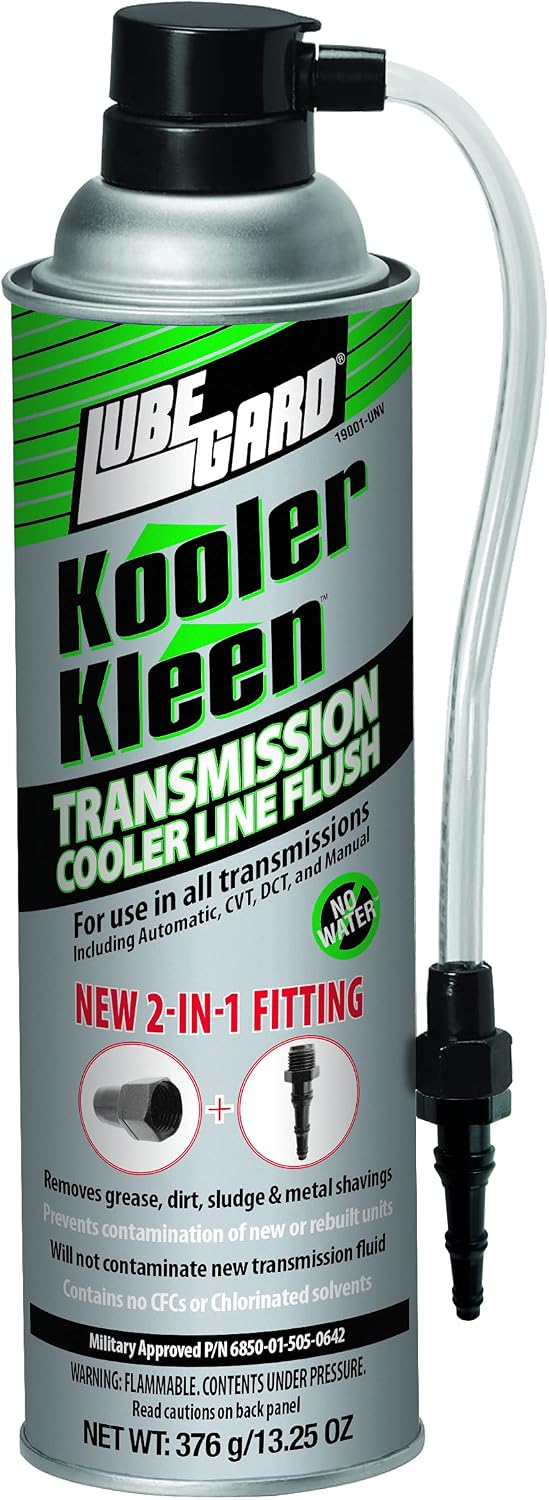
Mercon V and Dexron/Mercon-compatible fluid, cooler flush treatment, filters, gaskets and the rebuild kits for when it's past a fluid service — all in one place, shipped from the USA.
Shop AOD parts →Sources
- Ford Motor Company, 1993 Mustang Workshop Manual, Section 07-01B (AOD), Fluid Level Check (Pinpoint Test). Backs the exact fluid spec (Synthetic Mercon Multi-Purpose ATF E6AZ-19582-B / ESR-M2C163-A2), the level-check procedure (Park, engine running, selector cycled through every range), and the hot (66-77°C/150-170°F) and room-temperature (21-35°C/70-95°F) reading windows. fordservicecontent.dealerconnection.com
- Ford Motor Company, 1993 Mustang Workshop Manual, Section 07-01B (AOD), Fluid Condition Check (Pinpoint Test). Backs the white-tissue dipstick wipe, the color/odor/solids/antifreeze checks, and the required stop-and-inspect action when contamination is found. fordservicecontent.dealerconnection.com
- ATRA, "Transmission Service." Backs the one-third-to-one-half fluid replacement figure for a standard pan-and-filter service versus a near-complete replacement for a full flush, and the note that many flush machines don't replace the filter. members.atra.com
- Mobil, Type F ATF Product Data Sheet. Backs the Ford vehicle/spec applications for Type F (pre-1977 and 1977-1980 ESW-M2C33-F) and the explicit exclusion of Mercon, M2C138-CJ (Type CJ) and M2C166-H (Type H) applications from Type F use. mobil.com
- SAE International, "Bridging the Gap Between DEXRON-II and Type F ATF," Paper 790019. Backs the friction-modifier distinction between M2C138-CJ/Dexron-II-type fluid and Type F fluid. saemobilus.sae.org
- EPA, 40 CFR Part 279 used oil management standards. Backs the regulatory framework for used oil (including used ATF) recycling and disposal. epa.gov