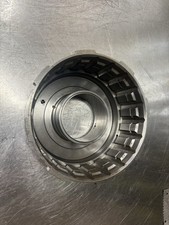
A 4R44E Ranger or Mazda B-Series that is slow to back up, or that slips when it should pick up third, may have a direct clutch drum that no longer holds pressure. This is a used Ford direct clutch drum, part number XL2P-7D047-AB, cleaned and sold empty without frictions or steels. It is the 4-friction version, sized for the light-duty 4R44E that Ford put behind the 2.3L, 2.5L and 3.0L engines.
What the direct clutch drum does in a 4R44E
The 4R44E is the electronic successor to the A4LD, which Ford built by adding an overdrive section to the front of the C3 three-speed. Inside the C3-based gear train, the direct clutch (the reverse and high clutch in the older C3 naming) drives the input in reverse and in the upper gears. Its drum holds the steels and frictions and the apply piston, and it takes apply oil through a sleeve and sealing rings on the center support. Sonnax points out a 4R44E detail that matters here: unless the SSA solenoid is on, the direct clutch will not apply in reverse until EPC pressure climbs to about 20 psi, after which direct clutch pressure rises slowly with EPC. A drum that leaks makes that slow build even slower.
Symptoms of a worn 4R44E direct drum
- Slow or no reverse, worse when the fluid is hot
- Slip or flare on the 2-3 shift
- Burnt direct clutch frictions found at teardown
- Steel or friction debris in the pan
- Reverse that was fine after a rebuild and faded within weeks
How to confirm it before you buy
Check the hydraulics first. Sonnax says to confirm the truck has line rise in reverse and to inspect the center support sleeve, its sealing rings and the direct drum sleeve for cracks, because any of those leaks will look like a bad clutch. A line pressure test in reverse and drive tells you whether pressure is reaching the drum, and our slipping diagnosis guide walks through the rest. On the bench, air-check the piston and look for a scored piston bore, a cracked sleeve, worn ring lands or blue heat marks. Any of those means replace the drum, not just the plates.
Fitment
The 4R44E was used from 1995 to 2001 in the Ranger and Mazda B-Series with 4-cylinder and 3.0L V6 engines, and in 1995-1997 Aerostar; the door sticker transmission code is V. The direct drum part number XL2P-7D047-AB carries across the A4LD-derived family, but drums changed over the years, so count the frictions in your old drum (this one is for 4), compare the hub and the photo, and match the part number if yours is readable. Not sure? Send us your year and VIN. If you need the forward drum instead, see the new 4R44E forward clutch drum, and find the rest of the family on our 5R55 and 4R44E parts page.
Install notes
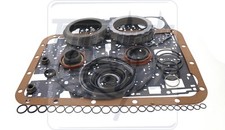
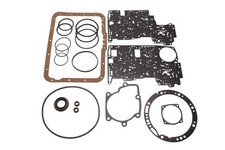
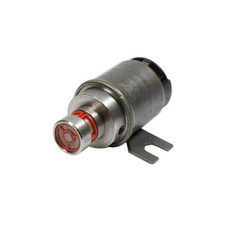
Because this drum ships empty, load it with new direct frictions, steels and piston seals; the 4R44E master rebuild kit carries them, and the overhaul kit covers seals and gaskets if your frictions are still good. Replace the center support sealing rings and inspect the sleeve before the drum goes on. Lube the piston seals, press the piston in evenly, air-check the loaded drum, and set clutch clearance to spec. A sticky EPC solenoid keeps reverse slow even with a good drum, so test or replace it. Refill with the fluid printed on your dipstick; Ford's Ranger guides of this era warn against mixing MERCON and MERCON V unless the fluid is labeled for both.