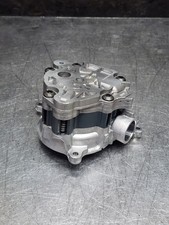
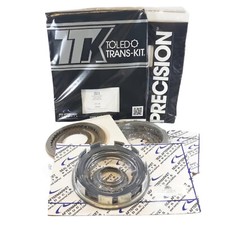
This master rebuild kit covers the Ford 6F50 and its heavier-duty twin, the 6F55, across 2007-2020 production. Those are the six-speed front- and all-wheel-drive transaxles behind the 3.5L, 3.5L EcoBoost and 3.7L V6 in the Explorer, Edge, Flex, Taurus and Taurus X, and in the Lincoln MKZ, MKS, MKT, MKX and Continental. If you are chasing a slipping gear, a flare on one shift, a soft or late Reverse, or you already have the unit apart with burnt clutch material in the pan, this kit supplies the wear parts for a full overhaul.
What comes in the kit
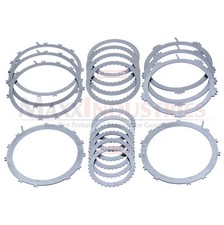
- Friction clutch plates for the clutch packs
- Steel reaction plates
- Overhaul gasket and seal set, including several valve body separator plate gaskets so you can match the plate in your unit
- Rubber-coated pistons, lip seals and sealing rings
- O-rings and gaskets for the pump, valve body and case, plus the pan gasket
Hard parts, bushings and the torque converter are not included.
How the clutches work in a 6F50 and 6F55
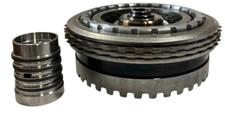
Ford named the five clutches in this family by the gears they work in: forward (1-2-3-4), direct (3-5-R), overdrive (4-5-6), intermediate (2-6) and low/reverse. Every shift is a clutch-to-clutch handoff, with one clutch releasing as another applies under computer control. Because of that, the symptom usually tells you which pack is in trouble. A 2-3 flare points at the direct clutch picking up late, a slipping 2nd and 6th points at the intermediate clutch, and a slow Reverse engagement involves the direct and low/reverse clutches. The 6F55 is the same design built to handle the extra torque of the EcoBoost V6, which is why one kit can serve both.
Symptoms this kit addresses
- Slipping or a flare on a specific shift, most often 1-2, 2-3 or 5-6
- Delayed engagement into Reverse or Drive from cold
- Gear ratio codes P0731 through P0736 after the fluid has been checked
- Dark fluid that smells burnt, with friction material in the pan
- Leaks from the case, pump or cover seals on a high-mileage unit
Diagnose before ordering
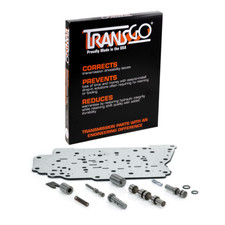
A clutch that is slipping because of low apply pressure will burn new frictions just as fast as the old ones. Sonnax lists oversized regulator valve kits for the 6F50 and 6F55 to cure 2-3 flare, 1-2 and 5-6 flare, and burnt clutches caused by worn valve body bores. Before you pull the transaxle, check the fluid level and condition, scan for codes, and read our Ford six-speed problems guide for the valve body and solenoid faults that look like clutch failure.
Fitment
The listing covers the Ford 6F50 and 6F55 in 2007-2020 Explorer, Flex, Edge, Taurus, Taurus X, Lincoln MKZ, MKS, MKT, MKX and Continental. Ford ran several updates to this family over those years, and Sonnax notes that early and late valve bodies look almost identical but do not interchange. Count the frictions and steels in each pack as you tear down and compare them with the kit before you start assembly. Position 8 of the code on the driver's door pillar tag identifies the unit: J is a 6F50 and C is a 6F55. If you would rather we check, send your year and VIN. For a Generation 1 unit that needs new steels and pistons as well, see our 2007-2012 6F50 super master kit, and find the rest of the parts in the 6F35 and 6F50 collection.
Install notes
- Air-check each clutch pack as you build it, and set clearance to spec with your selective plates or snap rings.
- Soak the frictions in clean fluid before assembly.
- Install every seal the kit provides. Do not reuse lip seals or rings that are hard or glazed.
- Match the separator plate gasket to your plate by laying it over the plate before you bolt the valve body down.
- Measure bushings and inspect drum and pump sealing surfaces; replace anything worn.
- Fill with Mercon LV, which Ford's current chart lists for the 6F50 and 6F55, and set the level hot.
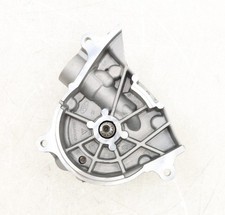
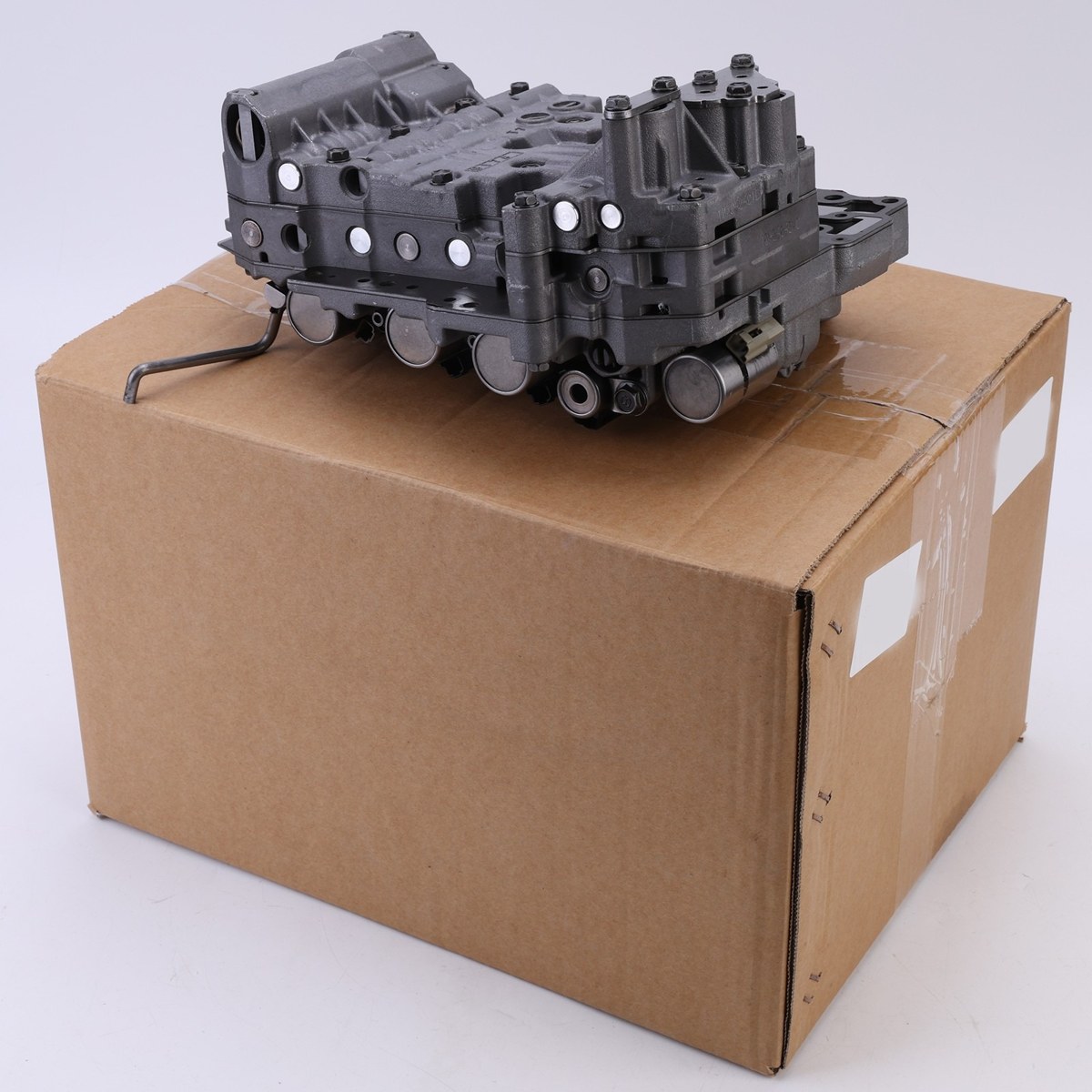
While the unit is apart, a reworked or replacement 6F50 valve body protects the new clutches, and a scored pump is worth replacing with a 6F50 pump before it costs you the rebuild.