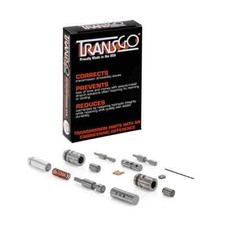
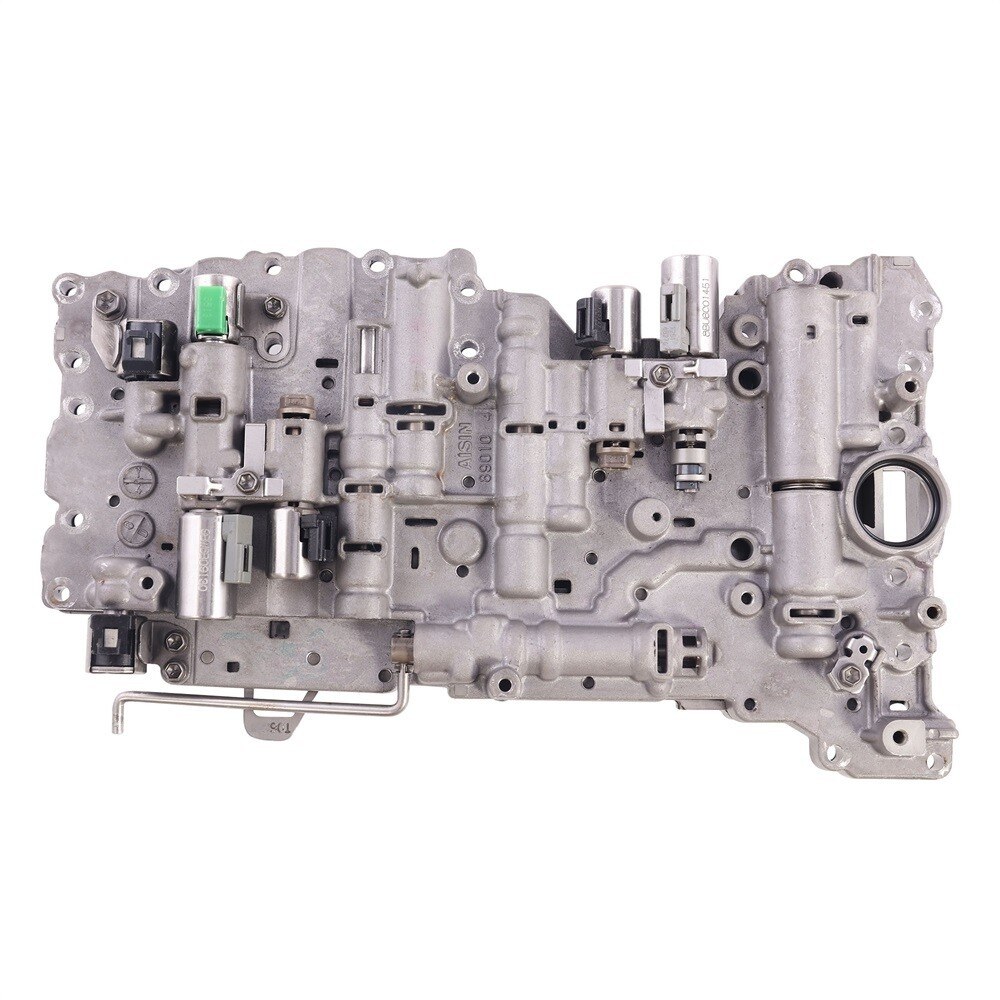
The A750E five-speed arrived for the 2003 model year, first behind the 4.7-liter V8 in the redesigned Toyota 4Runner, with the four-wheel-drive A750F version going into the 4Runner, Land Cruiser, Lexus GX470 and LX470 that same year. More than twenty years on, those first-year units are the ones most likely to show worn valve-body bores: a lockup clutch that will not release cleanly when you floor it on the highway, a converter that shudders or cycles, torque converter clutch codes that come back after the solenoid has already been replaced, and a 2-3 shift that has started to flare. This listing is a new TransGo A750 shift kit, sold under the 2003 starting year because that is where TransGo's coverage begins. It is priced at $277.99 with a 1-year warranty.
What this kit changes inside an early A750E
On a 2003 A750E the converter clutch is commanded by the computer, but the actual apply and release are handled hydraulically by the TCC relay valve and its boost valve. After two decades of cycling, the relay valve wears its aluminum bore, oil leaks past it, and the computer can no longer hold the controlled slip it wants or drop the lockup quickly on a downshift. That is why rough highway kickdown and lockup performance codes are so common on early trucks. TransGo's kit replaces the original relay valve with an oversized, hardened steel valve and bushing, and includes the reamer, guides and drill bits to open the worn bore to fit. It also brings a drop-in solenoid modulator valve system that restores correct solenoid feed pressure in the existing bore, plus two TCC boost valve and bushing assemblies so you can match the size used in your casting.
Symptoms on 2003-era trucks
- Hard, banging kickdown at highway speed because the converter clutch is slow to release
- Lockup that shudders, cycles on and off, or never fully applies
- Converter clutch and solenoid codes such as P0741, P2757 or P2714 that return after parts are replaced; TransGo lists P0746, P0751, P0756, P0771, P0776, P0894, P2714 and P2757 among the codes the kit is meant to cure
- Flare or bind-up on the 2-3 upshift
- Gear hunting between fourth and fifth at steady cruise
How to confirm before you buy
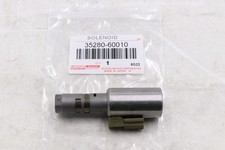
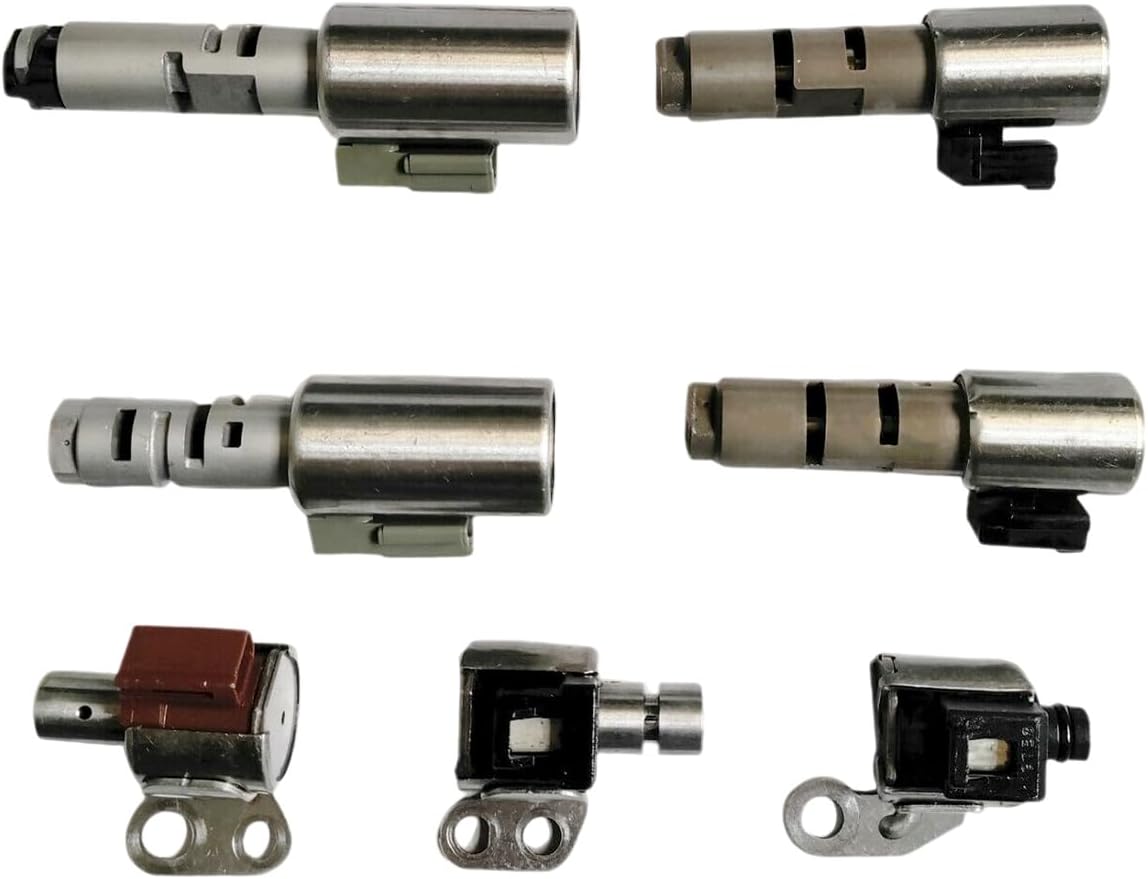
A converter clutch complaint can come from the converter itself, the solenoid, or the valve body, so test in that order of cost. Check the fluid level hot with the factory procedure, then use a scan tool to compare commanded lockup with actual engine and turbine speed; our guide on reading transmission live data shows what to watch. If slip stays high while lockup is commanded and the solenoid tests good on resistance, the relay valve circuit is the prime suspect. Our converter clutch shudder diagnosis guide covers how to separate a worn converter from a hydraulic control problem. If the solenoid is weak, replace it while the valve body is off with an A750E TCC solenoid.
Fitment for the 2003 listing
TransGo rates this kit for 2003-and-newer A750E and A750F five-speeds and for the six-speed A760, A761, A960 and AB60 families. For model year 2003 specifically, the A750E went into the two-wheel-drive 4Runner V8 and the A750F into the 4x4 4Runner, Land Cruiser 100, GX470 and LX470; the Tacoma, Tundra and FJ Cruiser did not get this transmission until 2005 or later. TransGo supplies two TCC boost bushing sizes and tells you to match the diameter of your original, so measure the one you remove before installing. Send us your year and VIN if you want us to confirm before ordering, and see related parts on our Aisin transmission page. Owners of later trucks can compare the 2003-2007 A750E shift kit.
Install notes
- Remove the valve body, photograph each valve train before you take it apart, and keep the springs with their valves.
- Ream the TCC relay valve bore straight using the supplied guide, then flush the casting thoroughly; leftover aluminum chips will stick valves.
- Replace the TCC solenoid if it is original; on a 20-year-old unit it is cheap compared with doing the job twice.
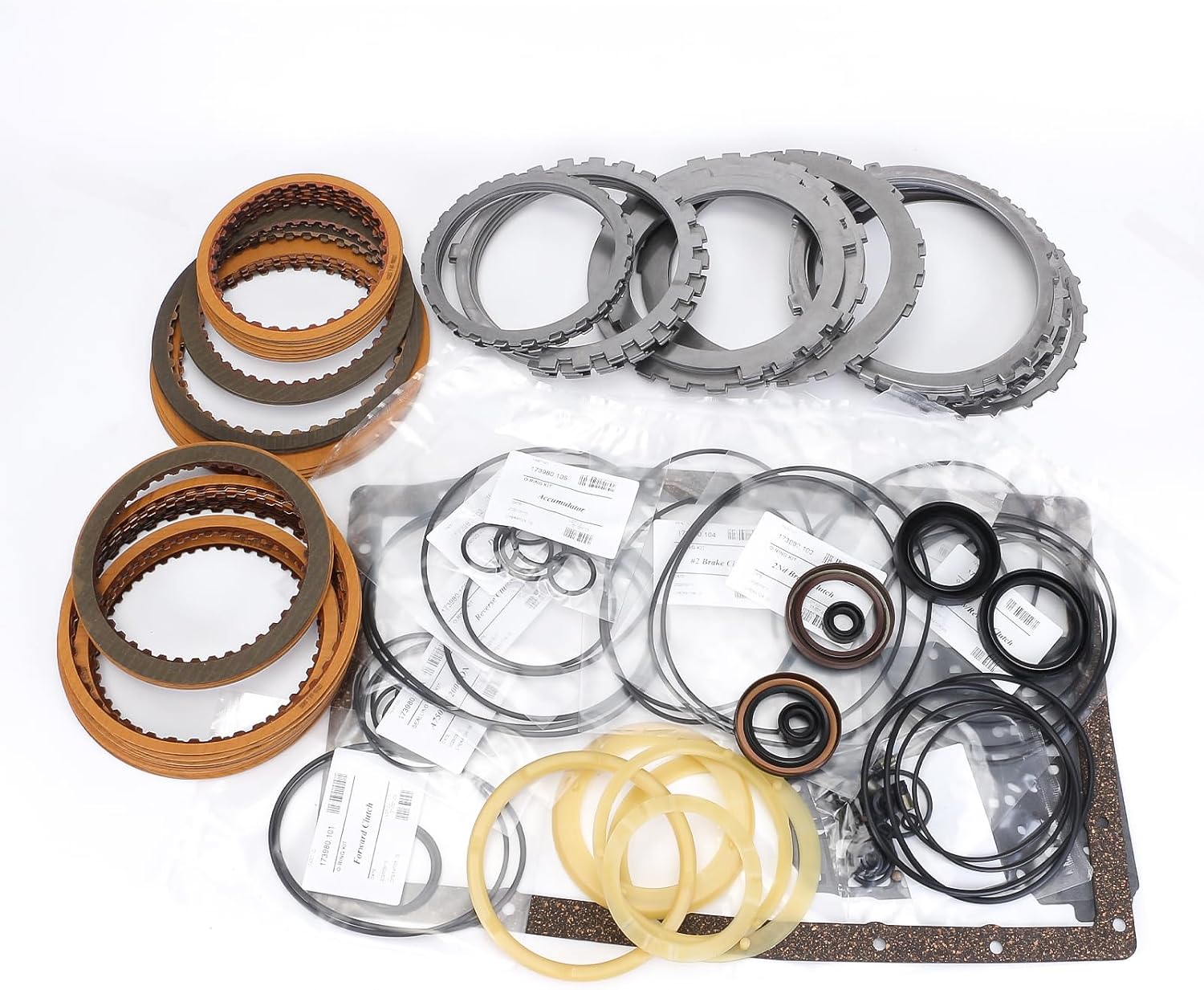
- If the clutches are worn, pair the kit with an A750E master rebuild kit rather than installing it over glazed frictions.
- Refill with Toyota WS ATF, check level at temperature through the fill plug, clear codes and reset adaptive values before the road test.