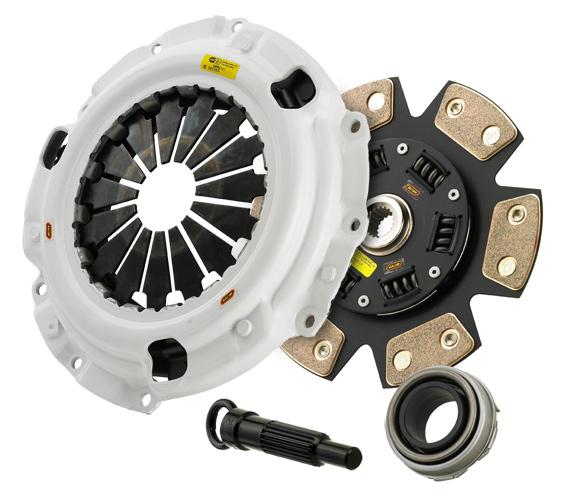
The ACT MB11-HDSS is a daily-drivable upgrade clutch for the manual-transmission Mitsubishi Lancer from 2008 to 2017, the 2.0L 4B11 cars and the 2.4L 4B12 GT and GTS. Most buyers find it when the original clutch starts slipping on the highway, chatters pulling away from a stop, or wears out after an intake, tune and exhaust added a little more torque than the factory disc was built for. It keeps a smooth organic engagement, so it drives like stock in traffic while holding noticeably more power.
What this clutch kit does in a Lancer
MB11-HDSS combines ACT's Heavy Duty pressure plate with its Performance Street sprung disc. The pressure plate uses an ACT diaphragm spring that raises clamp load and resists deflection at high rpm, which is where a tired factory plate lets the disc slip. The disc is a full-face organic lining with high copper content for heat transfer and a steel backing for burst strength. Its spring-centered hub absorbs engine pulses before they reach the gearbox, so the car keeps the quiet, progressive takeoff of a stock clutch.
ACT rates the kit at 276 ft-lb of torque capacity, 46 percent more than the original clutch, on a 224 mm (8.8 in) disc with a 0.875 in input shaft. ACT describes the feel as light to moderate pedal effort, smooth positive engagement and OE to mild gear rattle, recommended for street and race use. That makes it the sensible pick for a stock or lightly modified Lancer. If the car is boosted, the six-pad MB11-HDG6 race version uses the same pressure plate with a ceramic disc for far more holding power.
Symptoms this kit fixes
- Engine rpm climbing without the car speeding up in fourth or fifth gear, especially on a hill or when passing
- Shudder or chatter as the clutch engages from a stop
- A high engagement point near the top of the pedal travel, a sign of a worn disc
- Burning smell after stop-and-go traffic or a hill start
- Whirring or chirping that changes when you press the pedal, usually the release bearing
- Gears that grind going in, which can be a dragging clutch or a hydraulic problem
How to confirm before you buy
A worn clutch does not set a check engine code, so diagnosis is a road test plus a few checks. With the engine warm, cruise in fourth at about 2,000 rpm and press the throttle to the floor. If the tachometer rises faster than road speed, the disc is slipping. Before buying a kit, check the clutch fluid level and condition, look for a leaking slave cylinder, and make sure the pedal returns fully, since hydraulic faults cause grinding and poor release rather than slip. Oil on the bottom of the bellhousing points to a rear main or input seal leak that will ruin a new disc unless it is fixed in the same job. Our slipping diagnosis guide walks through the load test, and manual transmission repair cost helps you budget the job.
Fitment
Our listing is titled for the 2008-2017 Lancer GT and GTS. ACT's own application covers the 2008-2017 Lancer DE, ES, GT, GTS and SE with the 2.0L 4B11, plus the 2009-2017 Lancer GT and GTS with the 2.4L 4B12. Manual transmission cars only; CVT models do not use a clutch. It does not fit the Lancer Evolution X or the Ralliart, which have their own turbocharged drivetrains, and it does not fit the earlier 2002-2007 Lancer. If the car has had an engine or transmission swap, send us the year and VIN and what was swapped before you order. More clutch parts are in our rebuild kits section.
Install notes
- In the box per ACT: MB025 Heavy Duty pressure plate, 3000312 Performance Street sprung disc, RB013 release bearing and AT20 alignment tool. Pressure plate bolts are included (M8-1.25 x 16 mm).
- No flywheel is included. Resurface the factory flywheel, or replace it if it has heat cracks or blue spots, so the new disc seats evenly.
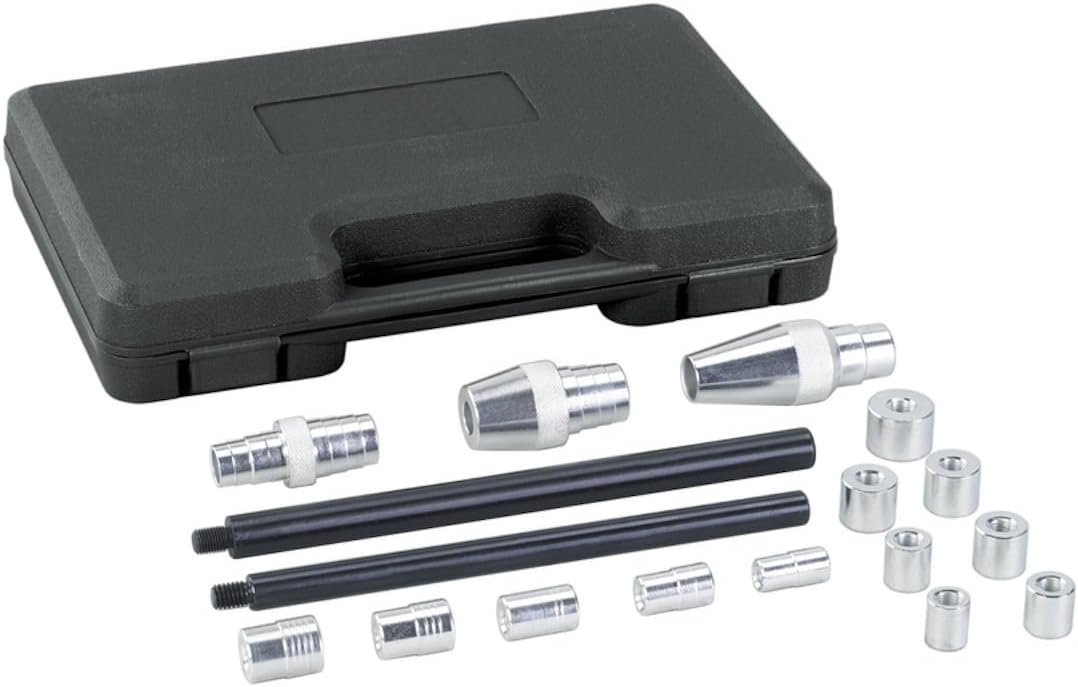
- Center the disc with the alignment tool, start every bolt by hand and tighten in a crisscross pattern to the factory torque spec. A spare clutch alignment tool kit is handy if the supplied tool is misplaced.
- Clean the input shaft splines and apply a thin film of high-temperature grease; too much will fling onto the disc.
- Bleed the clutch hydraulics with fresh brake fluid of the type shown on the reservoir cap, and refill the gearbox with the gear oil Mitsubishi specifies for your transmission if you drained it.
- Break the clutch in gently with normal street driving for the first few hundred miles; avoid launches and high-rpm shifts until it has bedded in.
If you only want a stock replacement, the Exedy OE Lancer clutch kit is the factory-feel option for 2008-2015 cars.