The ACT ZM8-HDSS is the street clutch for a Mazda RX-8 that has started to slip, chatter or wear out, or for an owner who added an intake, exhaust and tune and wants more holding power without a race-car pedal. It combines ACT's Heavy Duty pressure plate with an organic Performance Street disc on a sprung hub. If your RX-8 revs up without pulling in fourth gear, the pedal engages near the top, or the clutch smells hot after a few hard runs, this is the kit most daily-driven cars want.
What the ZM8-HDSS does in an RX-8
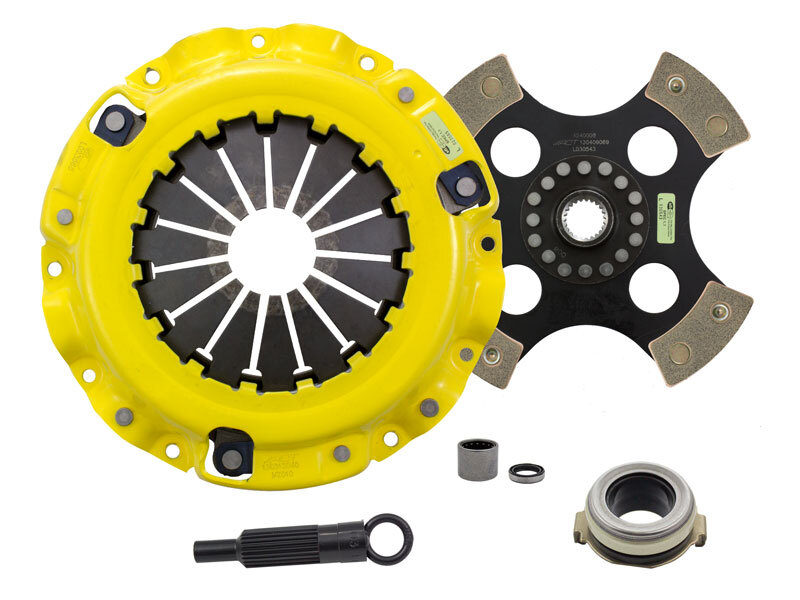
The RX-8 uses a single-disc dry clutch bolted to a flywheel on the back of the 1.3L Renesis two-rotor engine. Because a rotary makes its power high in the rev range, the clutch spends a lot of time engaging at high rpm, and a worn or weak plate lets the disc slip right where the engine is strongest. ACT's MZ010 Heavy Duty pressure plate uses a heat-treated diaphragm built to raise clamp load and limit deflection. The 3000204 disc is a 240 mm (9.4 in) organic facing with high copper content for heat transfer, a steel-backed lining for burst strength, and hub springs that soak up driveline shock. Input spline is 1 in.
ACT rates the kit at 330 ft-lb at the crank, 34 percent over the factory clutch. That is plenty for a naturally aspirated Renesis with bolt-ons and leaves margin for wear. ACT describes the feel as light to moderate pedal effort with smooth, positive engagement and little more gear rattle than stock, which is why this kit suits a car that commutes during the week and sees the occasional autocross.
Symptoms that point to a worn RX-8 clutch
- Engine speed rising faster than road speed under full throttle, most obvious in third through sixth
- The engagement point creeping toward the top of the pedal travel as the facing thins
- Shudder or chatter pulling away from a stop, often from a hot-spotted flywheel or oil on the disc
- A whir or squeal that changes when you press the pedal, the classic sign of a dry release bearing
- Grinding into gear or a hard shift into first and reverse when the clutch no longer fully releases
How to confirm the clutch is the problem
Check the clutch hydraulics first: a low reservoir, a weeping slave cylinder or air in the line can keep the clutch from fully releasing, which feels like a worn clutch when it is really a hydraulic fault. Then hold fourth gear at moderate rpm and roll into full throttle on a safe, empty road; a tach needle that jumps ahead of the speedometer means the disc is slipping. Our slipping diagnosis guide covers that test step by step, and shift flare vs. slip explains the difference between a true slip and a brief rev rise between shifts. Look for oil at the bottom of the bellhousing too, since a leaking rear seal will ruin a new disc quickly.
Fitment
The listing title names the 2004 RX-8. ACT's own application list for ZM8-HDSS runs from the 2004 Base through the 2011 GT, Grand Touring, R3 and Sport, including the 2005 Shinka and 2008 40th Anniversary Edition, all with the 1.3L Renesis. Many RX-8s have had engine or gearbox swaps, so compare your removed pressure plate and disc with the kit, or send us the year and VIN and we will confirm it before it ships. More clutch and drivetrain parts are in our rebuild kits collection.
Install notes
- In the box: MZ010 pressure plate, 3000204 sprung organic disc, RB110 release bearing, PB1013 pilot bearing and AT03 alignment tool. No flywheel is included.
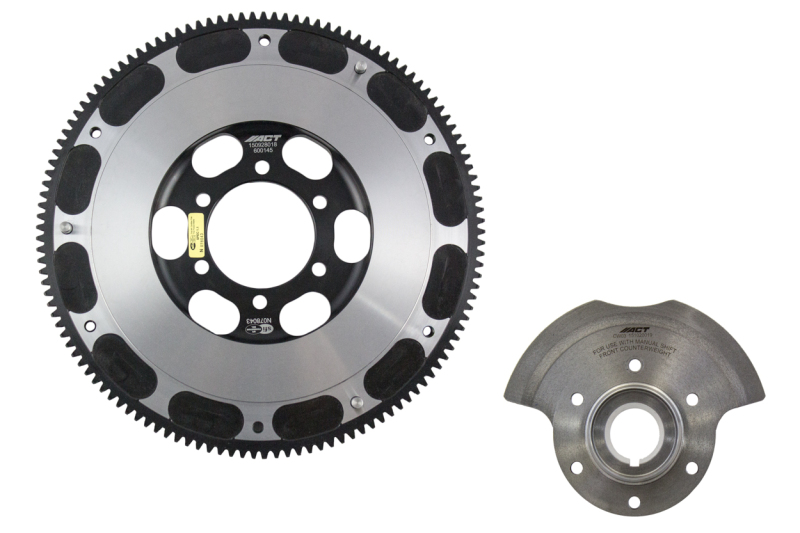
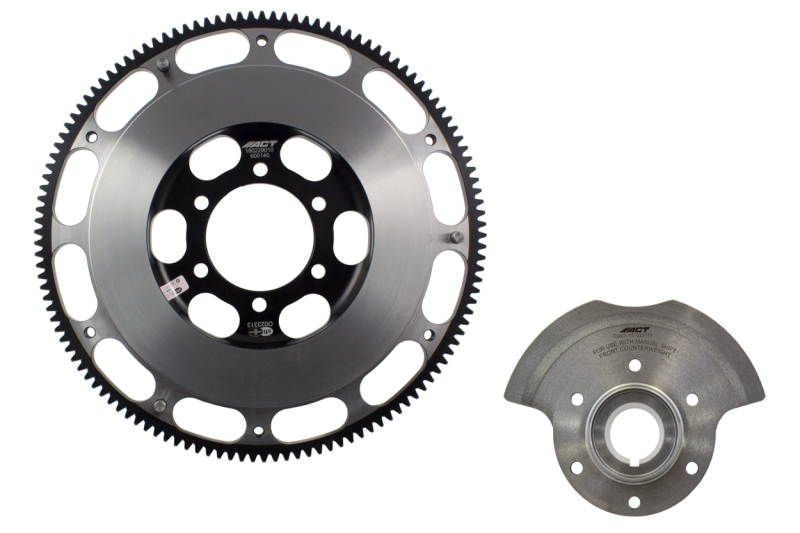
- Resurface the factory flywheel or replace it. If you move to a lightweight flywheel, ACT requires its counterweight on rotary applications, so choose a kit like the 600145-03 Streetlite with CW03 or the lighter 600140-03 Prolite with CW03.
- Center the disc with the alignment tool, snug the pressure plate bolts evenly in a crisscross pattern, then torque to the factory figure.
- Use only a light film of grease on the input splines and bearing contact points; excess grease flings onto the facing.
- Bleed the hydraulics with the brake fluid grade shown on the reservoir cap.
- ACT asks for 300 to 500 miles of gentle, stop-and-go driving before hard launches or track use so the organic facing beds in without glazing.
Making serious boost or running long track sessions? The ZM8-HDG6 uses the same plate with a six-pad ceramic disc rated at 420 ft-lb, at the cost of harsher engagement.