The ACT ZM8-HDG6 is the clutch RX-8 owners reach for once the Renesis rotary is making more than the factory clutch was meant to hold: a turbo or supercharger conversion, a track car that sees lap after hot lap, or a driver who launches hard at the drag strip. It pairs ACT's Heavy Duty pressure plate with a spring-centered, six-pad ceramic disc. If your RX-8 slips at high rpm in third or fourth, smells hot after a session, or glazed its last organic disc, this kit is built for that job.
What the ZM8-HDG6 does in an RX-8
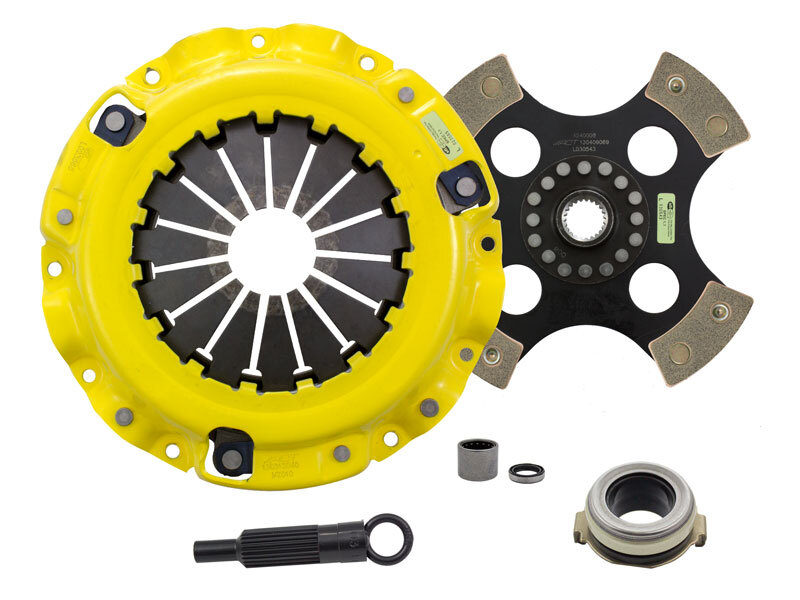
The RX-8 runs a conventional single-disc clutch between the 1.3L two-rotor engine and the manual gearbox. A rotary spins high and delivers its torque near the top of the tach, so the clutch sees long, heat-heavy engagements on track rather than big low-rpm shock. ACT's MZ010 Heavy Duty pressure plate uses a four-stage heat-treated diaphragm to raise clamp load and limit deflection, and the 6240208 disc puts six ceramic pads on a 240 mm (9.4 in) sprung hub with a 1 in input. Ceramic shrugs off heat that would fade an organic facing, and the hub springs still damp torsional vibration so the gearbox is not hammered on every shift.
ACT rates the kit at 420 ft-lb at the crank, 72 percent above the OE clutch. The cost of that capacity is engagement: ACT describes it as aggressive, with harsher take-up but faster shifts, and expects pedal effort to rise roughly 15 to 40 percent with a Heavy Duty plate. It is meant for high-horsepower street or race cars, not a stock RX-8 that lives in traffic.
Symptoms this kit is meant to fix
- Tach climbing faster than road speed at high rpm in the upper gears, worse after a boost or tune upgrade
- Burnt friction smell and soft engagement after a track session or repeated launches
- A glazed or heat-spotted flywheel face with blue marks from a slipping organic disc
- Engagement point moving higher up the pedal as the disc wears thin
- Chirping or grinding when the pedal is pressed, which points to the release bearing that this kit replaces
How to confirm before you buy
Rule out the hydraulics first. A low reservoir, a leak anywhere in the clutch hydraulics or air in the line can leave the clutch partly applied or partly released, which mimics slip and grinding. Then do a full-throttle pull in fourth from mid rpm on a safe road: if the revs flare ahead of road speed, the disc is slipping. Our slipping diagnosis guide walks through that road test, and shift flare vs. slip explains why a quick rev rise between gears is not always the clutch. If the pedal is fine but the car will not go into gear, read our clutch won't disengage guide before you order parts.
Fitment
Our listing names the 2004 RX-8. ACT's application table for ZM8-HDG6 covers every North American RX-8 year from 2004 through 2011, including the Base, Shinka, Sport, Touring, GT, Grand Touring, 40th Anniversary and R3 trims, all with the 1.3L Renesis. Rotary builds and gearbox swaps are common in this chassis, so match your old pressure plate and disc before you order, or send us your year and VIN and we will check it. Browse more RX-8 clutch and flywheel parts in our rebuild kits collection.
Install notes
- The kit includes the MZ010 pressure plate, 6240208 disc, RB110 release bearing, PB1013 pilot bearing and AT03 alignment tool. It does not include a flywheel.
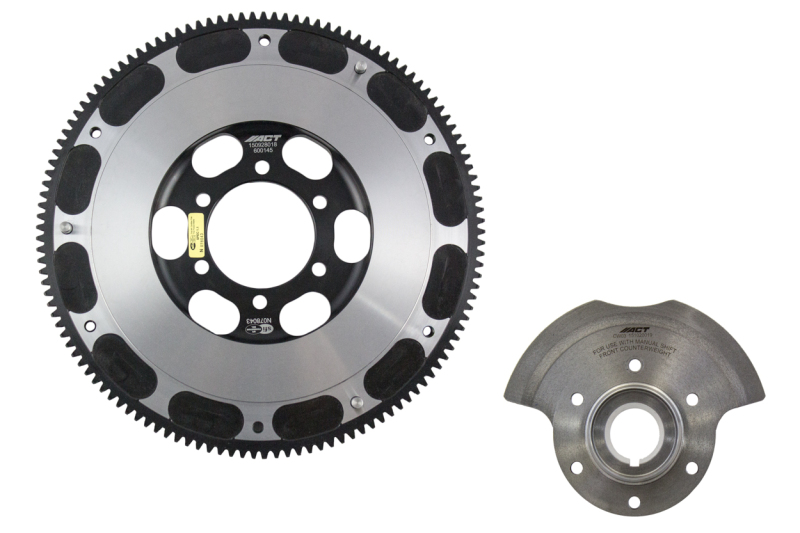
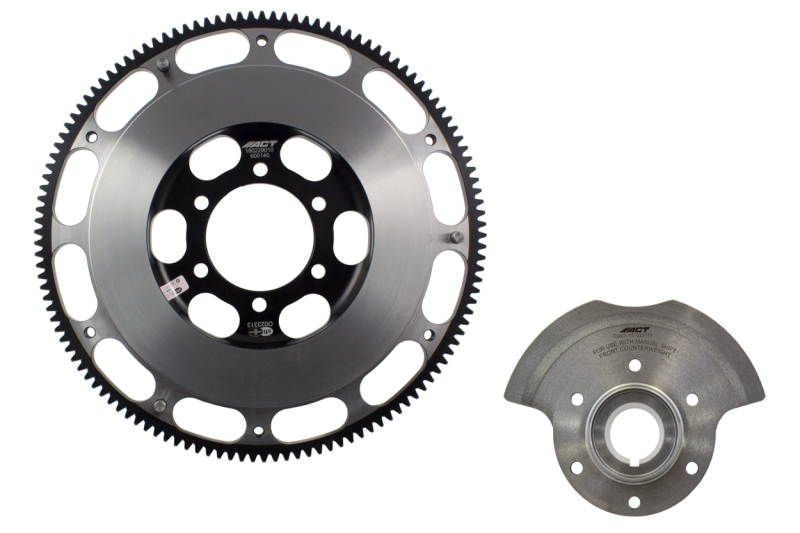
- The RX-8 rotary needs a counterweight with an aftermarket flywheel. ACT states that an ACT flywheel must be run with the ACT counterweight, which is why the 600145-03 Streetlite kit with CW03 is the matching upgrade. If you keep the factory flywheel, have it resurfaced so the ceramic pads seat on a flat, clean face.
- Center the disc with the supplied tool and torque the pressure plate bolts in a star pattern to factory spec.
- Bleed the clutch hydraulics with the fluid grade printed on the reservoir cap.
- ACT says race discs only need a few hard slips to lap in the surfaces. Avoid overheating it during that first drive.
For a street car with mild bolt-ons, the organic ACT ZM8-HDSS uses the same pressure plate with a smoother disc rated at 330 ft-lb.