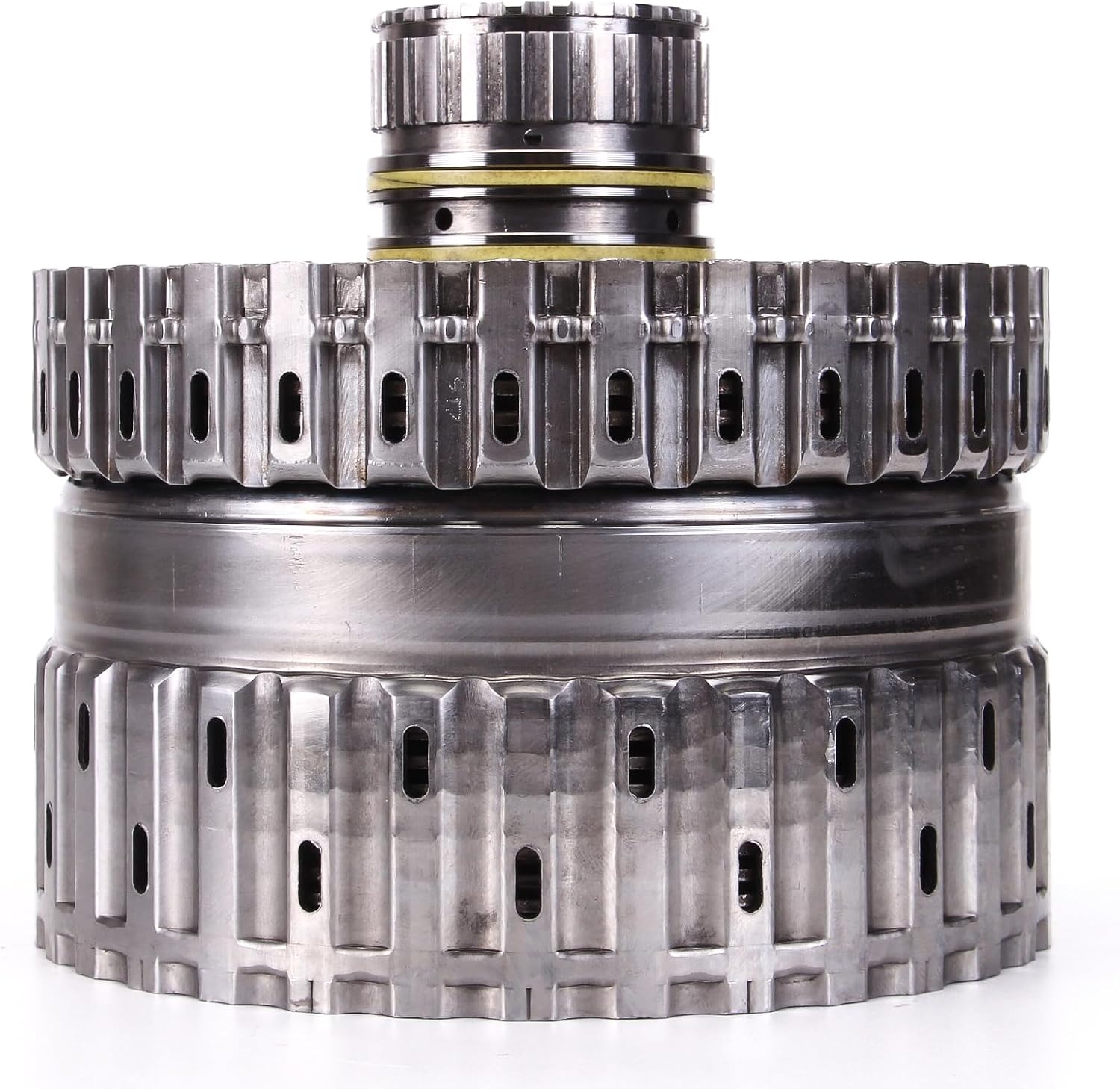
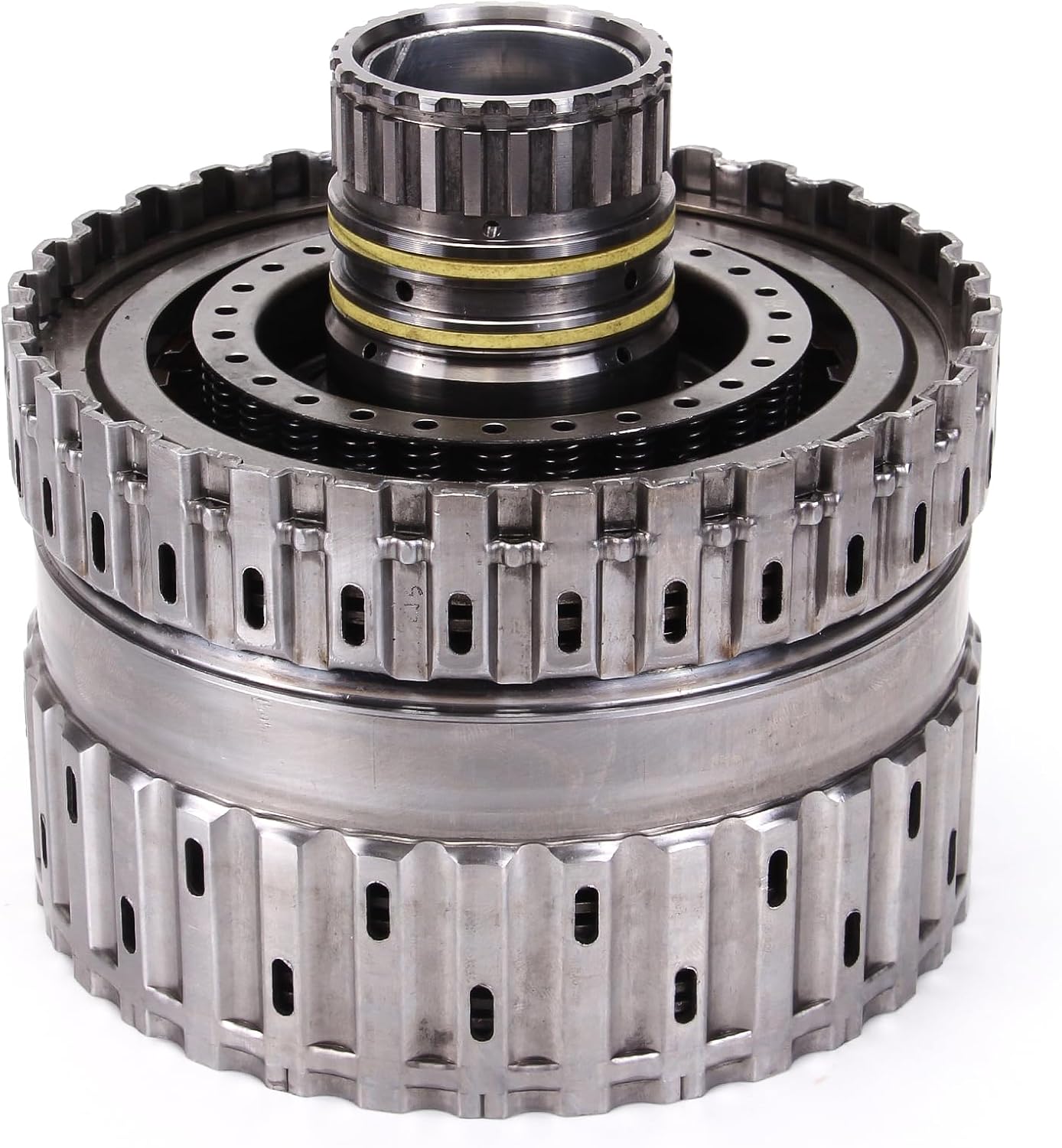
If your 2001-2008 Ford Escape or Mazda Tribute, a late Contour or Mystique, a Mercury Cougar or a Mazda 626 with the four-speed automatic slips in every forward gear, flares on the 2-3 shift, or will not pull in third and fourth, the cause is very often inside one part: the forward/coast/direct clutch cylinder of the CD4E. This listing is that assembly for the 1998-and-later design, a machined steel double drum about 11.2 pounds, with two splined clutch housings stacked on a common hub and the sealing-ring journal on top, supplied as pictured.
What the clutch drum does in a CD4E
Ford's service information describes three of the CD4E's multi-disc clutches living in this one cylinder. The forward clutch connects the turbine shaft to the outer race of the forward one-way clutch, which drives the low/intermediate sun gear in first, second and third. The coast clutch sits beneath the forward clutch and ties the same sun gear directly to the turbine shaft when you select a manual range or turn overdrive off, which is what gives you engine braking. The direct clutch connects the turbine shaft to the low/intermediate ring gear in third and fourth. Because one drum and one set of sealing rings feed three packs, a single worn journal or a cracked piston bore can take out forward drive, engine braking and the upper gears at the same time.
Symptoms of a failed CD4E forward/coast/direct drum
- Slipping or a delayed, soft engagement into Drive, worse when the fluid is hot
- Flare or neutral feel on the 2-3 upshift, or no third and fourth gear at all
- No engine braking in manual low or with overdrive cancelled (coast clutch not holding)
- Burnt fluid with friction material and fine steel in the pan
- Clutch packs that burn up again shortly after a rebuild because the drum's ring lands or piston bores were reused worn
The CD4E is also known for valve body, solenoid, pump and band trouble, and those can mimic a burnt pack by starving it of pressure, so do not assume the drum before you have checked the hydraulics.
How to confirm before you buy
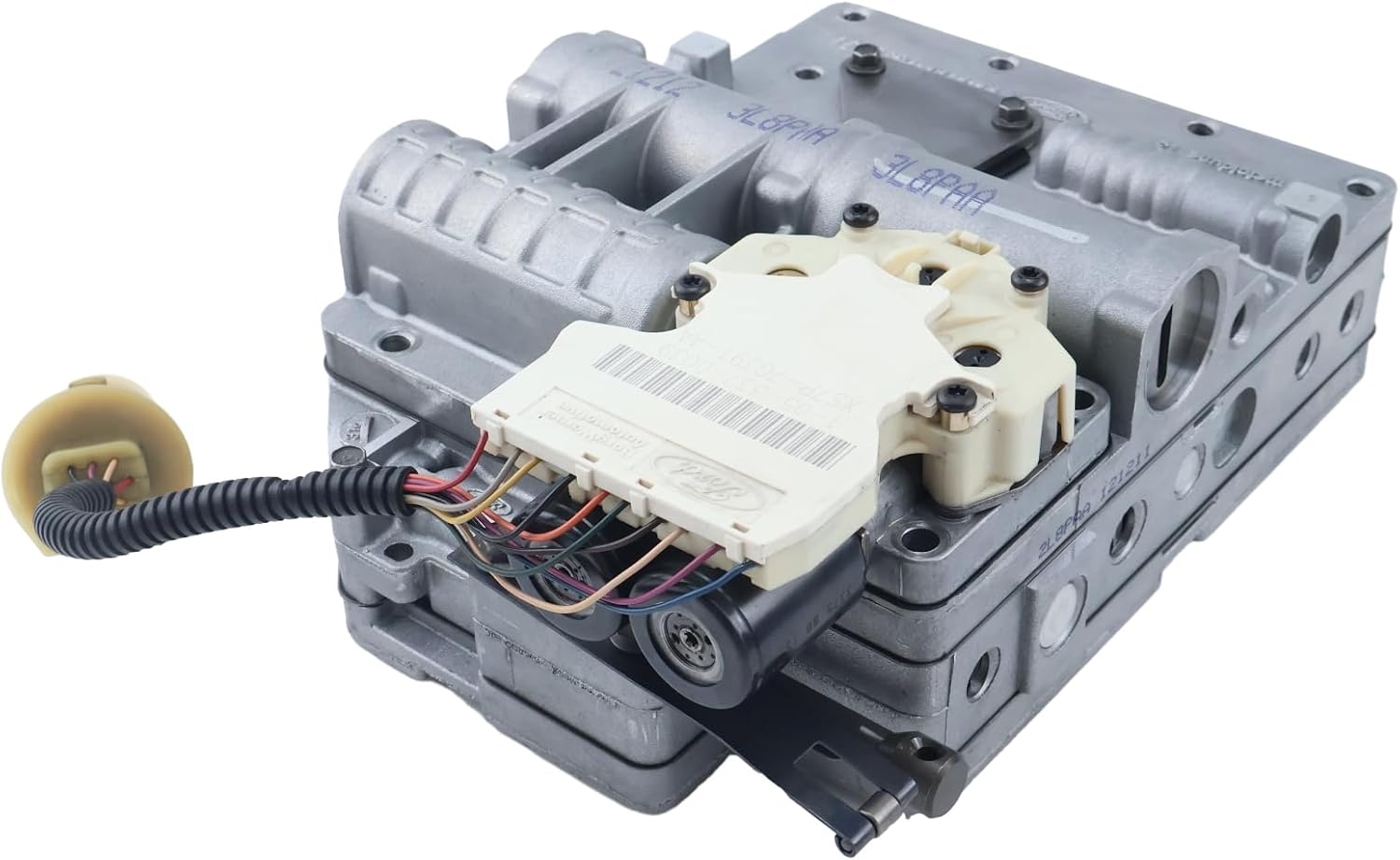
Pull the pan and look at what is in it, check the fluid level and smell, and scan for transmission codes. A road test that separates a true slip from a timing flare is laid out in our guide to shift flare versus slip, and the broader checks are in the transmission slipping diagnosis guide. With the unit apart, the drum earns replacement when you find friction material welded into the housing, cracked or hooked spline teeth, a scored piston bore, or grooved sealing-ring lands on the hub. If the drum looks clean and the problem was pressure loss, the fix may be in the valve body instead; we carry a complete CD4E valve body with solenoid block for 1998-and-up units.
Fitment
This drum is listed for the 1998-up CD4E, also called the LA4A-EL by Mazda. CD4E vehicles built in that window include the 1998-2002 Mazda 626, 1998-2000 Ford Contour and Mercury Mystique, 1999-2002 Mercury Cougar, 2001-2008 Ford Escape and Mazda Tribute, and 2005-2008 Mercury Mariner. Early 1994-1997 units (Probe, MX-6 and early 626, Contour and Mystique) used different coast clutch parts and are not covered. CD4E internals were revised several times during production, so lay your old drum next to this one and compare spline count, hub height and the sealing-ring journal before you install. If you are unsure, send us your year and VIN before ordering.
Install notes
- Clean the drum, then inspect every sealing-ring land and the bushing surfaces; install new sealing rings, never the old ones.
- Transfer or replace the forward, coast and direct pistons and their return springs. A bench spring compressor such as our T0158 clutch drum spring compressor makes the snap rings safe to remove and install.
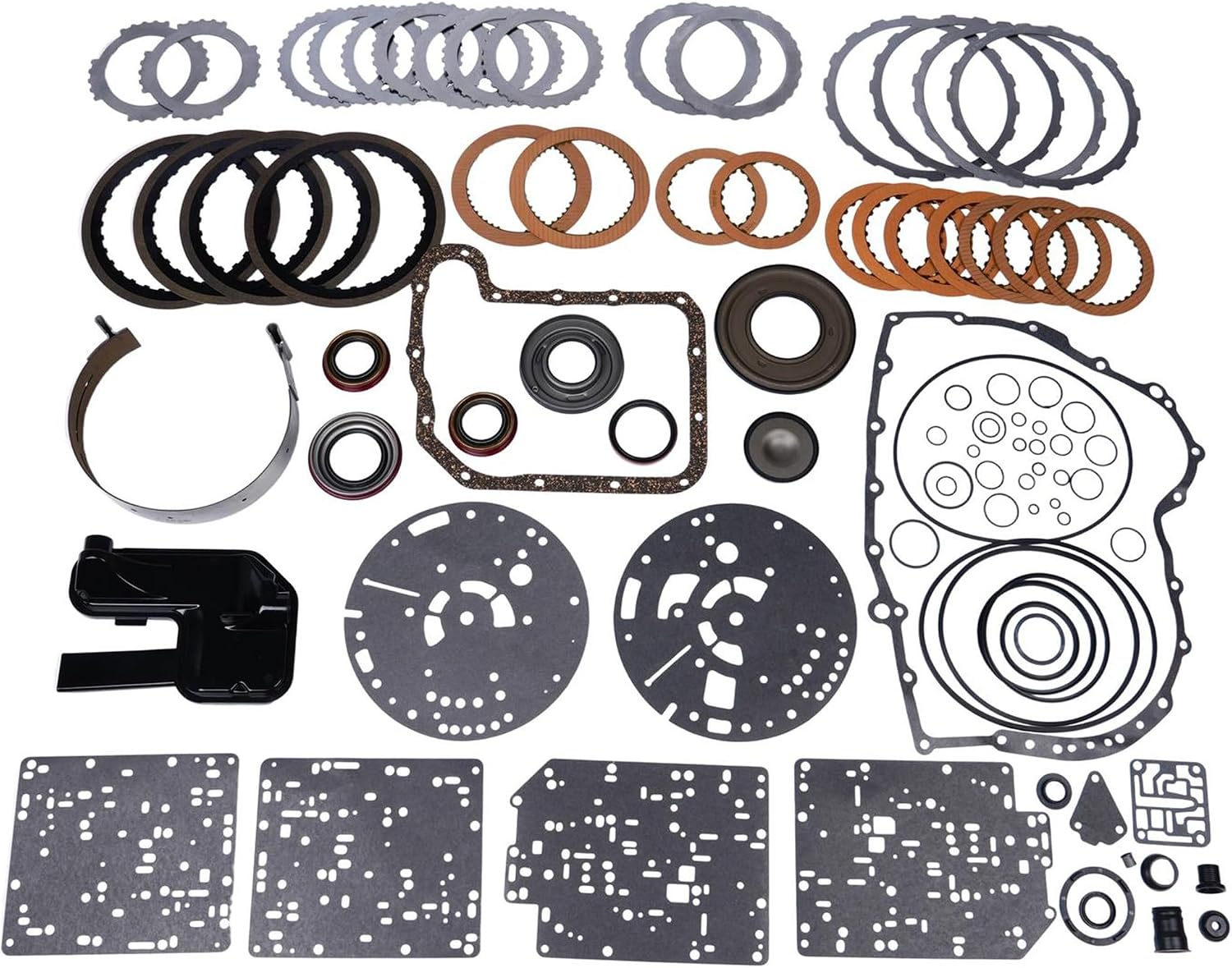
- Install new frictions and steels in all three packs; old plates in a new drum rarely last. Our CD4E master rebuild kit with pistons covers the frictions, steels, bonded pistons and seals in one box.
- Set each pack clearance to spec with the correct selective plate and air check every clutch through its feed hole before the drum goes back in the case.
- Refill with Mercon V, check the level hot, and let the transmission control module relearn shift timing over a few drive cycles.