The Exedy 16040 is a factory-style replacement clutch kit for the 1967-1974 Toyota Land Cruiser with the inline-six gas engine, the 3.9L F engine found in the FJ40 family of that era. Owners usually come looking for it when an old Cruiser starts slipping on a grade, shudders when pulling away with a load, or the pedal engages right at the top. Many of these trucks are being restored after decades of sitting or hard trail use, and a fresh OE-grade clutch is one of the first jobs once the drivetrain comes apart.
What the clutch does in an F-engine Land Cruiser
Toyota built the F series as a big cast-iron, pushrod inline-six, and it is known for making strong torque at very low engine speed. In the Land Cruiser that torque goes through a single dry clutch to the manual gearbox: a three-speed for most of this period, with a four-speed arriving in 1974. Because the engine pulls hard just off idle, these trucks spend a lot of time crawling and lugging in low gears, so the clutch sees long, slow engagements rather than high-rpm abuse. A worn disc lets the engine flare without the truck moving, and a weak pressure plate shows up first on hills and when towing.
Exedy rates its OE Replacement kits for factory power levels and designs them to run on the original flywheel. That is the right match for a stock or restored F engine. If the truck now runs a swapped V8 or a built engine, this stock-rated kit is not the part to buy.
Symptoms of a worn Land Cruiser clutch
- Engine revs rise but the truck slows on a climb or with a trailer behind it
- Shudder or judder pulling away in first or reverse, often worse when the clutch is hot
- Engagement point creeping up to the very top of the pedal
- Grinding going into first or reverse because the disc is not fully releasing
- A squeal or rumble that changes when the pedal is pressed, which usually means the release bearing
- A burnt smell after crawling a trail or backing a trailer up a ramp
How to confirm it before you buy
Check the release side first. On a truck this old, a tired master or slave cylinder, worn linkage or a sagging pedal pivot can keep the clutch from releasing or let it drag, and a new disc will not cure that. For slip, put the truck in a high gear at low speed and give it full throttle on a gentle grade: if the tach climbs without a matching gain in road speed, the disc is slipping. Our slipping diagnosis guide covers how to read that test, and the clutch slipping guide lists other causes such as oil contamination. With the gearbox out, look for engine oil from the rear main seal or gear oil from the input seal on the flywheel and bellhousing. A leak left unfixed will soak the new disc, and if the gearbox itself is noisy, read rebuild vs replace vs reman while it is out.
Fitment
This kit is listed for the 1967, 1968, 1969, 1970, 1971, 1972, 1973 and 1974 Toyota Land Cruiser with the L6 gas engine. Toyota replaced the F engine with the 4.2L 2F in 1975, so later trucks are a different application and are not covered by this listing. Land Cruisers of this age have often had engines, gearboxes or bellhousings swapped, so compare your old disc diameter, spline count and pressure plate bolt pattern before ordering, or send us the year, VIN and engine and we will check it. More clutch parts are in our rebuild kits collection.
Install notes
- Exedy says most OE kits include the pressure plate, disc, release bearing, pilot bearing or bushing, an alignment tool and grease. Check the box against your old parts before you start.
- Exedy requires the flywheel to be resurfaced or replaced for warranty, so send it to a machine shop while the gearbox is out.
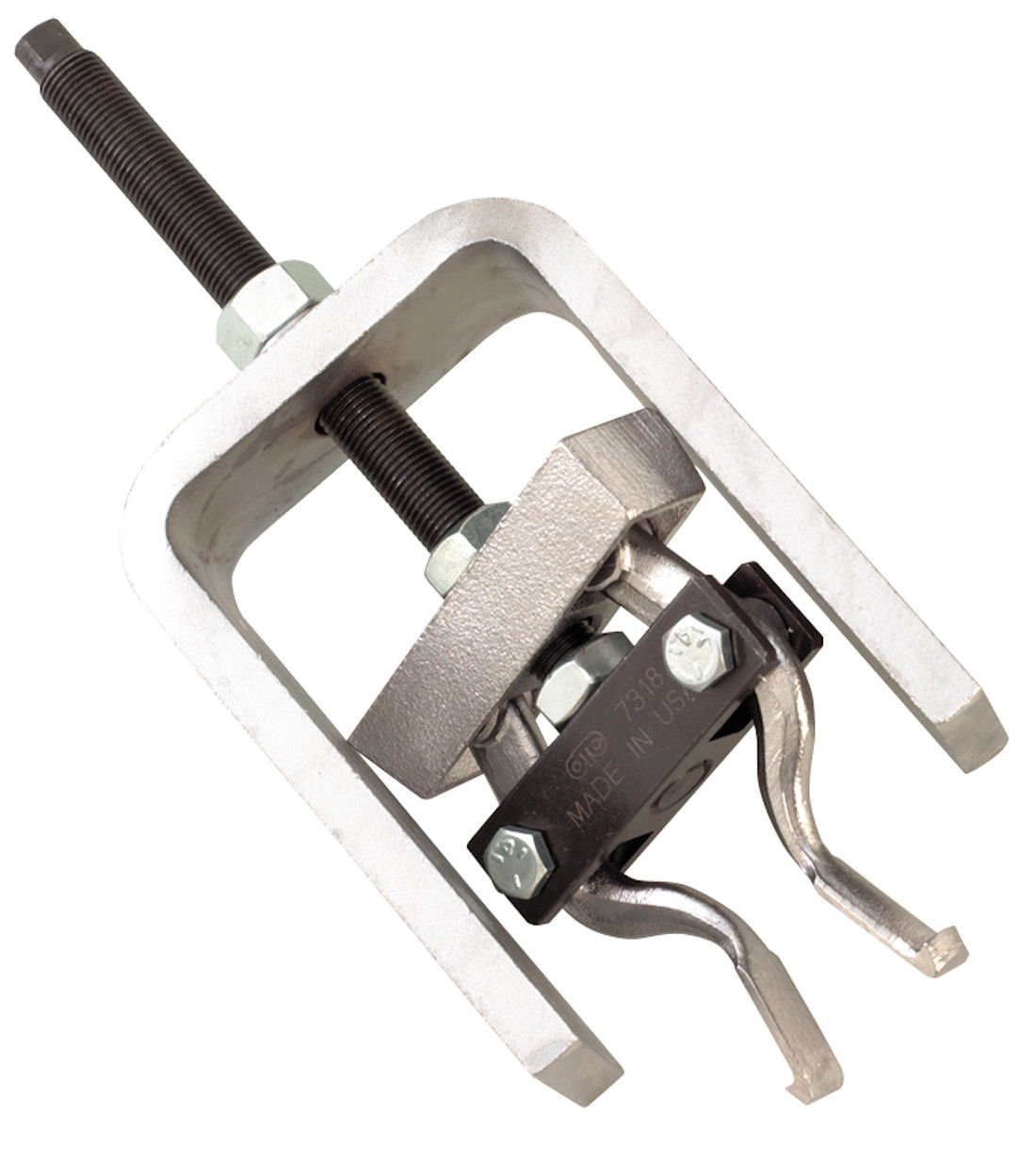
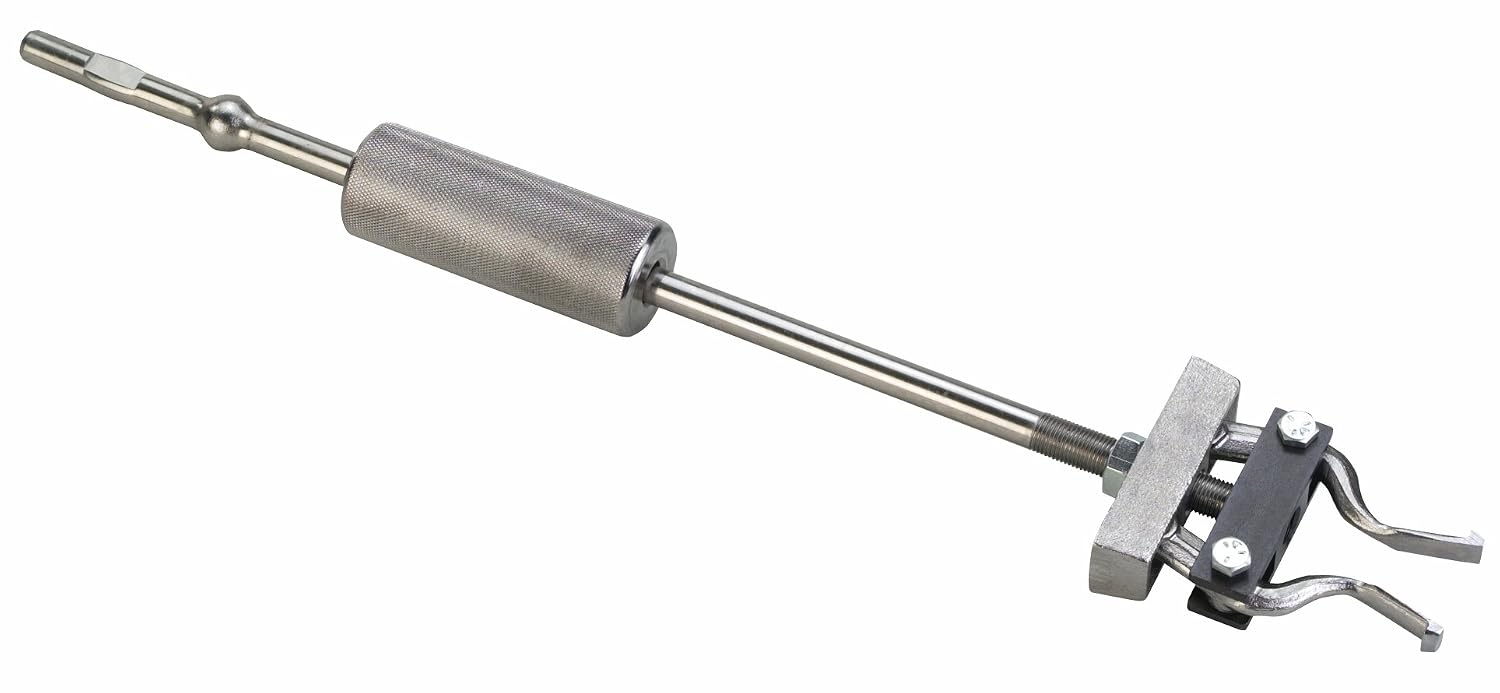
- Pull the old pilot bearing or bushing from the crank. The OTC 7318 puller handles most bearings, and a slide hammer type helps with a seized bushing.
- Center the disc on the pilot with the supplied tool or a clutch alignment tool kit, then tighten the pressure plate bolts evenly in a star pattern to the Toyota spec.
- Lightly grease the input splines and release bearing contact points, then adjust or bleed the release system so the pedal has correct free play.
- Exedy asks for 500 city or 1,000 highway miles of easy driving to break it in: no high-rpm shifts, no quick shifts and no launching.
The 16040 is new, in stock, ships from the USA the same business day and is backed by a 1-year warranty.