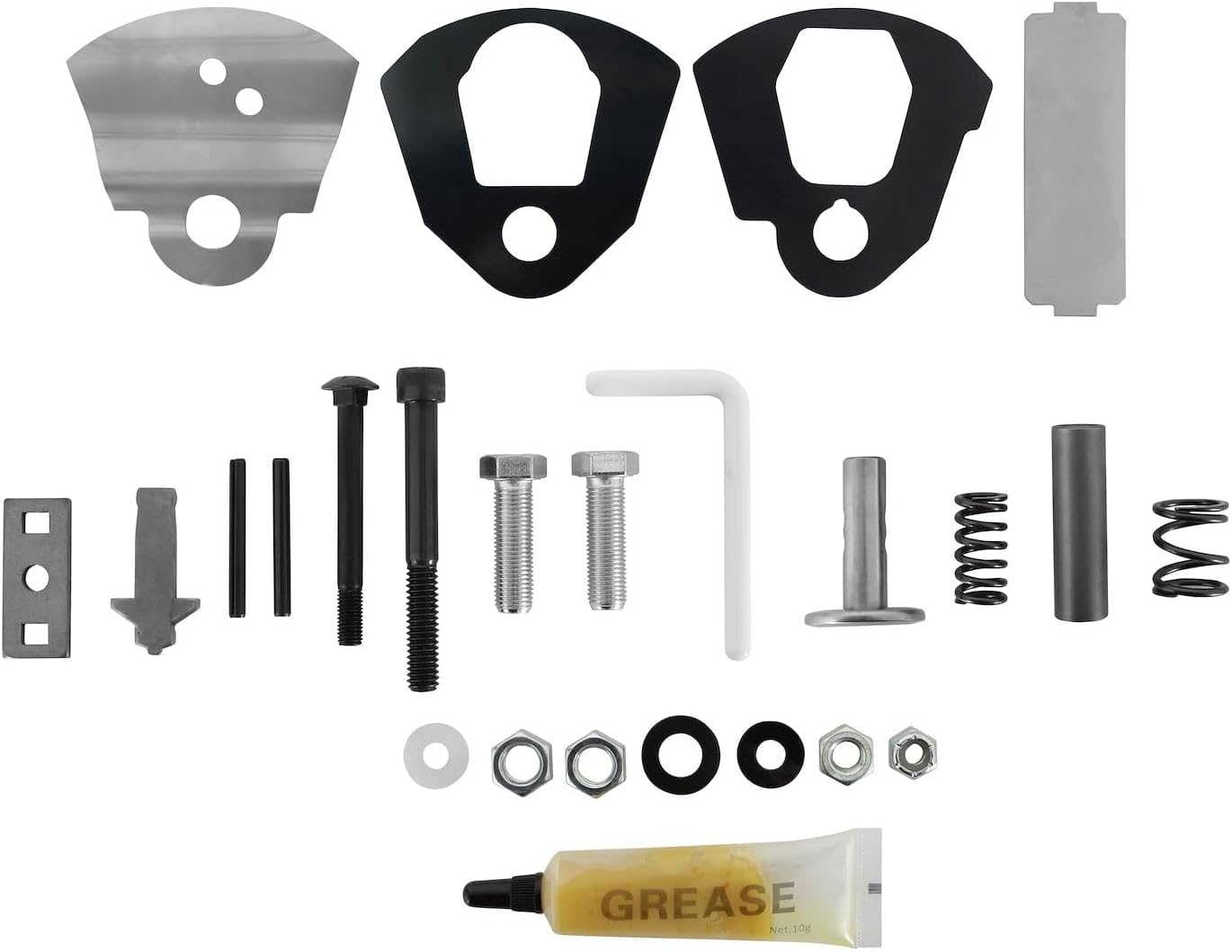
If the four-speed in your muscle car has a Hurst Competition/Plus shifter that flops between gates, hangs on the 1-2, or lets reverse go in too easily, the mechanism inside the housing is worn out. Hurst's own master rebuild kit, part number 3327303, carries every wear part needed to rebuild a 1966-or-newer Competition/Plus, so the shifter comes back tight and positive without hunting down a used core.
What the kit replaces in a Competition/Plus shifter
A Comp/Plus is a stack of three shift levers (1-2, 3-4 and reverse) sandwiched with thin plates inside a steel housing. The stick rides in a receiver and carrier that pivot on a bushing, and a selector plunger picks which lever the stick is driving. The interlock plate keeps two levers from moving at once, a reverse safety plate and spring-loaded reverse plunger make you deliberately lift or push to get reverse, and a wave plate keeps the stack tight. Hurst's parts list for this kit is the neutral alignment pin, pivot bushing, two 0.008 in wave plates, the 0.042 in interlock plate, the 0.015 in reverse safety plate, dust cover, stop screws and jam nuts, selector and reverse plungers, bridge plate, nylon washer, locknut, spring washer, reverse spring washer, stick return and reverse springs, carriage bolt, roll pins, a tube of grease and a jackscrew with nut for spreading the housing. You reuse your housing, cover plate, carrier, receiver and the three shift levers.
Symptoms of a worn Comp/Plus
- Stick wobbles side to side in gear and feels vague between gates
- Stick does not return to the 3-4 plane on its own (tired return spring)
- Reverse goes in without the lockout, or will not go in at all
- Shifter catches between gears or feels notchy when you rush a shift
- Two gears can be selected at once, a worn interlock plate that can damage the transmission
How to confirm it is the shifter
Disconnect the shift rods at the shifter and work the transmission levers by hand. If each gear selects cleanly at the transmission, the trouble is in the shifter or its rods and bushings. If the box still grinds or jumps out of gear with the shifter off, look at synchros, the clutch and the gear set instead; for a GM four-speed that may mean a Muncie synchro and bearing kit rather than a shifter rebuild. Our manual versus automatic repair cost guide shows what each kind of repair usually costs.
Fitment
Hurst lists this kit for Competition/Plus four-speed shifters from 1966 on. The shifter mechanism is common, but the shift levers differ between models, and the brackets and rods that suit a particular transmission come in a separate Hurst installation kit. This rebuild kit does not include levers, rods or a bracket. Look for the Competition/Plus name on the housing before ordering, photograph your lever positions before you take it apart, and if you are not sure what you have, send us a photo. For other gearbox hardware, see our hard parts category.
Install notes from the Hurst procedure
- Wear safety glasses: the stick return and reverse springs are under compression and can fly out during carrier disassembly and assembly.
- Spread the housing with the included jackscrew to remove the cover plate, then lift the internals out as one stack and note each plate's orientation.
- Reassemble in order: reverse safety plate (notch to the front), reverse lever, interlock plate (clipped corner to the rear), 1-2 lever, 3-4 lever, then one or two wave plates, matching what came out. Grease every contact surface.
- Tighten the bridge plate locknut only until it is flush with the carrier; overtightening pulls the housing sides in.
- Use the neutral alignment pin to set shift rod length, or you risk transmission damage. Replace worn shift rod bushings at the same time.
- Set the 3rd and 4th stop screws with the stick held in gear: run each in to contact, back out one turn and lock the jam nut.
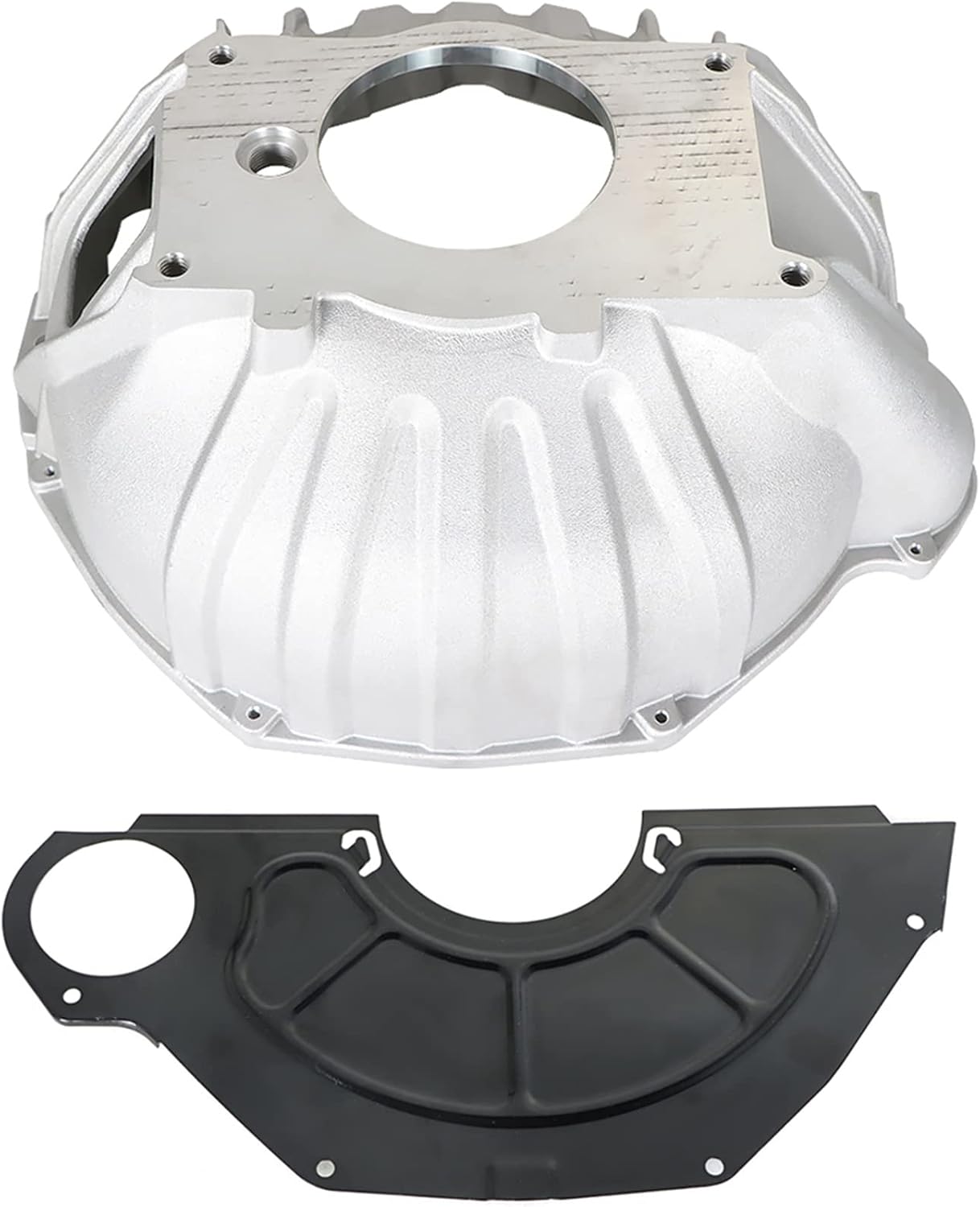
If you are refreshing the whole drivetrain on a GM four-speed car, a Muncie four-speed bellhousing and the McLeod hydraulic release bearing are the other pieces that wear in the same area.