A 4G63-powered Lancer Evolution that has been turned up past stock boost will eventually find the limit of a single-disc clutch: the revs flare in third and fourth at full boost, the car smells hot after a few pulls, and the engagement point creeps toward the top of the pedal travel. The XClutch XKMI23522-2A is a twin-disc answer to that problem for the 1997 Lancer Evolution IV 2.0L turbo. It is a 10.5in, two-plate kit with sprung organic friction discs, built for a car that still has to idle through traffic and pull away cleanly, not only make passes at the strip.
What this twin-disc clutch kit does in an Evo IV
The Evo IV pairs the turbocharged 4G63 with a five-speed manual and full-time all-wheel drive, so every launch loads the clutch with the whole drivetrain at once. A twin-disc clutch splits the clamping job across two friction discs with an intermediate plate between them. Doubling the friction faces raises torque capacity without needing a brutally heavy pedal or an on-off ceramic puck that chatters in a parking lot.
XClutch sorts its range by stage. This part number carries the -2A suffix, which XClutch places in its Stage 4 group: organic multi-disc kits, offered in 9.00in or 10.5in with rigid or sprung hubs, and recommended for very high powered street vehicles. The sprung hub matters on a street Evo. Springs in the hub let it move a little before the friction material takes the full load, which smooths takeoff and softens the shock that would otherwise go straight into the five-speed and the center and rear differentials.
Symptoms that say the current clutch is done
- RPM rises without matching road speed under boost, usually first in the higher gears
- A burnt friction smell after a few hard pulls or a launch
- Engagement point high on the pedal, or a pedal that feels different than it did a month ago
- Judder or chatter as the car pulls away from a stop
- Grinding or reluctance going into first or reverse because the clutch is not fully releasing
Slip does not set a trouble code on its own. If an engine light is on, deal with that first, because a boost or fueling fault can feel like a weak clutch, and a misfire under load is easy to confuse with slip.
How to confirm it before you buy
Do a slip test in a high gear at moderate speed: roll into full throttle and watch the tachometer. If revs jump ahead of road speed, the clutch is slipping. Then check the hydraulic side. A low or contaminated clutch fluid reservoir, a weeping master or slave cylinder, or air in the line can stop the clutch from releasing fully and mimic a worn disc. Once you know the clutch has to come out, our manual versus automatic repair cost guide covers the labor side so you can budget for the whole job, not just the part.
Fitment
This listing is titled for the 1997 Mitsubishi Lancer Evolution IV with the 2.0L turbo. The Evo IV was built for the Japanese market, so cars in the US are imports and their history is not always known. XClutch's application data for the same part number also lists the 2003-2006 Lancer Evolution sold here, so if you have a later US car, or a IV that has been swapped or modified, match the input spline and release style of your gearbox before ordering, or send us the year and VIN and we will check it against the kit. Other 4G63 Evo options we carry include the Exedy Hyper Twin for 1996-2006 Evolutions and, for a lightly modified car, the Exedy Stage 1 organic kit for the Evo IV.
Install notes
- Check the box contents against the packing list when it arrives. XClutch varies what each kit includes by application, and a flywheel is only in some kits. If yours does not include one, the factory flywheel must be resurfaced or replaced; XClutch voids its warranty without proof of that. A chromoly unit such as the McLeod Evo IV-VIII flywheel is one route, but confirm it suits this twin-disc pressure plate first.
- Replace the release bearing and pilot bearing while the gearbox and transfer case are out.
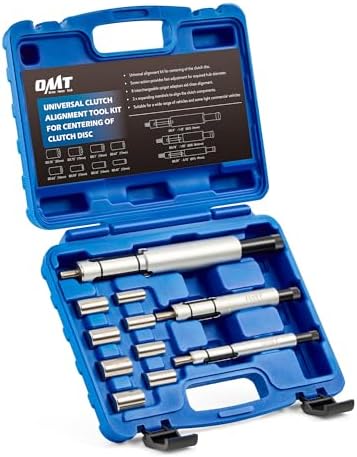
- Center both discs with an alignment tool and keep the discs and intermediate plate in the orientation shown in the instructions. A universal clutch alignment tool kit helps if the kit tool goes missing.
- Torque the pressure plate bolts evenly in a cross pattern, then bleed the hydraulics with fresh fluid. XClutch says DOT 3 or better is fine for the street, DOT 4 or 5.1 is better for performance use, and DOT 5 must never be mixed in.
- Bed it in: XClutch asks for gentle driving and low-rpm engagements for the first 1,000 km, about 620 miles, with no hard launches.
Expect a little more driveline noise than a single-disc setup. XClutch notes twin-plate clutches can rattle when the pedal is pressed because the intermediate plate floats, which is normal behavior, not a defect.