A 62TE that will not move in any gear looks like the worst kind of call: the pedal does nothing, the van just sits there in Drive or Reverse revving free, and the first word out of most people's mouths is "converter." That instinct is understandable and it is usually wrong. ATRA's own technical writeup on 62TE comebacks makes a point of listing several cheaper, faster-to-check items ahead of the torque converter, and Transmission Digest's field case files back that order up with real cooler-line and fluid-intake tests you can run before a single bolt comes out of the pan.
This is the checklist that actually finds the fault, in the order that wastes the least time and money.
Start With the Install Basics, Not the Converter
Gears Magazine's 62TE delivery checklist is blunt about where shops waste time: a no-move complaint usually gets blamed on the torque converter first, and that is often the wrong starting point. Before the unit comes back out, the checklist calls for ruling out, in this order:
- A stripped axle, or an axle that popped out of the differential side gear. A quick lift check with the drive wheels off the ground will show this immediately — one side spins free with no resistance.
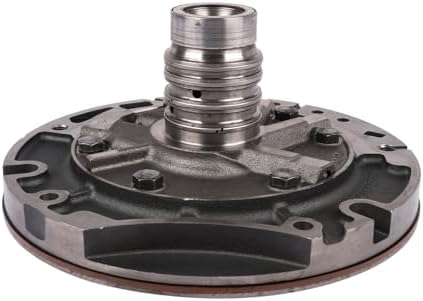
- Broken pump gear(s). This kills hydraulic pressure to everything downstream, including the converter.
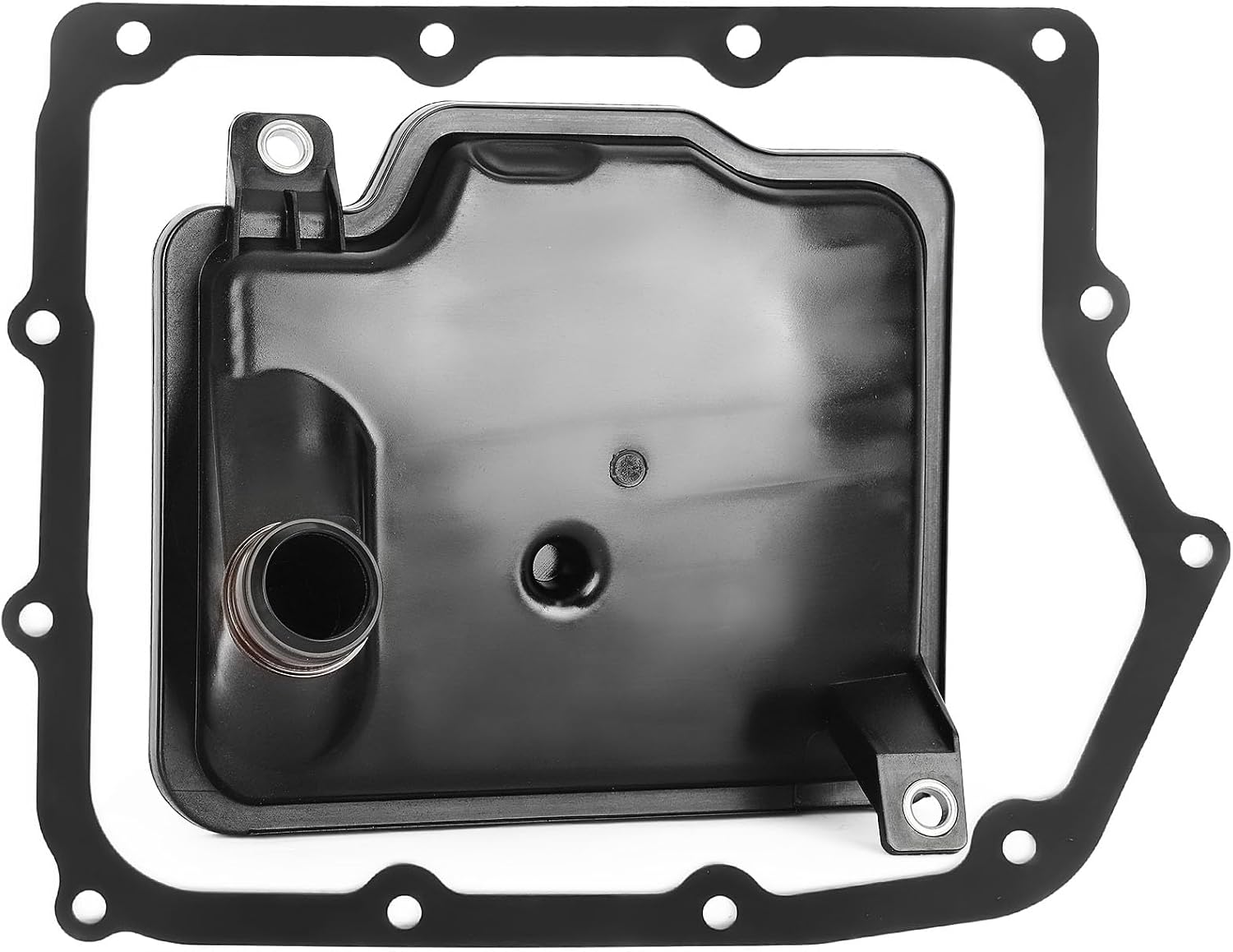
- A restricted or leaking main sump filter. Either one starves the pump of the volume it needs to build line pressure.
- Low fluid level. Aerated or simply insufficient fluid will not let the pump charge the system, and it mimics several of the failures below.
- Stripped splines between the torque converter and the input shaft. This is the one everyone assumes first, and per the checklist it is "not necessarily" the converter even when the complaint points that way.
Two quick checks confirm or rule out the cheap stuff fast: pull a cooler line to confirm the pump is actually drawing and moving fluid, and do the lift check on the differential. If both pass, the fault is internal, and it still is not automatically the converter.
The Fluid-Intake Test That Catches a Bad Pump in Minutes
Transmission Digest's field writeup on 62TE no-move cases gives a specific, repeatable test that works whether the unit is freshly installed or has been in the van for years. Fill the transmission and watch how much fluid it actually takes. A unit that draws in only about four quarts and then stays full is not pulling fluid through the system — that points straight at the filter or the pump, not at anything downstream. A poor install where the converter did not fully seat into the pump drive is cited as a common real-world cause of exactly this symptom on a fresh install or after a transmission swap.
If the pump is drawing fluid the way it should, the next test is the converter charge circuit. Pull the cooler return line and check for flow with the engine running. No flow there means the converter is not being charged, and Transmission Digest traces that circuit back to the pressure regulator valve — whether that specific valve can be serviced with the transmission still in the vehicle depends on where it sits in a given 62TE casting, so this is the point where you decide between an in-car fix and a pull.
The Failure Almost Nobody Checks: a Dislodged Case Check Ball
This is the one that burns the most diagnostic time because it hides in plain sight. Gears Magazine documents a check ball near the pan rail that is peened into the case to seal a mainline pressure passage. If that ball works loose and ends up in the pan, mainline pressure bleeds off through the open passage and the transmission will not move in any gear — with no codes, no unusual pressures anywhere else you can test, and a pump and converter that both check out fine.
The tell is simple: drop the pan and look for a loose steel ball sitting in the fluid or stuck to the magnet. If you find one, that is your no-move problem, full stop. The fix is not to try to reseat or re-peen the original ball back into the case — tap the vacated hole to 1/8 inch pipe thread and install a pipe plug with permanent thread locker instead. The checklist notes a 5R55W fill plug works for this and will not interfere with the pan.
Internal Failures: Splines, Pump Gears and the Compounder
Once the basics and the check ball are ruled out, the remaining causes are mechanical and usually mean the unit is coming out. On the bench, beyond the converter-to-input-shaft splines already checked, inspect the splines between the transfer gear and the transfer shaft — Gears Magazine calls these out specifically and recommends checking spline areas on every disassembly, not just when there is a complaint.
The 62TE's second gear unit, commonly called the compounder, is its own failure point. The checklist ties DTCs P0732 and P0735 (gear ratio incorrect codes) to a likely compounder failure and recommends monitoring countershaft speed sensor data to confirm it. Because compounder failures do not always announce themselves with obvious damage, the recommendation is to fully disassemble the compounder on every rebuild, even on a low-mileage core, and inspect the bearings, splines, ring lands, ring surfaces, drums and snap ring grooves. When the compounder needs replacing, Gears Magazine references the complete factory-updated assembly under Mopar part number 05078815AD, which includes an updated Low Clutch drum with locking rings.
Worth knowing before you condemn a sensor circuit: Transmission Digest's own case files show how easy it is to misread a spline failure as something electrical. In one documented case, a rebuilt 62TE in a Town & Country came back with good line pressure but two stored codes — P0721 (output speed sensor performance) and P0731 (first gear incorrect ratio). The lead suspect looked electrical, but the output speed sensor's confused signal turned out to be a symptom, not the cause: the real finding was stripped splines on the center shaft. The lesson carries over directly to a no-move complaint — a ratio or speed-sensor code does not clear a shaft or spline failure from the list, it just tells you where the signal got scrambled.
When It's a Sensor, Not the Transmission
Not every "it won't move" call is hydraulic or mechanical. The transmission range sensor (TRS) tells the TCM which gear the shifter selected, and it also gates the starter. Transmission Digest documents a 62TE-specific failure point: the sensor's plastic indicator tab can break during a valve body service or rebuild, and when it does, the sensor sends an erratic signal that disagrees with the TCM's expected open and closed ranges. That mismatch sets code P0706 and can produce symptoms that read like the transmission itself has failed — including a no-crank condition in Park — when the hydraulic side is actually fine. Because that tab is fragile, check it specifically any time the valve body has been out, rather than assuming the sensor you just reused is good.
Fluid: ATF+4, Checked Before Anything Else
The 62TE is built around Chrysler's ATF+4 fluid, which carries the MS-9602 material specification. Mobil's own ATF+4 product data sheet confirms the MS-9602 approval directly and is explicit that this fluid is not a substitute situation in reverse either — it states plainly that ATF+4 is not recommended for vehicles that call for a Ford Mercon or GM Dexron type fluid, and the same logic cuts the other way on a 62TE. A low or aerated fill will not let the pump build and hold line pressure, which is exactly why fluid level sits near the top of ATRA's own no-move checklist rather than at the bottom. Confirm level and condition before you chase anything downstream of the pan.
Repair Order That Does Not Waste a Removal
- Check fluid level and condition first. Low or badly aerated fluid can produce a no-move complaint on its own.
- Lift check the drive wheels to rule out a stripped axle or an axle popped out of the differential.
- Pull a cooler line and watch fluid intake on a fill, or confirm flow on a unit already in service — a pump or filter problem shows up immediately.
- Check the cooler return for converter-charge flow. No flow means the pressure regulator valve or the converter charge circuit, not the clutches.
- Scan for P0706 and inspect the range sensor's indicator tab if the unit has been serviced before.
- Drop the pan and look for a loose check ball before you pull the unit for anything else.
- On the bench, inspect converter-to-input-shaft and transfer-gear-to-transfer-shaft splines, and fully tear down the compounder regardless of visible damage.
- Watch for P0732/P0735 as compounder indicators, and replace with the updated assembly (Mopar 05078815AD) when it is the compounder at fault.
After the Repair: the Relearn Still Matters
A no-move fix does not end when the van drives out of the bay. If engagement into Drive is harsh afterward, Gears Magazine's post-rebuild procedure notes that Quick Learn and a handful of test-drive miles will not necessarily fix it on their own. The procedure: monitor transmission fluid temperature on a scan tool, warm the fluid to 90°F (32°C), accelerate to 10 mph (16 kph) in Drive, come to a full stop, shift to Neutral for three seconds, then back to Drive for three seconds, and repeat as needed while keeping fluid temperature near that 90°F mark for the learning process to continue.
62TE Master Rebuild Kit with Steels & Friction Module, 2007-Up →
Need parts for this job?
Oil pump assemblies, filter and gasket kits, solenoid packs, range sensors and full rebuild kits for the Chrysler 62TE, priced for shops and shipped from the USA.
Shop 62TE parts →FAQ
What causes a 62TE to have no movement in any gear?
ATRA's own rebuild checklist for the 62TE puts a stripped axle, broken pump gears, a restricted or leaking main filter, and low fluid ahead of the torque converter on the list of things to check. Only after those basics check out, and the converter-to-input-shaft splines are confirmed good, does the fault get treated as a true internal failure.
How do you tell if a 62TE no-move is the pump or the converter?
Pull a cooler line and check for flow. Transmission Digest's diagnostic writeup notes that a fresh install which only takes about four quarts and stays full is not drawing fluid, which points at the filter or the pump. If the pump is drawing fluid normally, check the cooler return line for flow to confirm the converter charge circuit, which starts at the pressure regulator valve, is actually supplying the converter.
Can a bad range sensor cause no movement on a 62TE?
A failed or misadjusted transmission range sensor will not physically block fluid flow, but it can produce a no-crank in Park or an erratic gear signal that looks like a dead transmission from the driver's seat. Transmission Digest documents the sensor's plastic indicator tab breaking during a rebuild, which sends a false signal and sets P0706 instead of a clean range fault.
What is the case check ball problem on the 62TE?
Gears Magazine documents a dislodged check ball near the pan rail that is peened in place to seal a mainline pressure passage. If it works loose, mainline pressure bleeds off and the unit will not move in any gear. The fix in the field is to tap the vacated hole to 1/8 inch pipe thread and install a pipe plug with thread locker rather than trying to reseat the original ball.
What fluid does the 62TE take and can low fluid cause a no-move condition?
The 62TE is built for Chrysler ATF+4, which carries the MS-9602 specification, and Mobil's own ATF+4 product data confirms that approval along with a warning not to substitute a Dexron or Mercon fluid. Fluid that is low enough aerates the pump feed, and ATRA lists checking fluid level as one of the first steps on any 62TE no-move complaint before internal parts are blamed.
Sources
- Gears Magazine (ATRA) — "Six-Speed Success: 62TE Things to Do to Deliver Them Right the First Time," 2022. Backs the no-move checklist order (stripped axle, broken pump gears, restricted/leaking filter, low fluid, converter-to-input-shaft splines), the differential lift check and cooler-line fluid check, the transfer gear-to-transfer shaft spline inspection, the case check ball failure and the tap-and-pipe-plug fix, the compounder DTCs P0732/P0735 and teardown recommendation, the Mopar compounder assembly part number 05078815AD, and the post-rebuild harsh-engagement relearn procedure (90°F fluid temperature, 10 mph, Neutral-to-Drive cycling). gearsmagazine.com
- Transmission Digest — "Another 62TE 'No-Move' Possibility." Backs the fluid-intake test on a fresh install (a unit that only takes about four quarts and stays full points at the filter or pump), the poor-install/converter-not-seated cause, the cooler-line flow test to confirm converter charge, and the explanation that the converter charge circuit starts at the pressure regulator valve. transmissiondigest.com
- Transmission Digest — "Can Diagnostic Codes Tell the Whole Story?" Backs the case study of a rebuilt 62TE Town & Country that set P0721 and P0731 with good line pressure, where the output speed sensor's erratic signal was traced to stripped splines on the center shaft rather than an electrical fault. transmissiondigest.com
- Transmission Digest — "Explaining Fault Code P0706 on the 62TE: Incorrect Message Sent." Backs the transmission range sensor's plastic indicator tab breaking during service, the resulting erratic signal, and code P0706 as the 62TE-specific failure signature. transmissiondigest.com
- Mobil — ATF+4 Product Data Sheet. Backs the 62TE's ATF+4 fluid requirement, the Chrysler MS-9602 specification it meets, and the warning against substituting a Dexron or Mercon-type fluid. mobil.com