A P2764 on a 66RFE almost always gets read the same way: swap the TCC solenoid, clear the code, hand the truck back. Half the time that truck is back in a week with the same light on. The code only tells you the TCM saw a voltage on the TCC pressure control circuit that sat below where it should have been - it does not tell you whether that is an electrical fault or a hydraulic one wearing a mask.
The 66RFE is the gas-engine member of Chrysler's RFE family, built in the 545RFE case with 68RFE internals and the same TCC control hardware Sonnax treats as one platform alongside the 45RFE, 545RFE, 65RFE and 68RFE. That matters here because almost everything documented about TCC pressure control on this family - the hydraulics, the wear points, the parts - was written and tested across those shared components, not as five separate stories.
Related reading: 66RFE torque converter lockup shudder fix and 66RFE valve body symptoms and testing.
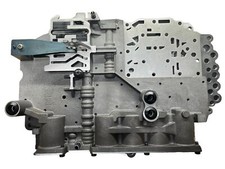
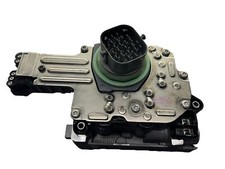
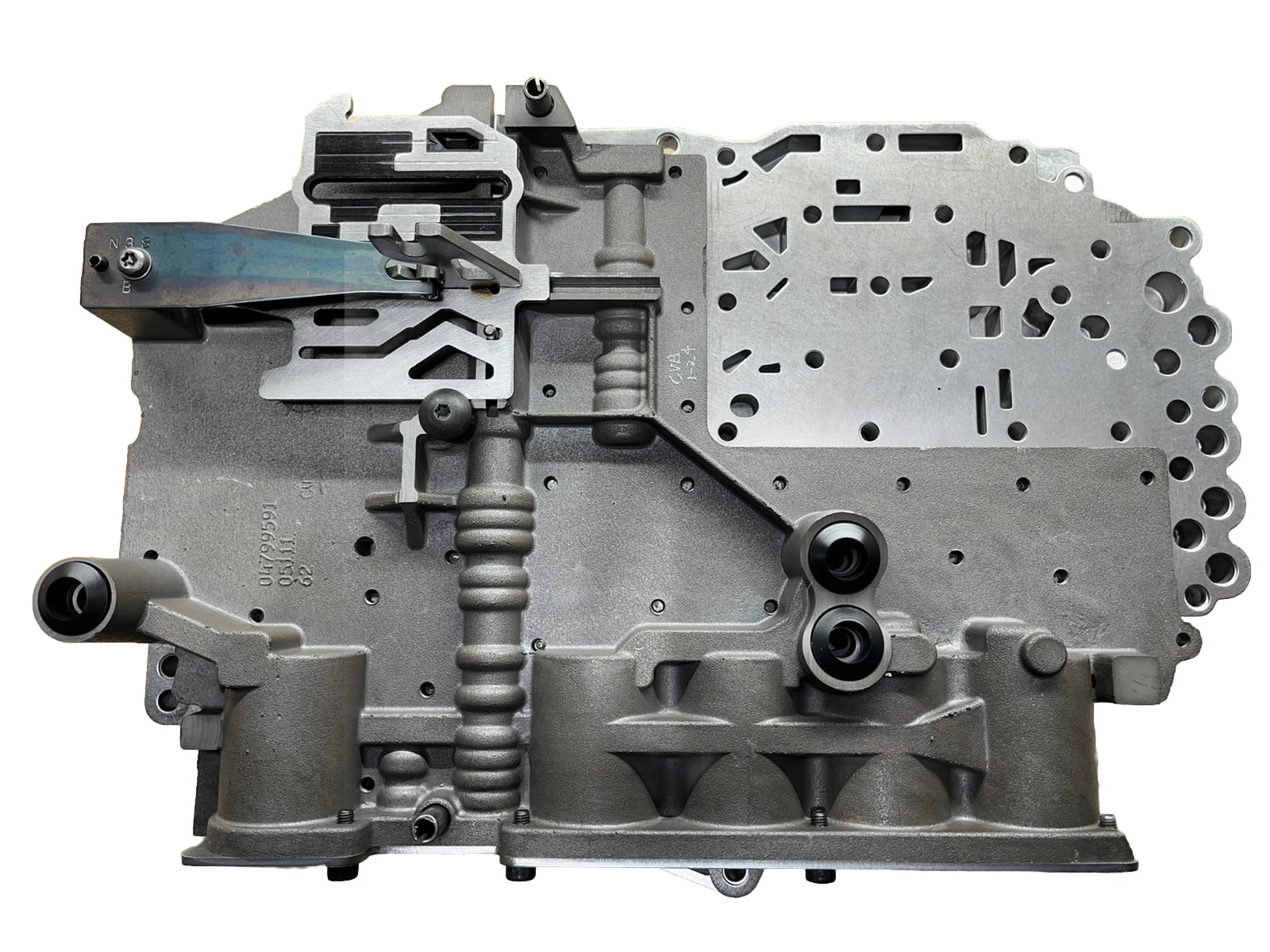
What Actually Sets P2764
P2764 is Torque Converter Clutch Pressure Control Solenoid Control Circuit Low. The TCM drives the TCC pressure control solenoid at a commanded duty cycle and watches the circuit's return voltage. When that voltage sits below the expected range for the required duration, the code sets. Read that carefully - it is a statement about the electrical circuit, not a diagnosis of a failed part. A short to ground, a corroded or damaged connector, a broken ground path, or a solenoid with abnormally low internal resistance can all produce the same low-voltage reading. So can a TCM that is commanding a duty cycle the hydraulic side simply cannot deliver on, which is the case this article is really about.
P2764 versus the Chrysler numeric codes
Shop talk on these transmissions mixes P-codes and Chrysler's own numeric codes constantly, and they are not interchangeable. Sonnax's parts and symptom listing for the 66RFE groups TCC and pressure-control complaints under codes 841, 846, 868, 871, 876 and 988 - covering things like solenoid electrical circuit faults, intermittent solenoid codes, and pressure-control out-of-range conditions. P2764 is the generic OBD-II description specifically for the TCC pressure control solenoid's control circuit running low. Confirm on the scan tool which one you actually have before you order a part off a forum thread that was talking about a different code.
The Part Nobody Mentions: RFE TCC Apply Pressure Has No Limit of Its Own
This is the piece of the puzzle that explains why so many of these jobs end with a comeback. Sonnax states it plainly for the whole RFE family - 45RFE, 545RFE, 65RFE, 66RFE and 68RFE: once the torque converter clutch reaches full apply, TCC apply pressure simply tracks line pressure. There is no dedicated regulator holding converter apply pressure to a safe ceiling the way some other platforms do. Stock line pressure runs roughly 160 psi in the Forward ranges, and whatever that number is, TCC apply pressure follows it - including when line pressure climbs from wear, a performance tune, or an aftermarket valve body.
That has real consequences. Sonnax lists repeated torque converter failure, ballooning, pump and bellhousing adapter damage, and added thrust load on the crankshaft as the downstream effects of unchecked TCC apply pressure. Sonnax's fix for this on the RFE family is a dedicated part, the TCC Apply Limit Switch Valve (drop-in kit 44912-36K, oversized kit 44912-41K for bores with significant wear), which caps TCC apply pressure near 150 psi regardless of how high line pressure goes - without touching line pressure itself or causing partial-apply drivability problems. If you are chasing a P2764 on a truck that has also had line pressure bumped up, this valve belongs on the parts list before the solenoid does.
What the pressure numbers look like when it is actually failing
GEARS Magazine documented a real case on a 68RFE - the same hydraulic architecture - that is worth reading before you touch anything. The complaint was transmission overheating and vibration. A road test with a pressure gauge and scan tool connected showed temperature climbing from about 195°F to 230°F at freeway speed while TCC slip increased, with the PCM eventually storing a TCC-out-of-range code. On the bench, TCC release pressure measured 20 psi where it should have read 5 psi or lower, and TCC apply pressure measured only 85 psi against a line pressure of 120 psi - a 35 psi shortfall the article attributed to an internal hydraulic leak. Teardown found a worn solenoid switch valve in the valve body and a worn TCC accumulator piston and valve in the pump. A vacuum test on the circuit, which the article says should hold at least 18 in-Hg, would not hold at all and dropped to zero almost immediately. None of that shows up by swapping a solenoid.
66RFE / 68RFE Family TCC Hardware at CoreTransmissionParts
The 66RFE shares its TCC solenoid, valve body and pump architecture with the 68RFE. If you are hunting TCC solenoids, harnesses, or pump and valve body hardware for this fix and want a second source, CoreTransmissionParts' 68RFE catalog carries the shared parts - confirm the exact listing matches your build before ordering.
Browse 68RFE-family parts →A Diagnostic Order That Doesn't Start With the Solenoid
- Pull every code, not just the TCC one. Read whether 841, 868, 871 or 988 are also present - Sonnax ties those to solenoid electrical faults and pressure-control out-of-range conditions on this family, and a cluster of codes points you somewhere different than P2764 alone.
- Check fluid level and condition first. Stellantis specifies ATF+4 for this family and warns that the wrong fluid affects transmission function. Low or burnt fluid thins the film in the TCC regulator and accumulator bores and will produce the exact low-pressure symptom described above.
- Check whether line pressure has been raised. Because RFE TCC apply pressure tracks line pressure with no ceiling of its own, a tune or a performance valve body that bumped line pressure up is relevant to this code even though it looks unrelated.
- Test the solenoid circuit electrically - resistance, continuity to ground, connector condition - before you condemn it. A circuit-low code can be entirely in the wiring.
- Pressure-test the TCC release and apply circuits against the benchmarks above: release near 5 psi or lower, apply tracking line pressure. A 15-35 psi shortfall on apply, or release pressure sitting well above 5 psi, points at a leaking valve body bore or pump, not the solenoid.
- Vacuum-test the valve body's TCC regulator and switch valve bores. GEARS' benchmark is at least 18 in-Hg holding; a bore that drops to zero quickly is worn enough to bleed apply pressure on its own.
- If pressure and vacuum tests are clean, the converter and the circuit wiring are what's left - do not stop at "the solenoid tested fine" and call the job done.
The Fix
Match the repair to what testing actually found. A circuit that fails electrically gets the solenoid or harness replaced. A valve body that fails the vacuum test gets the TCC Apply Limit Switch Valve (44912-36K, or the oversized 44912-41K on a worn bore) installed along with whatever regulator or switch-valve wear the teardown shows. A pump with a worn TCC accumulator piston or valve, as in the GEARS case, gets that component repaired or replaced before the unit goes back together - putting a good valve body behind a leaking pump just moves the comeback down the road a few months. Confirm fluid is ATF+4, correctly filled and in good condition, and don't skip a cooler flush if the converter was slipping - debris from a slipping clutch ends up in the cooler and migrates straight back into the valve body you just fixed.
After the repair, clear the codes and drive it loaded and hot with the scan tool connected. A code that stays clear on a cold five-minute lap and reappears on the highway with a trailer behind it is telling you the same thing it told you the first time - the circuit still can't hold the pressure it's being asked to hold.
Working a 66RFE this week?
TCC and pressure control solenoids, remanufactured valve bodies, pumps and master rebuild kits for the 66RFE — shipped fast from the USA.
Shop 66RFE parts →FAQ
What does P2764 mean on a 66RFE?
P2764 is Torque Converter Clutch Pressure Control Solenoid Control Circuit Low - a voltage reading on the TCC solenoid circuit that stayed below the TCM's expected range. It is an electrical-circuit code, not a part name. The low voltage can come from a short to ground, a broken ground, damaged wiring or connector, a solenoid with low internal resistance, or the TCM itself calling for a duty cycle the hydraulic side cannot support.
Is P2764 the same as the Chrysler 841, 871, or 988 codes on an RFE transmission?
No, and mixing them up sends you down the wrong diagnostic tree. Sonnax groups the RFE family's TCC and pressure-control symptoms under its own numeric codes - 841, 846, 868, 871, 876, and 988 - which cover things like solenoid electrical faults and pressure-control out-of-range conditions. P2764 is the generic OBD-II circuit-low code for the TCC pressure control solenoid specifically. They can show up on the same vehicle for related reasons, but confirm with a scan tool which code you actually have before you order parts.
How much TCC apply pressure is normal on a 66RFE, and why does too much matter?
Sonnax documents that RFE-family transmissions - 45RFE, 545RFE, 65RFE, 66RFE and 68RFE - cannot limit converter apply pressure on their own once the clutch is in full apply: TCC apply pressure simply tracks line pressure, which runs about 160 psi in the Forward ranges stock. Any line-pressure increase, whether from wear, a tune, or a performance valve body, raises TCC apply pressure right along with it. Sonnax sells a TCC Apply Limit Switch Valve specifically to cap that pressure near 150 psi, because unchecked apply pressure can balloon the converter, damage the pump and bellhousing adapter, and load the crankshaft.
Does a low-voltage TCC circuit code always mean the solenoid is bad?
No. GEARS Magazine documented a 68RFE case with a TCC complaint that traced back to a worn solenoid switch valve in the valve body and a worn TCC accumulator piston and valve in the pump, not a failed solenoid. Pressure testing found TCC release pressure at 20 psi where it should read 5 psi or lower, and TCC apply pressure at only 85 psi against a 120 psi line pressure - an internal leak, not an electrical fault. The solenoid is cheap and easy to swap, which is exactly why it gets replaced first and the truck comes back with the same code.
What fluid does a 66RFE need, and does it affect this fault?
Stellantis specifies ATF+4 for the RFE family, including the 68RFE and, by extension, the 66RFE that shares its internals - the owner's manual warns that using anything else can affect how the transmission functions. Low or burnt fluid thins the hydraulic film in the TCC regulator and accumulator bores, which lets apply pressure bleed off exactly the way a worn valve body bore does, so confirm fluid level and condition before you condemn any hydraulic component.
Browse 68RFE-family parts →
Sources
- Sonnax - "Stop RFE, RH/RE Converter Failure: Limit TCC Apply." Backs the core mechanism of this article: that RFE-family transmissions (45RFE, 545RFE, 65RFE, 66RFE, 68RFE) cannot limit torque converter clutch apply pressure once in full apply, so TCC apply pressure tracks line pressure (stock max roughly 160 psi in Forward ranges); the Sonnax TCC Apply Limit Switch Valve kits 44912-36K (drop-in) and 44912-41K (oversized) that cap apply pressure near 150 psi; and the downstream damage - converter ballooning, pump and bellhousing adapter damage, and added crankshaft thrust load - caused by unchecked apply pressure. sonnax.com
- Sonnax - Chrysler 66RFE Transmission parts and symptom listing. Backs the 66RFE-specific symptom and code groupings for solenoid electrical faults, pressure-control out-of-range conditions, and TCC apply/release concerns, and the associated Chrysler numeric codes (841, 846, 868, 871, 876, 988) distinct from the generic P2764 OBD-II code. sonnax.com
- GEARS Magazine (ATRA) - "Solving a 68RFE Mystery Code." Backs the documented case study on this shared hydraulic architecture: TCC release pressure of 20 psi (spec 5 psi or lower) and TCC apply pressure of 85 psi against 120 psi line pressure, the vacuum-test benchmark of at least 18 in-Hg, and the teardown finding of a worn solenoid switch valve and worn TCC accumulator piston/valve as the actual root cause behind a TCC-out-of-range complaint. gearsmagazine.com
- National Highway Traffic Safety Administration - Chrysler Technical Service Bulletin 21-037-14 (SB-10063738-0335), November 12, 2014. Backs the real, model-specific example of a 66RFE hydraulic defect: 2015 Ram 2500, 3500 and 3500 Cab Chassis trucks built between September 10 and October 1, 2014 received torque converters with friction-disc oil grooves cut too wide, causing slip under heavy load and premature wear, identified by checking the converter's build-date barcode through the bellhousing. static.nhtsa.gov
- Stellantis / Mopar - 2022 Ram 2500/3500 Owner's Manual, Chassis Fluids and Lubricants. Backs the ATF+4 fluid specification for the 68RFE (and by shared-platform extension the 66RFE) and the manufacturer's warning that using a fluid other than ATF+4 may affect transmission function or performance. vehicleinfo.mopar.com
Shop 66RFE TCC and pressure control solenoids, remanufactured valve bodies, pumps, and master rebuild kits — shipped fast from the USA.
Shop 66RFE parts →