Limp mode on a Mercedes-Benz 722.9 (the seven-speed 7G-Tronic, NAG2 platform) is a symptom, not a diagnosis, and treating it as one is how owners end up paying for a valve body that was never the problem. The transmission control unit (VGS) drops into this protective state for at least three mechanically distinct reasons, and Mercedes-Benz's own XENTRY bulletins document each one separately with different fault codes and different fixes. This guide walks through the real causes in the order a tech should actually check them, plus a fourth, very common problem that has nothing to do with why the car went into limp mode in the first place: why it won't come back out after the valve body has already been replaced.
Diagnostics
722.9 Limp Mode Causes and Fix
Recommended 722.9 parts
In stock, ships same day from the USA. Secure checkout.
Cause 1: EHS/Conductor Plate Speed Sensor Degradation
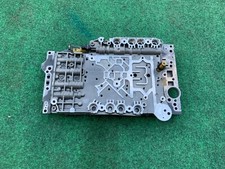
The 722.9's fully integrated transmission control (VGS) relies on an electrohydraulic actuator, the EHS, bolted inside the oil pan. It combines the shift solenoid valve body with a conductor plate carrying the speed sensors the control unit reads to track rotation at the input, central, and output of the gearbox, identified in trade documentation as Y3/8n1, Y3/8n2, and Y3/8n3. Because the EHS sits submerged in fluid and goes through constant heat cycling, the sensor circuitry and soldered connections on that board are the component most likely to degrade with age and mileage on this transmission.
When the control unit loses a reliable signal from one of these sensors, it can no longer calculate torque converter slip accurately or confirm that a commanded gear has actually been achieved. Rather than keep shifting on bad data, the VGS falls back to its documented fail-safe behavior: hold the current gear, refuse upshifts, and light the transmission warning message. That is limp mode, and it is a control-unit decision, not the gearbox physically breaking. Fault codes most commonly logged against this failure path include turbine/input speed codes (P0717, P0718), output speed codes (P0720-P0723), and the manufacturer-specific speed sensor circuit codes in the P2200 and P2767/P2768 ranges.
One detail worth knowing before you order a replacement part: Mercedes-Benz's own 2025 XENTRY Tips bulletin LI27.19-P-074985 confirms the EHS and VGS control hardware exists in different generations, specifically calling out older VGS2 hardware (item number A0335457332) versus newer VGS3 hardware (A0034460310 or A0009018008), with different valve body plate part numbers depending on which generation and internal letter-coded variant (J, K, M, N, O, P) is actually installed in the car. Ordering against the wrong generation, or against an outdated VeDoc record, is a documented way to get a part that will not commission correctly even though it is a legitimate 722.9 component. More on that in the post-repair section below.
Cause 2: Torque Converter Lockup Clutch Friction Fault (FC 2783 / FC 0741)
Not every 722.9 limp-mode-style complaint traces back to the EHS. Mercedes-Benz bulletin LI27.20-P-055758 documents fault code FC 2783 ("friction power of torque converter lockup clutch is too high") or FC 0741 ("actuation of torque converter lockup clutch not possible") being stored in the transmission control unit on 7G-Tronic Plus units built between April 2011 and December 2013. The bulletin identifies two separate root causes depending on the transmission's identification range: increased wear of the torque converter's bearing bushing, traced to a rough microsurface finish on the journal at the transmission end, or slight internal leakage at the sealing ring between the transmission input shaft and the torque converter lockup clutch itself.
The resulting customer complaint the bulletin specifically calls out is poor acceleration, caused by the engine's own torque intervention reacting to the lockup clutch fault, which can feel like the same protective, underpowered state owners describe generically as "limp mode" or "safe mode." The distinction matters because this is a torque-converter-internal problem. No amount of EHS, conductor plate, or valve body work addresses a worn converter bearing bushing or a leaking input shaft seal, which is exactly why reading the actual stored fault code before replacing parts saves a comeback.
Cause 3: Wrong, Old, or Mismatched ATF
Mercedes-Benz bulletin S-B-00.40/89d sets a hard production break for 722.9 fluid specification at transmission component serial number 23834526, built June 21, 2010. Transmissions built before that date, and most transmissions built after it when paired with engines 113, 152, 156, 157, 275, or 279, use red ATF134 fluid meeting the 236.14 specification (part number A001 989 68 03 10). Most other transmissions built after that break use blue FE-ATF134 meeting the 236.15 specification (part number A001 989 78 03 09). The bulletin is explicit that these two fluids are not backward compatible, must never be mixed, and require separate filling equipment, because the additive packages behave differently in the clutch packs.
The bulletin also gives a field-usable way to confirm which fluid a given transmission needs without pulling records: transmissions built after the June 2010 break have an oil pan with a noticeably different dimple pattern, are 5mm deeper, and use a green overflow pipe inside the pan instead of the black or white pipe used on earlier units. A tech who tops off or services a 722.9 with the wrong fluid, or who mixes the two types during a partial fill, is changing the friction and pressure behavior the control unit's shift maps were calibrated against, which can produce the same erratic engagement, flaring, and protective responses that get blamed on a failing conductor plate when the real cause is sitting in the pan.
The Post-Repair Trap: Why a New Valve Body Still Won't Commission
This is the problem that catches owners off guard after they have already paid for the right repair. Mercedes-Benz's own XENTRY Tips bulletin LI27.19-P-074985, titled "Commissioning not possible after replacement of TRANSMISSION 722.9 or of electrohydraulic controller unit (EHS) or of repair kit controller unit (VGS)," documents exactly this scenario: the car goes in for a valve body or EHS replacement to fix the original limp mode cause, the new part gets installed, and the transmission still will not commission.
The bulletin's stated cause is administrative, not mechanical: the wrong, older generation A-code is still documented in VeDoc for the newly installed hardware, for example old VGS2 hardware A0335457332 left on record when VGS3 hardware A0034460310 or A0009018008 was the part actually installed. The fix is to read the correct EHS item number or serial number directly from XENTRY Diagnostics (Control unit view → Current quick test → Fully integrated transmission control → EHS part number) or DAS, delete the outdated A-code, and redocument the correct one in VeDoc before attempting commissioning again. The bulletin even carries an exception for engine 629, which requires a specific EHS part number (A220 270 24 06) regardless of what the general lookup table suggests, and a fallback procedure for reading the part number directly off the physical EHS unit if diagnosis through the vehicle is no longer possible.
The practical takeaway: if your 722.9 just had a valve body or EHS replaced and it is still stuck in limp mode or refusing to commission, the part itself is frequently not defective. Ask the shop to verify the A-code generation documented in VeDoc actually matches the hardware generation that is physically installed before anyone orders a second part.
How to Tell These Apart Before You Replace Anything
Read the stored fault codes first, every time, before touching a part. Speed sensor codes in the P0717/P0718, P0720-P0723, or P2200/P2767 families point at the EHS and conductor plate. FC 2783 or FC 0741 points at the torque converter's lockup clutch, not the valve body, per LI27.20-P-055758. No stored codes at all, combined with erratic or inconsistent engagement rather than a hard stuck gear, should send you to the oil pan to confirm the fluid spec matches the transmission's production date using the dimple pattern and overflow pipe color from S-B-00.40/89d, rather than straight to a conductor plate order. And if a valve body or EHS has already been replaced and the car still will not commission, check the A-code documentation in VeDoc against the installed hardware per LI27.19-P-074985 before assuming the new part is bad.
FAQ
What does 722.9 limp mode actually feel like?
On the 722.9, limp mode almost always means the transmission control unit has locked the gearbox into a single forward gear, most commonly 2nd or 3rd, refuses to shift up no matter what the accelerator does, and caps road speed around 40 mph. You will usually get a transmission warning message on the dash and noticeably higher engine RPM for the speed you are going, because the car is stuck in a low gear. This is the control unit's fail-safe response when it can no longer trust a sensor input or confirm a gear is actually engaged, not a sign the transmission has mechanically failed.
Can I keep driving a 722.9 in limp mode?
You can drive it short distances to get the car off the road or to a shop, but you should not keep using it as your daily gear. Limp mode is a protective state, and depending on which of the three causes in this guide triggered it, continuing to drive on it can mean running on fluid that is the wrong spec for the clutch packs, or ignoring a torque converter lockup clutch fault that Mercedes-Benz's own bulletin ties to abnormal wear inside the converter. Get the fault codes read before you decide how far you are comfortable driving it.
Will a new valve body instantly fix 722.9 limp mode?
Only if the EHS/conductor plate speed sensor failure is actually your cause. If the stored fault is FC 2783 or FC 0741, Mercedes-Benz's bulletin LI27.20-P-055758 ties that specifically to torque converter bearing bushing wear or a leaking sealing ring inside the converter itself, not the valve body, and a new valve body will not touch it. Read the fault codes before replacing anything, because the 722.9 can enter a limp-mode-like protective state for at least two mechanically different reasons that look identical from the driver's seat.
Why won't my 722.9 come out of limp mode after the shop replaced the EHS or valve body?
This is a documented, separate problem from the original failure. Mercedes-Benz's own XENTRY Tips bulletin LI27.19-P-074985 states that commissioning can fail after installing a replacement transmission, EHS, or VGS repair kit because the wrong, older generation A-code is still documented in VeDoc for the newly installed part, for example old VGS2 hardware A0335457332 left on file when VGS3 hardware A0034460310 or A0009018008 was actually installed. The fix is deleting the old A-code and redocumenting the correct one in VeDoc before commissioning, not pulling the new part back out. Ask your shop to verify the A-code documentation matches the hardware that is actually in the car.
What ATF does my 722.9 need, and could the wrong fluid be causing limp mode?
It depends on the transmission's production date. Mercedes-Benz bulletin S-B-00.40/89d sets the break at component serial number 23834526, built June 21, 2010: transmissions built before that date use red ATF134 (236.14 spec, part number A001 989 68 03 10), while most transmissions built after that date use blue FE-ATF134 (236.15 spec, part number A001 989 78 03 09). The bulletin is explicit that the two fluids are not compatible and must never be mixed, and the oil pan shape changed at the same production break so a tech can visually confirm which one a given transmission needs. Fluid at the wrong spec, or fluid that was topped off with the other type, changes the pressure and friction behavior the control unit's maps are calibrated around, and can contribute to the same erratic engagement and protective responses that get blamed on a dying conductor plate.
Found the real cause of your 722.9 limp mode?
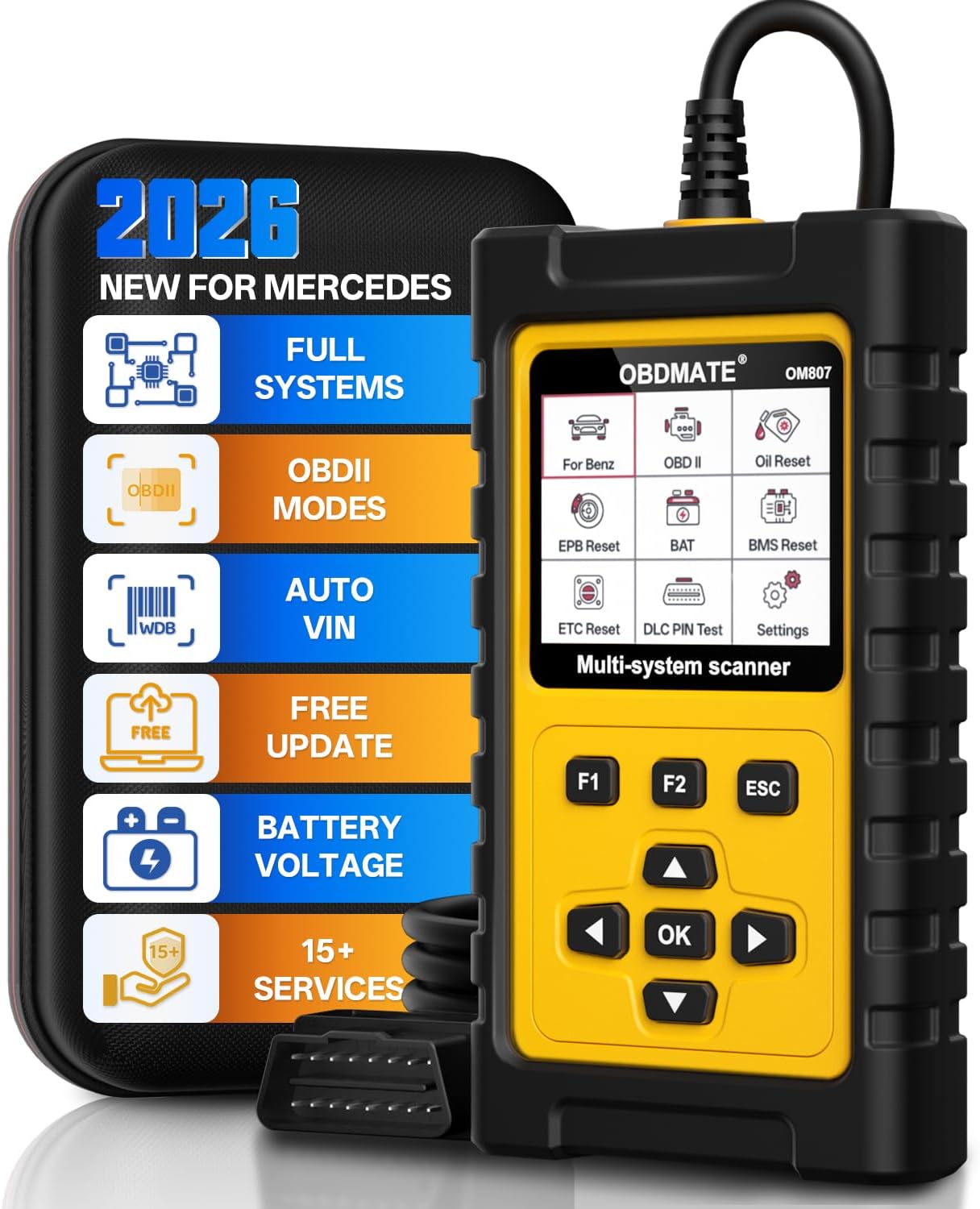
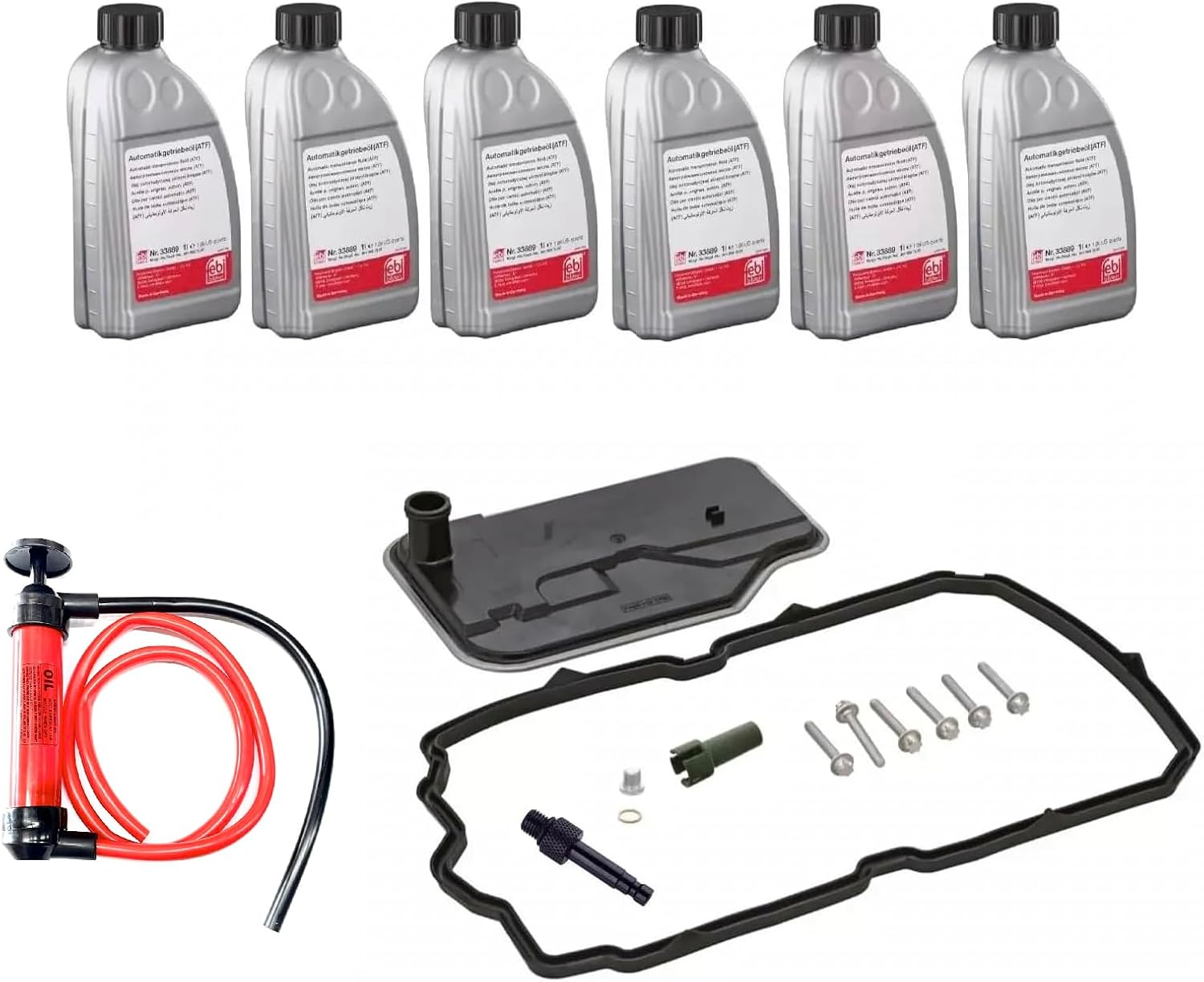
Valve bodies, scan tools for TCM adaptation, and the correct 236.15 blue ATF service kit, shipped fast from the USA.
Shop 722.9 parts →Sources
- Mercedes-Benz USA, LLC — Star Bulletin S-B-00.40/89d, "Operating Fluid Specification Changes for Automatic Transmission," November 6, 2013 (revision d), for all models with Transmission 722.6, 722.9, 724.2, or 725.0 (archived via NHTSA). Backs the June 21, 2010 production break at component serial number 23834526, the red 236.14 vs. blue 236.15 fluid specifications and part numbers, the never-mix requirement, and the oil pan dimple/overflow pipe color identification method. static.nhtsa.gov
- Mercedes-Benz AG — XENTRY Tips LI27.19-P-074985, "Commissioning not possible after replacement of TRANSMISSION 722.9 or of electrohydraulic controller unit (EHS) or of repair kit controller unit (VGS)," version 3, July 15, 2025 (archived via NHTSA). Backs the post-repair commissioning failure cause, the VGS2 vs. VGS3 hardware/A-code mismatch, the XENTRY/DAS read-out procedure, and the engine 629 EHS part number exception. static.nhtsa.gov
- Mercedes-Benz AG — XENTRY Bulletin LI27.20-P-055758, torque converter lockup clutch friction power fault, for Transmission 722.9 (7G-Tronic Plus) production months 04/2011 to 12/2013 (archived via NHTSA). Backs the FC 2783 and FC 0741 fault codes, the two distinct root causes (bearing bushing wear vs. sealing ring leakage), and the poor-acceleration customer complaint from engine torque intervention. static.nhtsa.gov
- Mercedes-Benz USA, LLC — Star Bulletin S-B-27.00/124, "Transmission 722.9, Additional Adaptation Counter Indicator," October 3, 2012 (archived via NHTSA). Backs the existence of the adaptation counter/frequency indicator in Star Diagnosis for 722.9 gear adaptation data, relevant to confirming adaptation status during limp mode diagnosis. static.nhtsa.gov
- Motul — Technical Data Sheet, "ATF 236.15, Automatic Transmission Fluid for Mercedes," approved to MERCEDES-BENZ MB-Approval 236.15. Backs the blue 236.15 fluid's synthetic formulation and friction-modifier performance referenced in the fluid-cause section. motul.com
- Professional Motor Mechanic (pmmonline.co.uk) — "Inside the 7G-Tronic TCU," trade technical feature. Backs the Y3/8n1, Y3/8n2, and Y3/8n3 speed sensor naming and the live-data diagnostic approach referenced in the EHS/conductor plate section. pmmonline.co.uk
Need parts for this job?
Shop 722.9 valve bodies, scan tools, overhaul kits and the correct 236.15 ATF — shipped fast from the USA.
Shop 722.9 parts →