Shudder on torque converter lockup is one of the fastest ways to put a 722.9 converter in a box for no reason. Daimler's own factory bulletin for this exact symptom says, in writing, that on most 722.9 units built in the last 15+ years, replacing the converter does not fix it — and lists a short checklist of drivetrain items to rule out first. On top of that, there is a separate bulletin covering a real, confirmed converter-internal cause, but it only applies to a specific range of transmission ID numbers and traces to two different root causes depending on which range a given unit falls into.
This post is built from two Daimler/Mercedes-Benz XENTRY technical bulletins obtained through NHTSA's public TSB archive, Sonnax's documented clutch release repair for this shared converter family, ATRA's Gears Magazine shudder-diagnosis procedure, and current manufacturer technical data sheets for both MB-approved fluid specifications used across 722.9 production. Sources are listed at the end.
Why This Symptom Gets Misdiagnosed
Daimler's bulletin LI27.10-P-057361, titled plainly "Humming, droning, vibrations, shuddering, jolting, slip," covers vehicles with the 722.9 (7G-TRONIC) transmission complaining of exactly that symptom list — and it's worth reading the cause section word for word. It states the causes can be "various causes in and around the entire drivetrain, such as the transmission and engine mounts, propeller shafts, side shafts, front axle transmission, etc." It then adds that optimized torque converters were installed in NAG2 transmissions as of transmission sequence number 1.515.055, which corresponds to production after November 2007. For every 722.9 built after that point, the bulletin states flatly that replacement of the torque converter is not an effective remedy for these symptoms.
That single line should change how most shops approach this complaint. A shudder that feels like it's coming from the converter is, on a huge share of 722.9-equipped vehicles, actually coming from somewhere else in the driveline entirely.
Rule Out the Drivetrain First (Per the Factory Bulletin)
Before removing or replacing a torque converter on a post-11/2007 NAG2 unit, Daimler's bulletin specifies four checks, in this order:
- Limit the transmission to first gear and see if the complaint is still present. If the shudder disappears, the converter and its lockup clutch are not the cause.
- Check the propeller shaft for excessive resistance. The bulletin cross-references two additional Daimler bulletins (LI35.31-P-056961 and LI22.10-P-056910) covering propeller and side shaft conditions that produce the same symptom.
- Check the wheels and swap them diagonally if necessary to rule out a wheel/tire-induced vibration being misread as a drivetrain shudder.
- Check whether a transmission oil change was performed recently. A fluid service done with the wrong spec or by a shop unfamiliar with this unit is a documented contributor.
Only after these come back clean does the bulletin direct further diagnosis toward the converter and lockup clutch system itself.
When It Really Is the Converter: Two Causes, Two ID Ranges
A separate, more specific Daimler bulletin, LI27.20-P-055758, covers a genuine converter-internal fault: transmission control unit fault code FC 2783 (friction power of the torque converter lockup clutch is too high) or FC 0741 (actuation of the torque converter lockup clutch not possible), sometimes accompanied by a customer complaint of poor acceleration from the resulting engine intervention. This bulletin applies specifically to NAG2FE+ (7G-TRONIC PLUS) vehicles built from production month 04/2011 onward, and it documents two distinct mechanical causes depending on the transmission's own serial ID number:
| Transmission ID range | Documented cause |
|---|---|
| 03.318.709 to 03.979.899, or 07.019.944 to 07.247.699 | Increased wear of the torque converter bearing bushing, caused by a rough microsurface on the transmission-side journal |
| Higher than 03.979.899 or 07.247.699 | Possible slight internal leakage at the sealing ring between the transmission input shaft and the torque converter lockup clutch |
The fault codes can also appear alongside an unrelated rpm sensor fault covered in a different bulletin (LI27.50-P-049710); Daimler is explicit that the rpm sensor condition is not connected to this complaint and shouldn't be chased as the cause.
The Repair Path Daimler Specifies for Each Cause
For vehicles combining an M271 engine with a transmission in the lower ID range, the first step is to check the installed transmission control software version against a documented list. If it matches one of the listed older versions, the remedy is a software update, followed by erasing the stored fault codes and resetting the torque converter's lifecycle and adaptation data — no disassembly required. If the vehicle is already on later software, or falls outside that specific engine/ID combination, the remedy becomes physical: disassemble the transmission and converter, then microfinish the transmission input shaft journal with a 15-micron polishing film (Daimler part number A 000 986 92 74), used once per repair.
For transmissions with an ID higher than the ranges above, the documented cause shifts to sealing ring leakage and the remedy is full torque converter replacement. Daimler's reinstall procedure is specific: clean the torque converter mount in the crankshaft with brake cleaner, remove any fretting rust using 120-grit emery cloth, clean the mount again, then grease the converter's mounting pin with Daimler multi-purpose paste (A 000 989 80 51 10) before installation. After any converter replacement, the torque converter's lifecycle and adaptation data must be reset through XENTRY (VGS > Teach-in processes > Reset of adaptation values > Torque converter) or through DAS (Electronic transmission control > Transmission adaptation > Reset of adaptation data), confirming the replacement each time it's prompted. Skipping that reset leaves the TCU referencing stale adaptation data from the old converter.
Confirming It's Actually TCC Lockup, Not Something Else
Before committing to either repair path, confirm the complaint is genuinely torque converter clutch behavior and not an engine-side vibration or a shift-quality issue elsewhere in the valve body. Gears Magazine's diagnostic approach for lockup shudder on any platform applies directly here: capture a recorded data stream at the exact speed and throttle position where the shudder occurs, watching TCC commanded slip against TCC actual slip, TCC solenoid amperage to confirm a clean electrical signal, and VSS, TPS% and engine load% to confirm those inputs stay stable through the event. Most lockup clutches are designed to slip a small amount while applied, and that alone is not a fault; the generally accepted threshold is slip under roughly 60 rpm, though it's worth verifying the number against 722.9-specific factory data where available.
To separate a converter-side shudder from an engine misfire that only shows up under the load of lockup, run Mode 6 misfire monitoring on a scan tool while the shudder is occurring. If cylinder misfire counts climb each time the shudder is felt, the complaint is engine-related and no amount of transmission work will resolve it. If misfire counts stay flat while TCC slip data shows the irregularity, the fault is genuinely in the lockup system.
Sonnax's Repair for the Shared 722.6/722.9 Converter Family
The 722.9 shares its clutch-release design lineage with the 722.6, and Sonnax documents a release kit, part number MB-CP-10KA, built to correct poor torque converter clutch performance on both units — cold engine stall on engagement being the most noticeable complaint, with shudder, engine lugging and accelerated clutch wear also listed as symptoms the kit addresses. Like the Daimler converter-replacement remedy above, this is converter disassembly and rebuild work: it requires opening the converter shell and is a job for a shop or supplier set up to rebuild torque converters specifically, not a bolt-on parts swap. We don't stock torque converters or converter-internal rebuild components for that reason; what we carry are the valve body, solenoid and fluid service parts that rule out or resolve the non-converter causes covered above.
Fluid Matters: 236.14 vs. 236.15, and Anti-Shudder Additives
722.9 fluid specification changed partway through the unit's production run, and using the wrong-generation fluid is one of the easy-to-miss contributors Daimler's own bulletin flags when it asks whether a recent oil change was performed. Earlier 722.9 NAG2 production is specified for MB-Approval 236.14, a red, fully synthetic fluid; current fluid-maker technical data for this spec (Hengst's ATF MB 7-Speed) lists a kinematic viscosity of 28.6 mm²/s at 40°C, a viscosity index of 154, and a pour point of -45°C, formulated specifically for 7G-Tronic and 5-speed Mercedes automatic transmissions. 7G-TRONIC PLUS (NAG2FE+) production from 2010 onward moved to the thinner, blue MB-Approval 236.15 spec; Motul's current technical data sheet for its 236.15-certified fluid lists a notably lower viscosity of 17.4 mm²/s at 40°C and explicitly states the formula "provides anti-shudder performance and then avoids vibrations on engine fly wheel" — language straight from the fluid maker's own performance claims, not aftermarket marketing. The two specs are not interchangeable; using 236.14 in a unit that calls for 236.15, or fluid that's simply past its service interval, removes friction-modifier margin that can be the difference between a borderline mechanical issue staying silent and producing a noticeable shudder.
How to Work the Diagnosis in Order
- Confirm fluid type, level and condition against the correct spec for the unit's production date (236.14 or 236.15), and service it if there's any doubt — this is the cheapest step and one the factory bulletin calls out directly.
- Limit the transmission to first gear and see whether the complaint persists, per Daimler's own first diagnostic step.
- Check the propeller shaft, side shafts and wheel balance before suspecting the converter at all, especially on any unit built after November 2007.
- Pull codes and record a scan tool data stream at the speed the shudder occurs, watching TCC commanded vs. actual slip and running Mode 6 misfire monitoring to rule out an engine-side cause.
- If FC 2783 or FC 0741 is stored, identify the transmission's ID number and engine combination to determine whether the documented remedy is a software/adaptation reset or a converter-side repair.
- If drivetrain items, fluid and codes all check out clean and shudder is confirmed as genuine TCC behavior, the converter itself needs to go to a rebuilder for the documented repair.
The Fix and What It Costs
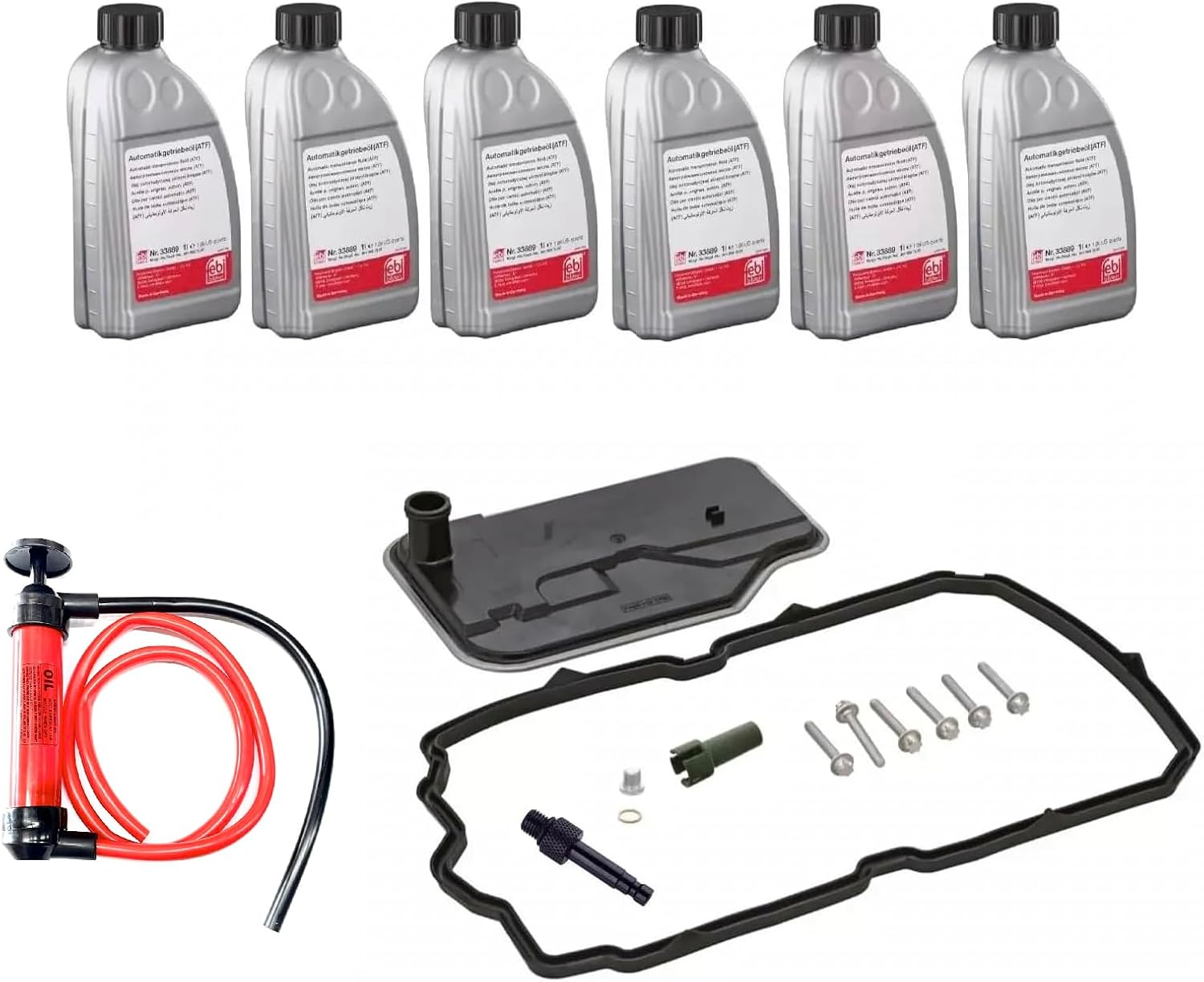
If the cause turns out to be a software/adaptation issue on an in-range M271 vehicle, that's a dealer or XENTRY-equipped shop reflash plus a fault code and adaptation reset — no parts cost at all. If a valve body or solenoid is implicated after ruling out the converter, a direct-fit valve body with solenoids or a solenoid kit runs a few hundred dollars in parts plus the labor to drop the pan. A full fluid and filter service with the correct generation of MB-spec fluid is inexpensive insurance that should be done regardless of what else is found. If the diagnosis lands on the converter itself — either the bearing bushing wear or sealing ring leakage Daimler documents, or the Sonnax-addressed clutch release condition — budget for converter rebuild or replacement parts and labor on top of the R&R to pull and reinstall the transmission, since none of this is done with the unit still in the car.
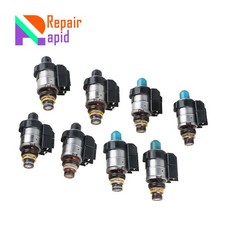
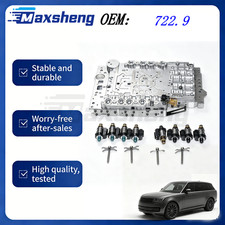
722.9 Valve Body and Solenoid Kit
The two most common fixable, non-converter causes behind a 722.9 lockup shudder complaint — check these before sending a converter out for rebuild.
Shop 722.9 valve body on CoreTransmissionParts →Shop 722.9 parts →
Frequently Asked Questions
Does a shudder on a 722.9 always mean the torque converter is bad?
No. Daimler's own bulletin on this symptom (LI27.10-P-057361) explicitly states that on NAG2 transmissions built after transmission sequence number 1.515.055 (roughly November 2007 production), optimized torque converters were installed and replacing the converter is not an effective fix for humming, droning, vibration, shuddering, jolting or slip complaints. The bulletin directs techs to rule out engine and transmission mounts, propeller shaft resistance, wheel balance and a recent fluid change before ever pulling the converter.
What are FC 2783 and FC 0741 on a 722.9?
These are transmission control unit fault codes covered in a separate Daimler bulletin (LI27.20-P-055758). FC 2783 means friction power of the torque converter lockup clutch is too high, and FC 0741 means actuation of the torque converter lockup clutch is not possible. Both apply specifically to NAG2FE+ (7G-TRONIC PLUS) vehicles built from April 2011 onward, and the bulletin ties the cause to specific transmission ID ranges rather than treating every 722.9 the same way.
What actually causes the lockup clutch to slip on these units?
Daimler documents two distinct causes depending on the transmission's ID number. On units in the ID range 03.318.709 to 03.979.899 or 07.019.944 to 07.247.699, the cause is increased wear of the torque converter bearing bushing from a rough microsurface on the transmission-side journal. On units with an ID higher than those ranges, the cause is possible slight internal leakage at the sealing ring between the transmission input shaft and the torque converter lockup clutch. The repair differs for each.
Can a software update fix 722.9 torque converter shudder?
On M271-engine vehicles in the affected ID range running specific older transmission control software, yes. Daimler's remedy is to update the transmission software, erase the stored fault codes, and reset the torque converter's lifecycle and adaptation data. If the vehicle is already running a later software version, or falls outside that specific ID and engine combination, the remedy shifts to a physical repair: microfinishing the input shaft journal, or replacing the torque converter and resetting its adaptation data afterward.
Does the ATF matter for 722.9 shudder complaints?
It matters more than most people assume, and it is the easiest thing to confirm first per Daimler's own bulletin. Earlier 722.9 NAG2 units specify MB-Approval 236.14 fluid, while 7G-TRONIC PLUS (NAG2FE+) units from 2010 onward require the thinner, blue MB-Approval 236.15 fluid. Fluid makers' own technical sheets for 236.15 specifically list anti-shudder performance as a formulated property, and using the wrong-generation fluid, or fluid that has broken down past its service interval, removes the margin that can mask a borderline mechanical issue.
Sources
- Daimler AG / XENTRY Technical Bulletin LI27.10-P-057361, "Humming, droning, vibrations, shuddering, jolting, slip." Backs the complaint description, the "various causes in and around the entire drivetrain" explanation, the optimized-converter cutoff at transmission sequence number 1.515.055 (after 11/2007), and the four-step diagnostic checklist (first-gear test, propeller shaft check, wheel swap, recent fluid change check). static.nhtsa.gov (NHTSA TSB archive)
- Daimler AG / XENTRY Technical Bulletin LI27.20-P-055758, "Friction power of torque converter lockup clutch is too high (FC 2783) or actuation of torque converter lockup clutch not possible (FC 0741)." Backs the NAG2FE+ (04/2011+) applicability, the two transmission-ID-range root causes (bearing bushing wear vs. sealing ring leakage), the software-update/adaptation-reset remedy, the 15-micron microfinishing procedure, and the converter reinstall and adaptation-reset steps. mbclub.ru (hosted Daimler XENTRY bulletin)
- Sonnax — MB-CP-10KA Clutch Release Kit product documentation. Backs the 722.6/722.9 shared clutch-release design, the cold-stall/shudder/engine-lugging/clutch-wear symptom list the kit addresses, and the converter-rebuild nature of the repair. sonnax.com
- Gears Magazine (ATRA) — "Shudder Diagnosis." Backs the scan-tool data stream approach (TCC commanded vs. actual slip, solenoid amperage, VSS/TPS/load% stability), the roughly 60 rpm normal-slip guidance, and the Mode 6 misfire-monitoring method for separating converter shudder from engine misfire. gearsmagazine.com
- Hengst Automotive — ATF MB 7-Speed technical data sheet (MB 236.14). Backs the earlier 722.9 NAG2 fluid specification, its red color and fully synthetic composition, and its viscosity/pour-point characteristics. hengst.com
- Motul — ATF 236.15 technical data sheet. Backs the 7G-TRONIC PLUS (NAG2FE+) 236.15 fluid specification, its blue color and lower viscosity versus 236.14, and the fluid maker's own stated anti-shudder performance property. motul.incony.de
Shop 722.x valve bodies, solenoids and fluid service kits, shipped fast from the USA.
Shop 722.x parts →