"Overheating" on a ZF8HP (8HP45, 8HP70, Chrysler 845RE/850RE, and the shared BMW/Audi/Jeep/Ram applications) almost never means the transmission is simply being asked to do too much work. It means one of four specific things has gone wrong: fluid level is off, the thermal bypass valve that routes fluid to the cooler is stuck, the valve body has worn to the point it can't hold pressure in the circuits that regulate flow, or the heater assembly that shares engine coolant with the ATF has failed and is cross-contaminating the two systems. Each of these has a documented cause and a specific fix. None of them get fixed by "driving easier on it."
This matters because the fix people reach for first -- a bigger cooler -- only solves one of the four. If the real problem is a stuck bypass valve or worn valve body bores, you can bolt on the best cooler in the catalog and the transmission will still run hot, because the fluid is either never reaching that cooler or the unit can no longer hold the pressure it needs to regulate flow correctly.
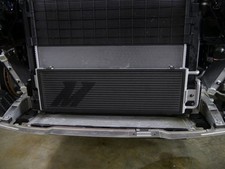
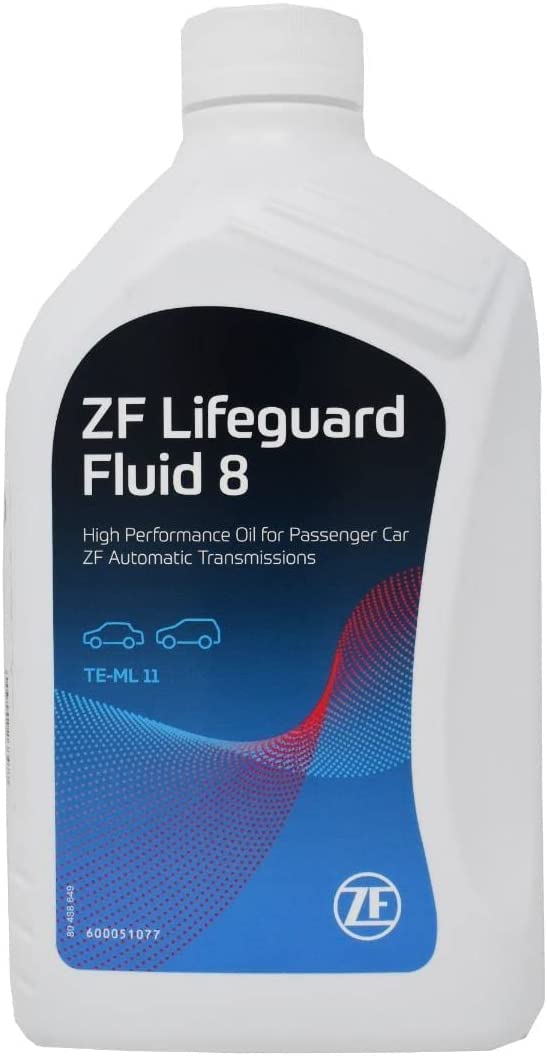
Cause 1: Fluid Level Set Wrong -- the Single Most Common One
ATRA's own technical writeup on the ZF 8HP in Gears Magazine is direct about this: incorrect fluid level is one of the most common causes of unit failure on this transmission. The article lists overheating right alongside intermittent harsh or flaring shifts, gear ratio codes, solenoid performance codes, and torque converter clutch apply/release problems as what happens when the level is wrong in either direction, too high or too low.
The reason this transmission is more sensitive to level error than most is fluid expansion. ZF LifeguardFluid 8 changes volume noticeably between cold and hot, so a level that looks correct on a cold dipstick-equivalent check can be meaningfully off once the unit is at operating temperature. ATRA's procedure is explicit that because these applications all use a thermostatic bypass valve in the cooler system, you have to confirm fluid is actually flowing to the cooler and that the cooler lines are full before you let the vehicle cool down for the final level check. Skip that step and, per the same source, the unit can end up needing up to a full liter of additional fluid that never gets added -- a transmission that starts every drive cycle already short on the fluid it needs to carry heat.
ZF's own filling procedure puts numbers on that step. Its Oil Filling Specification 8HP | 8P (document 1087.754.107c, February 2026) says that on vehicles with an additional oil cooler, you raise the transmission above 75 °C so the cooler circuit fills, then let it cool back into the 30 to 50 °C check window before opening the fill plug. ZF Service Information 50130 EN is blunt about the cost of getting it wrong in either direction. Too low, and the transmission is damaged. Too high, and the excess is pushed out through the overflow as the fluid heats, where it can ignite on the exhaust.
Cause 2: The Thermal Bypass Valve Stuck in Recirculation
This is the cause most people never think to check, because it can leave a transmission with correct fluid, a clean working external cooler, and no other fault, and it will still run hot. The cooler circuit on an 8HP only takes full flow once the fluid is warm. ZF's own fill procedure shows it: on vehicles with an additional oil cooler, you have to raise the transmission above 75 °C before the cooler circuit fills. A thermostatic bypass that does not open when it should keeps hot fluid recirculating inside the transmission and away from the cooler.
ZF and Chrysler have not published a bulletin on that failure for the 8HP, so treat it as a check, not a known defect. The OEM precedent comes from GM: bulletin 22-NA-182 tells technicians that when a 6-, 8- or 10-speed is overheating and the cooler lines are not twisted or misshaped, the thermal bypass valve may be the cause, and it lists the temperatures those valves open at (158 °F on the 6-speeds, 194 °F on the 8L90, 143 °F on the 10-speeds). The test is the same on a ZF8HP: with the transmission fully warm, the line returning from the cooler should be hot too. If it stays cool with a verified-good cooler, correct fluid and level, and no coolant contamination, the bypass is the next thing to check before you start replacing anything bigger.
Cause 3: Worn Valve Body Circuits Losing Pressure
Heat and bad shift quality on this transmission usually trace back to the same root cause, because they come from the same worn hardware. Sonnax's own documentation for its ZF8-ZIP valve body kit identifies the mechanism directly: loss of oil pressure due to worn components in the main line, solenoid regulator, reverse, clutch control and solenoid apply circuits of the ZF8HP45, ZF8HP55, ZF8HP70 and Chrysler 845RE valve body. The resulting symptom list is excess heat, delayed engagement, harsh engagement, firm shifts, and broken parts -- all from the same bores wearing enough to leak pressure that should be staying in the circuit.
This is why a transmission that runs hot and also shifts a little harsh or flares occasionally is not two separate complaints. It is one worn valve body telling you about its condition in two different ways. A fluid and filter service will not fix leaking bores, and neither will a bigger cooler; the fix is replacing or repairing the valve body itself.
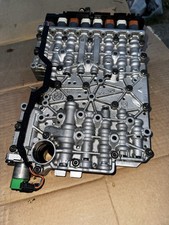
ZF8HP Valve Body
If the unit is running hot and shifting a little rough at the same time, that combination points at worn pressure-control circuits in the valve body, not a cooling-system part. Replacing the valve body addresses both symptoms at once.
View the ZF8HP valve body →Cause 4: Heater Assembly Cross-Contamination With Engine Coolant
The ZF8HP/845RE/850RE family uses a heater assembly that shares engine coolant with the transmission fluid so the unit warms up faster from a cold start. That shared design is also a single point of failure where a transmission problem becomes a cooling-system problem. On 2015 Ram 1500 trucks built within the affected production window and equipped with the 8HP70 or 845RE, Chrysler documented exactly this failure in a bulletin hosted by the National Highway Traffic Safety Administration: transmission fluid was found crossing into the engine coolant through the heater assembly. The repair calls for inspecting the heater assembly's build date and casing, and replacing the assembly with part number 52014750AD if contamination is confirmed, along with a full flush and clean of the cooling system.
The visible warning sign is coolant in the overflow tank that looks pink-tinted or milky instead of its normal color. That is not a cosmetic issue -- it means fluid and coolant are actively mixing inside the transmission, and it will keep recurring every drive cycle until the heater assembly itself is replaced. A unit with this failure can show overheating symptoms even though the fluid level, valve body, and bypass valve are all fine, because the real problem is on the coolant side of the shared heat exchanger.
Heat also shortens fluid life on its own, which turns a cooling problem into a fluid problem. ZF Service Information 50130 EN notes that at very high operating temperatures the semi-synthetic fill ages faster than normal, and names frequent high-speed driving, frequent towing and sporty driving as examples. A unit that has run hot for any length of time should get a fluid and filter service once the cause is fixed. Do not just clear the code and send it.
How to Tell Which of the Four You're Looking At
- Check the coolant overflow tank first. Pink or milky coolant means heater cross-contamination (Cause 4) and nothing else on this list will fix it. Stop and address the heater assembly before touching anything else.
- Pull the fluid level the correct way. Confirm fluid is flowing to the cooler and the cooler lines are full before letting the vehicle cool for the final check, per the ATRA-documented procedure. A level that is off, especially if a recent service skipped the cooler-line purge, is Cause 1 and the cheapest to rule out.
- Feel the external cooler and lines with the engine warmed up and running. If the cooler stays cool while the transmission itself is clearly hot, fluid is not reaching the cooler -- that points at a stuck thermal bypass valve (Cause 2), even with good fluid and a good cooler installed.
- Note whether heat is showing up with other symptoms. Harsh or delayed engagement, firm shifts, or intermittent flare alongside the heat points at worn valve body circuits (Cause 3), not a pure cooling problem.
Worked through in that order, you are not guessing at a fix. Each of these four causes has a specific, documented repair, and none of them is "add a cooler and hope." Diagnose which one you actually have before you spend money on parts.
Shop ZF8HP coolers, ZF-spec fluid, valve bodies and solenoid kits — shipped fast from the USA.
Shop ZF8HP parts →FAQ
What is the most common cause of ZF8HP overheating?
Incorrect fluid level. ATRA's own technical writeup on the ZF 8HP calls incorrect fluid level one of the most common causes of unit failure, and lists overheating directly alongside flared or harsh shifts, gear ratio codes, and torque converter clutch apply/release problems as the resulting symptoms. Because this fluid expands noticeably as it heats, a level set wrong at a cold check can read fine on the stick and still be wrong at operating temperature.
Can a stuck thermal bypass valve cause overheating even with good fluid and a good cooler?
Yes, and this is one of the most overlooked causes. The OE thermal bypass valve in the ZF8HP/850RE cooler circuit is designed to route fluid through the external cooler once the transmission is warm, but it can stick in the cooler-bypass position, which traps fluid in a recirculation loop and keeps it from ever reaching the cooler. The transmission can have the correct fluid, a clean cooler, and no other fault, and still run hot because the valve never opens the path to let that cooler do its job.
Does worn valve body hardware actually cause heat, or just shift quality problems?
Both, and they come from the same root cause. Sonnax's documentation for its ZF8-ZIP kit lists excess heat alongside delayed engagement, harsh engagement, firm shifts and broken parts as the symptom set caused by one mechanism: loss of oil pressure from worn bores in the main line, solenoid regulator, reverse, clutch control and solenoid apply circuits. A valve body that can no longer hold pressure in these circuits is also a valve body that can no longer regulate cooler and lube flow correctly, so heat and bad shifts tend to show up together, not separately.
How do I know if transmission fluid is contaminating my coolant?
Check the coolant overflow tank for a pink or milky tint, which signals ATF has crossed into the coolant inside the transmission heater assembly. On 2015 Ram 1500 trucks with the 8HP70 or 845RE built in the affected production window, Chrysler documented this exact failure in a bulletin hosted by NHTSA, with the fix being inspection and, if contaminated, replacement of the heater assembly along with a full cooling system flush. Do not just add coolant and move on if you see this color change; the contamination will recur until the heater assembly is replaced.
Will changing the fluid on a schedule prevent ZF8HP overheating by itself?
It helps, but it is not the whole answer. ZF's own product data sheet for LifeguardFluid 8 states the fluid was developed specifically for these transmissions and that only LifeguardFluid 8 or the newer LifeguardFluid 9 may be used, so a scheduled service only protects the unit if the correct fluid goes back in at the correct level with the cooler lines properly purged. A clean fluid change on a transmission with a stuck thermal bypass valve or worn valve body bores will still run hot, because those are mechanical faults a fluid service cannot fix.
Sources
- ZF Friedrichshafen AG — ZF LifeguardFluid 8 Product Data Sheet. Backs the requirement that only ZF LifeguardFluid 8 or ZF LifeguardFluid 9 may be used in ZF 8HP automatic passenger car transmissions, and that the fluid was specially developed for use in these units. aftermarket.zf.com
- Gears Magazine (ATRA) — "The ZF 8HP: The New Kid on the Aftermarket Block," September 2020. Backs incorrect fluid level as one of the most common causes of ZF 8HP unit failure, with overheating, flared or harsh shifts, gear ratio codes and solenoid performance codes as resulting symptoms, and the requirement that fluid be flowing to the cooler with cooler lines full before letting the vehicle cool for the final level check, with up to 1 liter of additional fluid needed if that step is skipped. gearsmagazine.com
- Sonnax — ZF8-ZIP Zip Kit product page. Backs the root cause of loss of oil pressure due to worn components in the main line, solenoid regulator, reverse, clutch control and solenoid apply circuits on the ZF8HP45, ZF8HP55, ZF8HP70 and Chrysler 845RE valve body, and excess heat, delayed engagement, harsh engagement, firm shifts and broken parts as the resulting symptoms. sonnax.com
- General Motors — Service Bulletin 22-NA-182 (May 2025), via NHTSA. Cited as the OEM example of the thermal bypass check, not as an 8HP document. Backs the instruction to suspect the thermal bypass valve for overheating once the cooler lines check good, and the opening temperatures of 158 °F (6L80/6L90), 194 °F (8L90) and 143 °F (10-speeds). static.nhtsa.gov (PDF)
- Chrysler Group LLC Technical Service Bulletin 21-037-15, "Transmission Heater Assembly" (hosted by NHTSA). Backs the affected population of 2015 Ram 1500 vehicles with the 8HP70 or 845RE transmission, the symptom of transmission fluid appearing in the engine coolant, the heater assembly as the failure point, and replacement part number 52014750AD along with the required cooling system flush. static.nhtsa.gov
- ZF Friedrichshafen AG — ZF Aftermarket Service Information, “Oil Filling Specification 8HP | 8P,” document 1087.754.107c (05.02.2026). Backs the step of raising transmission temperature above 75 °C to fill an additional oil cooler, then returning to the 30 to 50 °C window for the level check. aftermarket.zf.com (PDF)
- ZF Friedrichshafen AG — Service Information 50130 EN, “Oil change kit for ZF 8HP automatic transmission,” 11.2024. Backs the too-low and too-high level warnings (overflow and ignition on hot parts) and the faster aging of the fluid at very high operating temperatures, with high-speed, towing and sporty driving as examples. aftermarket.zf.com (PDF)