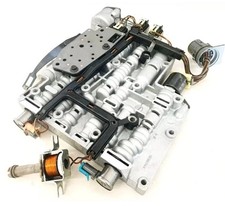
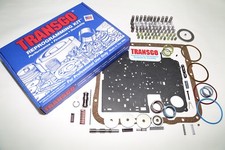
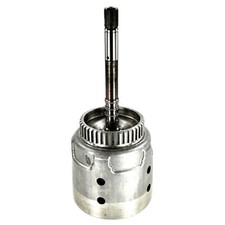
2000 was a transition model year for GM's full-size lineup: the Silverado and Sierra pickups had already moved to the redesigned GMT800 platform the year before, while the Tahoe, Suburban, and Yukon SUVs made that same switch for 2000 itself. A 4L65E behind either body style can show the same shift complaints, and this is a remanufactured valve body built for the 2000 casting, bench-checked before it ships, so a harsh or slipping shift gets a known-good part instead of a guess.
What the valve body does in a 4L65E
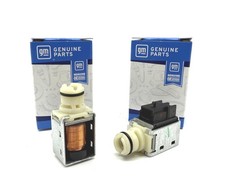
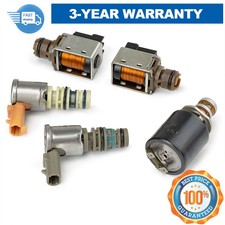
The valve body is the hydraulic brain of the transmission. Line pressure is routed through precision-machined bores and spool valves to apply the correct clutch pack and band for each gear, and because the 4L65E is electronically controlled, the same casting carries the shift solenoids, the pressure control solenoid, and the TCC solenoid the computer fires to time every shift and lock the torque converter. Because the pickup and SUV platforms didn't switch over in the same model year, a 2000 truck and a 2000 SUV can end up needing a different valve body casting even though both carry a 4L65E-family transmission, which is the main reason to confirm fitment carefully below rather than assuming by model year alone.
Symptoms of a worn valve body
Wear the bores or starve a solenoid feed and the computer's command doesn't change, only the hydraulic result it produces. Watch for:
- Harsh, late, or flared shifts, especially towing
- Slipping between gears or a missing upshift
- Torque converter clutch slip or shudder at cruise
- Limp mode with a stored solenoid or ratio code
- Delayed engagement into drive or reverse
Confirm it before you order
Pull the stored codes on a generic OBD-II scan tool first. A pressure control or TCC code paired with clean, unburnt fluid points at the valve body; burnt fluid means a clutch pack has already taken damage and a valve body alone won't fix that. Our 4L65E valve body problems and testing guide covers vacuum-testing the bores on the bench to confirm wear, the same check rebuilders use before deciding whether to repair or replace a core.
Fitment: match the platform, not just the year
This unit is cut for the 2000 casting as used across GM's full-size trucks and SUVs that model year. Because the pickup and SUV platforms crossed over to their new body styles a year apart, compare your original valve body's casting, separator plate, and solenoid count against this listing before installing, rather than assuming by model year alone. If anything doesn't match, send your exact vehicle and VIN and we'll confirm fitment before it ships. Every 4L65E part we stock, sorted by year and part type, is on the 4L65E parts page.
Install notes
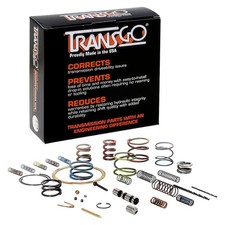
Drop the pan and change the fluid and filter at the same time so debris from the old unit doesn't reach the new solenoids, then torque the valve body bolts in sequence to spec. Refill with Dexron VI and run the adaptive shift relearn with a scan tool; skipping that step is the most common reason a freshly installed valve body still shifts rough for the first several drives. A 4L65E shift kit for 2000 or a pressure control solenoid is worth checking at the same time, and on a higher-mileage truck pair it with a 4L65E banner rebuild kit instead of installing the valve body alone.