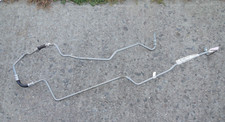
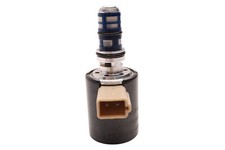
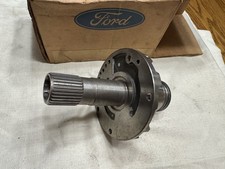
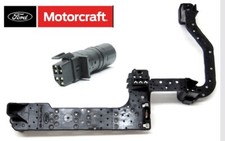
On a 1998 to 2002 Ford F-150, the transmission cooler lines are steel tubes that run the length of the engine bay and along the frame, and after twenty years of road salt they rust through, usually where a clip holds them or where they bend near the radiator. A pinhole there can empty a 4R70W faster than most owners notice. This listing is a new cooler line assembly for the 1998-2002 4R70W in the F-150. As pictured, it is the pair of formed steel lines with their short flexible hose sections, routed to carry fluid from the transmission case to the cooler in the radiator and back again.
What the cooler lines do on a 4R70W
The 4R70W pumps hot fluid out of the converter circuit through one line to the cooler tank in the radiator, and the second line returns the cooled fluid to the case, where it feeds the lubrication circuit for the bushings, gears and clutch packs. That means the lines are part of the oiling system, not just a heat exchanger hookup. If flow is restricted by a crushed or kinked tube, the gearset runs hotter and short of lube. If a line leaks, the level drops, the pump starts pulling air, and the unit begins to slip. Ford even notes in its owner literature that 4R70W fill capacity varies with the cooler fitted, because the cooler and its plumbing hold part of the fluid.
Signs your cooler lines need replacing
- Red or brown fluid dripping from the front of the truck, on the frame rail, or on the crossmember under the transmission
- Fluid level that keeps dropping with no leak at the pan, case seals or dipstick tube
- Flaky, swollen rust on the steel tubes, or crushed sections where the line passes a clip or bracket
- Cracked or oil-soaked rubber sections at the joints
- Delayed engagement and slipping that appear after a leak has lowered the fluid, especially on turns or hills
- Fluid that runs hot or smells burnt because cooler flow is restricted
How to confirm the leak before ordering
Clean the lines and the area around the radiator fittings and the case fittings with brake cleaner, top off the fluid, then drive until it is fully warm and look again with a light. Fluid trails run downhill and rearward, so start at the highest wet point. Run a hand along the tubes and press the rustiest spots; heavy scale often hides a weak section that will be the next leak. If the lines are dry but the transmission still overheats, check flow: with the engine idling in Park, disconnect the return line into a container and confirm a steady stream. Weak flow points to a clogged radiator cooler or a pump problem, not the lines. If the unit already slips after running low, read our 4R70W F-150 common problems guide before you spend money, and the F-150 shift problems guide for shift-specific symptoms.
Fitment
These lines are listed for the 1998-2002 4R70W with an F-150 reference. Line shape on these trucks is not universal: routing changed with 2WD versus 4x4, regular versus extended cab, the engine and whether the truck came with a factory auxiliary cooler for towing. Lay your old lines next to the photo and compare the overall length, the bends near the radiator and the end fittings at the case before you order. Expeditions and the Panther cars from the same years use different routing and are not covered by this listing. If you are unsure, send us the year and VIN and we will check it. Other parts for this unit are on the 4R70W collection page.
Install notes
- Mark which line is supply and which is return on the old assembly before removing it, then install the new set with the same orientation.
- Use the original clips and isolators so the tubes cannot rub on the frame, exhaust or steering parts; rubbing is how the old ones wore through.
- Flush the radiator cooler if the transmission ran low or failed, so debris is not sent straight back into the unit.
- Refill with MERCON V, run the engine through the gears to purge air from the new lines, then check the level hot in Park and inspect every fitting.
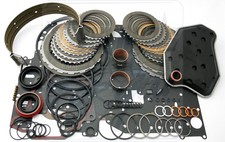
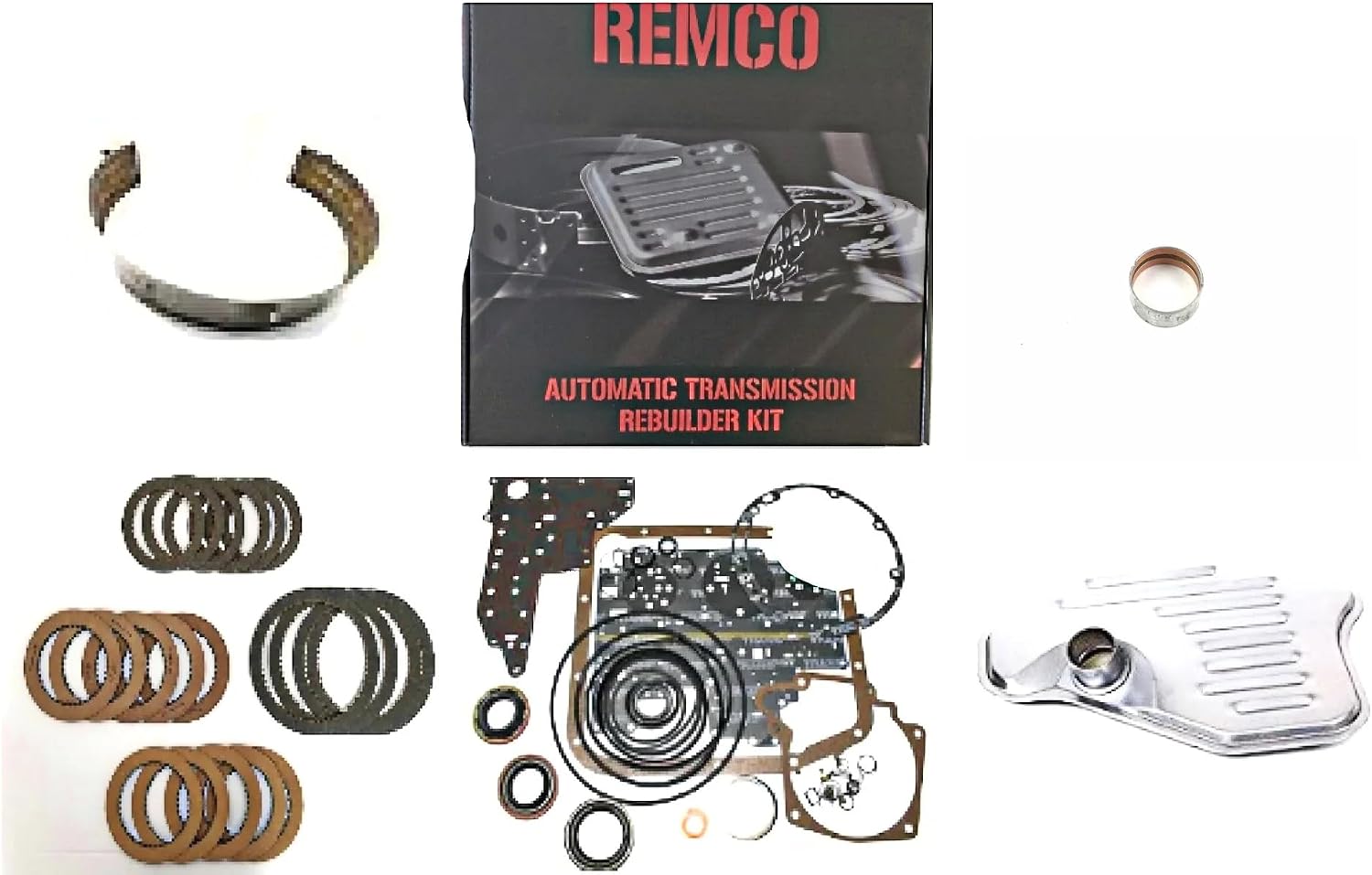
If running low has already worn the pump, the 4R70W pump for 1994-2004 fits these years, and the 1998-2003 4R70W master rebuild kit is the next step if the clutches are burned.