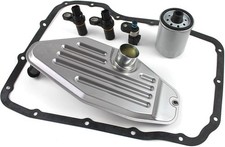
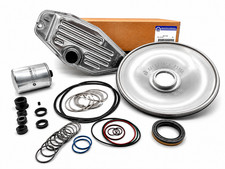
Read this first: although this item is filed under transmission coolers, it is not a cooler. It is a fluid service kit for the Chrysler RFE family, listed for 1999 and later 45RFE, 545RFE, 65RFE, 66RFE and 68RFE automatics in Chrysler, Dodge, Jeep and Ram vehicles. The kit is built around the four-wheel-drive style pan filter, a spin-on filter and a pan gasket, and it cross-references Mopar numbers 5013470AA, AB, AC and AE, 4799507, 4799662 and 5179267AC/AD. If your truck is running hot, shifting late after a long tow, or simply due for its pan drop, this is the box of parts that goes on the bench before the new fluid goes in.
What the filters do in an RFE transmission
The RFE units are fully electronic, and every clutch apply depends on clean, correctly pressurized ATF reaching small solenoid-controlled passages in the valve body. The pan filter is the pump's only protection: it sits in the sump and screens clutch material and metal before the pump draws fluid in. The spin-on filter is a second line of defense on the cooler circuit, catching debris that leaves the transmission so it does not settle in the cooler and come back. When either one loads up, pump suction suffers, line pressure becomes unstable and fluid flow through the cooler drops, which is where heat problems start. GEARS Magazine puts the cooler flow minimum for these units at one gallon per minute and notes that fluid life halves for every 20 degrees F above about 200 degrees F.
Symptoms that point to a filter service
- Transmission temperature climbing under load or while towing
- Slow or soft engagement into Drive or Reverse after the truck sits
- Line pressure codes such as P0869 or P0933 that come and go with temperature
- Dark fluid with a burnt smell, or a gray paste of clutch material on the pan magnet
- A high-mileage unit that has never had the pan or spin-on filter changed
How to confirm before you buy
Pull the pan and read what you find. Fine gray sludge is normal wear; brass flakes, steel slivers or chunks of friction lining point to a mechanical failure that a filter will not fix. A pump that is wearing its gears will also load the filter quickly, so if you see bright metal, work through our 68RFE pump failure guide before you button the pan back up. If the complaint is heat rather than debris, check the cooler bypass and cooler flow; a stuck thermal bypass sends hot fluid straight back to the case no matter how clean the filters are.
Fitment
The listing covers 45RFE, 545RFE, 65RFE, 66RFE and 68RFE units from 1999 forward and names the pan filter as the 4WD style. It also carries a note that it fits 2WD and 4x2 vehicles from 2010 on, so two-wheel-drive trucks built before 2010, which used a different pan and filter depth, should not assume a fit. The surest check is to compare the filter you remove with the photo and with the Mopar numbers above, or send us your year and VIN before ordering. Diesel Rams with the 68RFE are the most common buyers; browse the full 68RFE parts collection for other service items.
Install notes
- Drain the pan, remove the old pan filter and confirm its pickup seal came out with it; a seal left in the pump bore causes an air leak.
- Clean the pan and magnet, install the new filter, and fit the new gasket dry on a clean flange.
- Replace the spin-on filter, lubricating its seal with fresh ATF before snugging it by hand.
- Refill with ATF+4 only. The FCA recall instructions for this family call for ATF+4 meeting MS-9602 and say the level must be set with the fluid at 160 degrees F or hotter.
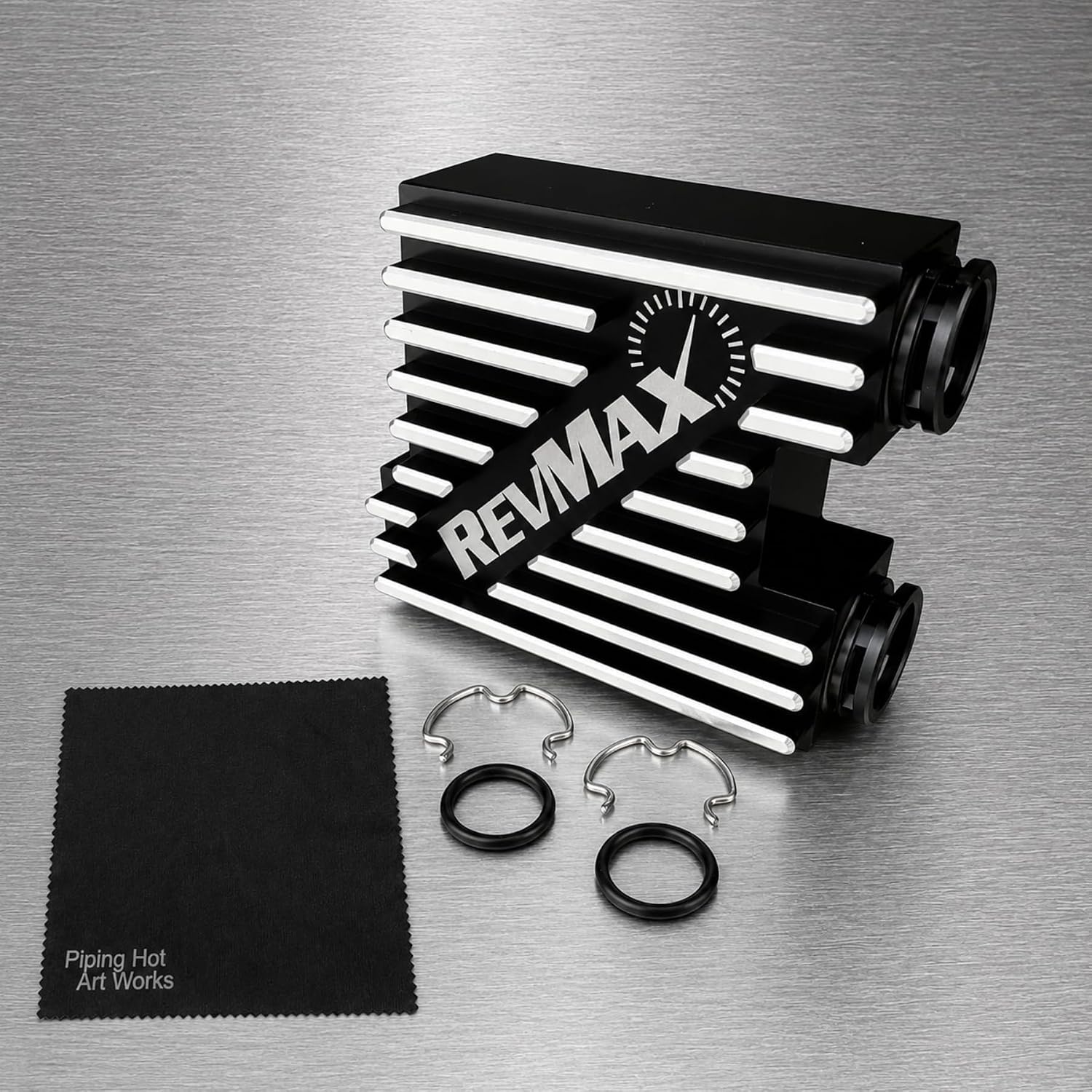
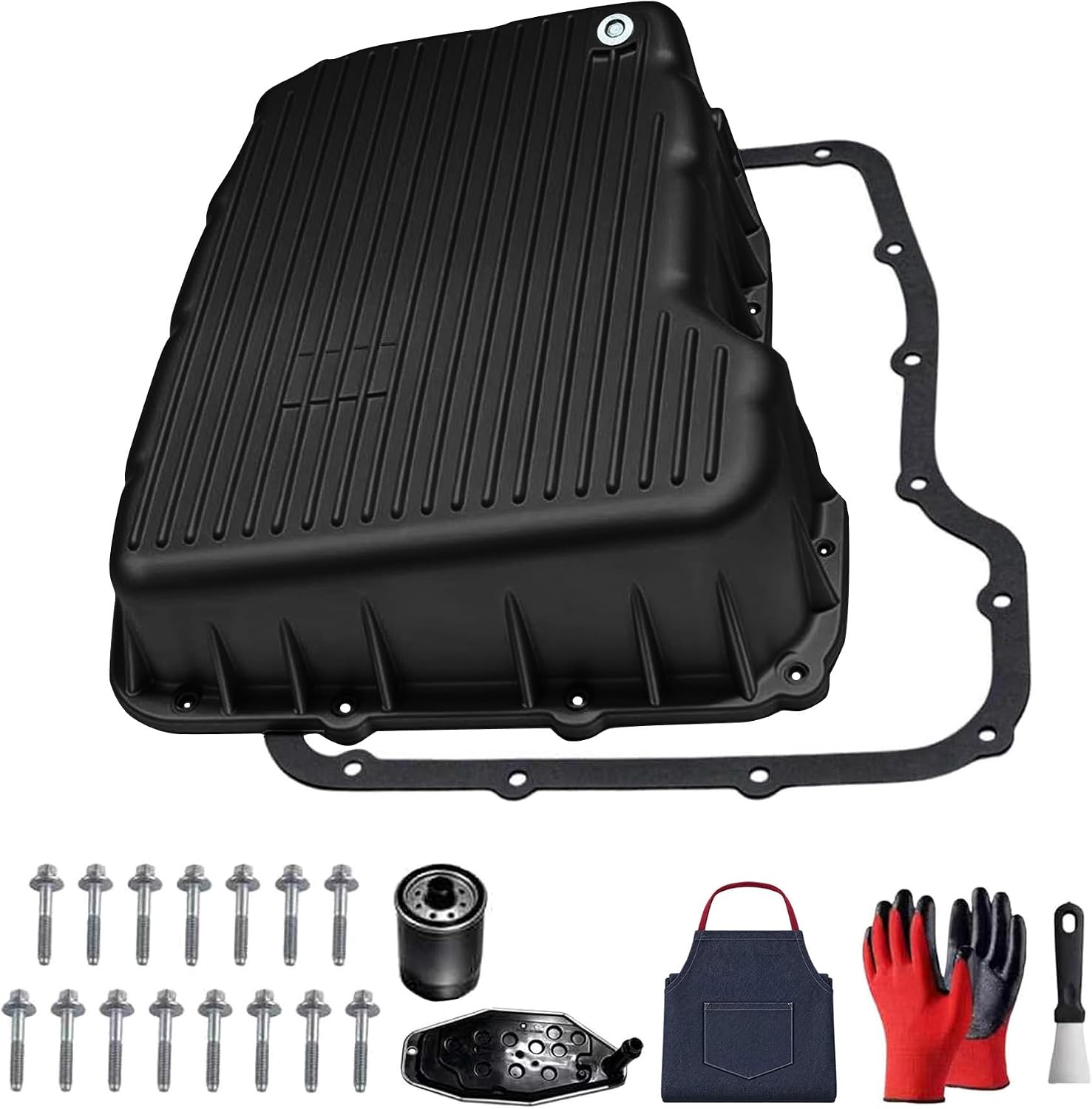
If you tow regularly, this is a good time to address the cooler circuit as well. The RevMax 68RFE thermal bypass valve upgrade keeps fluid moving through the cooler, and the 68RFE aluminum pan kit adds capacity on trucks that see heavy loads. For the full list of what tends to go wrong behind the Cummins, see our 68RFE Ram 2500 common problems guide.