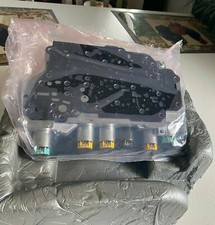
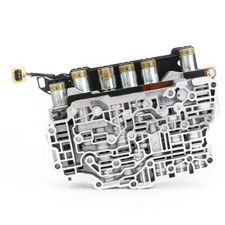
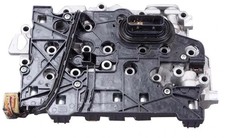
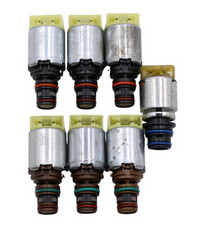
2009 is the first model year the Ford 6F35 six-speed automatic shipped, in the Ford Escape and Mercury Mariner. If that early 6F35 is shifting harsh, slipping, or hesitating before it engages, the valve body is the most common internal cause once the cheaper external faults are ruled out. This is a remanufactured valve body built for the 2009 6F35, not a used take-off, so you're installing a known-good unit instead of a part with the same miles as the one you're removing.
Why early 6F35 valve bodies wear
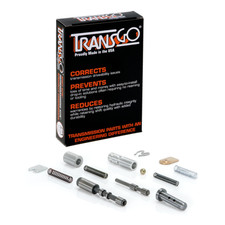
Ford runs the pressure-control valves directly in an aluminum casting on this transmission, and aluminum is soft. Years of pressure cycling and fluid flow wear the bores that hold the main pressure regulator and solenoid pressure regulator valve oval -- egged out, in shop terms -- and once a bore loses its round shape the valve inside can no longer seal, so pressure bleeds off past it instead of applying the clutch packs cleanly. On a vehicle built in 2009, that's now roughly seventeen years of pressure cycles, which is well into the range where this failure shows up.
Symptoms on the 2009 6F35
- Soft or delayed engagement into gear
- Harsh or flared 1-2 and 2-3 shifts
- Slipping under load or a shudder around 35-45 mph on light throttle
- Inconsistent shift timing that changes with how hot the transmission is
How to confirm it before you order
Before assuming the valve body, wiggle-test the external harness connector with a meter on the suspect circuit -- a wire can fracture inside intact-looking insulation at that connector after years of underhood heat and vibration, and it produces the same stored codes an internal fault would. Check the fluid next: the 6F35 is specified for Motorcraft Mercon LV, and on a car this age that's run its original fill, oxidized fluid alone can cause slip and shudder. If a fresh fluid service doesn't hold or the harness checks out, the valve body's worn bores are the real cause. Our 6F35 transmission problems guide walks through that order step by step.
Fitment
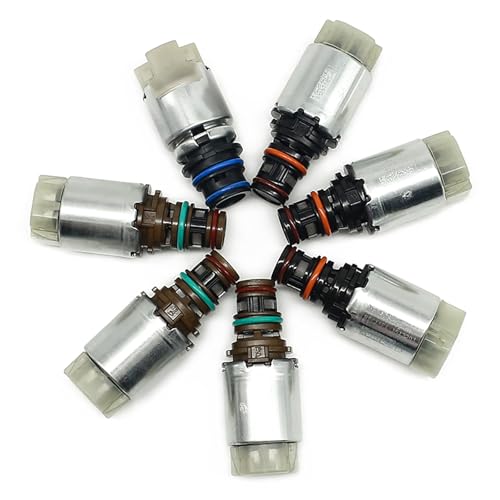
This valve body is matched to the 2009 model year 6F35 in the Ford Escape and Mercury Mariner. If your Escape or Mariner is a different year, or you're working on a Fusion, Focus, C-Max, Transit Connect, Lincoln MKC/MKZ, or 2.3L Explorer with this transaxle, see the general 6F35 valve body listing or the 2014 6F35 valve body for later production. Match the solenoid count and connector pattern against your current unit, or send your VIN so we can confirm before it ships.
Install notes
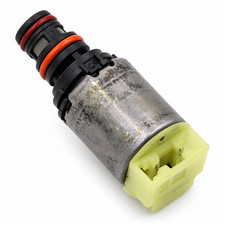
Drop the pan and change the filter and fluid at the same time as the valve body -- use Mercon LV only, never the older Mercon V, which has different friction characteristics and can cause erratic shifts in this unit. Torque the valve body bolts in the factory sequence, clear stored codes after the swap, and run the TCM's adaptive relearn so shift timing is tuned to the new part. A filter and pan gasket kit and a check of the solenoid kit are worth doing in the same job if the vehicle has 150,000-plus miles on the original parts.